
About This Place
Siaba Besar is where Komodo stops testing you. Almost every other named site in the park comes with a caveat about current, certification or timing; this one comes with turtles and a shallow coral garden in a bay that barely moves. It is the site dive centres use for check-out dives and the site guides put beginners in first, and both facts explain what the visit is actually like — including the part nobody mentions, which is how many other people are in the water with you.
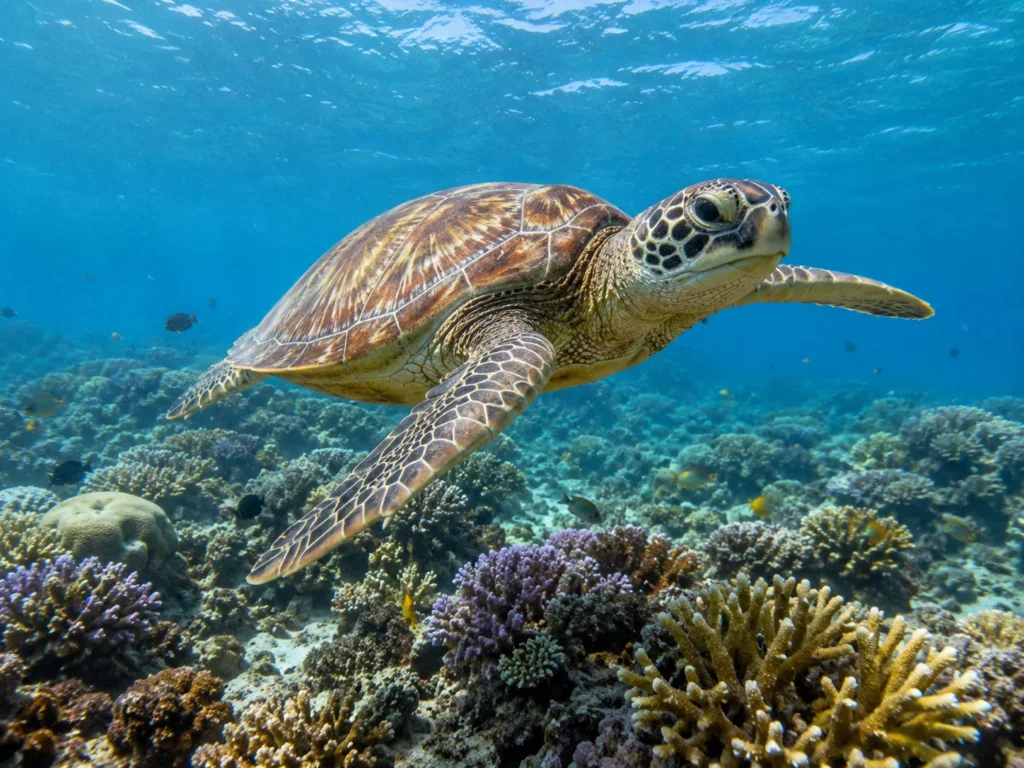
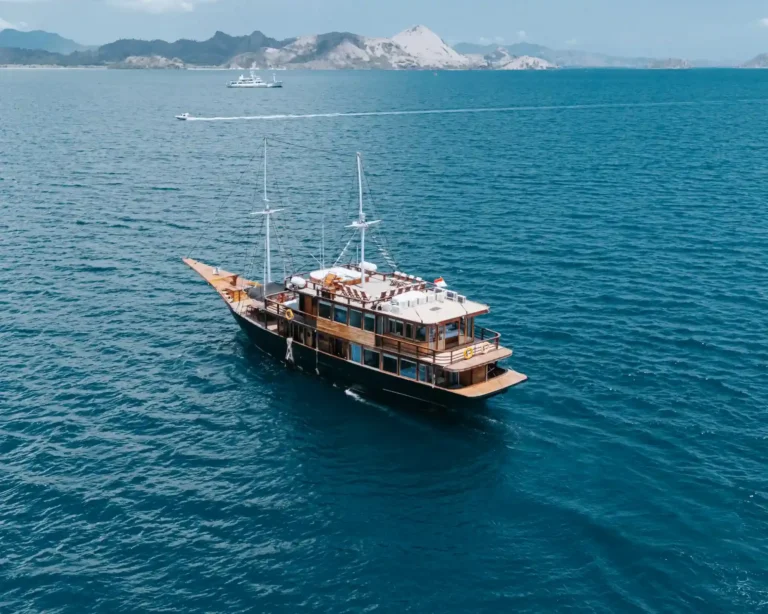
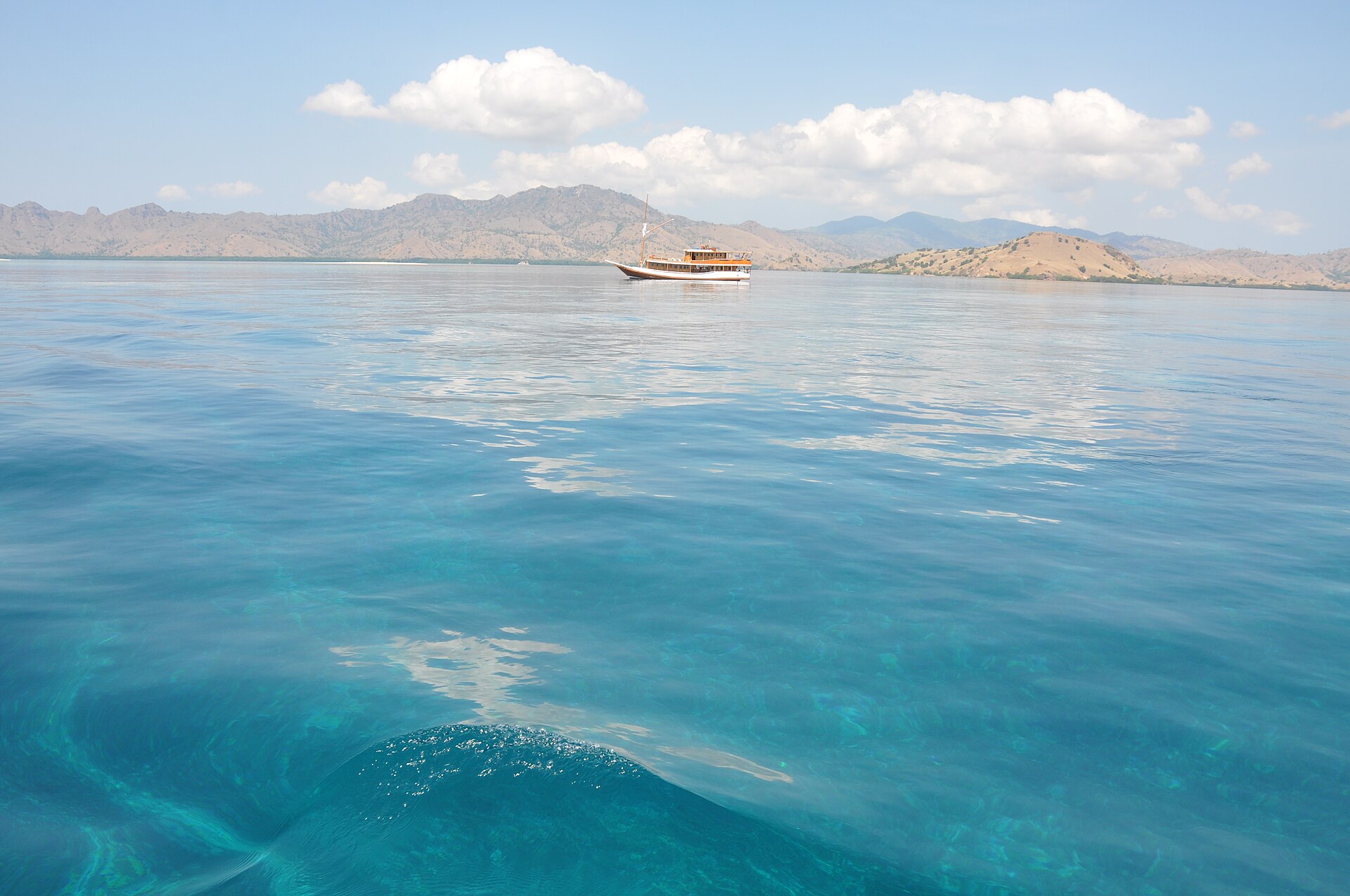
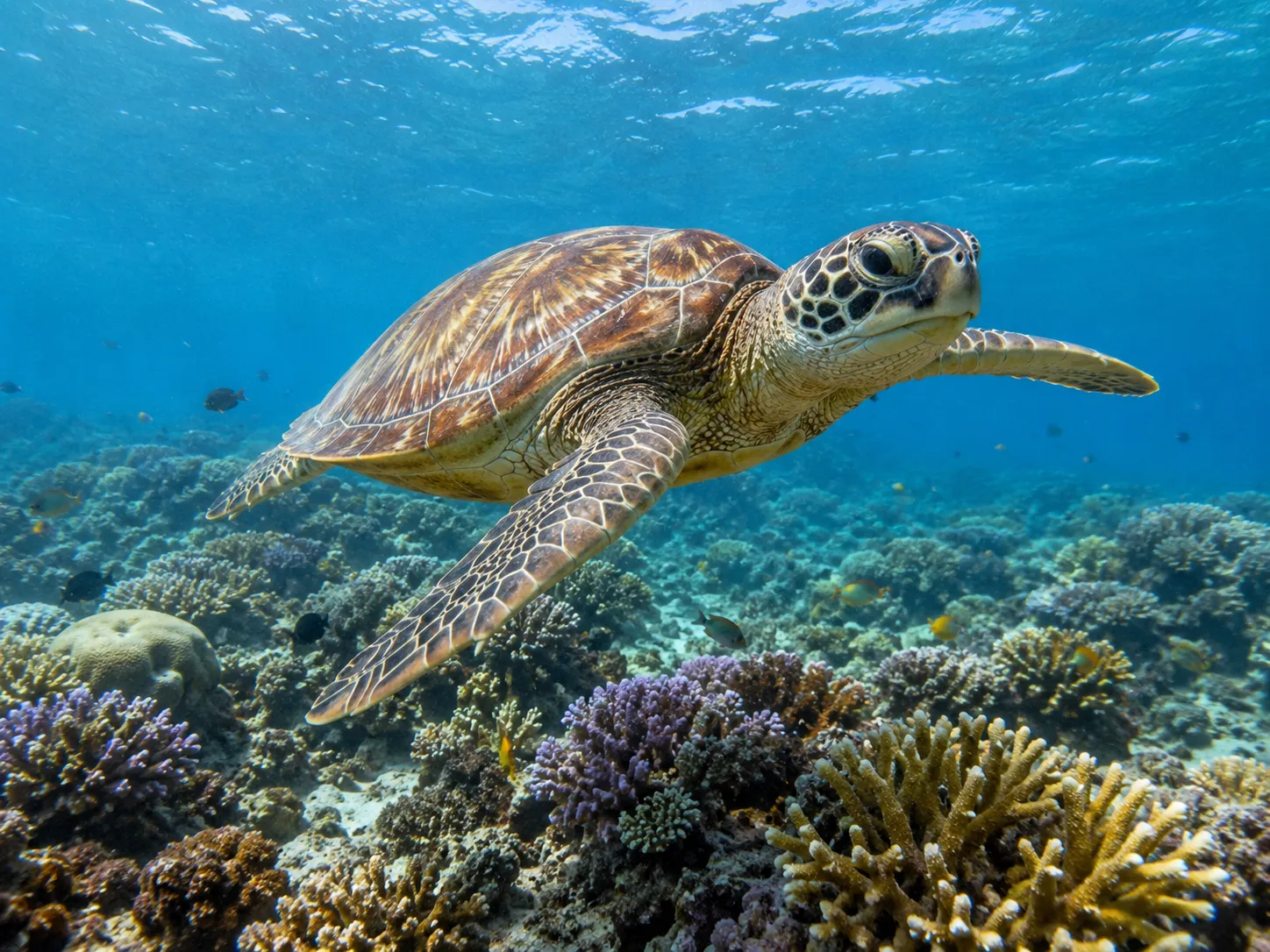
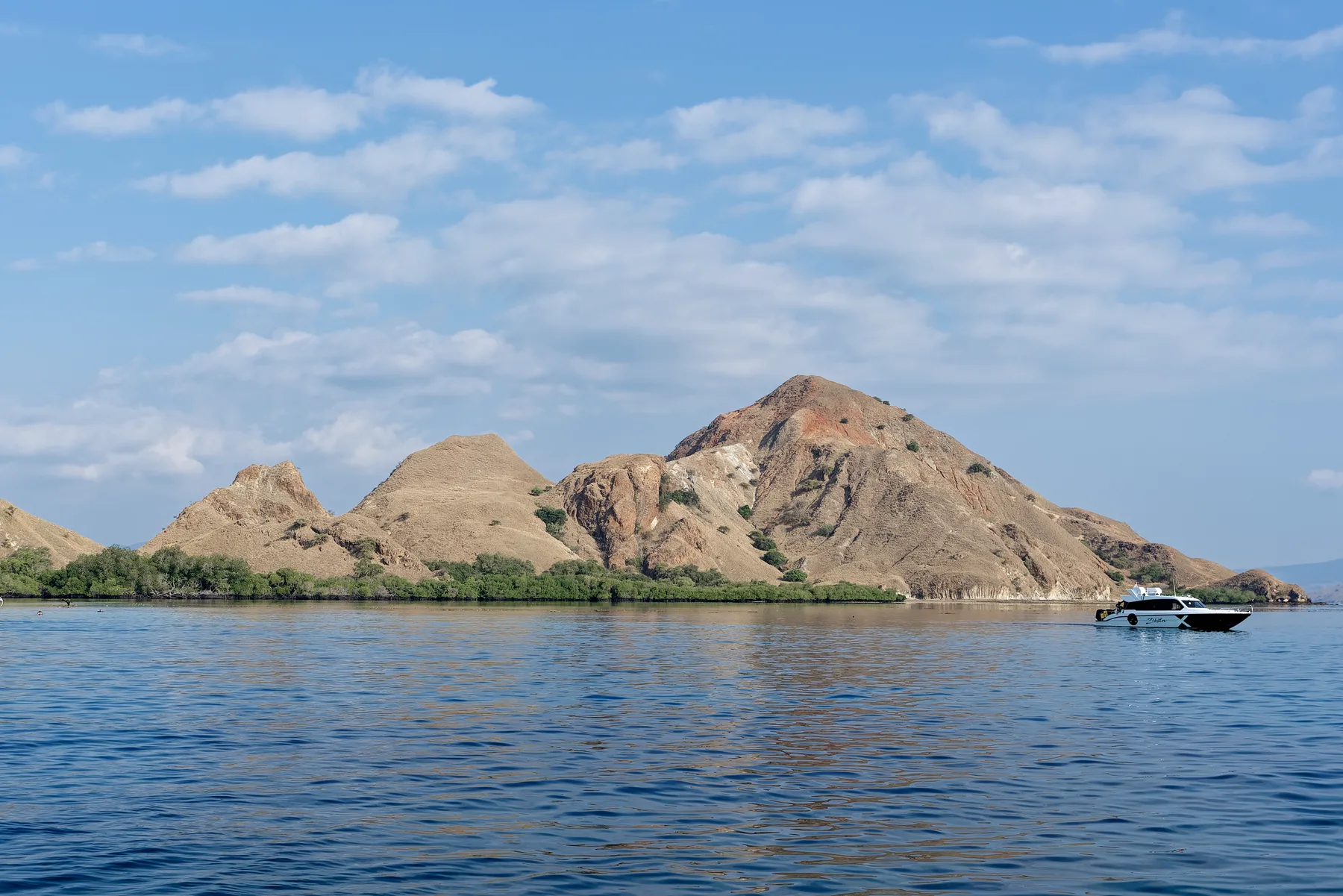
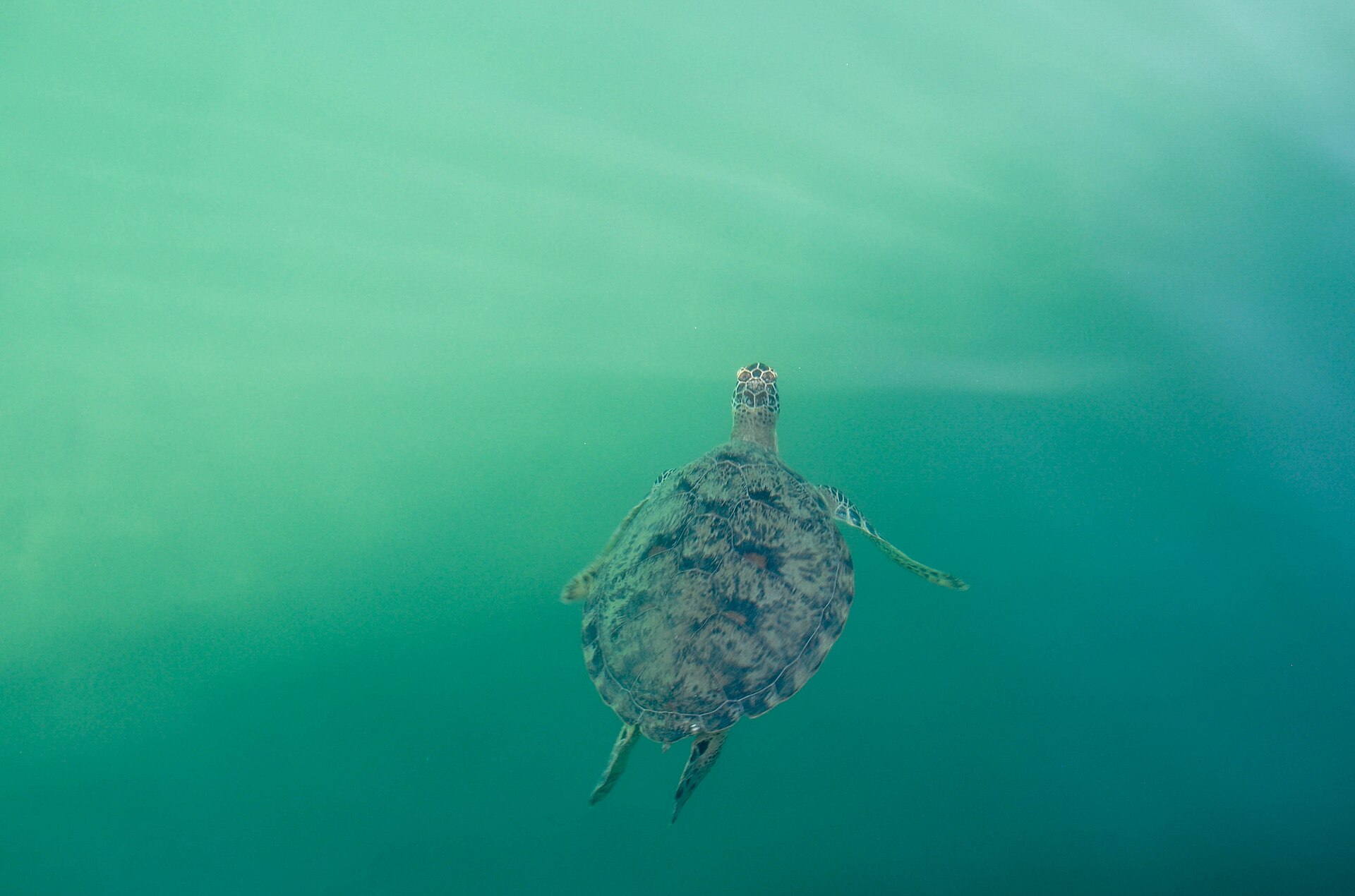
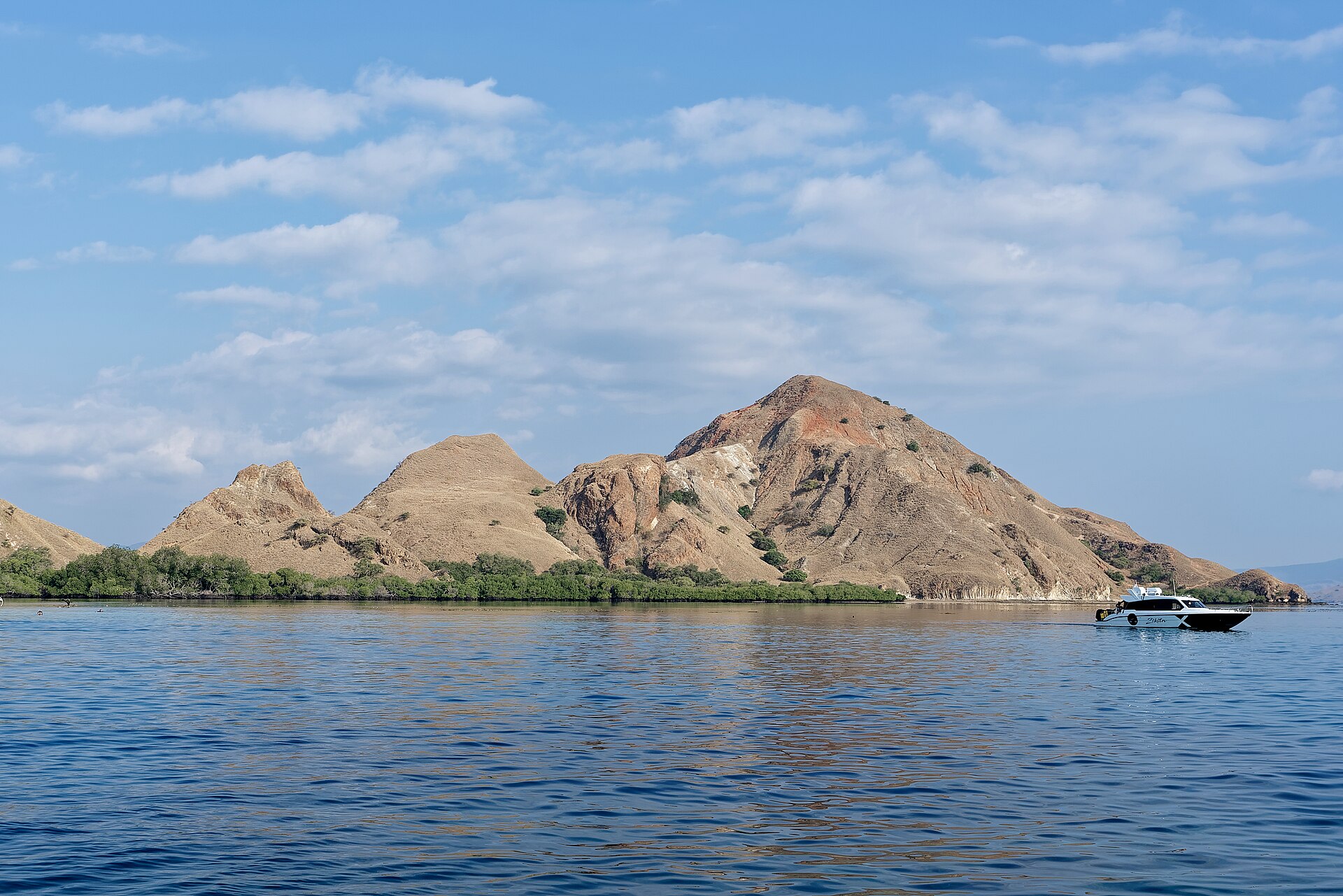
Siaba is two islands in the central-northern part of Komodo National Park, Siaba Besar and Siaba Kecil, in the Flores Sea. The site itself is the sheltered north-west bay of the larger island, and it is that shelter rather than anything exotic that gives the place its character. Boats from Labuan Bajo are quoted at roughly two to four hours depending on the vessel and the sea, which puts it at the comfortable end of a day boat and the natural first stop of a liveaboard. Its nickname, Turtle City, is not marketing: green and hawksbill turtles use the bay to rest and feed, and most visitors see several.
At a Glance
-
Also known asPulau Siaba Besar, Siaba, Siaba Bay, Siaba Besar Island
-
TypeIsland, Snorkel Site, Dive Site
-
Inside Komodo National ParkYes
-
How to get thereLiveaboard, Speedboat Day Trip, Fast Boat
-
Travel time from Labuan BajoAbout 2 to 4 hours by boat, depending on vessel and sea
-
LandingMooring / dinghy
-
Last checked2026-09-12
What to Expect
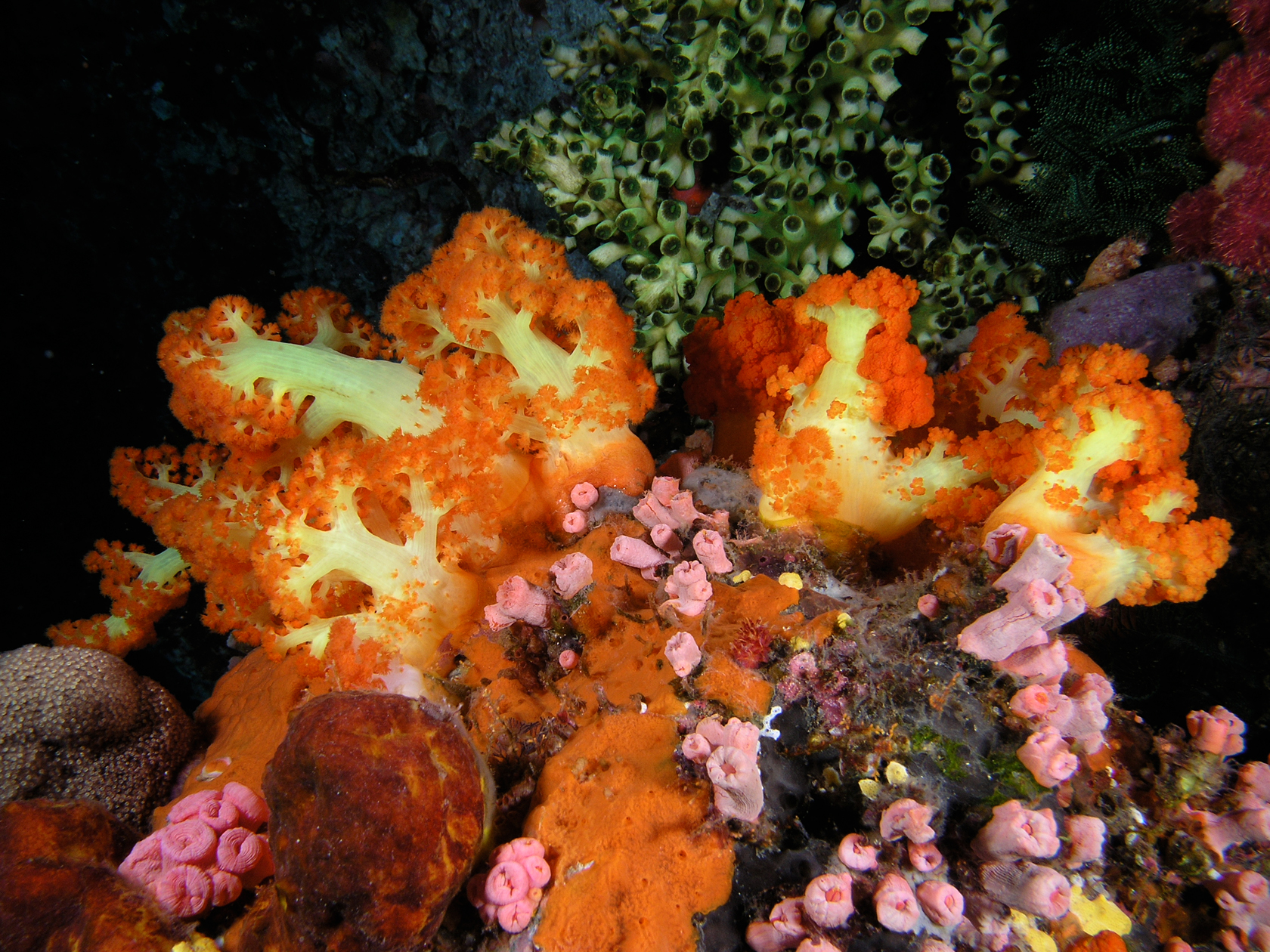
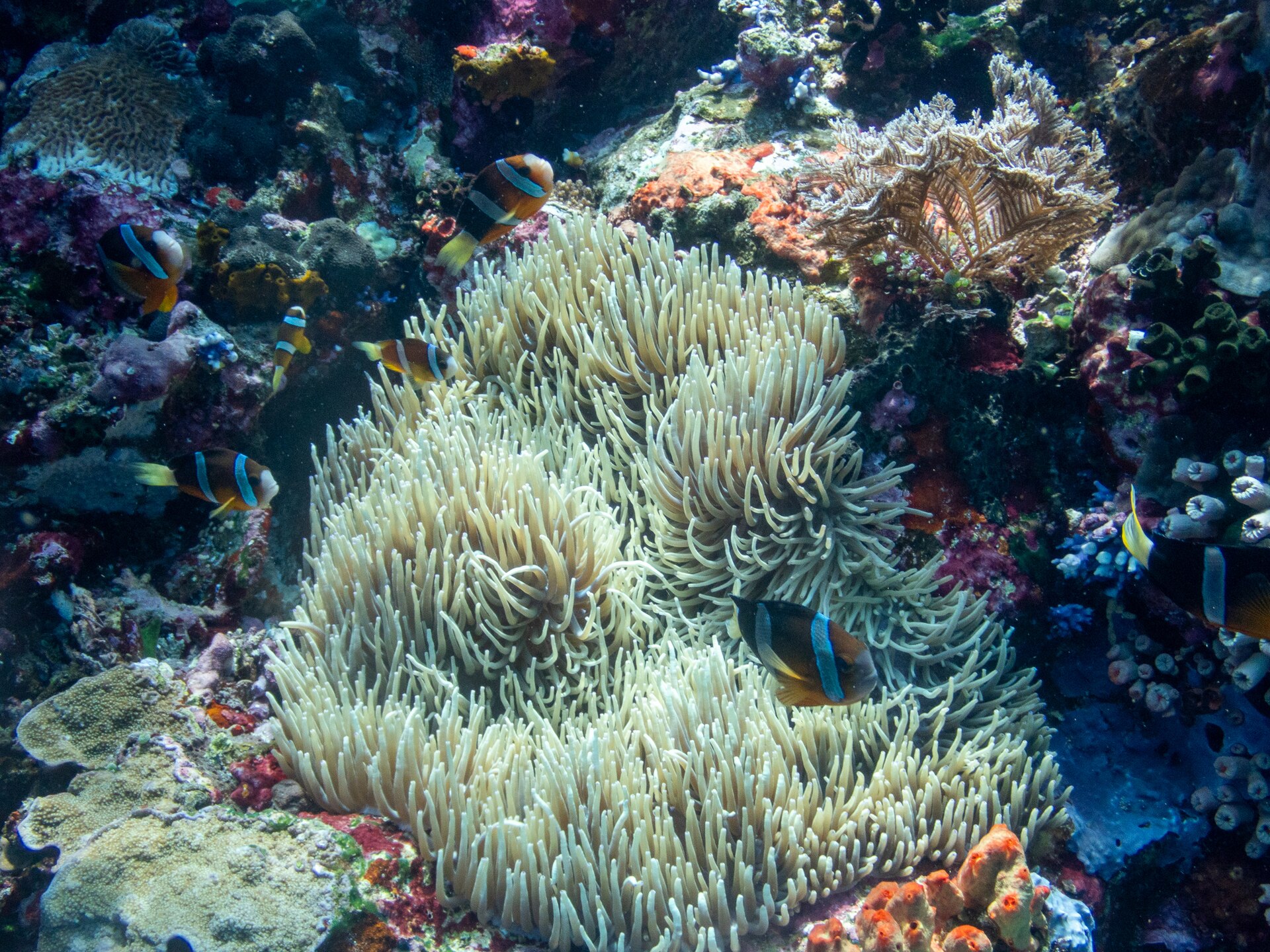
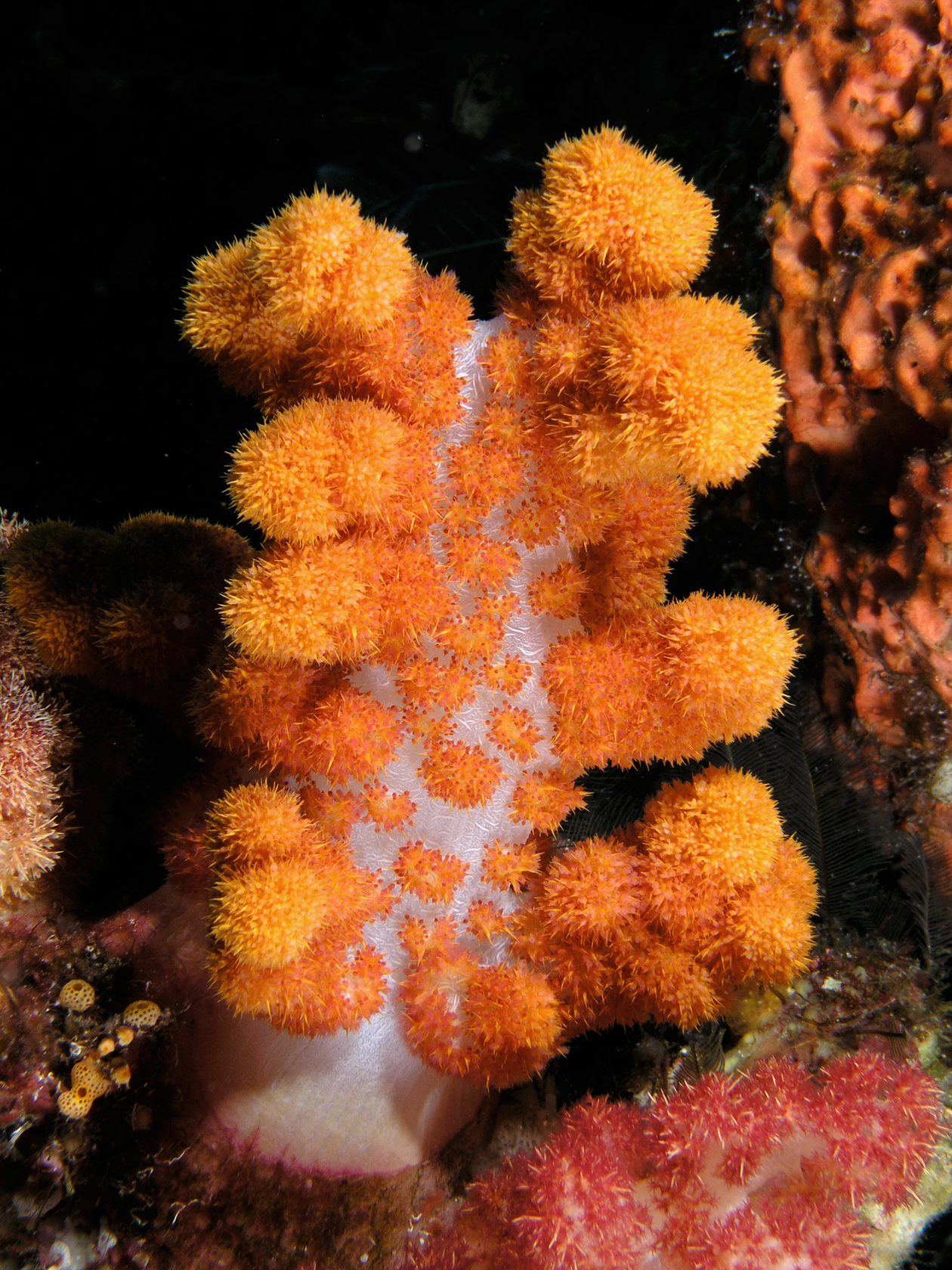
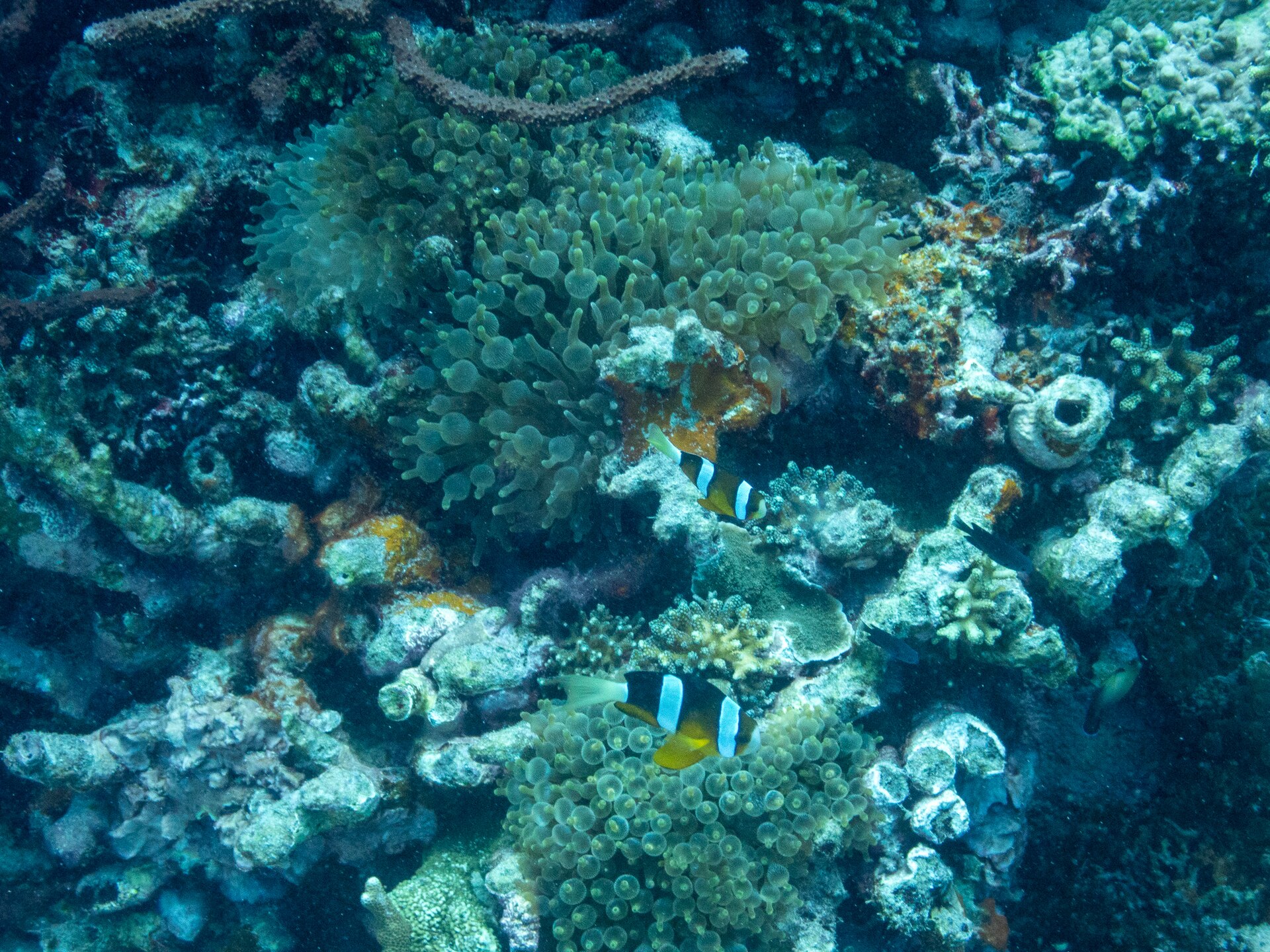
Two sites in one bay. The reef side is a broad coral garden sitting at roughly four to six metres, thick with stacked lettuce coral and easy enough to take in from the surface. The other half is a sandy slope running deeper — one profile gives a maximum around twenty-two metres — where the interest turns macro. That split is why divers are told to do it twice rather than once, and why snorkellers and divers can share the site without getting in each other’s way.
Turtles are the reason people remember it. Green and hawksbill turtles rest on coral, graze the seagrass edges and come up to breathe, and because they are used to being watched they generally do not bolt. Snorkellers get face-to-face encounters at the surface that divers have to work for elsewhere.
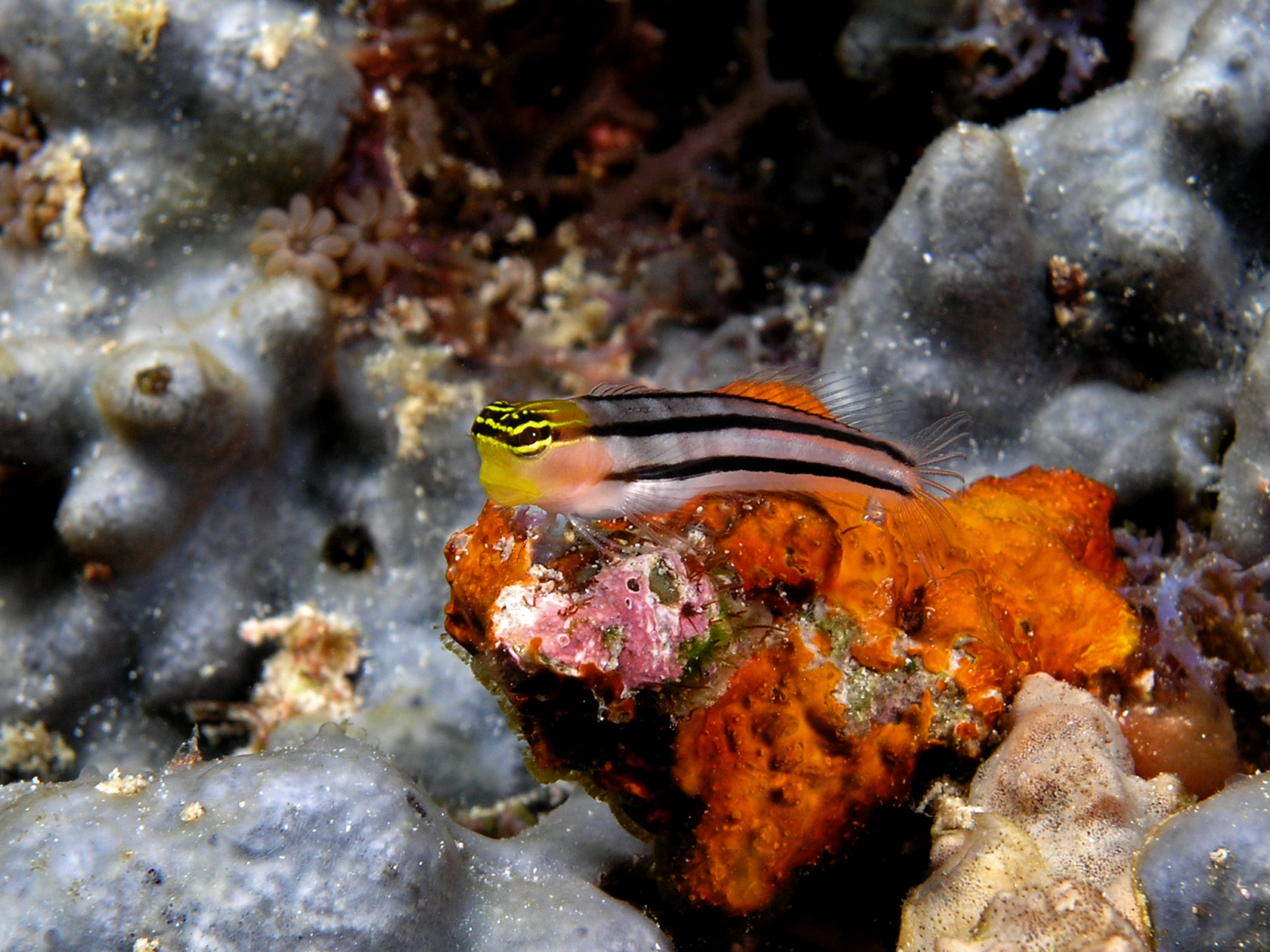
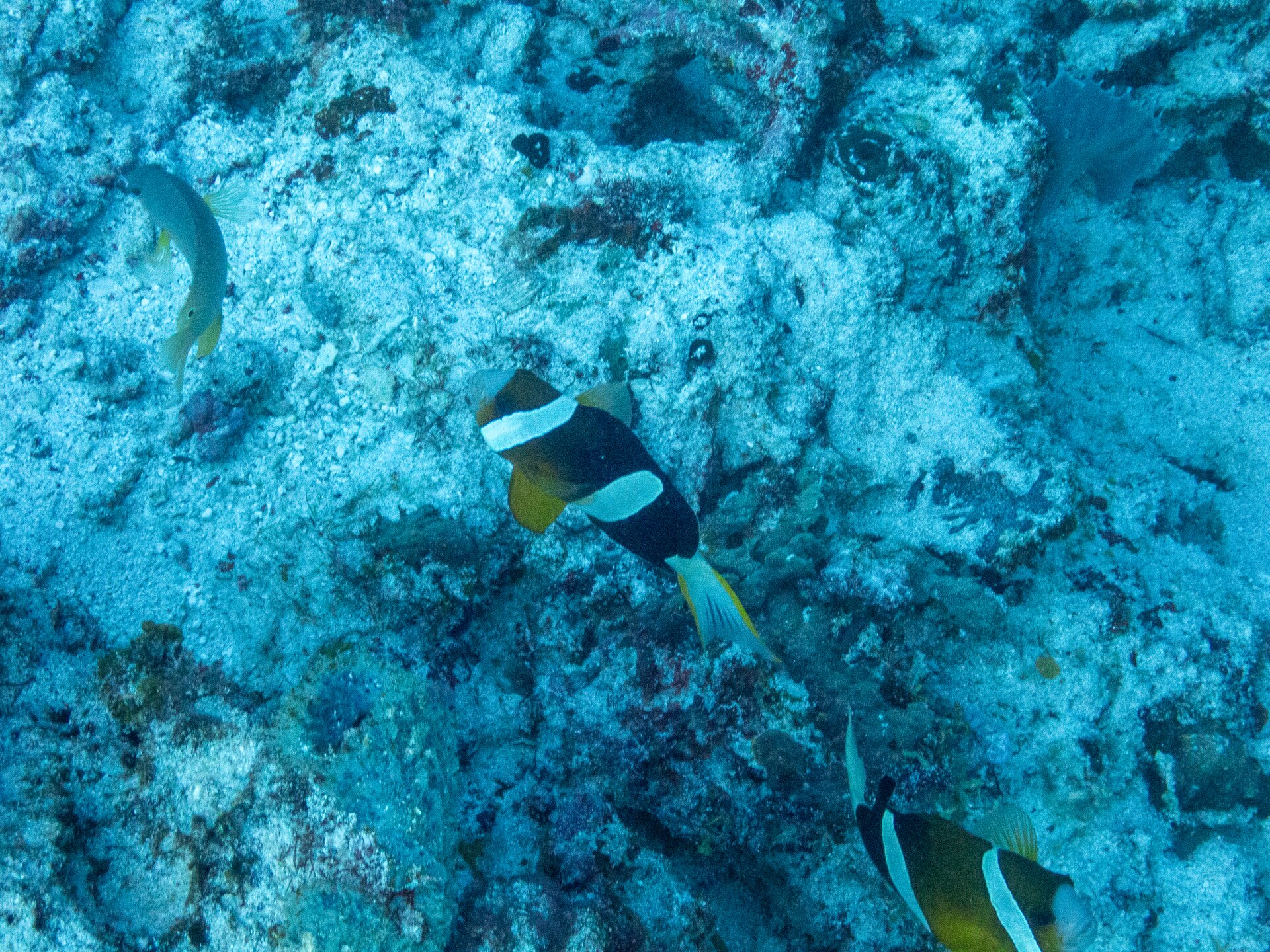
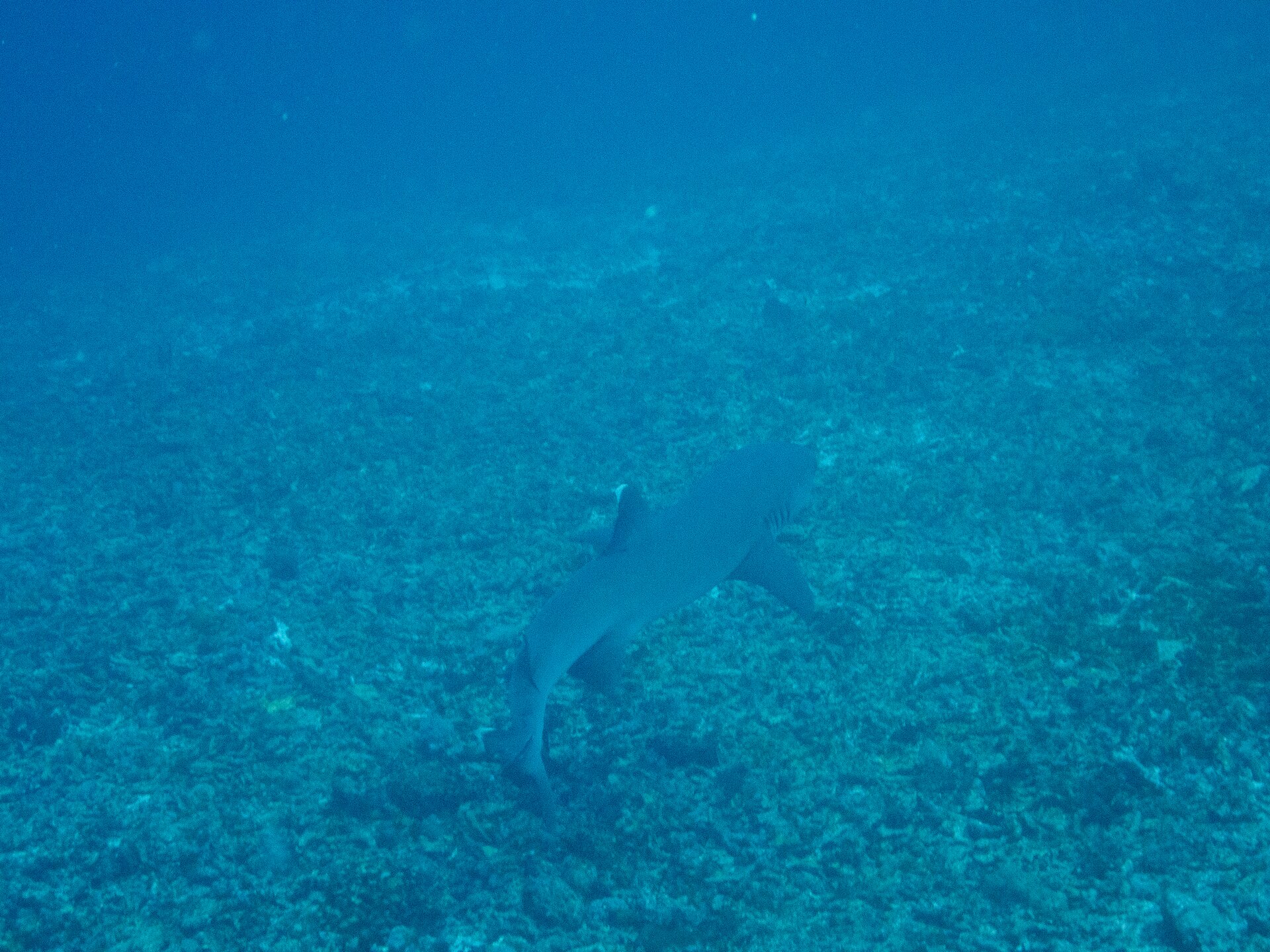
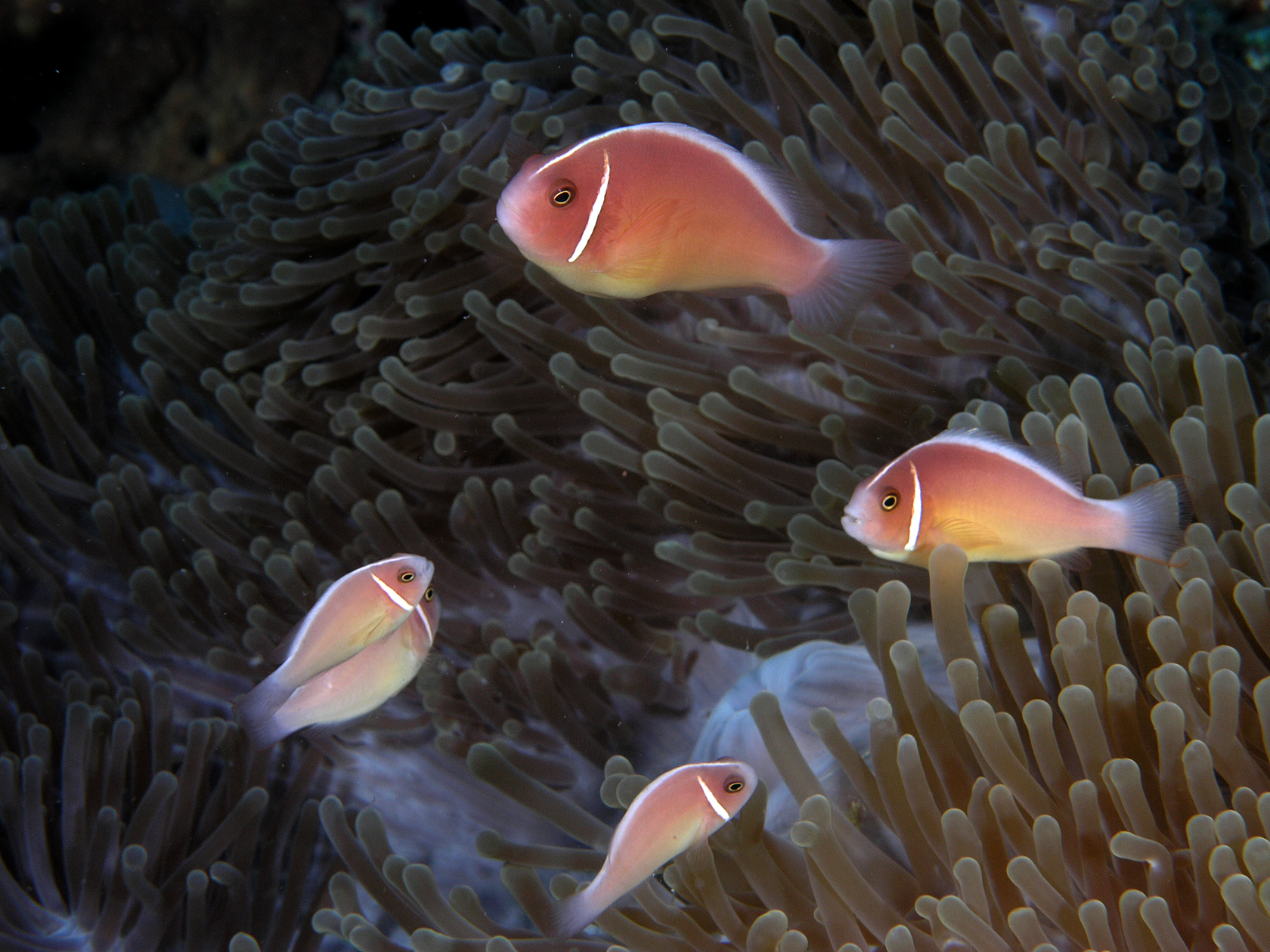
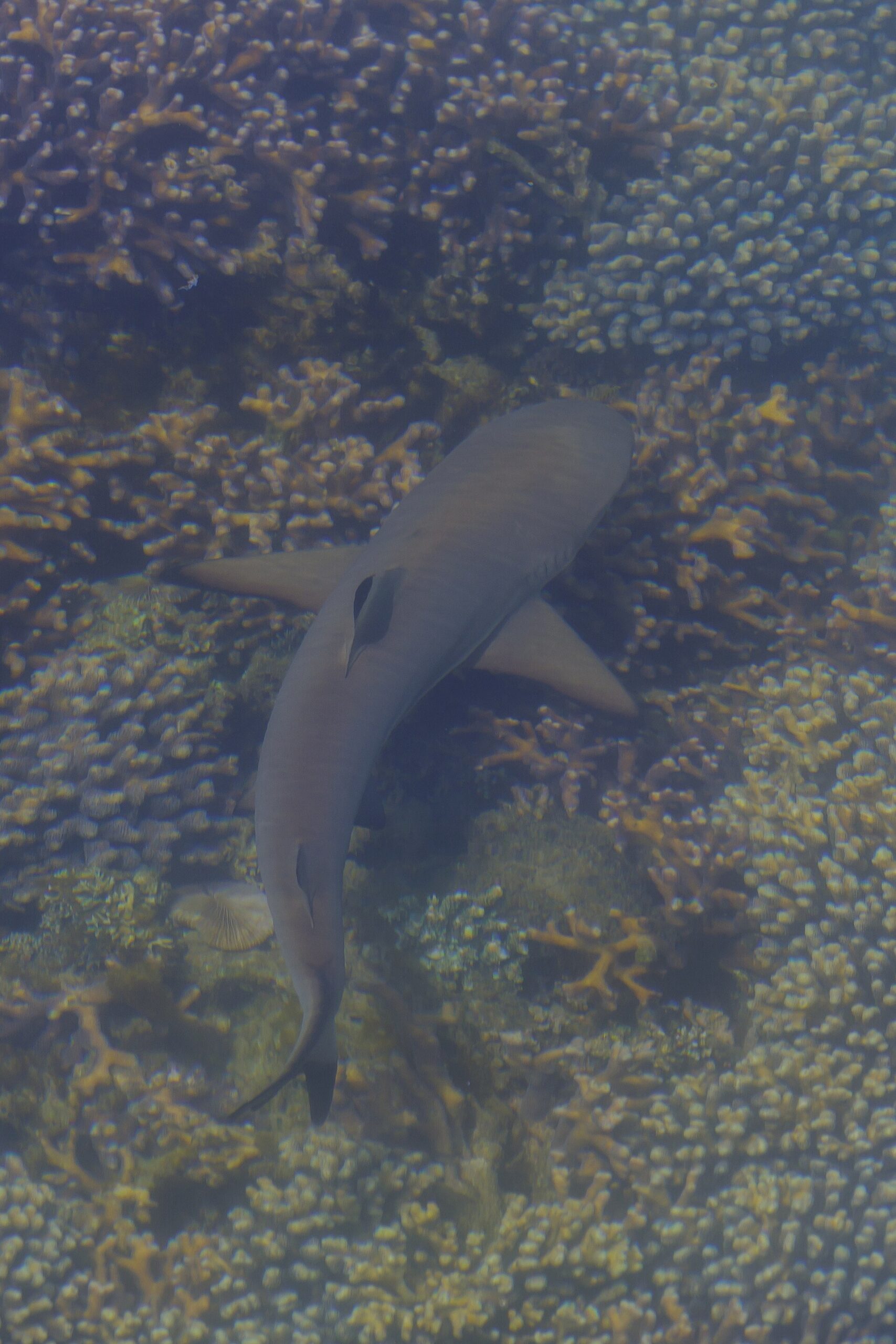
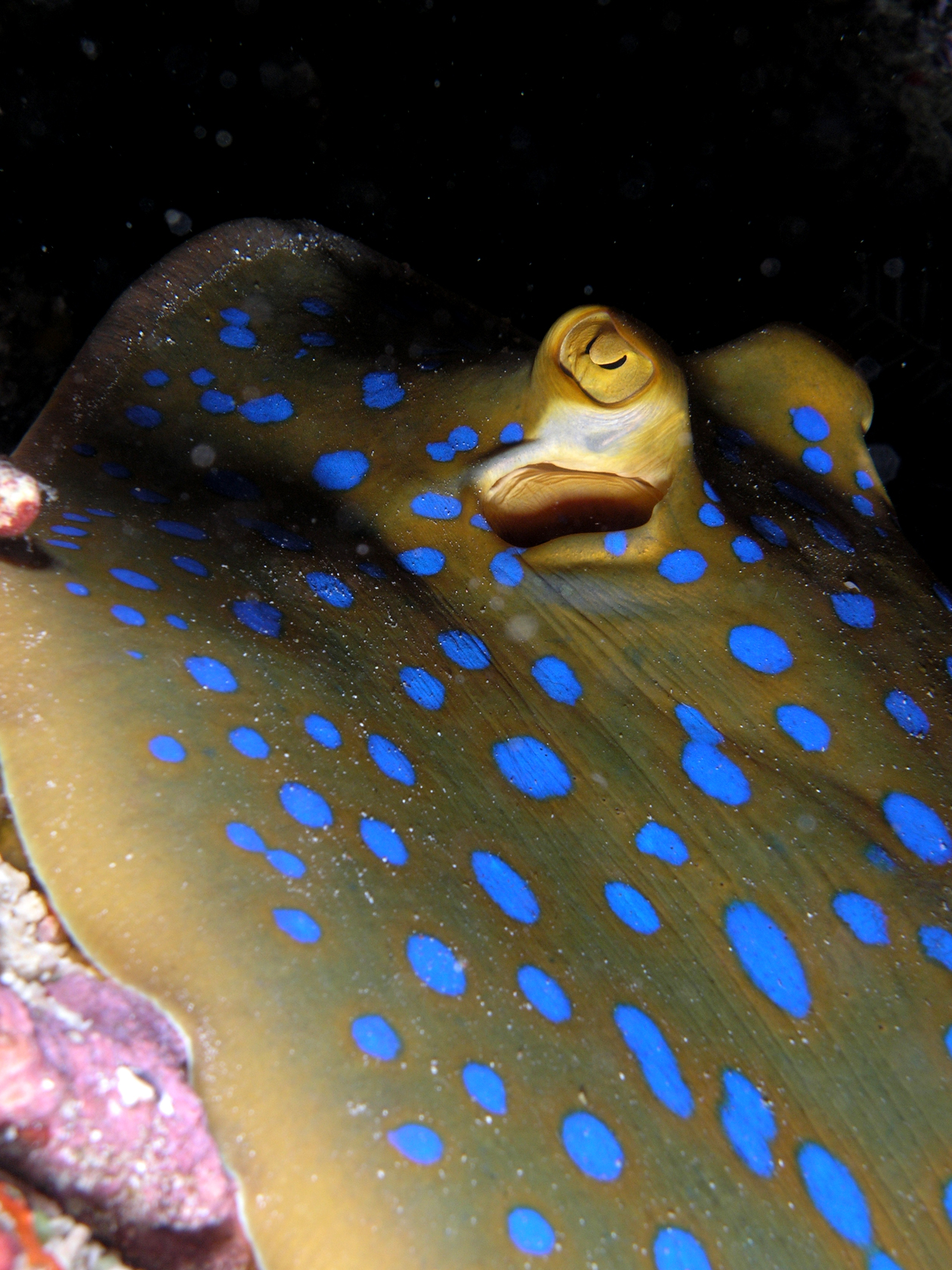
The supporting cast is broader than the nickname suggests: white-tip reef sharks, blue-spotted stingrays, sweetlips at cleaning stations, bigeye soldierfish, unicornfish, pufferfish, flounders and frogfish for anyone finning slowly enough to find them.
Conditions are the gentlest on the standard route. Current is described as very light by every source we found. Central Komodo sits around twenty-six to twenty-eight degrees Celsius with visibility commonly between fifteen and twenty-five metres, shifting with tide and season.
Crowds and Timing
Siaba Besar has a crowding problem that is invisible from the deck and obvious the moment you put your face in the water. Because it is calm, shallow and forgiving, it is the default check-out dive for liveaboards and the default first dive for day boats bringing brand-new divers into the park. The traffic here is not sightseers on a beach. It is people underwater, many of them on their first or second dive.
The practical consequences are silt and fin contact. A group still working out buoyancy over a shallow coral garden stirs sand and touches things, and the visibility you get can depend more on who entered the water ten minutes before you than on the season.
The fix is timing rather than avoidance. Early morning, before the check-out groups start, is clean and quiet. So is the late afternoon slot after the day fleet has left for port. A boat that sleeps in the area can take either; a day boat arrives when it arrives, usually in the middle.
Dive and Snorkel Profile
-
Depth rangeCoral garden at about 4 to 6 m; sandy slope to around 22 m
-
CurrentMild
-
Dive typeSlope
-
VisibilityCommonly 15 to 25 m in central Komodo, varying with tide and season
-
CertificationOpen Water
-
EntryBackroll
How to Visit
Everyone can use this site, which is the point. Snorkellers work the shallow coral garden, divers on their first Komodo dive stay on the same reef, and experienced divers drop onto the sand to hunt macro. One stop, three different visits, no need to split the group.
Day trip. It is within range, though at the further end. The Komodo one day tour covers how that day is structured.
Dive-led. If you are certifying or returning to diving after a break, this is the site your check-out dive will happen at. See Komodo diving liveaboard trips.
Multi-day. On the 3D2N and 4D3N routes Siaba usually sits alongside Batu Bolong and Manta Point in the central Komodo day — the calm counterweight to two demanding sites.
Boats That Sail Here
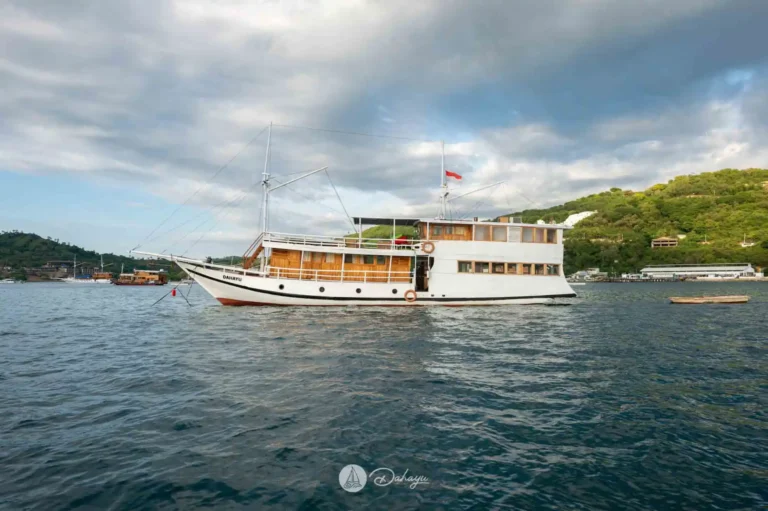
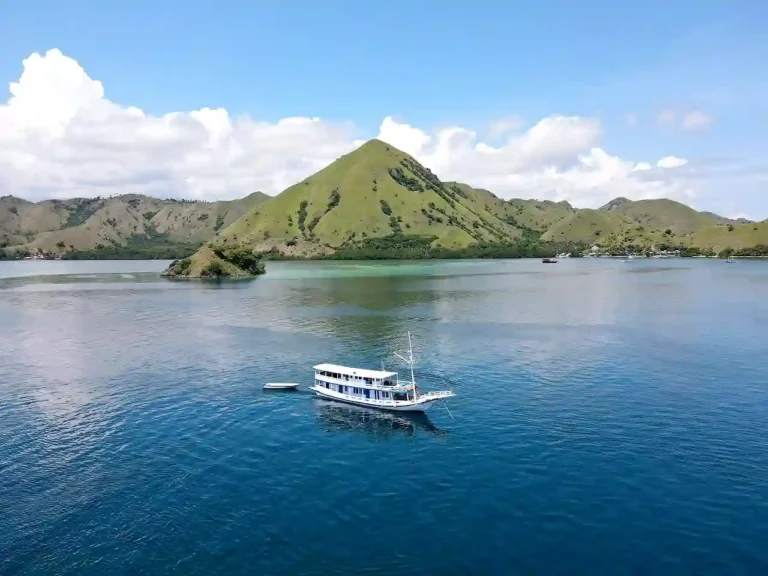
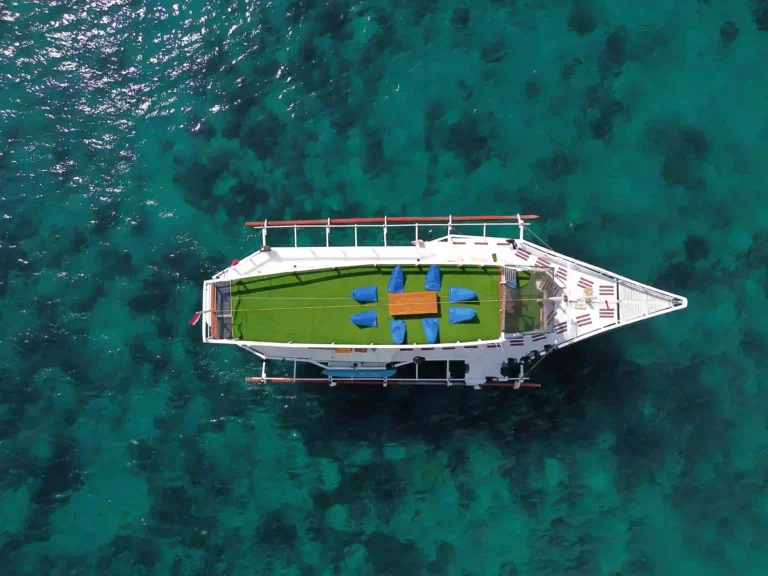
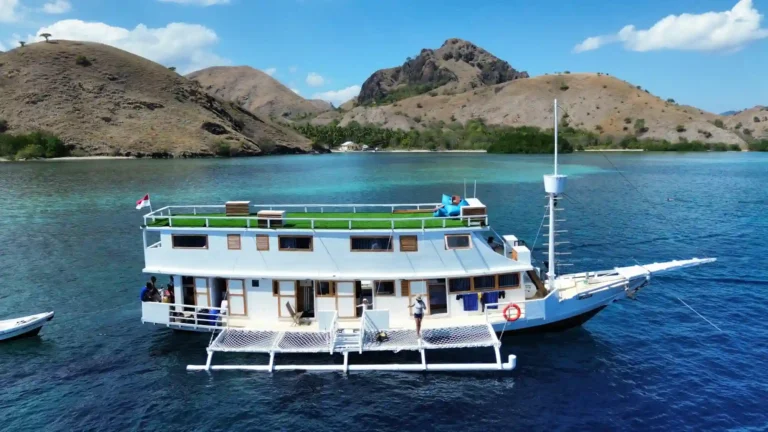
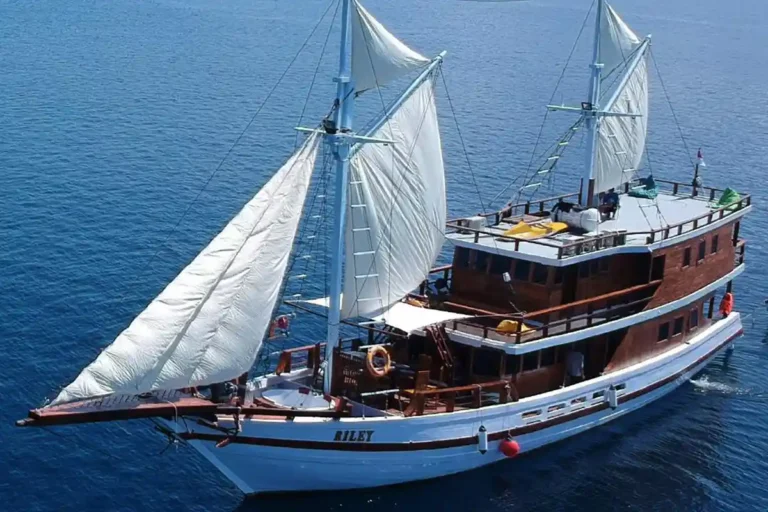
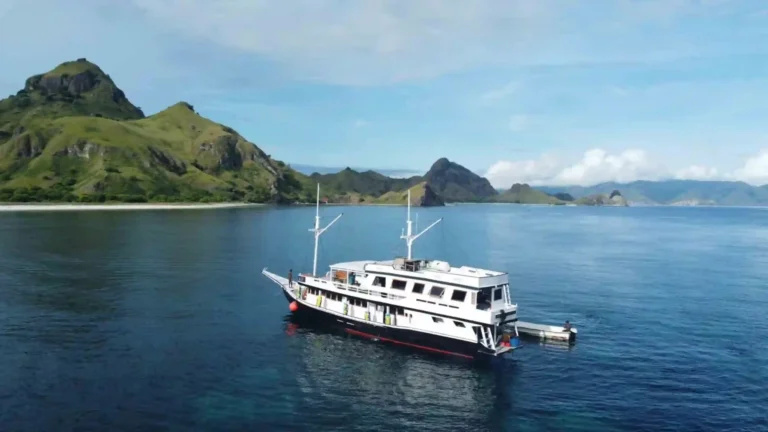
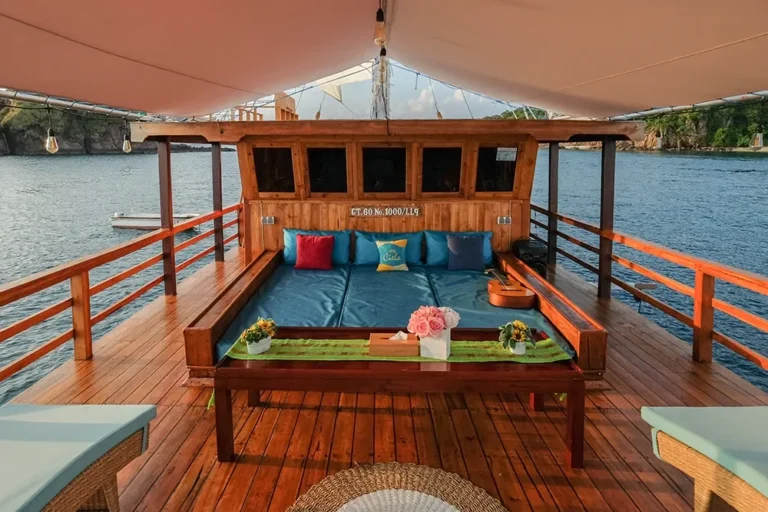
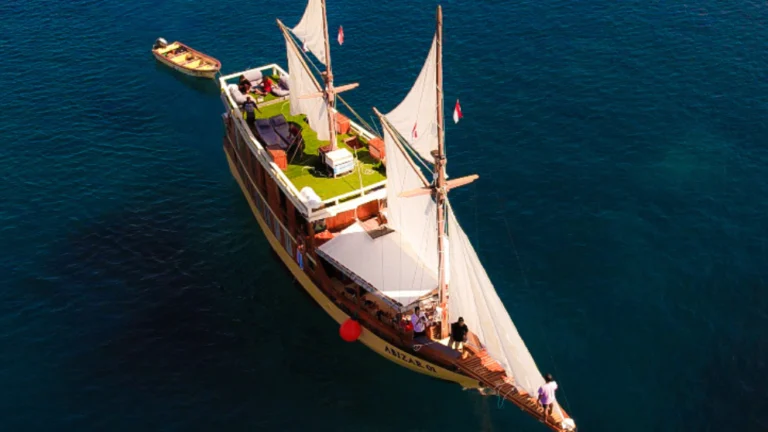
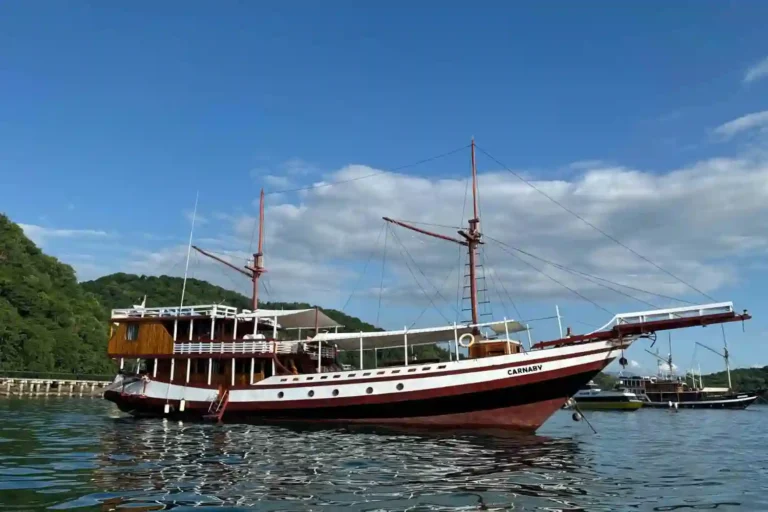
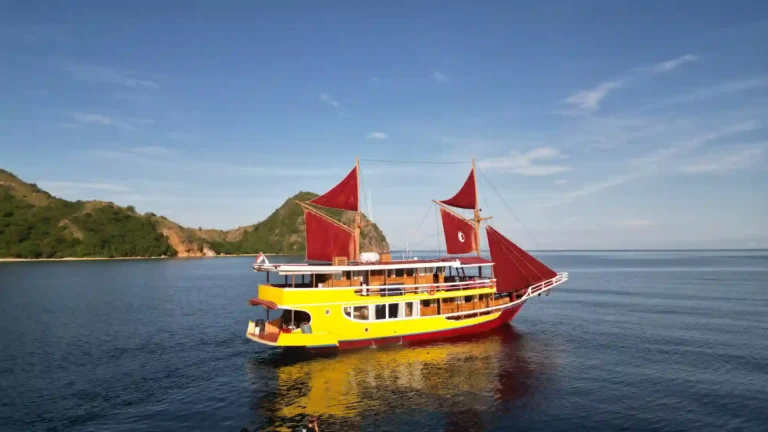
Compare 12 bookable boats that include Siaba Besar on published itineraries.
Who This Suits
Right for: first-time divers, nervous snorkellers, children, and mixed groups where one person dives and another does not. Guidance for the park puts sheltered sites like this at ten to twenty logged dives with an Open Water certification, and it is where introductory dives happen for a reason.
Also right for experienced divers willing to slow down. The sand slope is a macro site, and the people who leave Siaba unimpressed are usually the ones who swam it at pace looking for something large.
Not right for: anyone whose priority is big-animal action or current diving. There are no mantas here and no pelagic show. If your trip includes only one dive and you want the Komodo of the videos, that is Batu Bolong or Manta Point. Siaba is the site that makes the rest of the trip possible — it is where you find out whether your weighting is right before it matters.
What to Bring
- Your own mask if you own one. Long comfortable sessions are where a leaking rental ruins a stop.
- A rash guard. The water is warm, the sun is not the problem you notice until later.
- A camera. If you take one underwater photograph on the whole trip, take it here.
- A 3 mm suit or shorty for diving; central Komodo runs around twenty-six to twenty-eight degrees.
- An SMB if you dive, as standard practice in the park even on calm sites.
- Water and something to eat. There is nothing on the island.
Safety Notes
The risk here is to the reef, not to you. That inversion is worth stating: this is the calmest named site on the route, and the main hazard is a group of new divers with unsettled buoyancy over coral at four metres. Sort your weights on the boat, stay horizontal, and do not stand up.
Turtle etiquette is a safety rule for the animal. Turtles must surface to breathe. Do not position yourself above one, do not follow closely, and give any animal moving upward a clear path. Crowding a turtle against the reef is the most common bad behaviour at this site.
Sun and surface traffic. Snorkellers spend a long time face-down here because it is comfortable, which is exactly how people burn badly. Boats also move through the bay, so surface with an eye up and stay inside whatever area your guide marks.
Follow the call. Even a gentle site changes with tide and weather. If a crew moves the stop or shortens it, that judgement is worth more than the itinerary printed at booking.
Photography Notes
This is the easiest underwater photography in Komodo and the best place on a trip to learn it. Shallow, bright, calm and full of a subject that holds still: if your turtle photographs from Komodo are going to work anywhere, they will work here.
Get low and shoot slightly upward, so the turtle has water and light behind it rather than sand. Photographs taken looking down at a turtle on coral almost always read flat.
Sun matters more than gear. The white sand reflects light back up through the coral garden, and on a bright day the site needs no strobe at all in the shallows. On an overcast day the same reef photographs grey.
The etiquette is the photography advice. Do not chase, do not block a turtle’s route to the surface, and do not corner one against the reef for a frame. A resting turtle approached slowly gives you a minute; a pursued one gives you a photograph of a shell leaving.
Entrance Fee
Siaba Besar is inside Komodo National Park, so park entry applies. Nothing is collected at the site — there is no ranger post, no jetty and nobody stationed there — so your operator handles it as part of the trip through the park booking system.
We do not publish fee figures anywhere on this site. The structure has been revised more than once in recent years and access now runs through the SIORA system, so any number written here would eventually be wrong while still reading as official. Ask your operator for the current breakdown before you pay a deposit, and confirm whether park entry, marine tourism charges and any diving component are inside the quoted price or added separately.
Frequently Asked Questions
When is the best time to visit Siaba Besar?
Early morning or late afternoon, and the reason is other divers rather than weather. This is the park default for check-out dives, so mid-morning is when groups of brand-new divers enter the water and the shallow coral garden gets stirred up. Arriving before or after that leaves you a clean, bright bay. Seasonally, the dry months from roughly April to November bring the most settled seas, and central Komodo visibility commonly runs between fifteen and twenty-five metres, varying with tide and season rather than following a simple calendar.
How deep is Siaba Besar and how strong is the current?
Shallow where it matters and gentle throughout. The coral garden sits at roughly four to six metres, which is why snorkellers see as much as divers here, and the sandy slope runs deeper with one profile giving a maximum around twenty-two metres. Current is consistently described as very light — this is one of the few Komodo sites where no source hedges. That shelter is the site’s entire identity: it sits in a protected bay rather than in a channel, so the tidal flow that defines Batu Bolong or Manta Point barely reaches it.
Is Siaba Besar good for beginners and children?
It is the site the park uses for exactly that. Published guidance puts sheltered sites like this at around ten to twenty logged dives with an Open Water certification, and dive centres run introductory dives and check-out dives here specifically because the conditions forgive mistakes. For snorkellers and children, shallow calm water over a coral garden with turtles in it is about as good as an introduction gets. The main thing to prepare for is sun rather than water: people stay in far longer here than at busier, choppier sites.
Is the national park fee included at Siaba Besar?
Usually, but confirm the breakdown. Siaba Besar is inside Komodo National Park and nothing is collected on site, so entry is arranged by your operator through the park booking system as part of the trip. What varies is whether every component sits inside the headline price. Ask before paying a deposit. We deliberately publish no fee figures: the structure has changed repeatedly in recent years, and an outdated number that looks authoritative causes more trouble than no number at all.
Can you visit Siaba Besar on a day trip from Labuan Bajo?
Yes, though it sits at the further end of day-boat range — published travel times run to roughly two to four hours depending on the vessel and conditions. Day boats do bring new divers here regularly, which is part of why the site is busy underwater. A liveaboard reaches it as a matter of course, usually pairing it with Batu Bolong and Manta Point in one central Komodo day, and can take the early or late slot rather than the middle one. If clean water and an empty reef matter to you, that timing flexibility is the difference.
What is the difference between Siaba Besar and Siaba Kecil?
They are two islands with the same name and different sizes — besar means large, kecil means small. The site almost everyone means by Siaba is the sheltered north-west bay of Siaba Besar, which is where the coral garden and the turtles are. Siaba Kecil is the smaller neighbour and is not the calm beginner site; anything described as difficult or current-swept under the Siaba name is not this bay. The nickname Turtle City is attached to Siaba Besar by most sources, although it is used loosely in the park for other reliable turtle spots too, so check which site an itinerary actually names.
Are you guaranteed to see turtles at Siaba Besar?
No, and anyone promising otherwise is selling. What is true is that this is the most reliable turtle site on the standard route, reliable enough that the nickname stuck: green and hawksbill turtles use the bay to rest and feed, and multiple sightings on a single dive or snorkel are normal rather than lucky. The reason is habitat rather than habit — sandy patches, seagrass edges and healthy reef give turtles somewhere to sleep, eat and get cleaned. Your odds are best when the water is calm and the group ahead of you has not just churned the shallows. Move slowly, and let the animals come to you.
How far is Siaba Besar from Labuan Bajo?
Roughly two to four hours by boat depending on the vessel and the sea. That places it in central Komodo alongside Batu Bolong, Tatawa and Manta Point rather than among the near-port stops like Kelor and Manjarite, which is why it appears in the middle of a day rather than at the start. For liveaboards it is a natural first-morning site, close to the anchorages boats use after their opening evening, and it is commonly the first time guests get in the water on a multi-day route.
What the Park Costs
| What you pay | Amount | Basis |
|---|---|---|
| Park entrance, foreign visitor | Rp 250,000 ≈ $14 | per person, per day The statutory Class I entrance rate. The 150% holiday rule applies to Indonesian visitor and student rates, not this foreign visitor rate. |
| Park entrance, Indonesian visitor, normal day | Rp 50,000 ≈ $3 | per person, per day The normal-day Class I entrance rate. |
| Park entrance, Indonesian visitor, holiday or collective leave | Rp 75,000 ≈ $4 | per person, per day 150% of the normal Indonesian visitor rate on the dates covered by the statutory holiday rule. |
| Indonesian student group, normal day | Rp 25,000 ≈ $1 | per person, per day For Indonesian student groups of at least five people. |
| Indonesian student group, holiday or collective leave | Rp 37,500 ≈ $2 | per person, per day 150% of the normal student-group rate; the minimum group size remains five. |
| Scuba diving activity | Rp 25,000 ≈ $1 | per diver, per day A separate activity charge in addition to the applicable entrance fee. |
| Motorised vessel entry | Rp 100,000–200,000 per boat, per day | Rp 100,000 for 40–100 HP, Rp 150,000 for 101–500 HP, and Rp 200,000 above 500 HP. |
| Drone use | Rp 2,000,000 ≈ $112 | per unit, per day A separate special-use charge. Complete the required SiOra/SIMAKSI process before travel. |
- SiOra is the park’s e-ticketing and SIMAKSI system. Reserve before travel; Ministry guidance recommends completing the reservation by H-1. An operator can assist, and self-service is available at the Komodo Visitor Center and KP3 terminal.
- Payment is cashless through the methods available in SiOra, including BRIVA or bank transfer and supported e-wallets. Keep the e-ticket and ensure the traveller details are correct.
- A 1,000-visitor daily quota has applied since 1 April 2026 to the main visitor islands and 23 dive sites. Availability therefore depends on the travel date and registered itinerary.
- The final SiOra total can include entrance, activity, vessel and special-use charges. Ask the handling operator for an itemised total before issuance.
- Official public guidance does not state one universal refund or rescheduling rule for every reservation. Confirm the current SiOra terms in writing before the ticket is issued, including treatment of weather disruption.
Statutory fees under Peraturan Pemerintah No. 36 Tahun 2024, in force since 30 October 2024. Verified 31 August 2026 against the official PP 36/2024 schedule, the Ministry of Forestry SiOra notice and the Ministry’s 2026 quota notice. Amounts are payable in rupiah; dollar figures are courtesy estimates converted at Rp 17,900 and rounded.
Marine Life
Activities
Cruise Areas
Location
-
Siaba Besar Island, Manggarai Barat, East Nusa Tenggara, Indonesia




Add a review