
Snorkelling Near Labuan Bajo: Compare Access, Exposure and Experience
The sheltered eastern islands hold the calmest, most beginner-friendly snorkelling in Komodo - site by site, with conditions and who each suits.
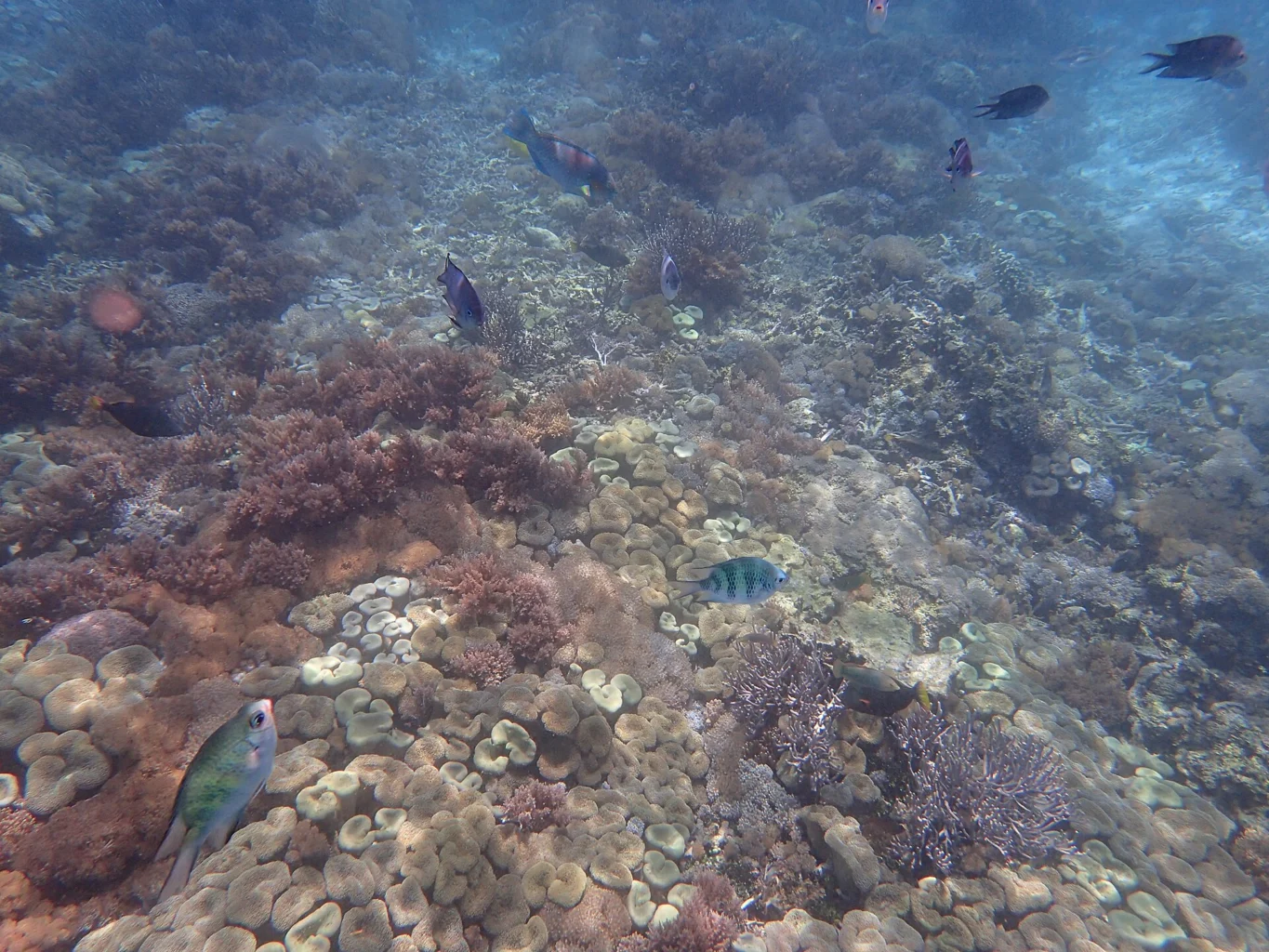
Snorkelling near Labuan Bajo can work for different experience levels, but the island name alone does not tell you whether today’s entry is suitable. Tide, wind, current, boat traffic and the available guide change the decision. Use the sites below as a shortlist to discuss with the crew, then assess the actual conditions before entering.
Choose a stop by access and exposure
| Area | Entry and exit questions | Check with the guide |
|---|---|---|
| Kelor Island | Beach or tender? Ask for the exact entry, swim area and return point. | Current around points, boat traffic and whether the guest can finish early. |
| Kanawa Island | Which shallow route has enough clearance at today’s tide? | Wind, coral depth, landing permission and an exit without standing on reef. |
| Sabolon Islands | Which island and side are being used, and where is pickup? | Exposure, distance from the boat and the in-water guide arrangement. |
| Sebayur | Which specific reef and boat entry does the operator mean? | Reef-edge current, pickup and whether a shorter route is possible. |
| Siaba Besar | Where will the tender place and collect this group? | Surface movement, group spacing and the agreed exit signal. |
These are possible snorkelling areas, not fixed difficulty ratings. Even a sheltered beach can have an unsuitable entry or changing current; a life vest does not turn a non-swimmer into an independent snorkeller. The guide should be ready to substitute a site or skip a stop.
Kelor: short outing, variable edges
Kelor is often considered for a combined beach and viewpoint stop. The snorkelling area should be identified separately from the hiking route. Ask where the group enters, how far it will travel and which edges of the island or channels to avoid. A short swim close to shore may be enough; do not continue around a point because it appears close from the beach.
Kanawa: shallow access still requires assessment
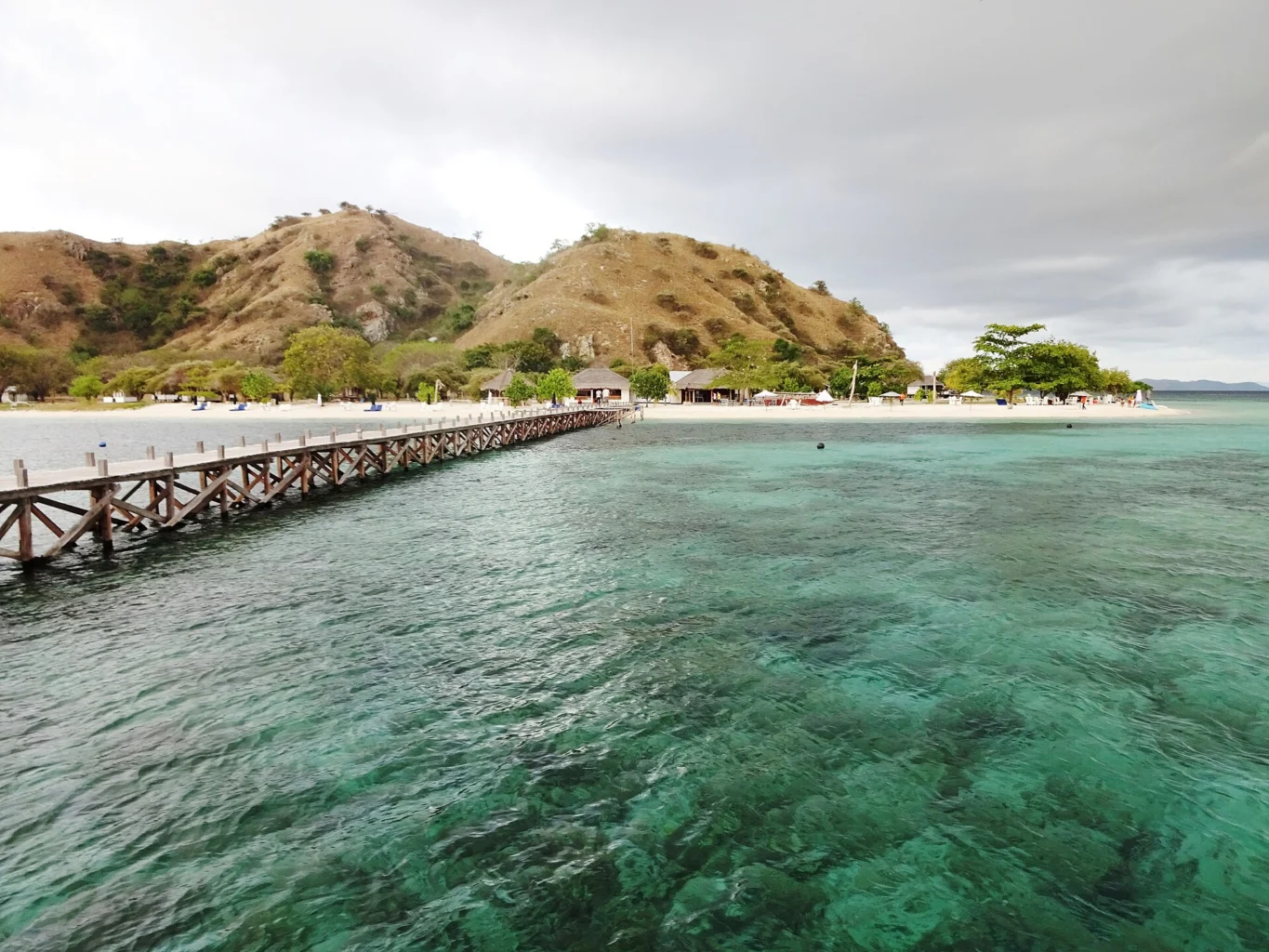
Kanawa is often described as beginner friendly because visitors may find shallow reef access, but “usually calm” does not describe the precise tide and wind at your arrival. Confirm whether the planned route avoids standing on coral, whether the tide leaves enough clearance, and whether the guide enters the water. A nervous guest can try breathing with a well-fitting mask under supervision before going farther.
Sabolon and Sebayur: compare the actual side used
Itineraries may name Sabolon or Sebayur without specifying the entry point. Ask whether the crew plans a beach or tender entry and which side offers a suitable sheltered route. A reef edge may have more fish and more water movement than a protected patch. Prefer the briefed route over an island-wide claim of “mild current.”
Siaba and other more distant stops
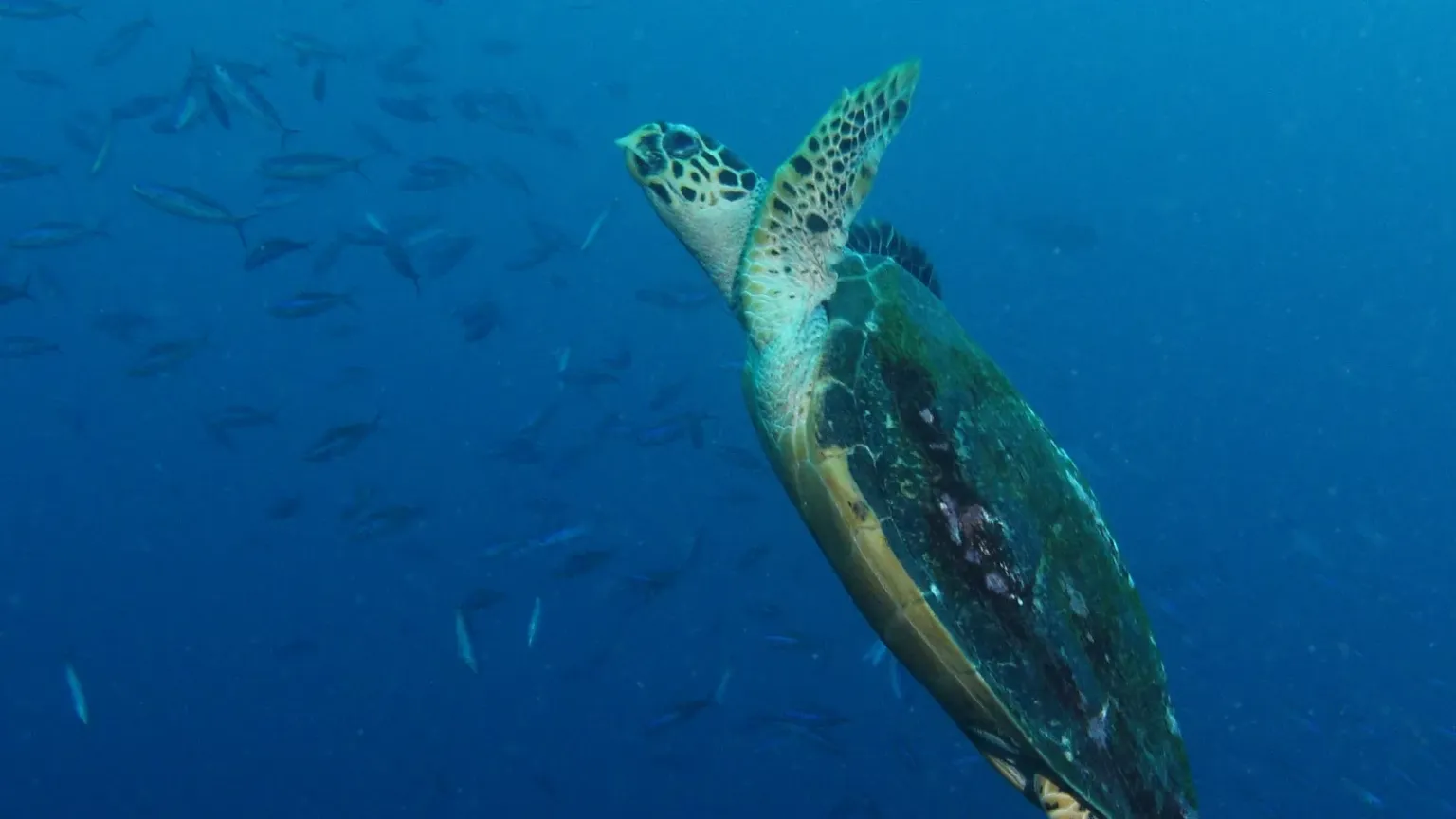
Siaba Besar is often associated with turtle viewing, but no animal sighting is guaranteed. Look for the briefing on surface conditions, entry, group spacing and pickup. More distant stops such as Manta Point are a different decision: a strong current at a surface snorkelling site may rule it out for a particular group, even if the stop appears on the itinerary. A sandbar visit at Taka Makassar also depends on tide and access, and is not automatically a snorkelling session.
What makes a site suitable for your group?
- Ability: Tell the guide honestly whether anyone cannot swim, tires quickly or is new to snorkelling. The appropriate choice may be staying aboard. Use the swimming and snorkelling safety questions to check supervision, flotation and the exit plan before choosing a stop.
- Supervision: Ask who is in the water, who watches from the boat and how the group is recalled.
- Flotation and fit: Test a correctly sized device and mask before the boat leaves or before the stop.
- Exit: Confirm the ladder or beach exit, pickup point and procedure if current changes.
- Habitat: Stay off living coral and keep space around turtles and other wildlife.
Visibility and season are local, daily variables
Clear water can change with plankton, wind, rain, tidal flow and suspended sediment. Avoid a universal “best visibility month” for every site. Ask the crew for observations from recent outings at the same stop, then let the on-the-day briefing decide. A photograph from a previous season cannot certify current conditions.
Choose the right guide for the next decision
For ability, supervision and a boat-only alternative, use Komodo snorkelling for weak swimmers. For masks, fin sizes, flotation fit and rental checks, use the Komodo snorkelling gear guide. The island comparison above helps you ask where; those guides help resolve who enters and with what equipment.
Questions before booking
Which snorkelling stops are planned, which ones can change, and will an in-water guide accompany the group? Is flotation in the right sizes included? How does the captain handle a guest who opts out or a site whose current becomes unsuitable? A written answer is more useful than a generic “beginner friendly” label.
For a Komodo island trip that includes a guided snorkelling day, compare the komodo one day tour and confirm its current snorkelling stops, equipment and supervision directly with the operator.
Safety reference: DAN’s snorkelling guidance explains why local water movement and boat traffic need assessment. It does not rate or endorse these Komodo stops.
