

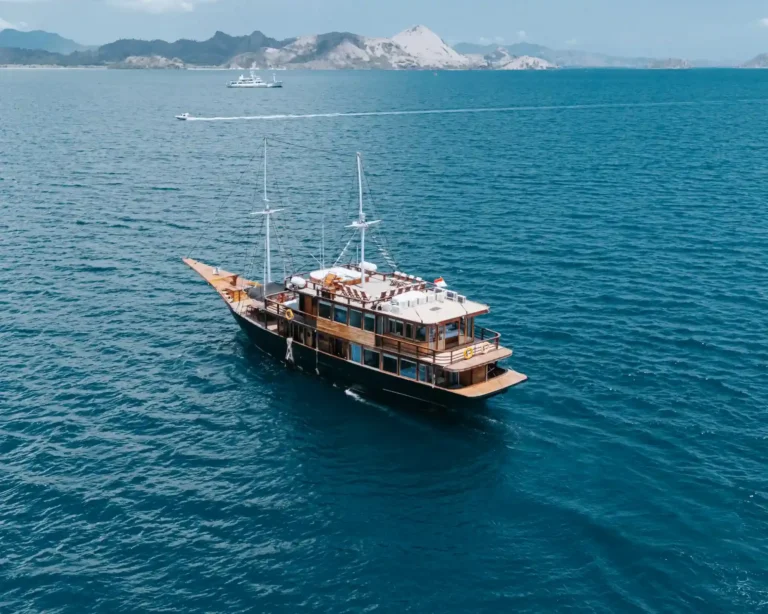
About This Place
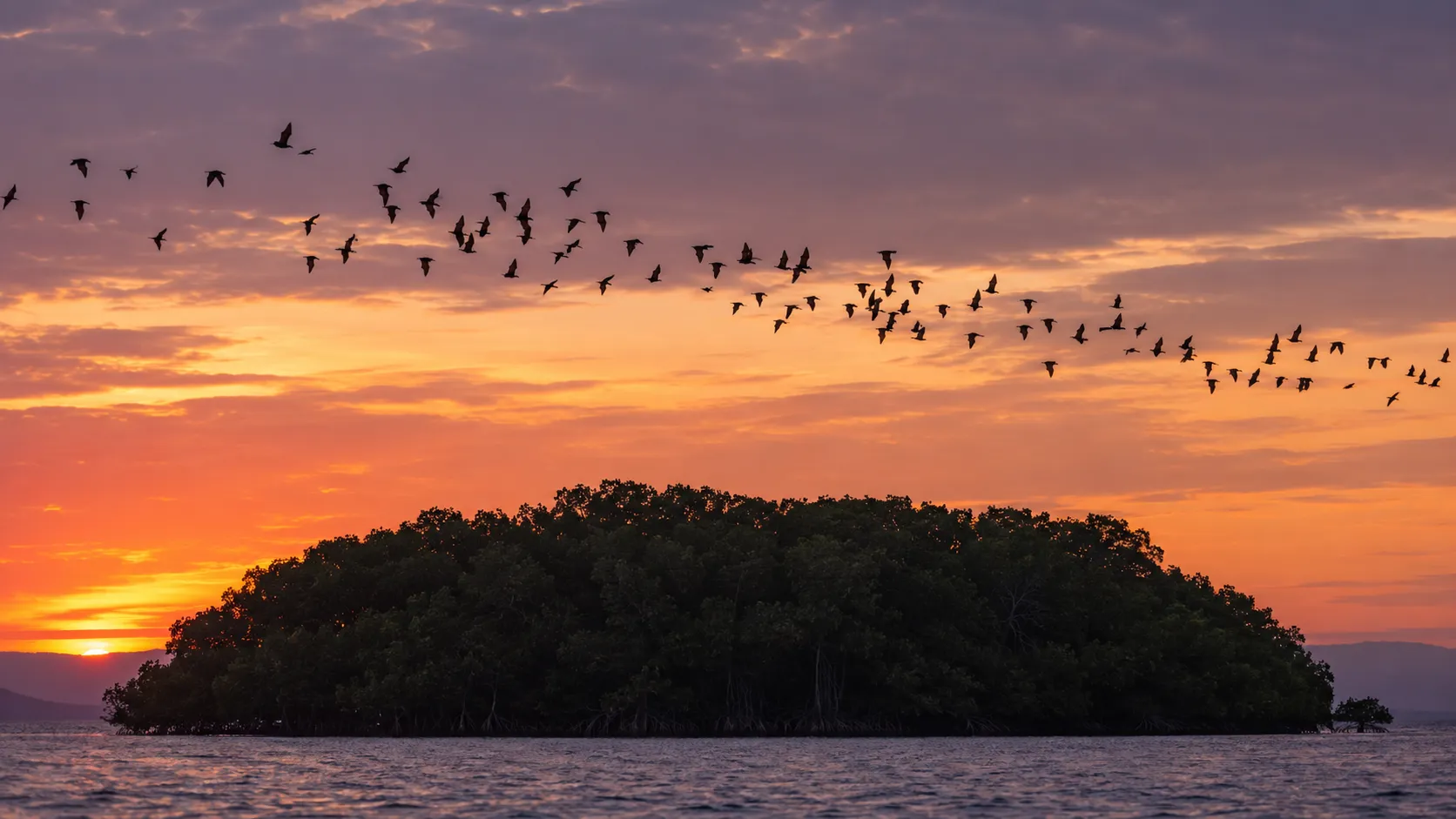
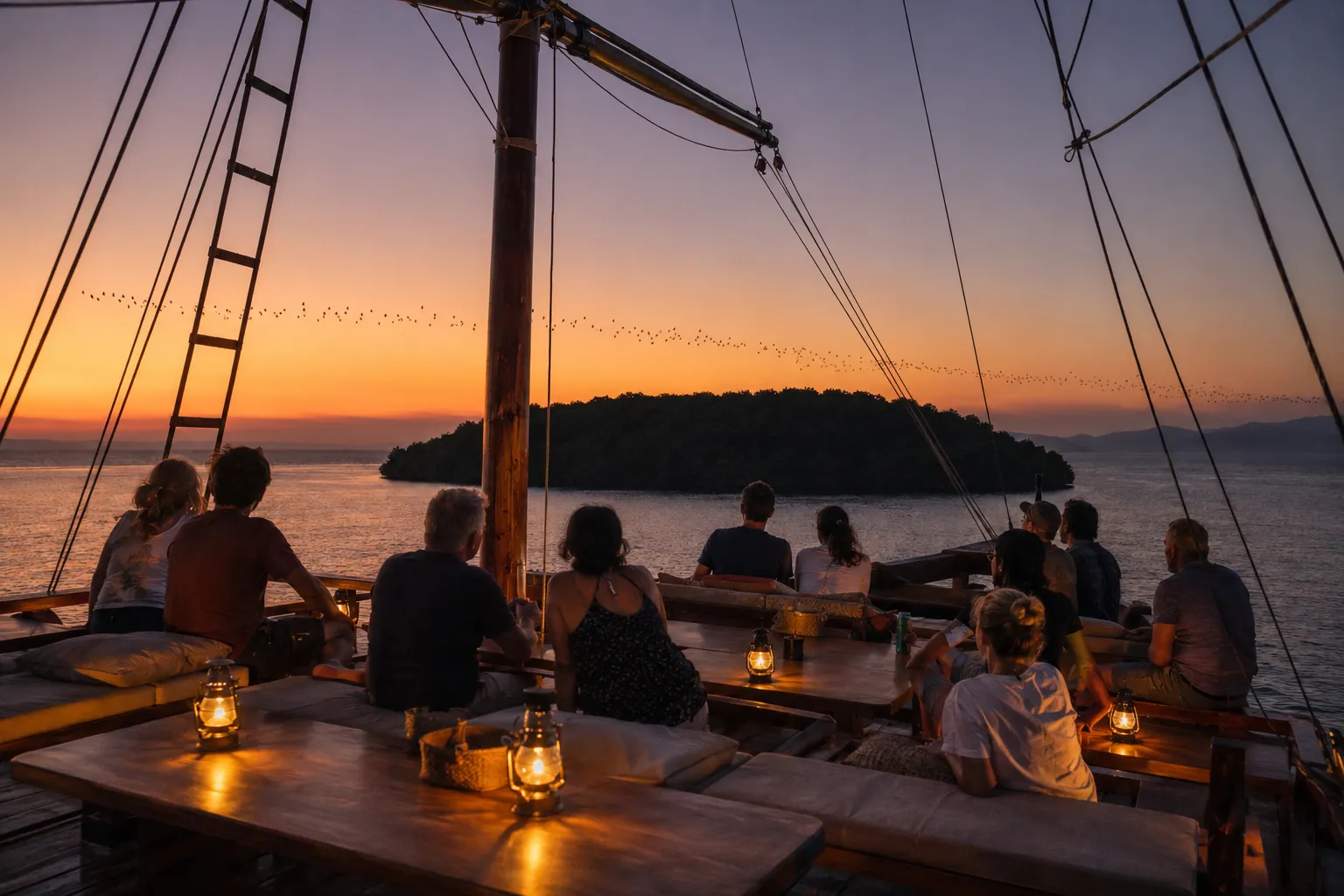
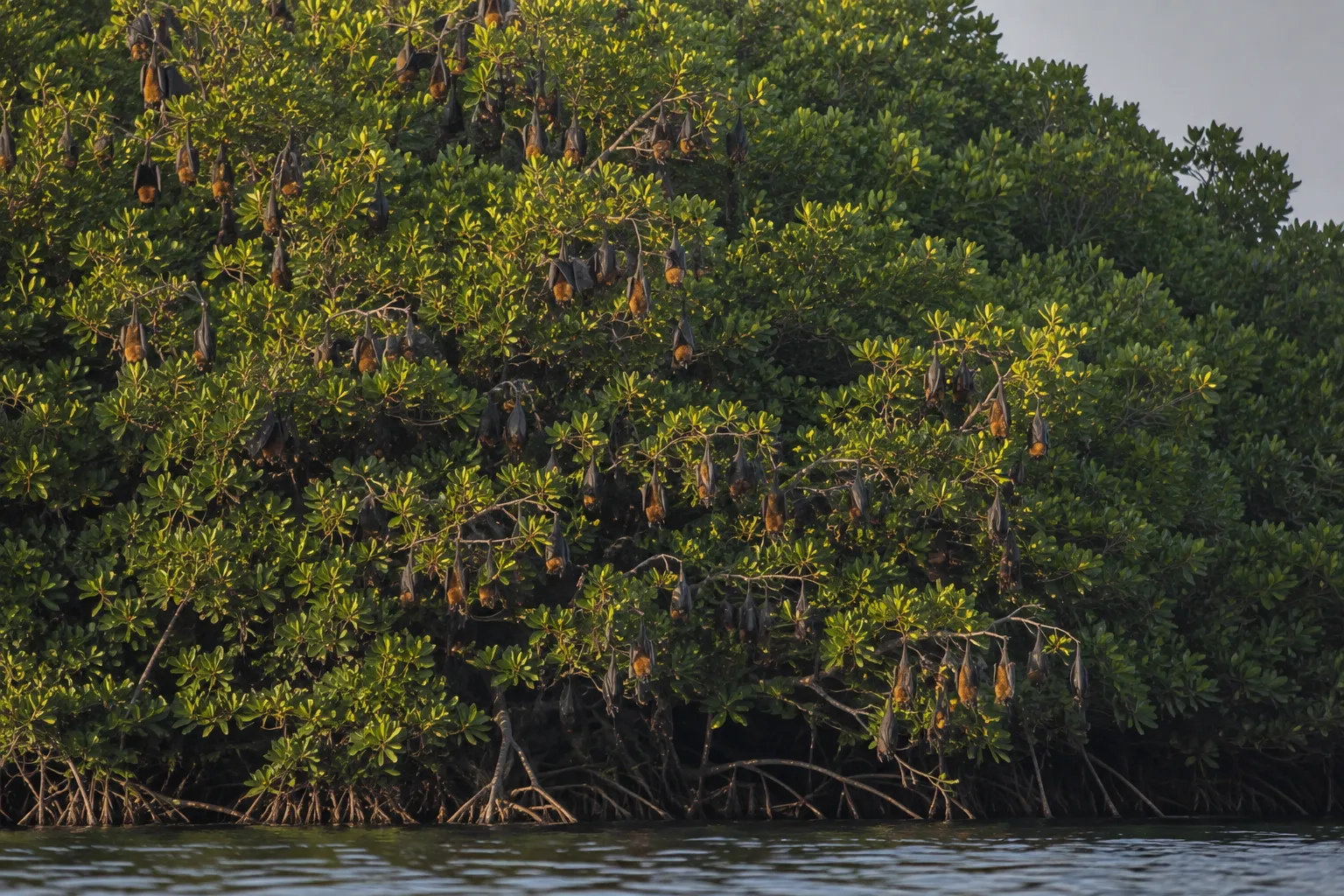
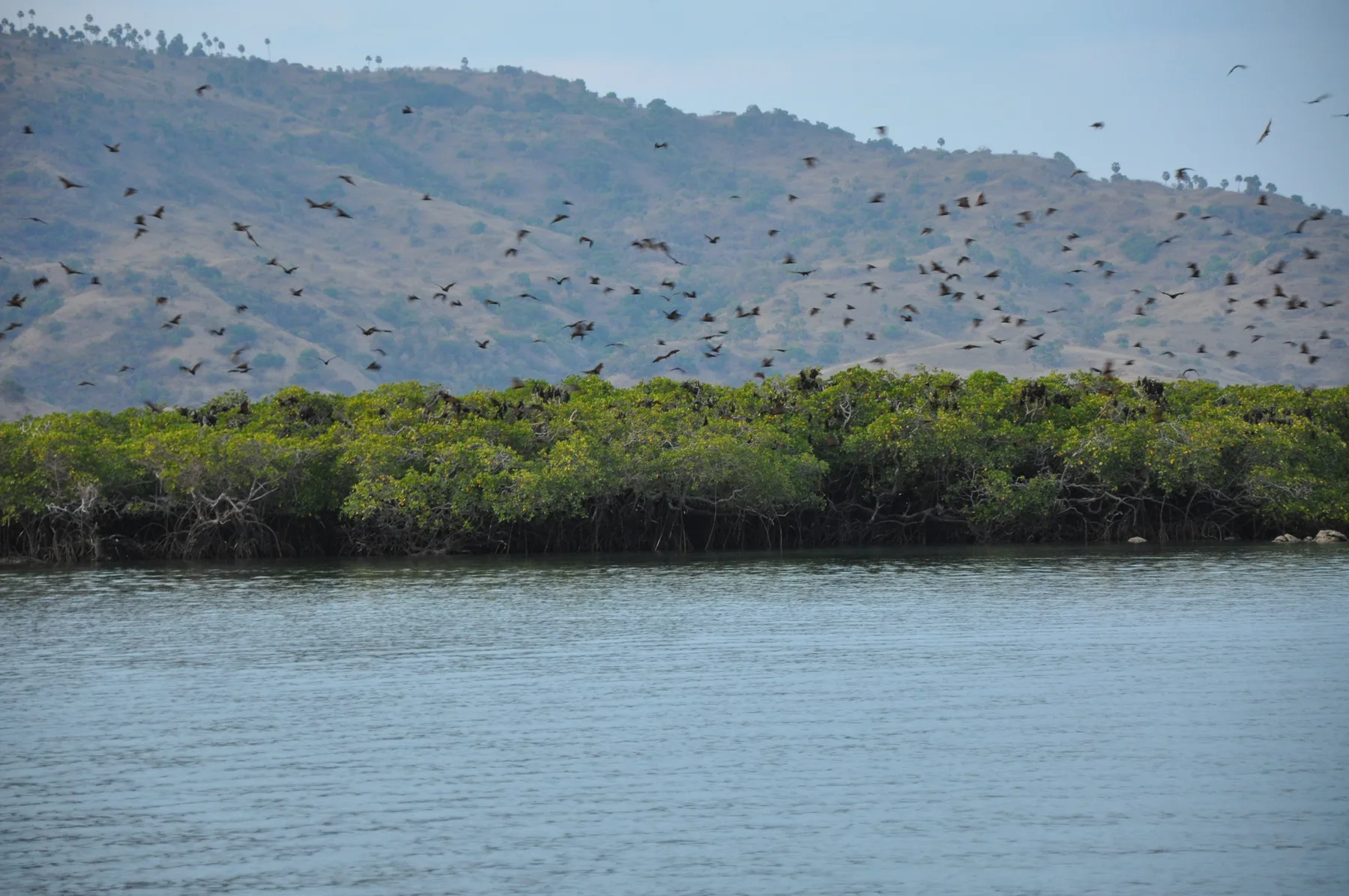
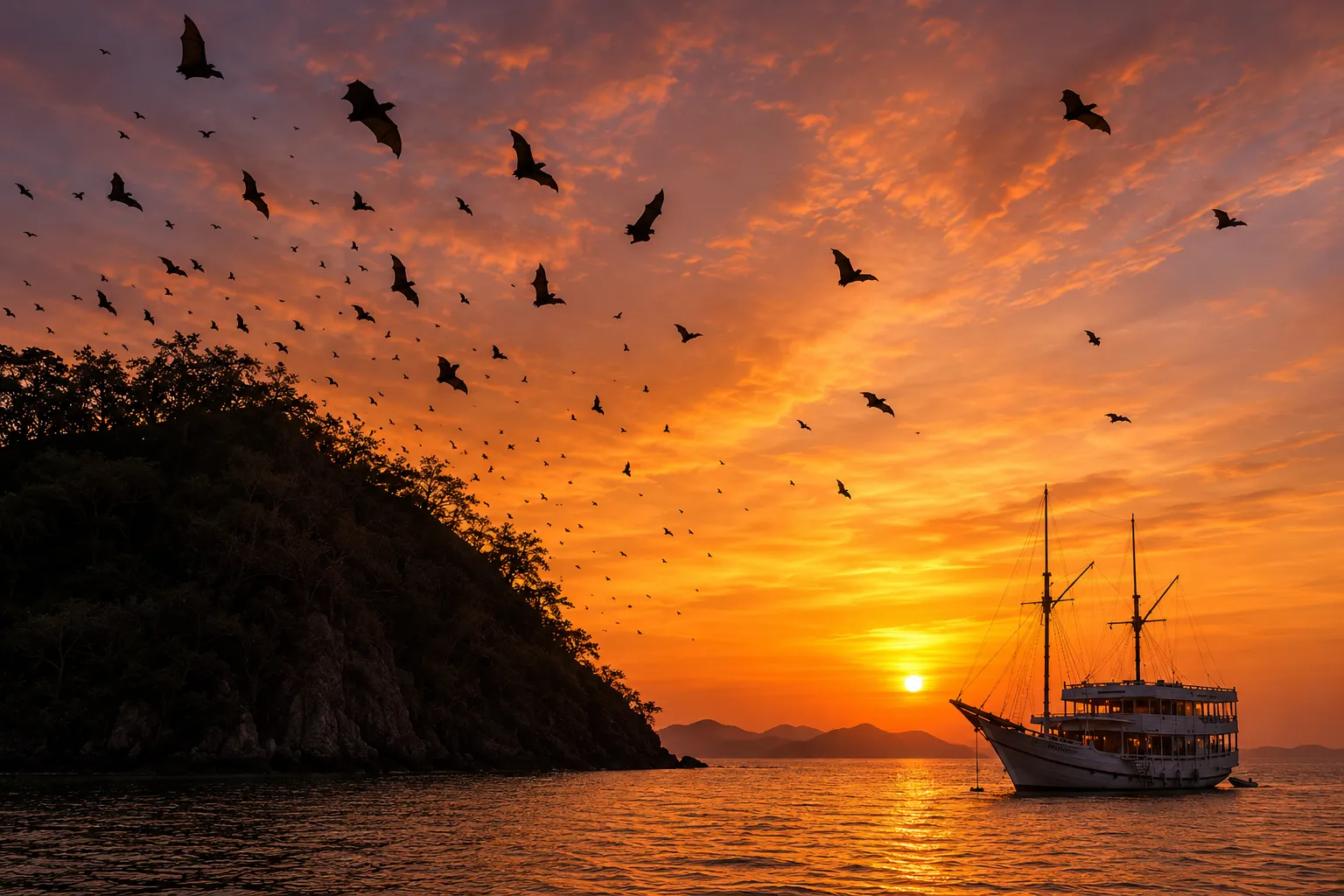
Kalong Island is the only stop in Komodo with a start time set by something other than an operator. Nothing happens there all day. Then, in the half hour around sunset, the mangroves empty and a colony of flying foxes crosses the sky in long ribbons on its way to feed. You watch from the deck of an anchored boat, because nobody is allowed onto the island itself, and the whole thing is over in well under an hour.
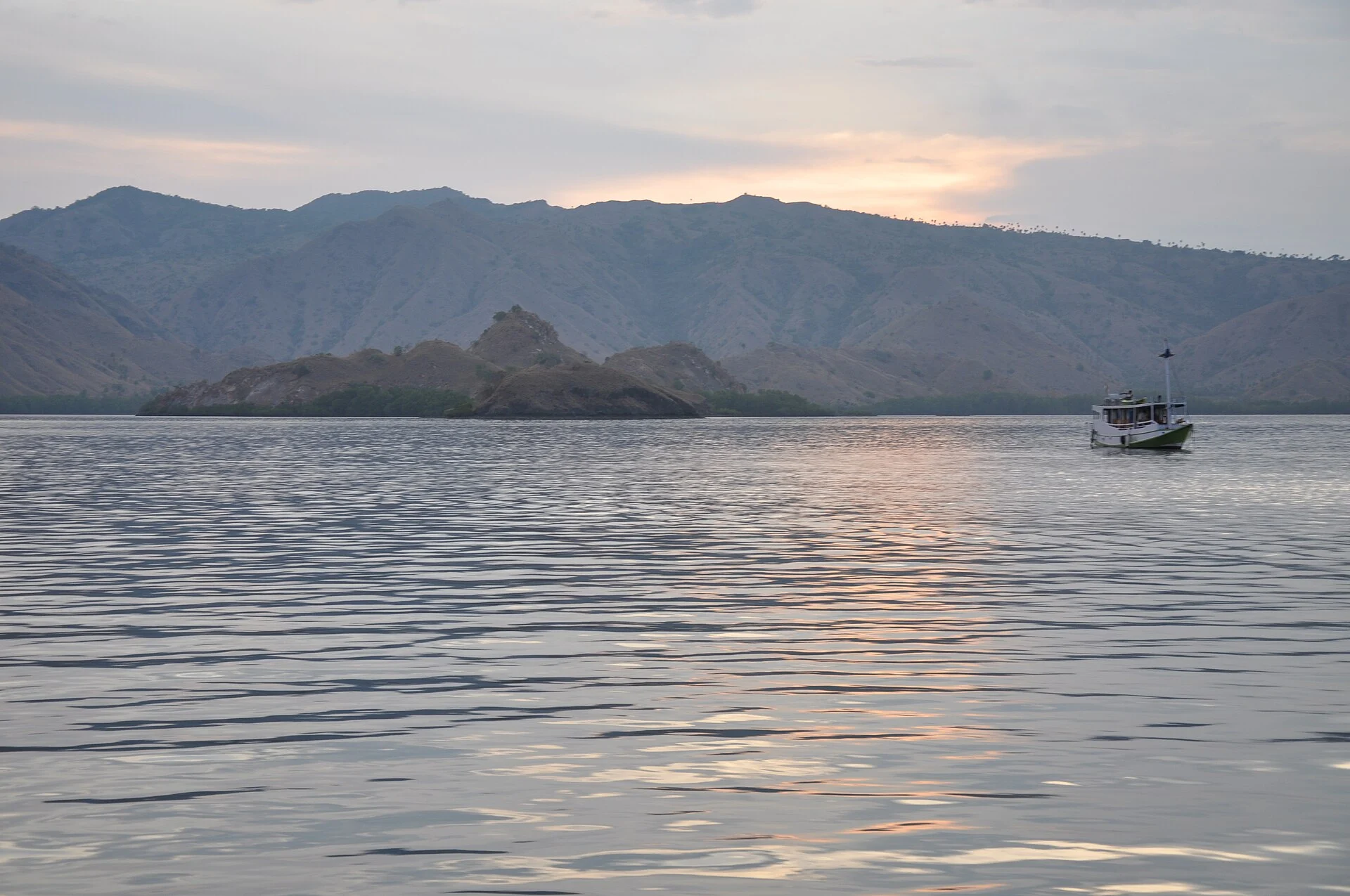
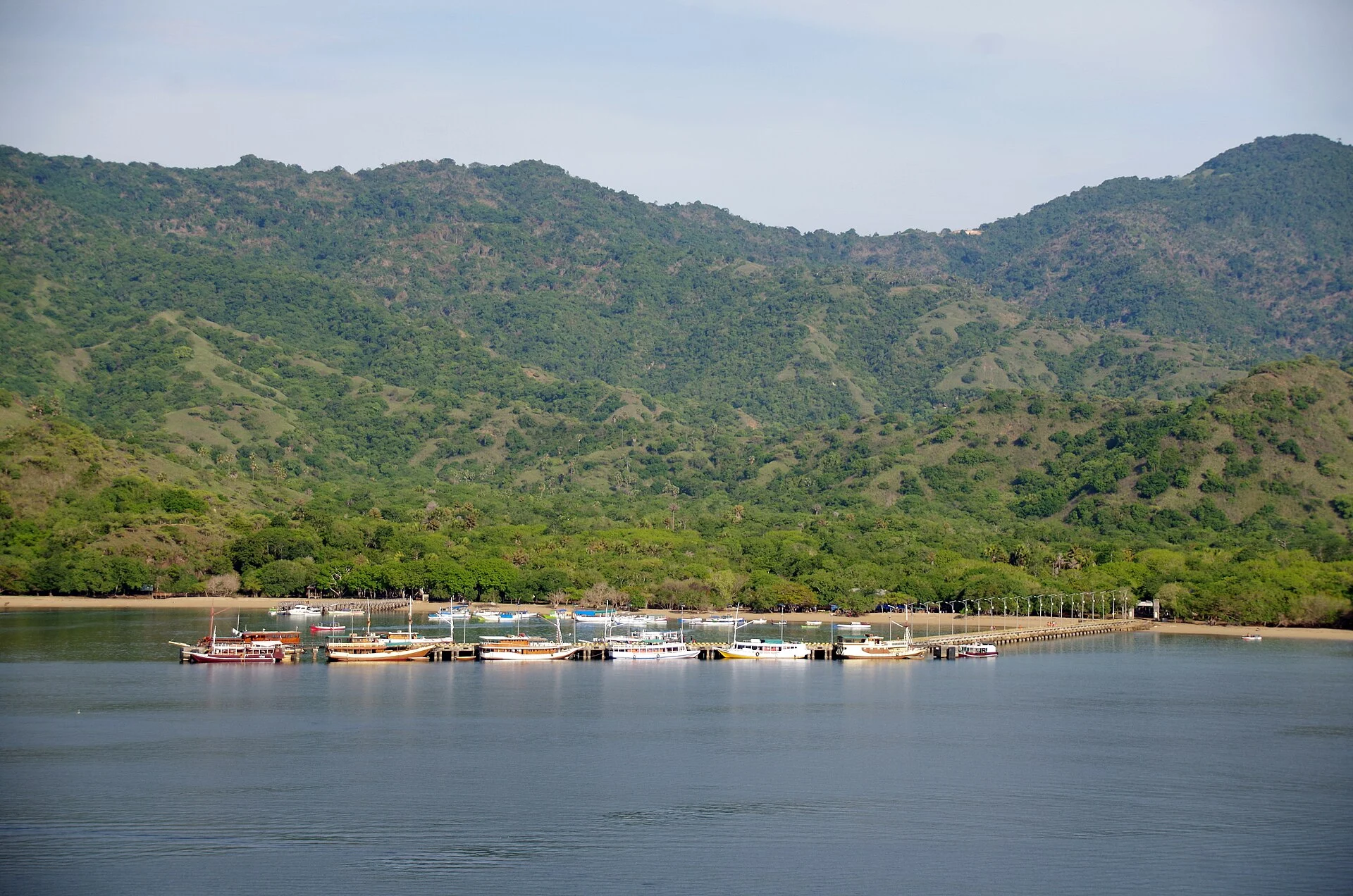
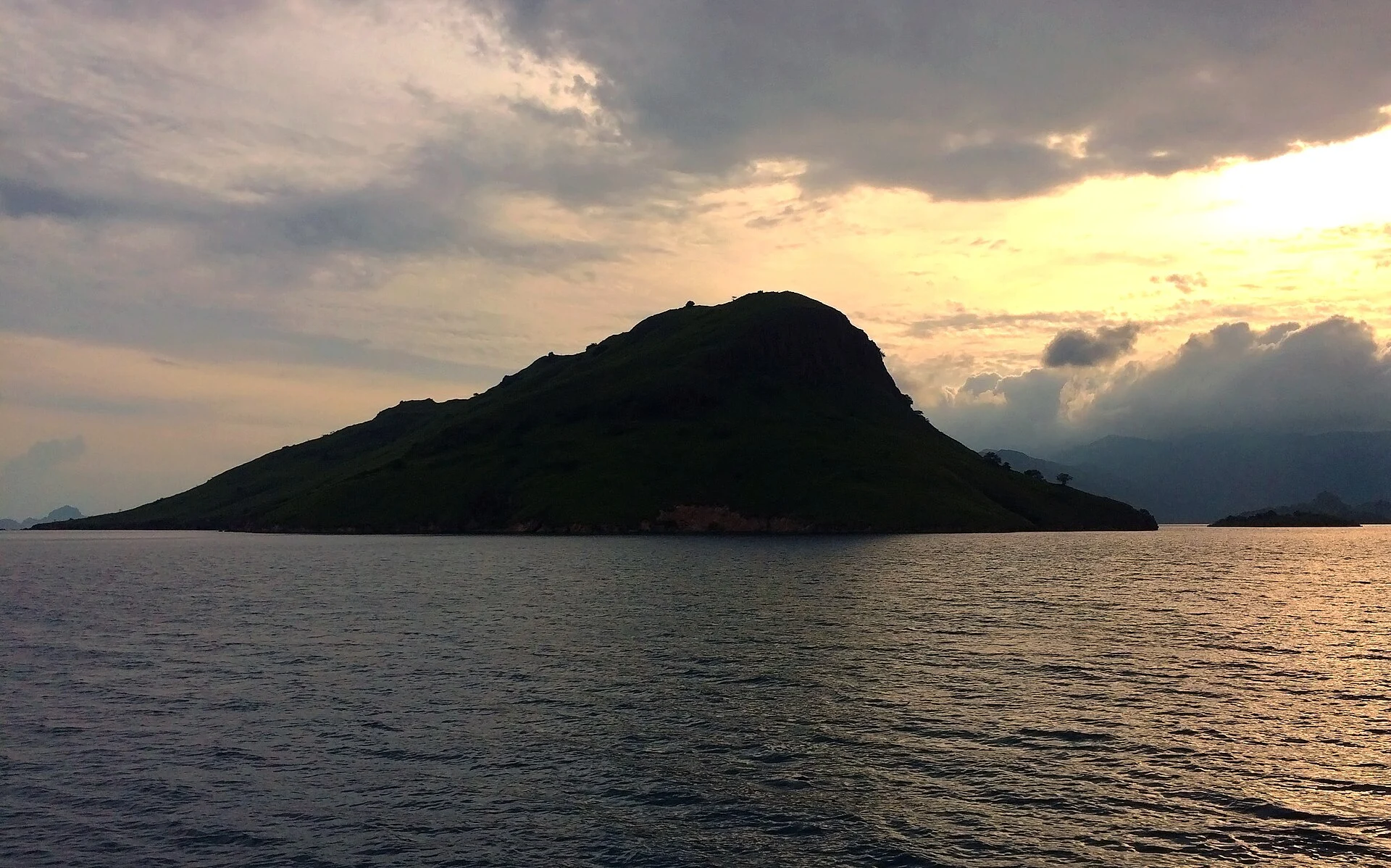
It is a small uninhabited mangrove island inside Komodo National Park — one profile puts it at no more than five hectares. Sources differ on how to place it: some describe it as lying between Rinca Island and Papagarang, others simply as near the main island of Komodo. Both descriptions land it in the same stretch of water between Labuan Bajo and the park’s headline islands, roughly one and a half to two hours out of town, which is exactly why it works as an opening or closing evening on a multi-day route. Kalong is the Indonesian word for large fruit bat, and the island is named after the animals rather than the other way around.
At a Glance
- Also known asPulau Kalong, Flying Fox Island, Bat Island Komodo, Kalong
- TypeIsland, Wildlife Site, Bay / Anchorage
- Inside Komodo National ParkYes
- How to get thereLiveaboard, Speedboat Day Trip, Fast Boat
- Travel time from Labuan BajoAbout 1.5 to 2 hours by boat
- LandingMooring / dinghy
- Last checked2026-09-12
What to Expect
The timing is consistent, the drama builds slowly. Published accounts converge: the first bats lift around half past five, numbers peak between six and half past, and the flight tapers off over roughly thirty to forty-five minutes as the light goes. Heavy weather can shift it by twenty or thirty minutes. It happens nightly, year-round.
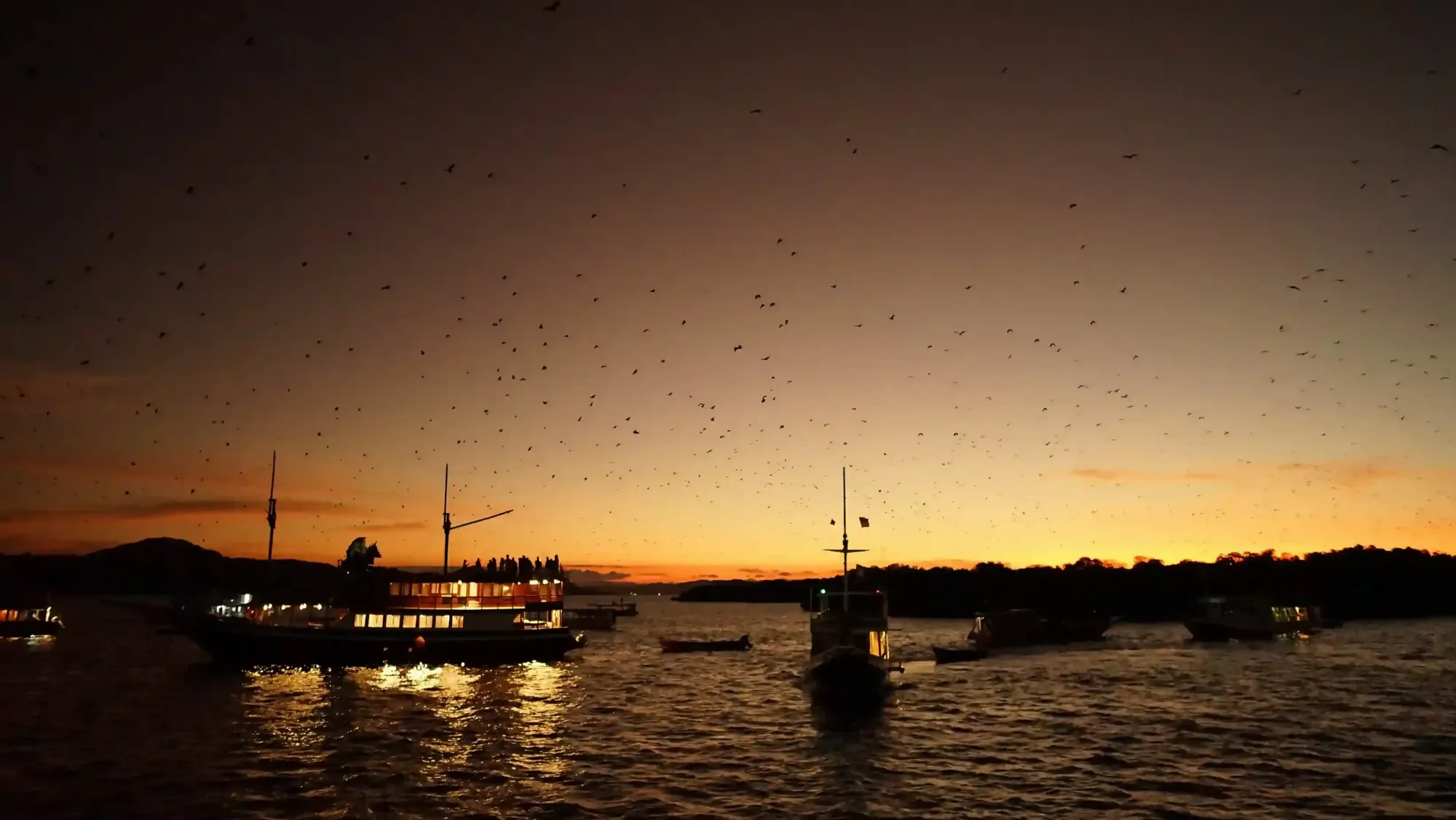
How many is genuinely unclear. Operators reach for thousands. One puts the colony at five to six thousand. Reviewers describe hundreds, then correct themselves mid-sentence to thousands. We have not found a survey behind any of these figures, so treat every published count as an estimate rather than data. What is not in dispute is the effect: it starts as a handful of specks and becomes a continuous stream overhead, and several first-hand accounts describe expecting to be underwhelmed and then not being.
They are big and they are harmless. One operator gives wingspans up to about a metre and a half. Flying foxes eat fruit and nectar, they are not aggressive toward people, and they cross well above deck height on their way to the fruit trees of Flores and the neighbouring islands.
What it is not: a swimming stop, a landing, or a walk. The boat anchors a few hundred metres off the mangrove edge and stays there. Most crews serve drinks on the deck and let the sky do the work.
Crowds and Timing
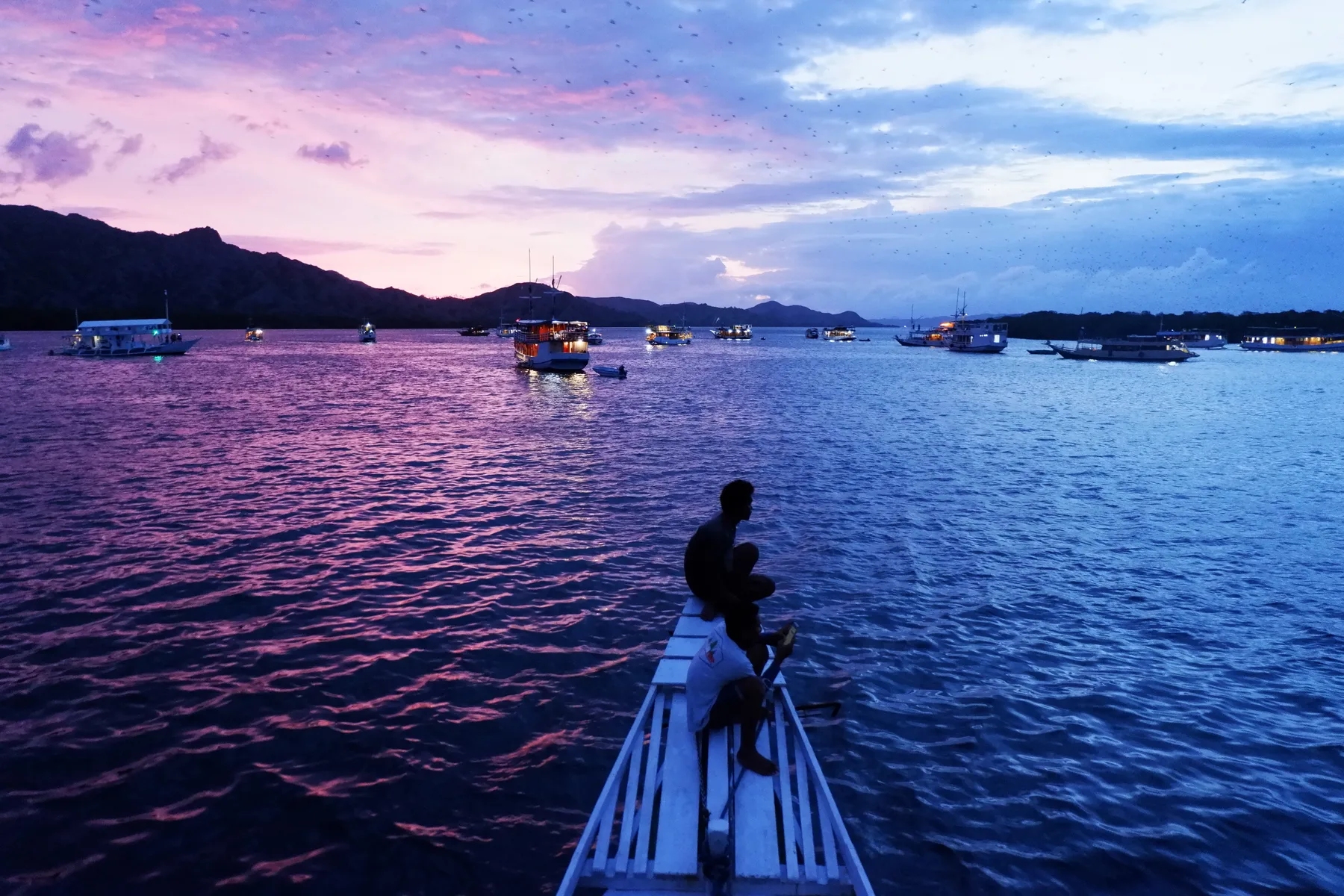
Kalong is crowded in a way no other Komodo stop is, because the crowd is boats rather than people. Everyone arrives inside the same twenty minutes before sunset, and the fleet lines up in front of the same stretch of mangrove: liveaboards, day boats and small local craft together.
The upside of a no-landing rule is that none of this becomes a queue. Nobody is competing for a path or a viewpoint. What it costs you instead is engine noise and manoeuvring at exactly the moment you want quiet, and a sky full of other people’s masts in your photographs.
July and August are the busiest months. The practical fix is position rather than timing, since you cannot arrive early enough to avoid the fleet and still see anything — a crew that anchors on the outside edge of the group, upwind of the engines, gives you a materially better half hour than one that noses into the middle. Boats staying the night are usually already settled while day boats are still arriving.
Dive and Snorkel Profile
- CurrentMild
How to Visit
Whether a day trip reaches Kalong is a real dispute. One operator describes the most common Labuan Bajo day-trip format as a Rinca trek, an afternoon snorkel and a sunset stop at Kalong before heading back. Another states plainly that day itineraries return to port before sunset and miss the exodus entirely. Both are describing real trips. The difference is whether an operator is willing to run the final leg back to Labuan Bajo after dark.
So ask that question directly: does the boat stay for the bat flight, and what time does it dock? An itinerary that lists Kalong but docks at six has listed a sunset it will not be present for.
On a multi-day trip it is close to automatic. The bay is sheltered and shallow, which makes it a standard first-night anchorage: board in Labuan Bajo, sail in, watch the exodus, sleep there. Some routes save it for the final evening instead. The Komodo Tour 3 Days 2 Nights and the Komodo Tour 2 Days 1 Night both normally include it; on Komodo Diving Liveaboard Trips it is often the first thing you see.
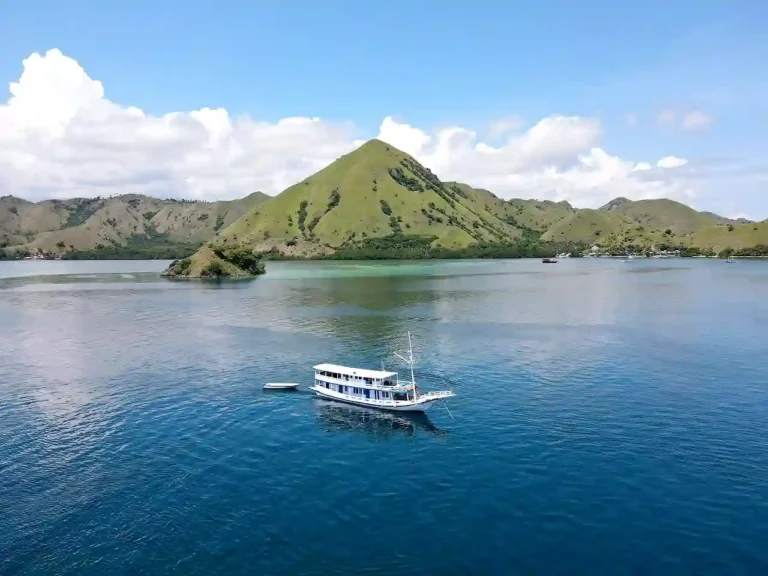
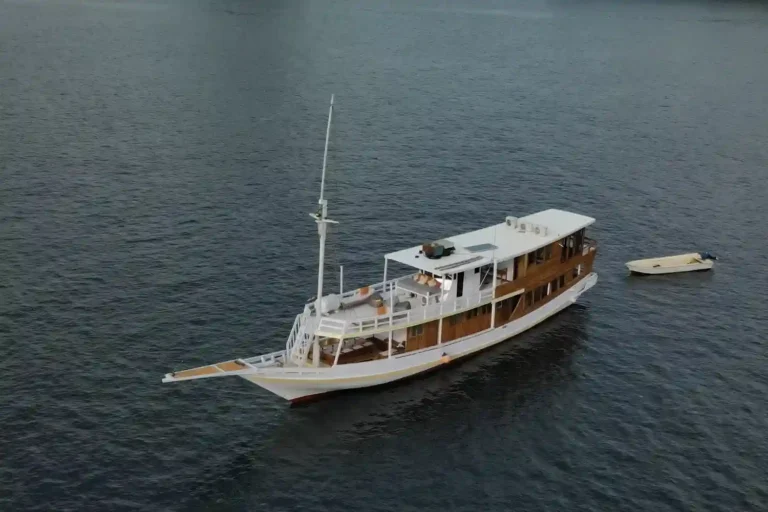
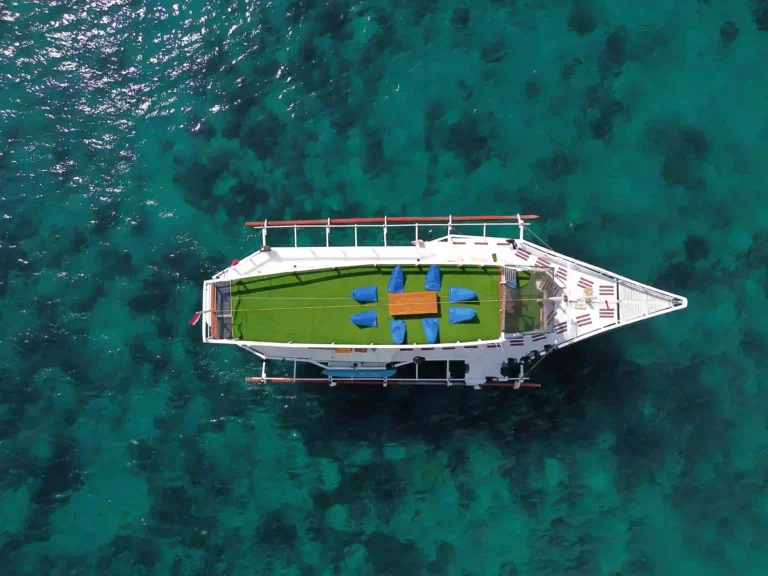
Boats That Sail Here
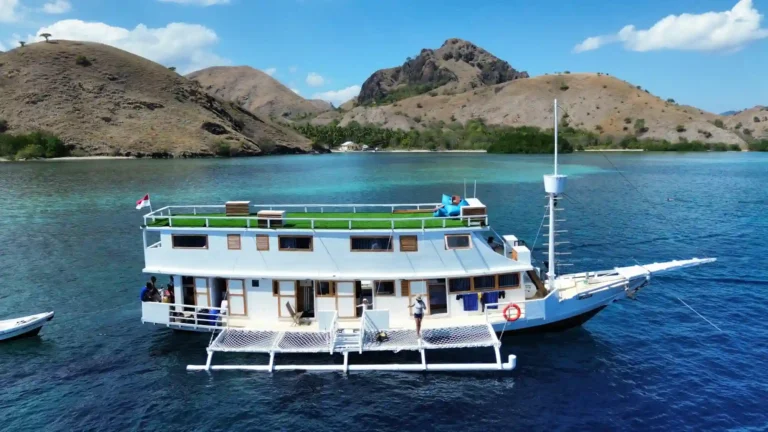
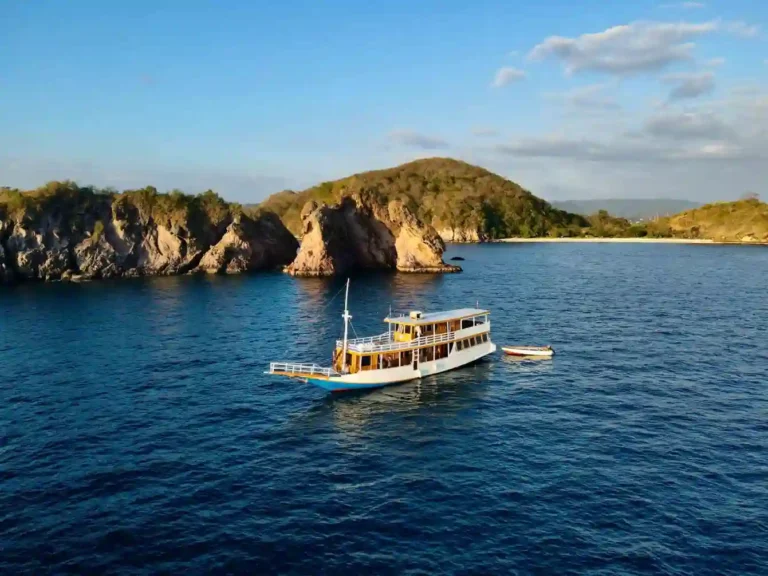
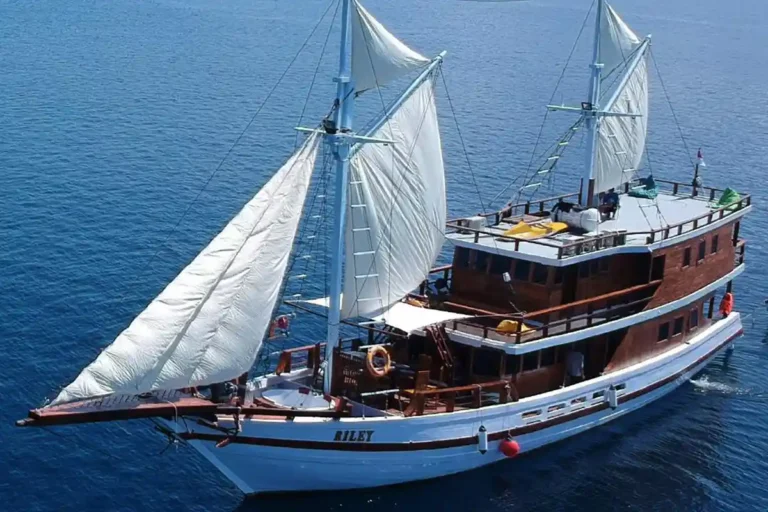
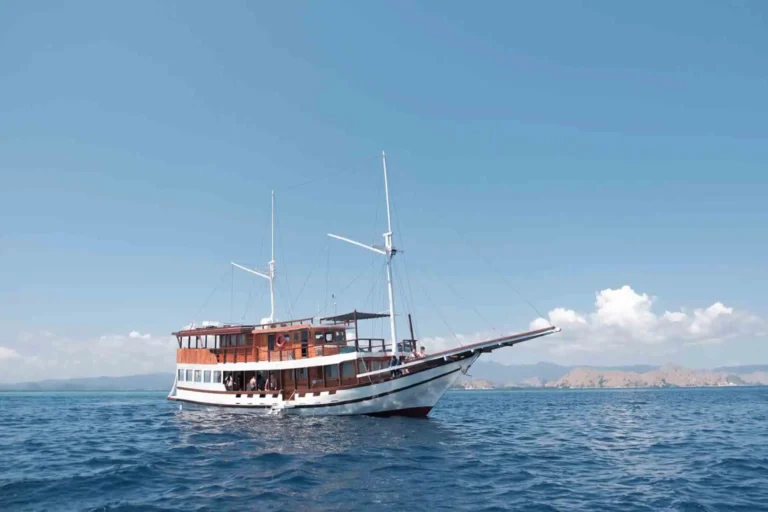
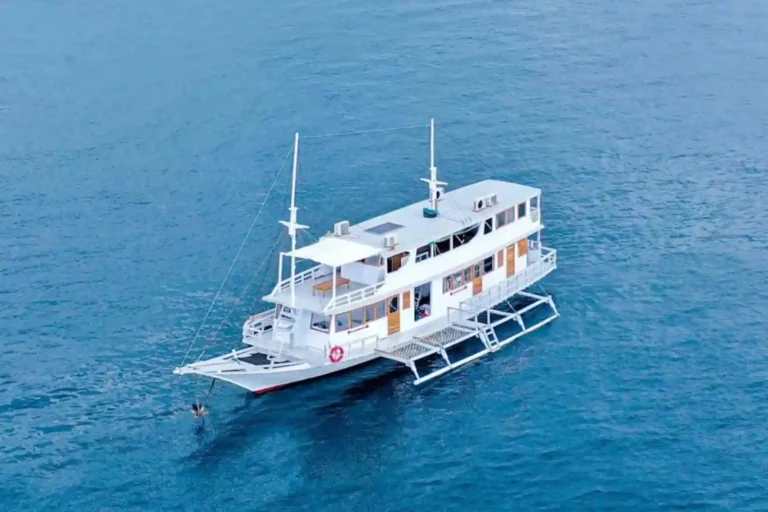
Compare 12 bookable boats that include Kalong Island on published itineraries.



Who This Suits
Right for: almost everyone, including small children and anyone with limited mobility, because the entire experience happens from a seat on deck. There is no walking, no water entry and no physical demand of any kind. It is also the best low-effort wildlife moment in the park — nothing needs to be spotted, found or hoped for.
Not right for: anyone who finds bats genuinely distressing rather than merely unfamiliar. This is thousands of large ones passing overhead for half an hour, and there is nowhere to go except inside. People who react badly to mosquito bites should also plan for it: dusk beside mangroves is the worst combination of time and place for that in the whole park.
It is also a poor standalone reason to book a trip. Kalong is a superb half hour attached to a route, not a destination that repays a journey on its own.
What to Bring
- Insect repellent. If you bring one thing to Kalong, bring this, and apply it before sunset rather than after.
- Long sleeves and long trousers for the same reason. They also handle the temperature drop after dark.
- A light layer. Open water after sundown is cooler than the same deck was at four in the afternoon.
- Binoculars if you have them. The colony is further off than it looks.
- A camera that handles low light, and no expectation of using flash.
- A head torch with a red setting for moving around the deck afterwards.
Safety Notes
Mosquitoes are the real issue. Dusk, mangroves, still air and an anchored boat is the worst combination in Komodo for biting insects, and it coincides exactly with the reason you are there. Cover up before the sun goes rather than after the first bite, and use repellent. Flores sits in a region where mosquito-borne illness occurs; what precautions apply to you is a question for a travel clinic before you leave, not for a boat crew.
The bats are not a hazard. They feed on fruit and nectar, they are not aggressive, and they cross well above the boats. Landing on the island is not permitted, which removes the only realistic way of getting close enough to disturb the roost.
Moving around after dark. The anchorage is calm, but this is the first time on most itineraries that people are on deck in the dark. Wet decks, low rails and unfamiliar stairs cause more incidents on liveaboards than anything in the water.
Photography Notes
This is the hardest photograph in Komodo, and being realistic about that will improve your evening. You are shooting a fast-moving animal in falling light from a boat that is also moving. Autofocus will hunt. Most people go home with grey smudges.
The shot that works is a silhouette, not a portrait. Expose for the sky, put the bats against colour rather than against the dark mangrove, and shoot early in the exodus while there is still light in the west. Once the sky goes deep blue the window has closed, regardless of how many bats are still flying.
No flash. It carries nowhere near far enough to reach the animals and it does nothing except irritate everyone else on deck. Long lenses are less useful than people assume — a wider frame with the ribbon of bats crossing it tells the story better than a crop of three individuals.
Do not fly a drone into a roosting colony. Beyond the park’s own restrictions, disturbing the roost is exactly the behaviour the no-landing rule exists to prevent.
Entrance Fee
Kalong sits inside Komodo National Park, so park entry applies here as it does everywhere else in the park. Nobody collects anything at the island — there is no landing and no ranger post — so it is handled by your operator as part of the trip.
We do not publish the figures anywhere on this site. The fee structure has been revised more than once in recent years and entry now runs through the SIORA booking system, so any number written here would eventually be wrong while still reading as official. Ask your operator for the current breakdown before you pay a deposit, and specifically whether park entry is inside the quoted fare or added later.
Frequently Asked Questions
What time do the bats leave Kalong Island?
Published accounts agree closely. The first bats lift around half past five in the afternoon, numbers peak between six and half past six, and the flight tapers over roughly thirty to forty-five minutes as the light fades. Exact timing shifts with the season and sunset, and heavy weather can delay it by twenty or thirty minutes without stopping it. It happens every night of the year. What this means for booking is simple: your boat needs to be anchored and settled by about five, which is a scheduling question rather than a wildlife one.
How many flying foxes are there, and how big are they?
Nobody we can cite knows the number. Operators reach for thousands, one puts the colony at five to six thousand, and visitor accounts range from hundreds to many thousands within the same paragraph. We have not found a published survey behind any of those figures, so treat them all as estimates. Size is better documented: one operator gives wingspans up to about a metre and a half, which is large enough that you register individual animals rather than a swarm, and they fly high enough above the boats that scale is easy to underestimate.
Is Kalong Island suitable for children?
Yes, and it is one of the easiest stops in the park for families. Everything happens from the deck of an anchored boat, so there is no walk, no water entry and nothing to keep up with. The bats are fruit eaters and pose no risk to anyone. The two things worth preparing for are mosquitoes, which are at their worst exactly when the bats fly, and a child who finds the idea of bats frightening — on an anchored boat there is nowhere to retreat to except the cabin.
Is there an entrance fee for Kalong Island?
Not one you pay on arrival. You cannot land, there is no ranger post and nobody collects anything at the island. National park entry still applies, because Kalong sits inside the park, and it is normally handled by your operator as part of the trip through the park booking system. Ask for the breakdown before paying a deposit. We do not publish fee figures on this site because the structure has changed repeatedly and a stale number that looks official is worse than no number.
Can you see the Kalong bats on a day trip from Labuan Bajo?
Yes, some do — and published sources contradict each other on this, so it is worth being precise. One operator describes the standard Labuan Bajo day-trip format as ending with a Kalong sunset before returning; another states flatly that day trips dock before sunset and miss it. Both are true of different products. Day trips built specifically around the exodus exist: one widely sold itinerary pairs Kelor, Manjarite and a Rinca dragon trek with a Kalong sunset, with hotel pickup around eleven in the morning rather than at dawn, precisely so the boat is in position at dusk. The deciding factor is whether the operator will run the final leg back to port in the dark. So ask two questions rather than one: does the boat stay for the bat flight, and what time does it dock? A morning-departure itinerary that lists Kalong and docks at six was never going to be there for it.
Is Kalong Island the same as Kelor Island?
No, and the names catch people out because they rhyme and both are small islands in the same waters. Kelor is a compact island close to Labuan Bajo with a short steep hill and a snorkelling beach, visited in daylight and usually the first or last stop of a trip. Kalong is a mangrove island you never set foot on, visited at dusk for the bat colony. Kalong also goes by Bat Island and Flying Fox Island in English-language listings, and Pulau Kalong in Indonesian. If an itinerary lists both, that is correct rather than a duplication — they are separate stops on different parts of the day.
Can you land on Kalong Island or walk in the mangroves?
No. Ground visits are not permitted, and viewing happens from a boat anchored a few hundred metres off the mangrove edge — one operator gives two to three hundred metres as the usual distance. The restriction protects the roost, which is sensitive to disturbance, and it also means Kalong never feels crowded on the ground the way Padar or Rinca can. There is no jetty, no beach worth the name, no facilities and nowhere to walk. If your evening plan involves getting off the boat, this is not that stop.
How far is Kalong Island from Labuan Bajo?
Roughly one and a half to two hours by boat. It sits between the town and the park’s main islands, which is precisely why it works as the first evening of a multi-day route: you leave in the morning, spend the day inside the park, and arrive at Kalong in time to anchor for sunset. On the way home it does the same job in reverse. That position also explains why a day boat can technically reach it and still struggle to justify the stop, since it commits the crew to the run back in darkness.
What the Park Costs
| What you pay | Amount | Basis |
|---|---|---|
| Park entrance, foreign visitor | Rp 250,000 ≈ $14 | per person, per day The statutory Class I entrance rate. The 150% holiday rule applies to Indonesian visitor and student rates, not this foreign visitor rate. |
| Park entrance, Indonesian visitor, normal day | Rp 50,000 ≈ $3 | per person, per day The normal-day Class I entrance rate. |
| Park entrance, Indonesian visitor, holiday or collective leave | Rp 75,000 ≈ $4 | per person, per day 150% of the normal Indonesian visitor rate on the dates covered by the statutory holiday rule. |
| Indonesian student group, normal day | Rp 25,000 ≈ $1 | per person, per day For Indonesian student groups of at least five people. |
| Indonesian student group, holiday or collective leave | Rp 37,500 ≈ $2 | per person, per day 150% of the normal student-group rate; the minimum group size remains five. |
| Scuba diving activity | Rp 25,000 ≈ $1 | per diver, per day A separate activity charge in addition to the applicable entrance fee. |
| Motorised vessel entry | Rp 100,000–200,000 per boat, per day | Rp 100,000 for 40–100 HP, Rp 150,000 for 101–500 HP, and Rp 200,000 above 500 HP. |
| Drone use | Rp 2,000,000 ≈ $112 | per unit, per day A separate special-use charge. Complete the required SiOra/SIMAKSI process before travel. |
- SiOra is the park’s e-ticketing and SIMAKSI system. Reserve before travel; Ministry guidance recommends completing the reservation by H-1. An operator can assist, and self-service is available at the Komodo Visitor Center and KP3 terminal.
- Payment is cashless through the methods available in SiOra, including BRIVA or bank transfer and supported e-wallets. Keep the e-ticket and ensure the traveller details are correct.
- A 1,000-visitor daily quota has applied since 1 April 2026 to the main visitor islands and 23 dive sites. Availability therefore depends on the travel date and registered itinerary.
- The final SiOra total can include entrance, activity, vessel and special-use charges. Ask the handling operator for an itemised total before issuance.
- Official public guidance does not state one universal refund or rescheduling rule for every reservation. Confirm the current SiOra terms in writing before the ticket is issued, including treatment of weather disruption.
Statutory fees under Peraturan Pemerintah No. 36 Tahun 2024, in force since 30 October 2024. Verified 31 August 2026 against the official PP 36/2024 schedule, the Ministry of Forestry SiOra notice and the Ministry’s 2026 quota notice. Amounts are payable in rupiah; dollar figures are courtesy estimates converted at Rp 17,900 and rounded.
Activities
Cruise Areas
Location
Kalong Island (Pulau Kalong), Komodo National Park, East Nusa Tenggara, Indonesia






Add a review