
About This Place
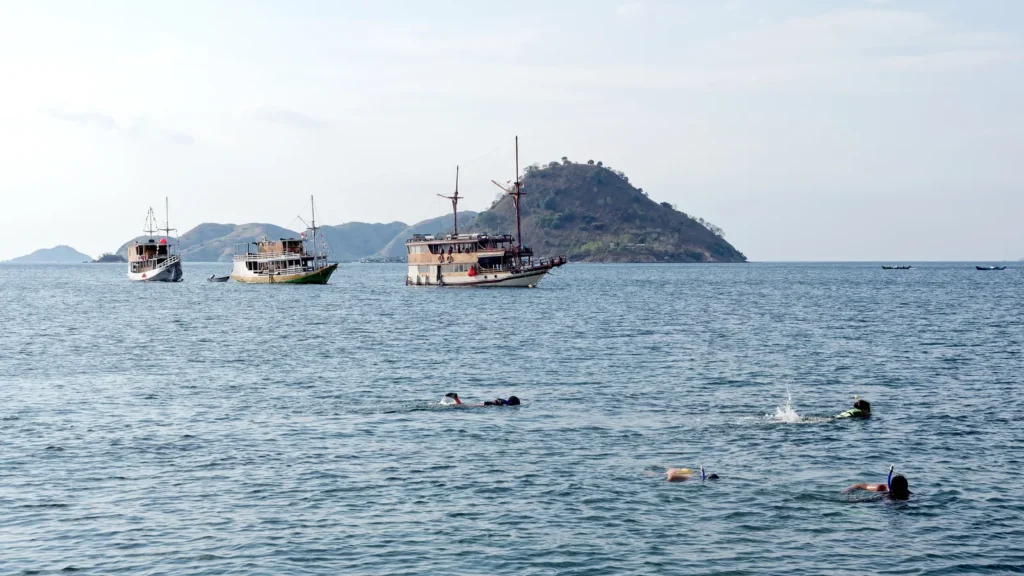
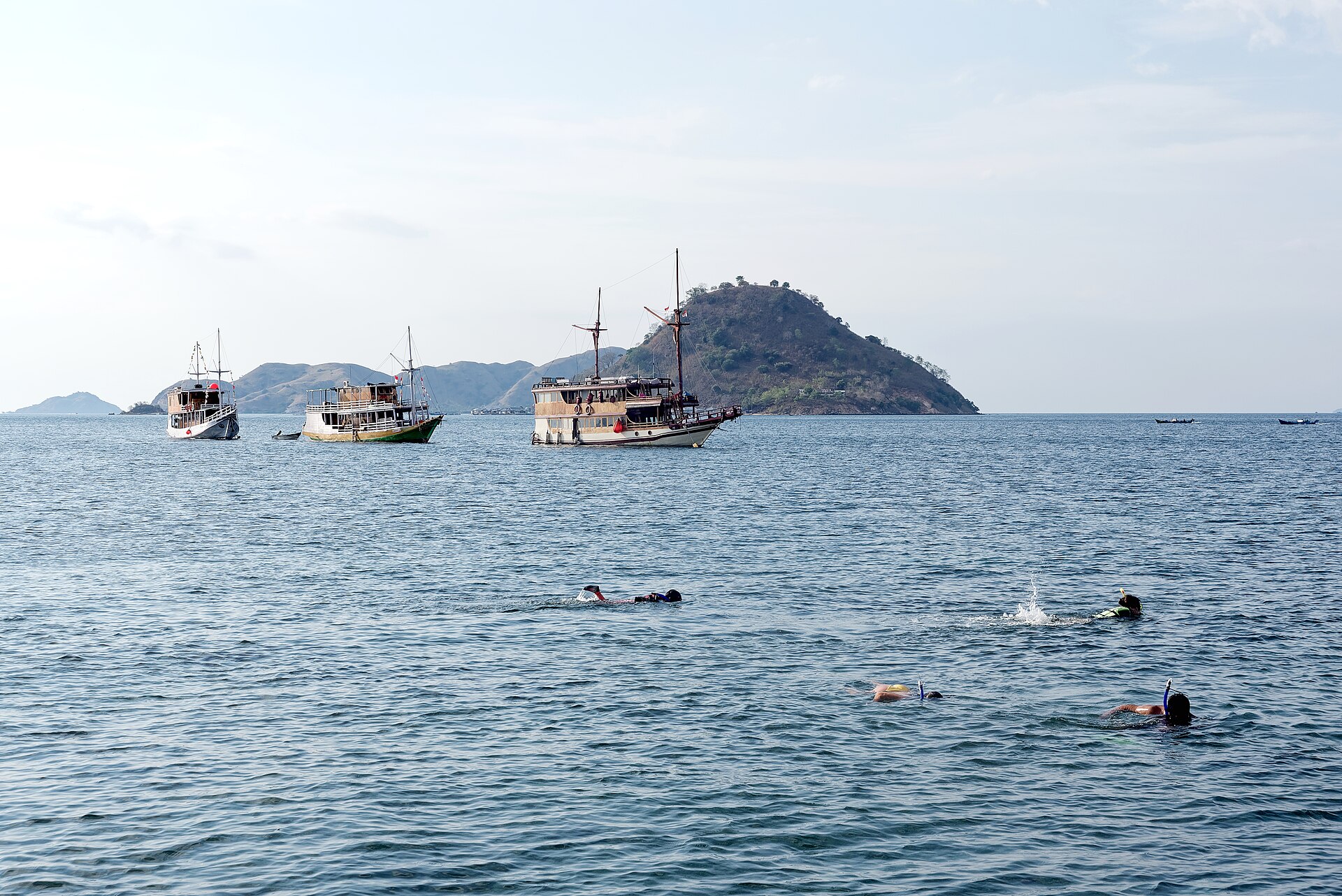
Manjarite is the stop nobody photographs for the brochure and almost everybody remembers. There is no hill to climb, no dragon to find and no viewpoint to queue for. There is a long wooden pier running out into a sheltered bay, coral starting almost directly beneath it, and water calm enough that you can see the reef from the deck before you get in. After a day of steep trails and current-swept sites, that is precisely the point.
Where exactly it sits is genuinely disputed. Most listings call it Manjarite Island and place it inside Komodo National Park; one describes it as sitting on the Flores coast between Sebayur and Labuan Bajo bay; another calls it an island close to mainland Flores; a guide writing from experience simply describes a quiet bay ringed by dry hills. Published travel times from Labuan Bajo range from about thirty-five minutes to an hour. What is not in dispute: it is uninhabited, it has no shops, kitchens or accommodation, and the pier is the only structure on it.
At a Glance
-
Also known asMenjerite, Manjarite Island, Pulau Manjarite, Manjarite Bay, Menjarite
-
TypeBay / Anchorage, Snorkel Site
-
Inside Komodo National ParkYes
-
How to get thereLiveaboard, Speedboat Day Trip, Fast Boat
-
Travel time from Labuan BajoAbout 35 minutes to 1 hour by boat; published times differ
-
LandingJetty
-
Last checked2026-09-12
What to Expect
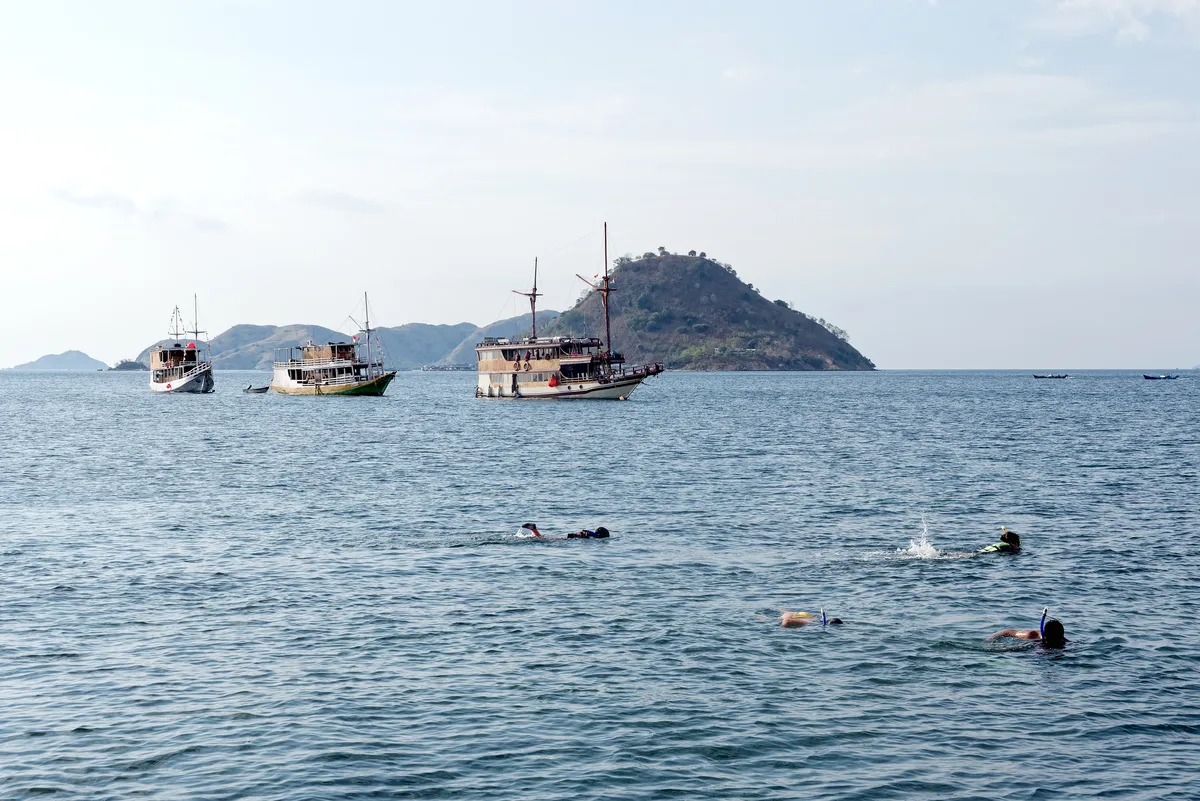
The pier is the whole design of the visit. It runs well out over the water, which means you step in over reef rather than wading across rubble, and it gives non-swimmers somewhere to sit with their feet in the water while everyone else snorkels. It is also the jumping platform, and on most trips that is the loudest twenty minutes of the day.
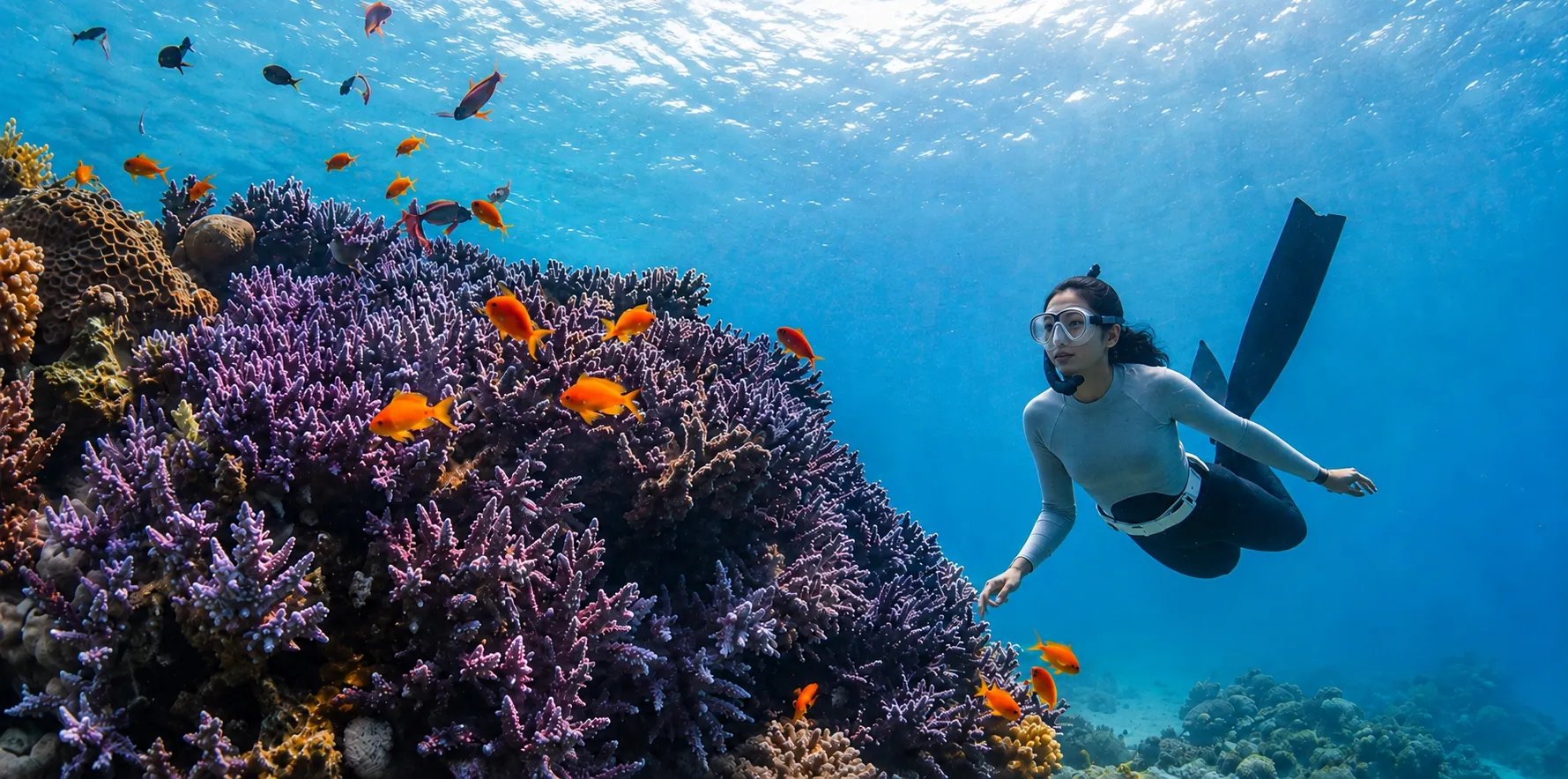
The reef starts shallow and stays gentle. One operator listing puts it at roughly three to five metres with excellent visibility, sloping away into deeper water. Current is consistently described as mild — this is one of the few named stops in the park where nobody hedges about it. Water temperature sits around twenty-seven to twenty-nine degrees Celsius year-round.
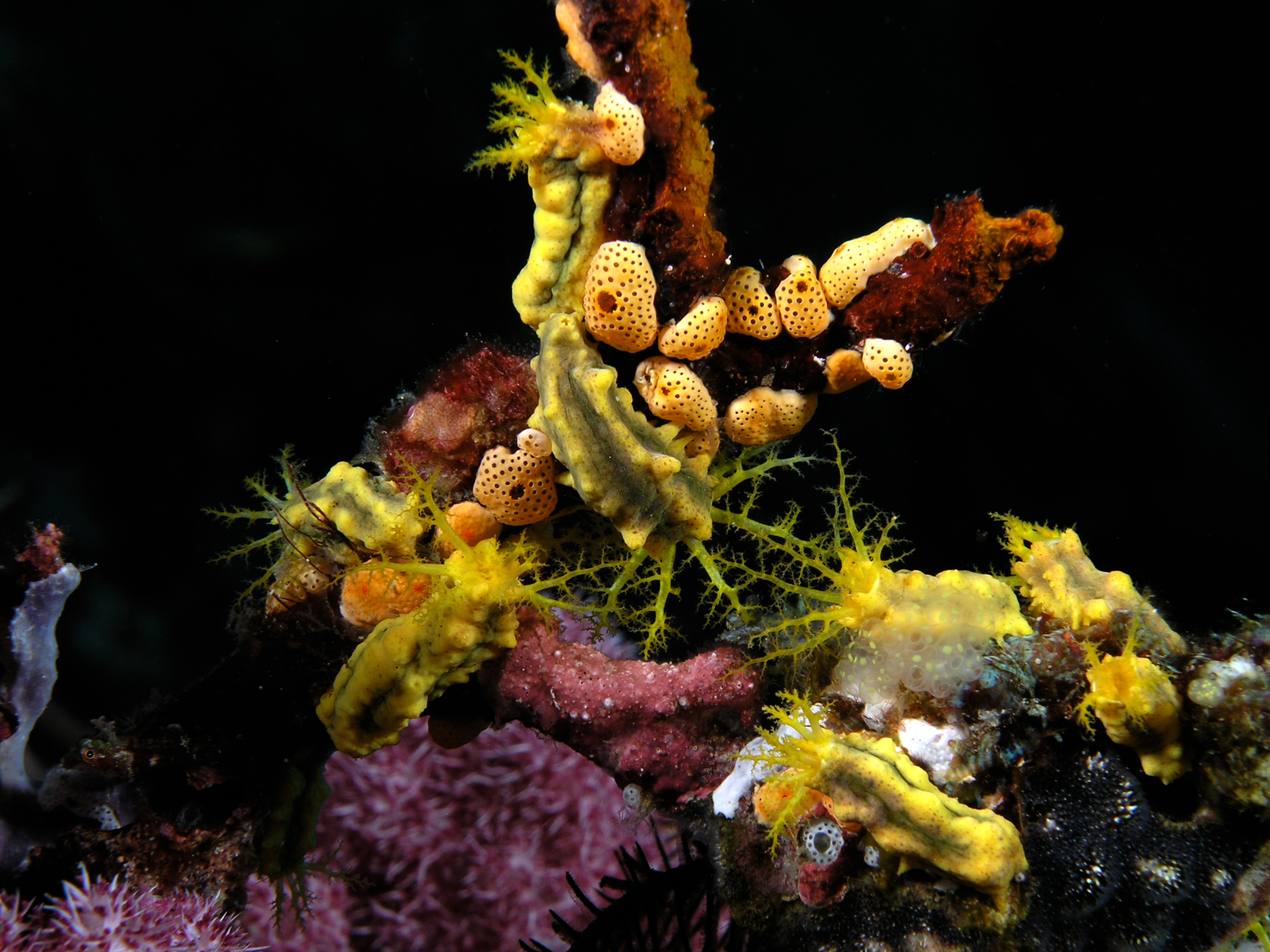
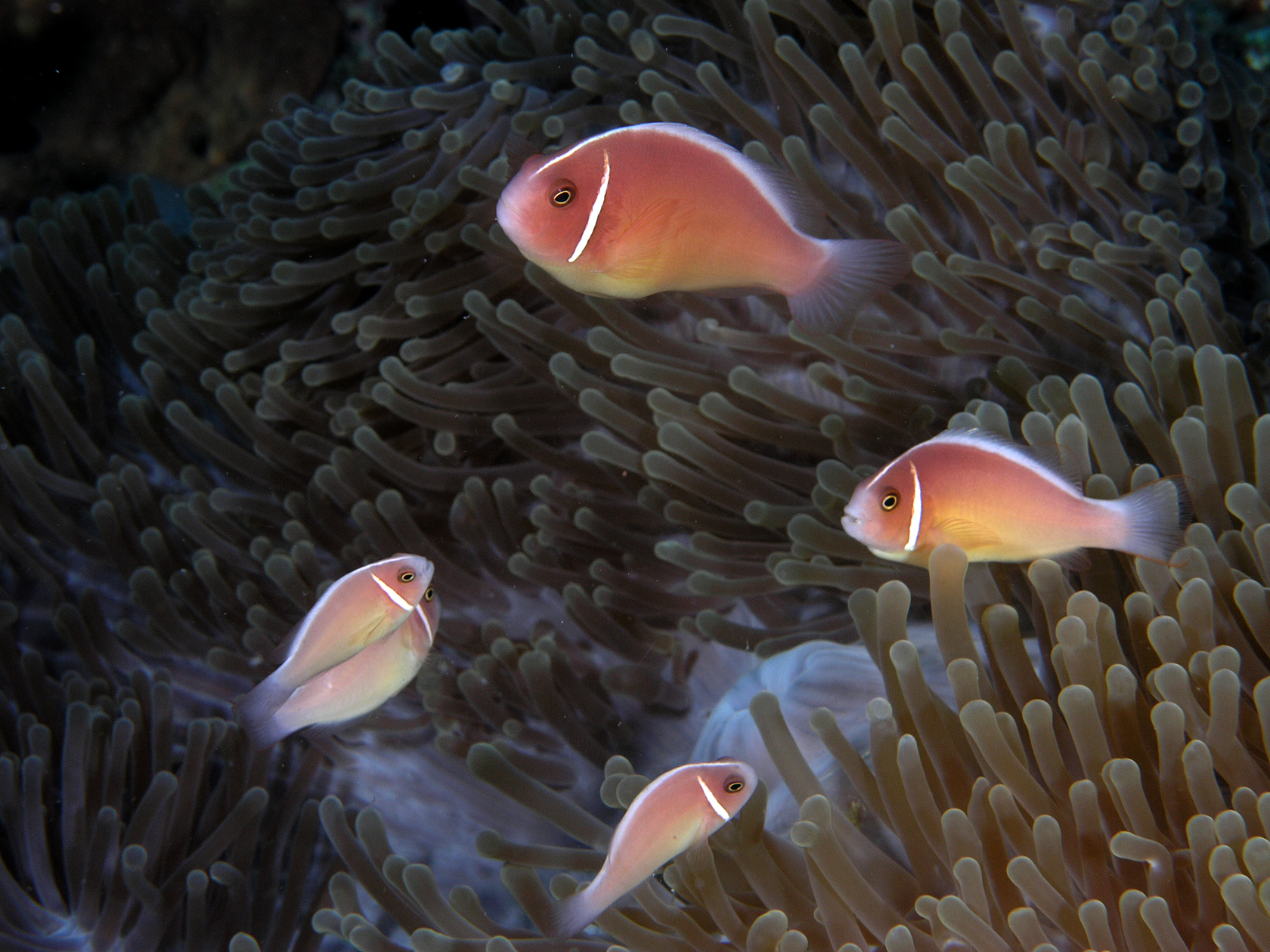
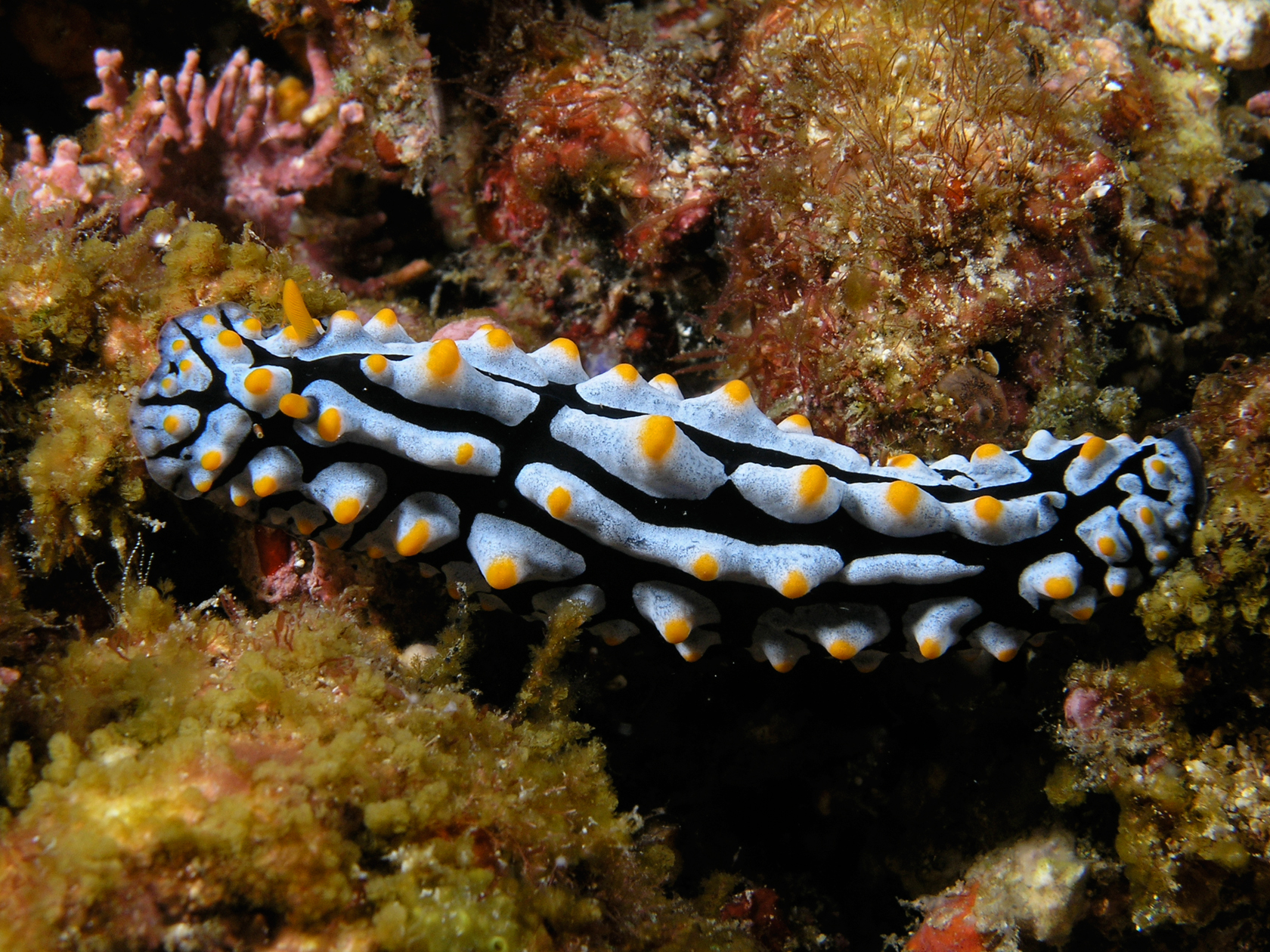
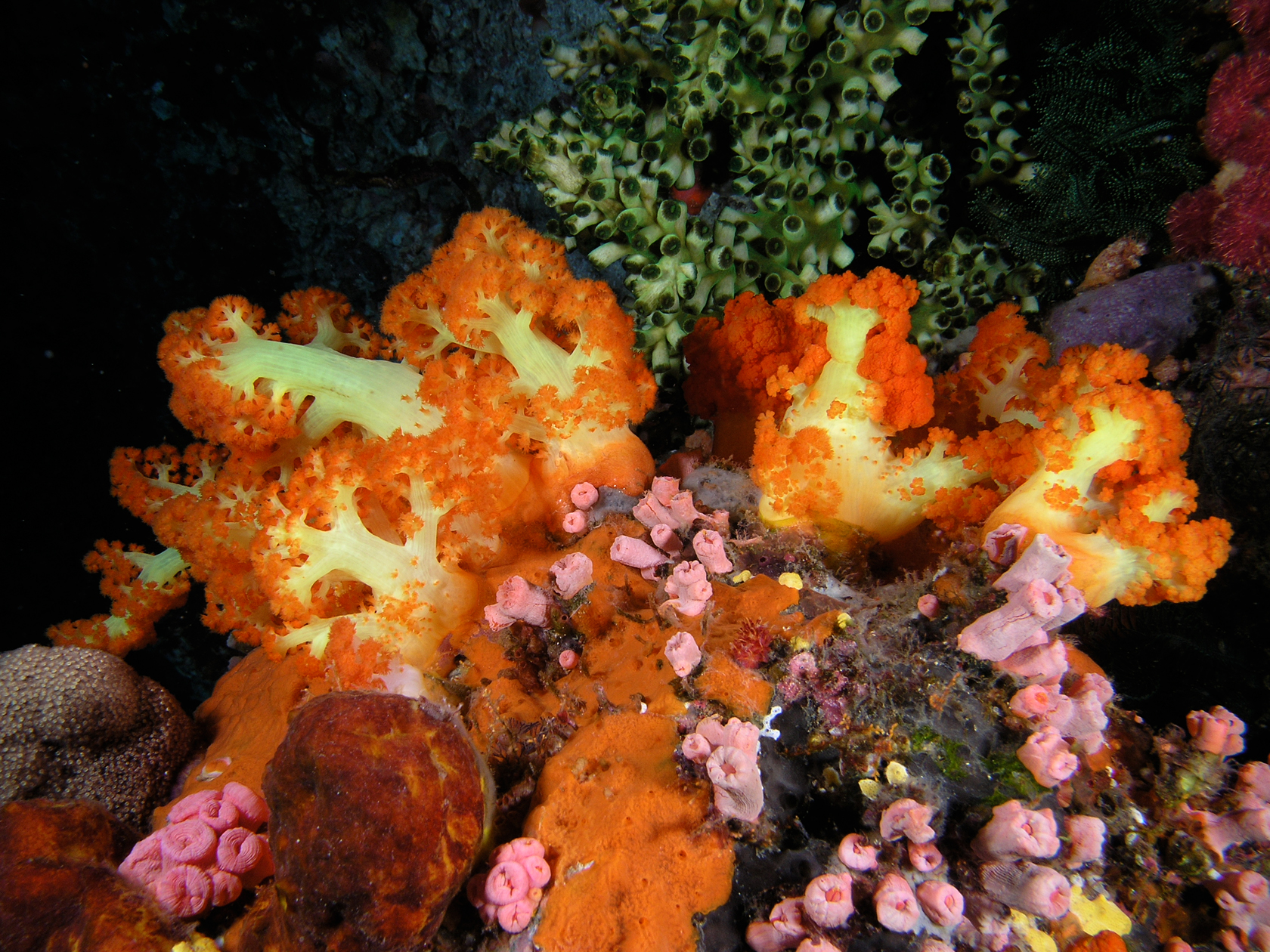
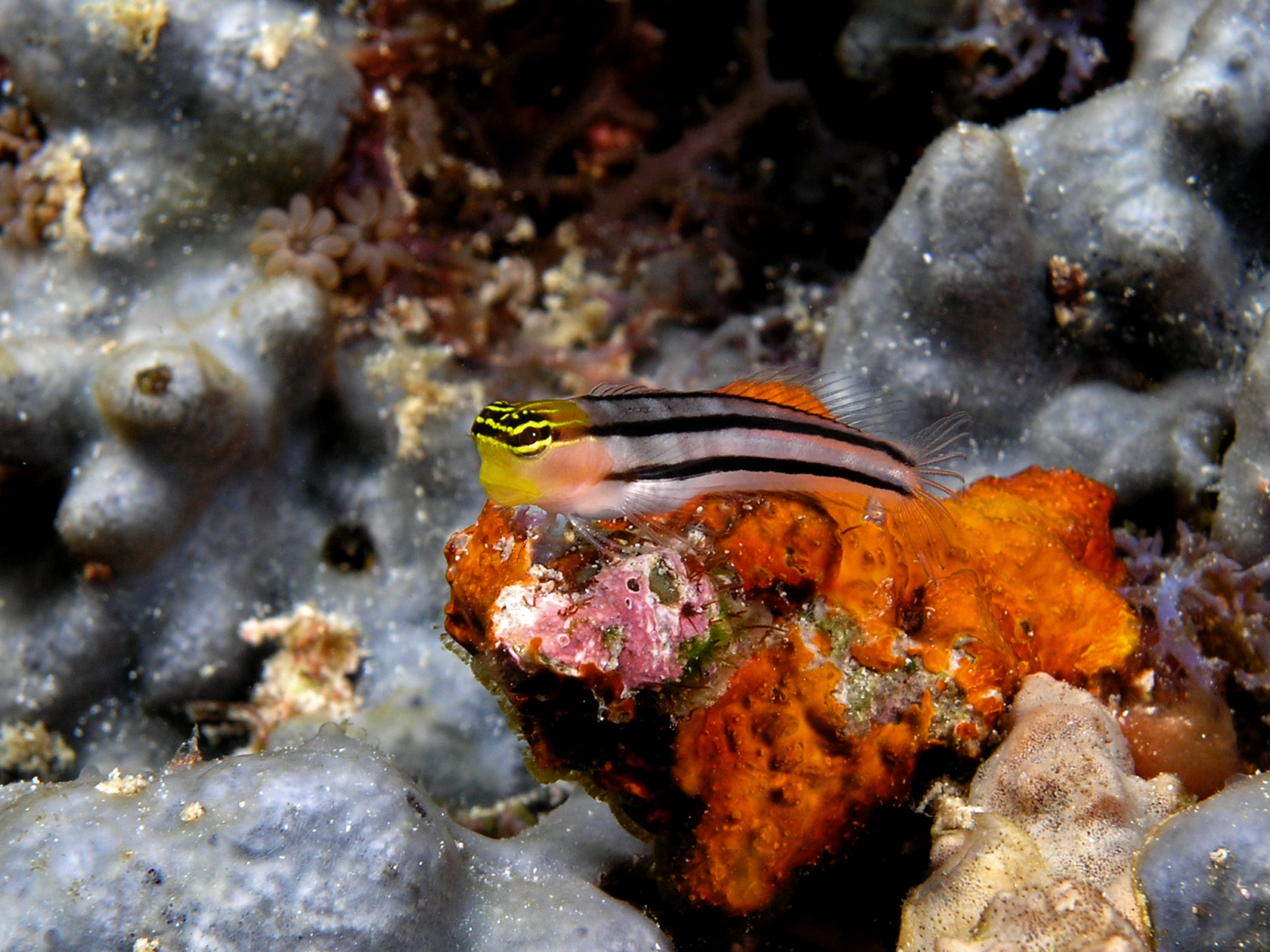
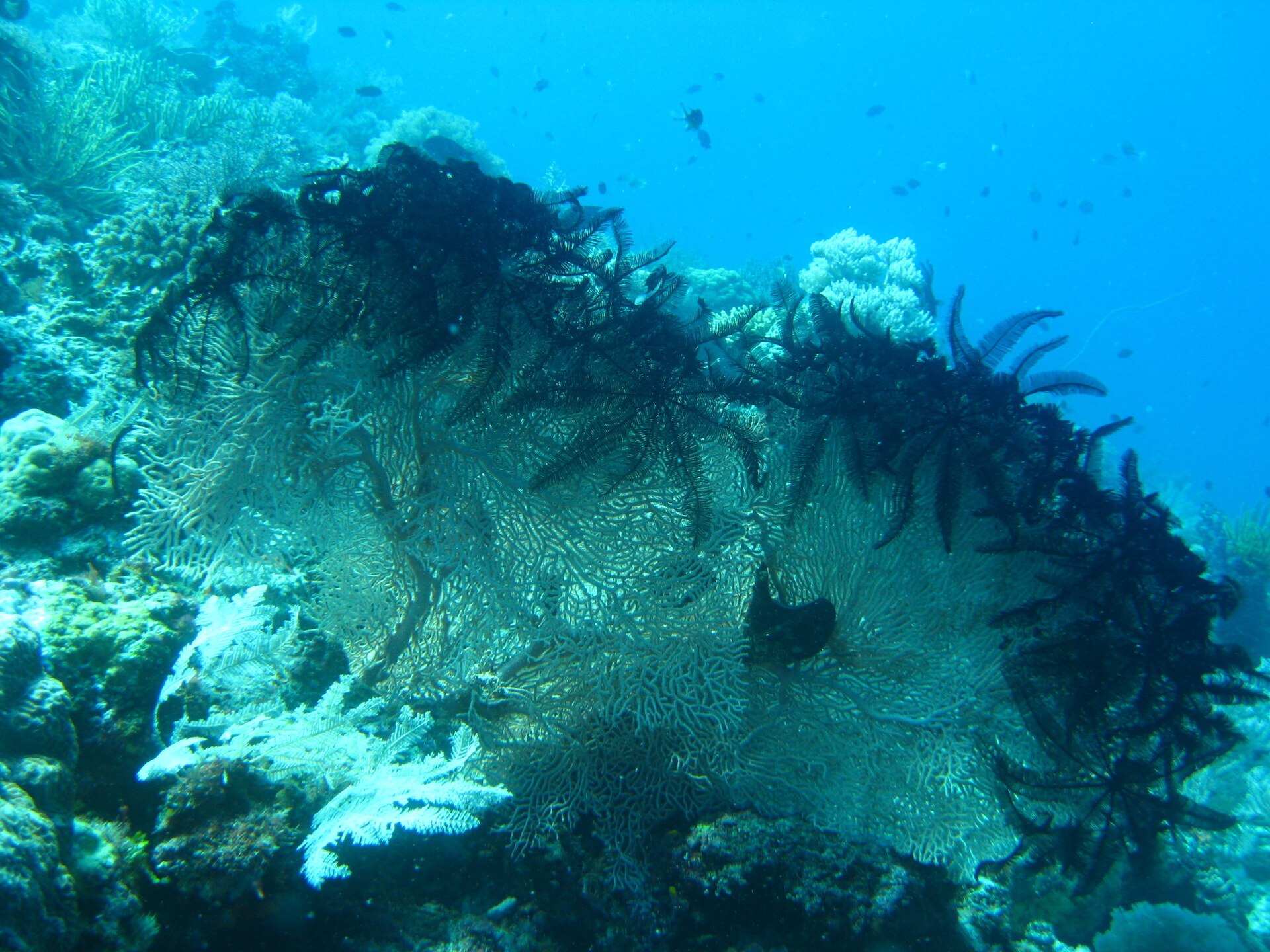
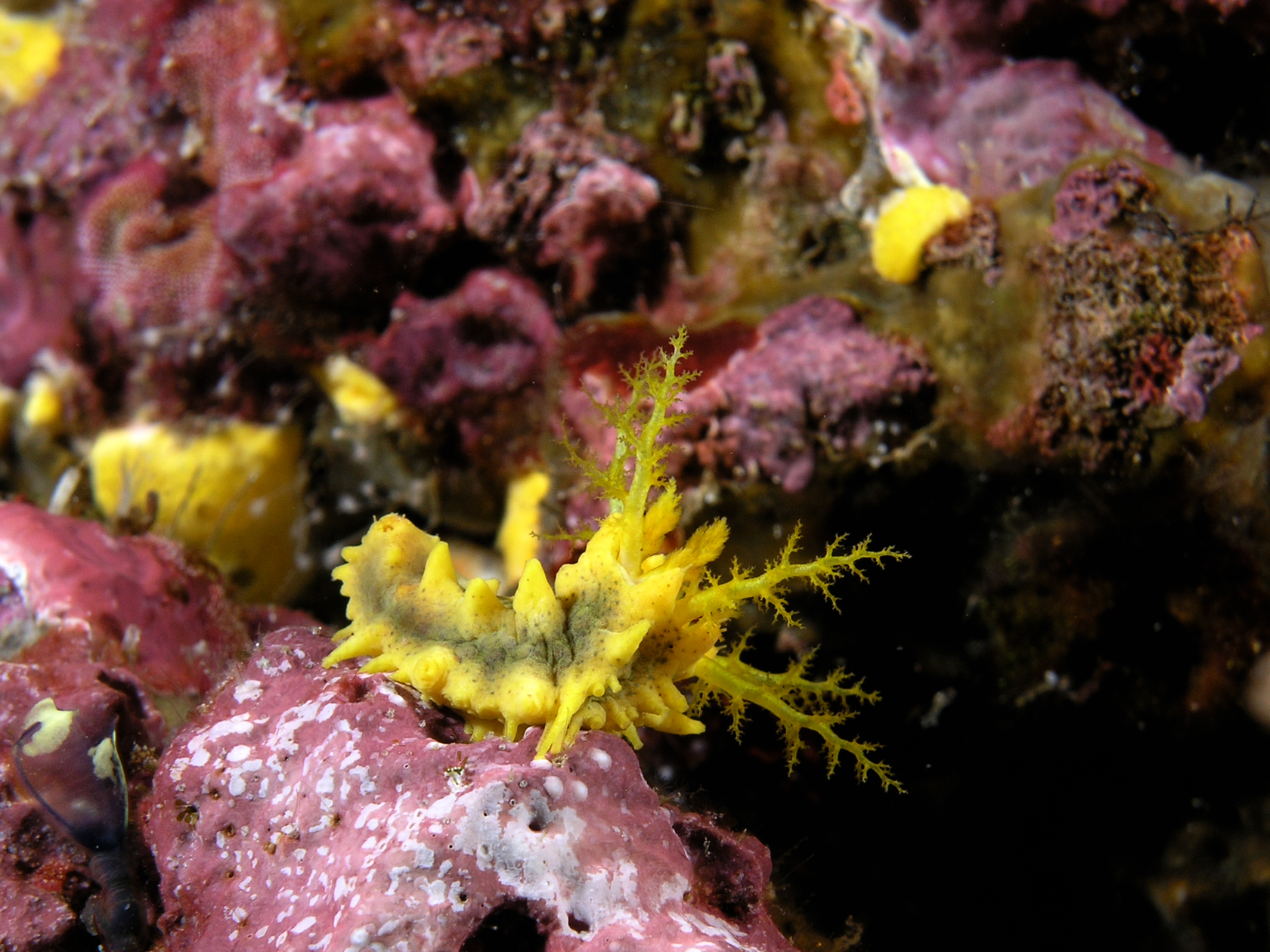
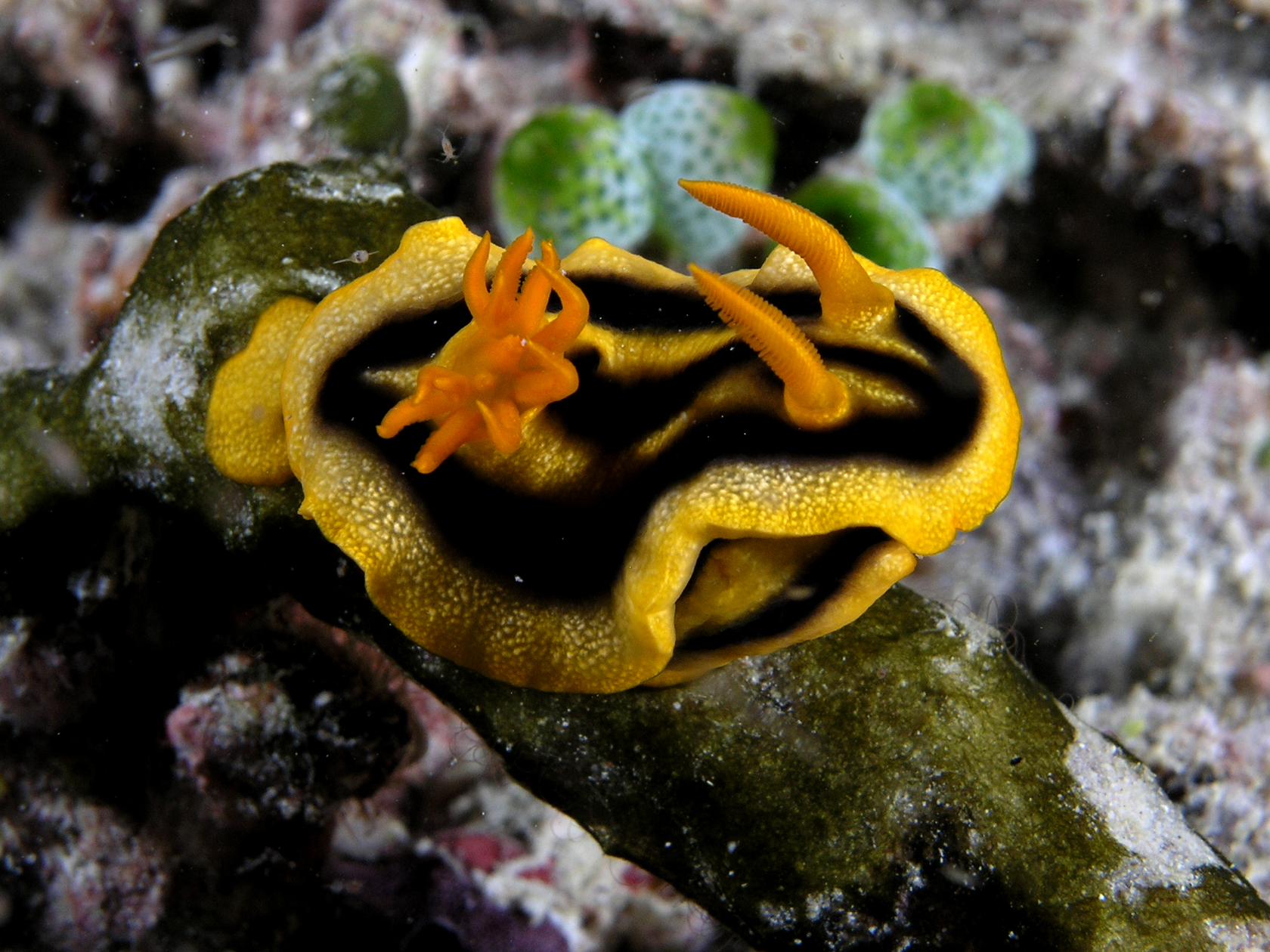
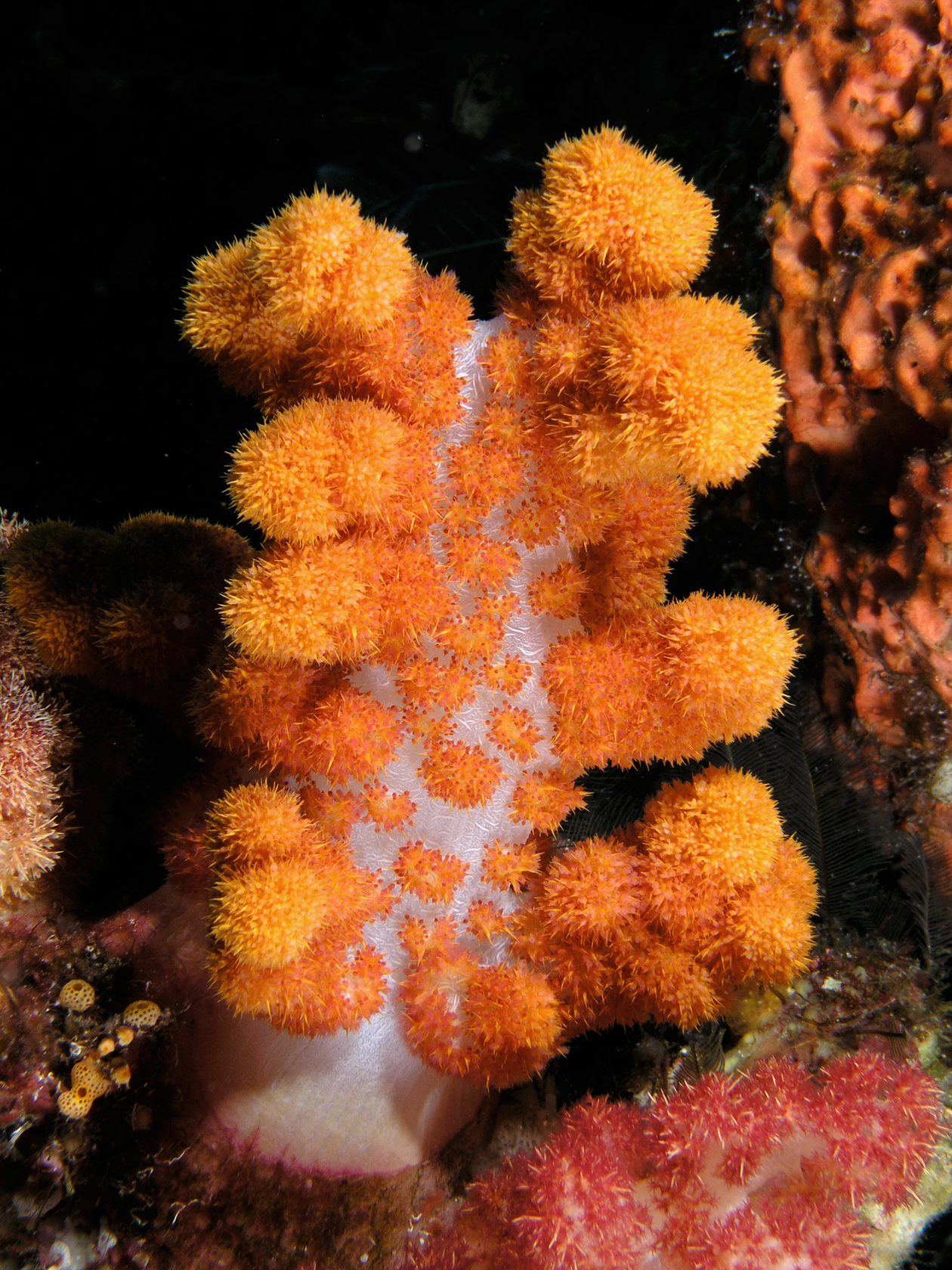
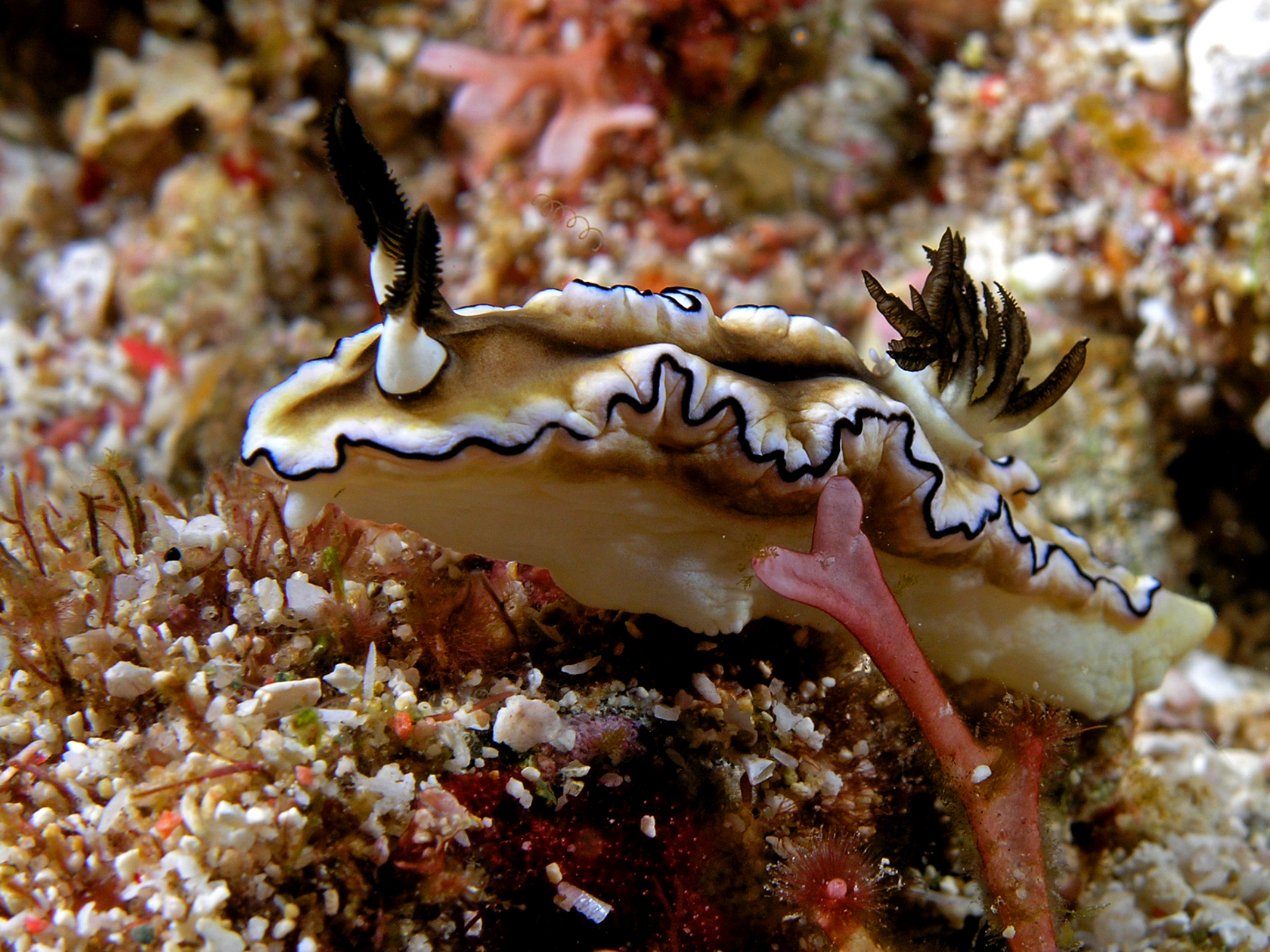
What you actually see is a coral garden rather than big animals: clownfish, angelfish, scorpionfish, moray and ribbon eels in the rubble, starfish on the sand, and turtles often enough that they get mentioned by most sources without anyone promising them. It is the site local guides use as a classroom, and experienced divers use it as a warm-up or a cool-down after Batu Bolong.
What it is not is dramatic. If your measure of a stop is the photograph, Manjarite will read as filler. If your measure is the hour you spent in the water, it usually wins the day.
Crowds and Timing
Manjarite is busy in a shallow, forgiving way. It sits early on nearly every route out of Labuan Bajo and last on most routes coming back from Lombok, so boats cycle through steadily rather than converging in one window the way they do at Kelor or Taka Makassar.
The pressure point is the pier, not the reef. Everyone enters and exits at the same structure, and when three boats overlap it becomes a queue with jumping teenagers at one end of it. The reef itself is wide enough that you can swim thirty metres away from the noise and have the coral to yourself.
A guide working this route puts the best window between eight and half past ten in the morning, when the light drops cleanly into the water and the wind has not built. That is also before most day boats have finished their first stop, which is the useful part.
Dive and Snorkel Profile
-
Depth rangeReef around 3 to 5 m, sloping gently into deeper water
-
CurrentMild
-
Dive typeSlope
-
CertificationNone (snorkel)
-
EntryShore entry
How to Visit
It is a stop, not a destination. Nothing operates from Manjarite, nobody lives there and no ferry calls. You arrive on a boat that is going somewhere else next, which makes the only real question the order of your day.
Day trip. It is standard on the Labuan Bajo day circuit, often paired with Kelor and a dragon trek. See the Komodo one day tour.
Multi-day. On the 3D2N and 2D1N routes it typically appears at the start or the very end. On the Lombok to Komodo run it is often the final stop before port.
Ask for it in the morning if you can. The same bay at eight and at four in the afternoon are different snorkels: light angle changes what the coral looks like, and wind changes the surface. This is one of the few stops where the request is easy for a crew to honour, because nothing else about it is tide-dependent.
Boats That Sail Here
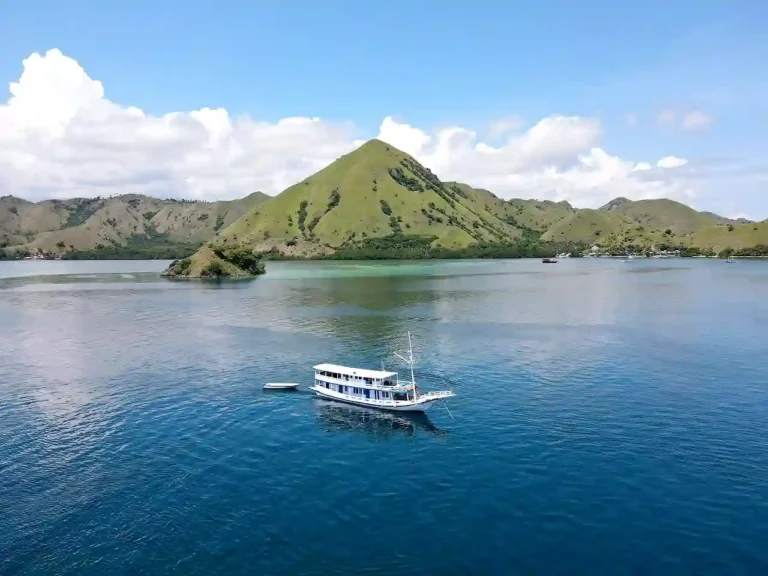
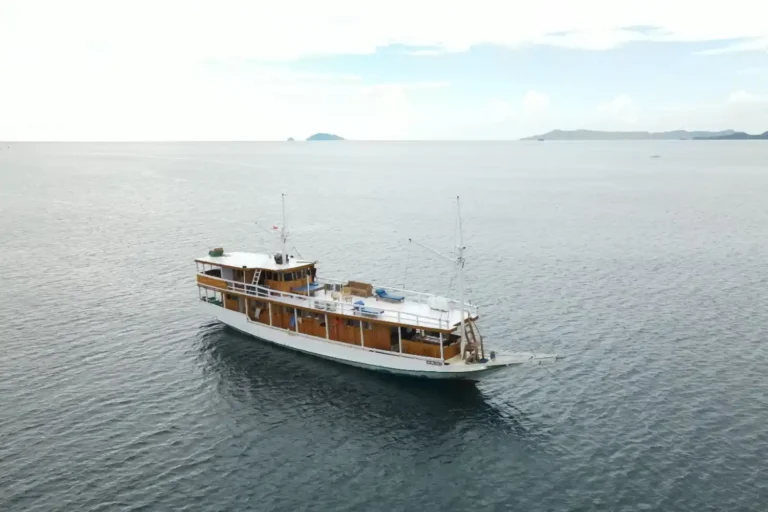
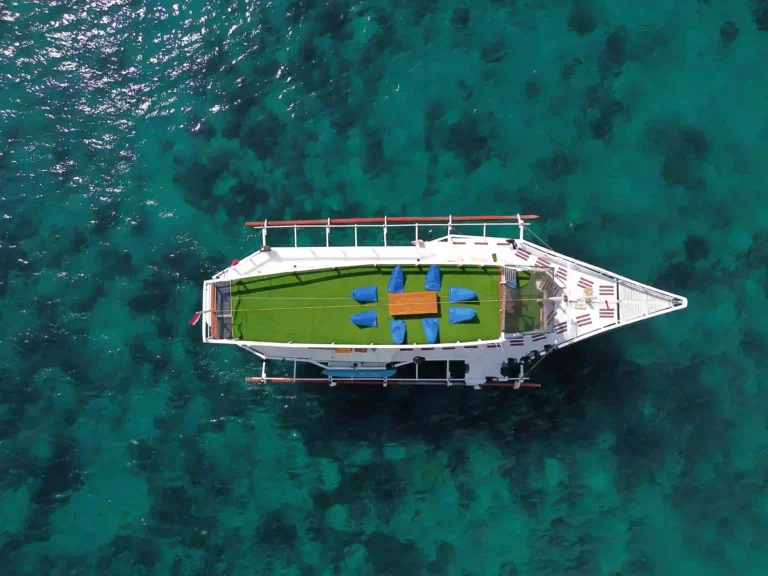
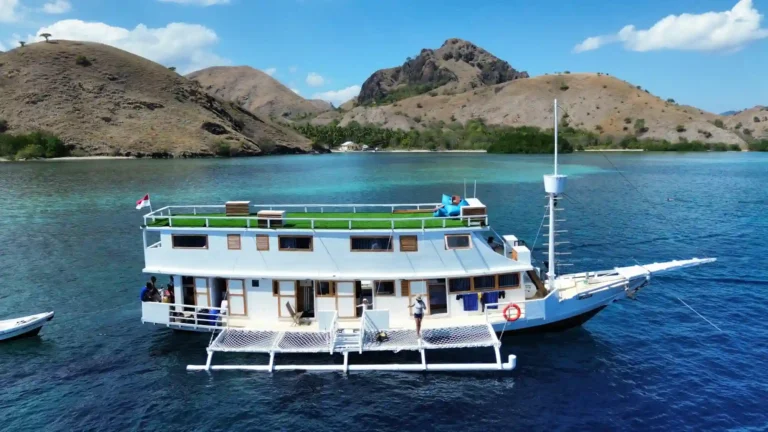
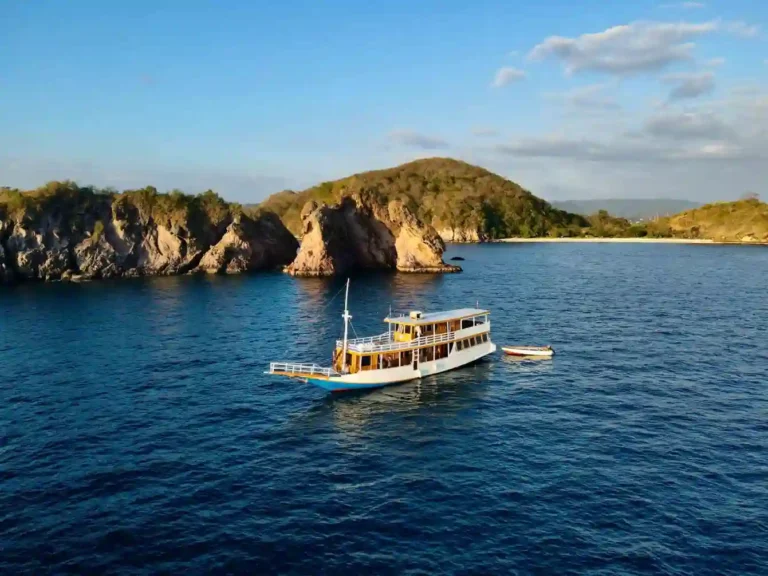
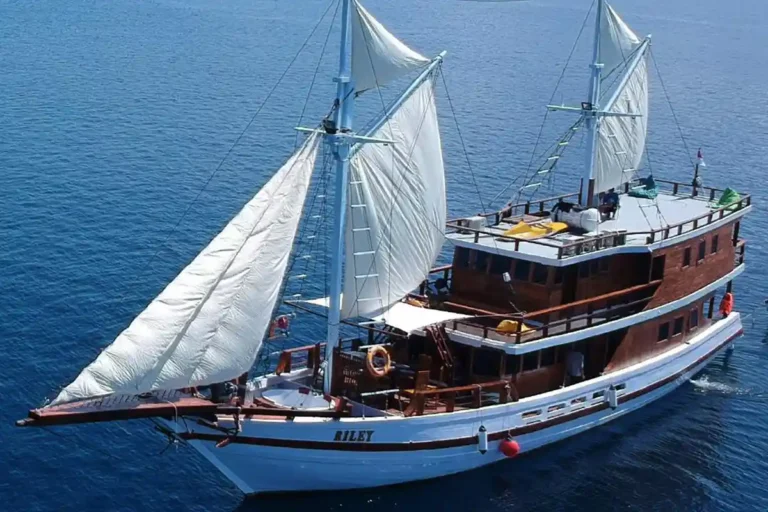
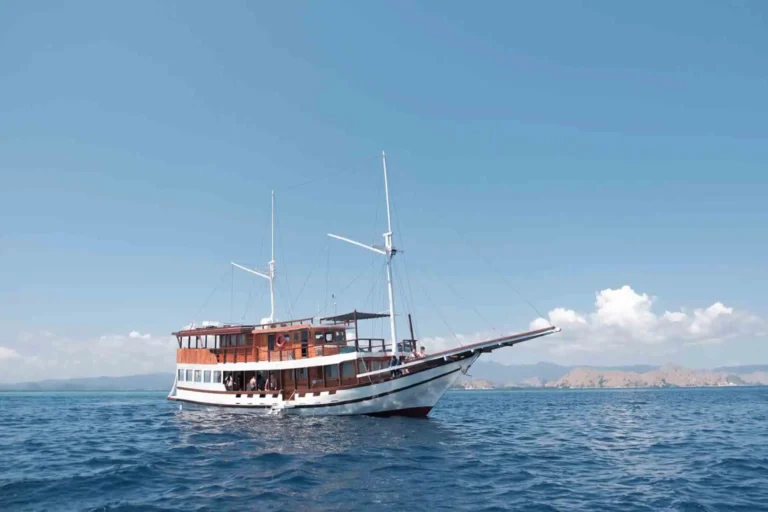
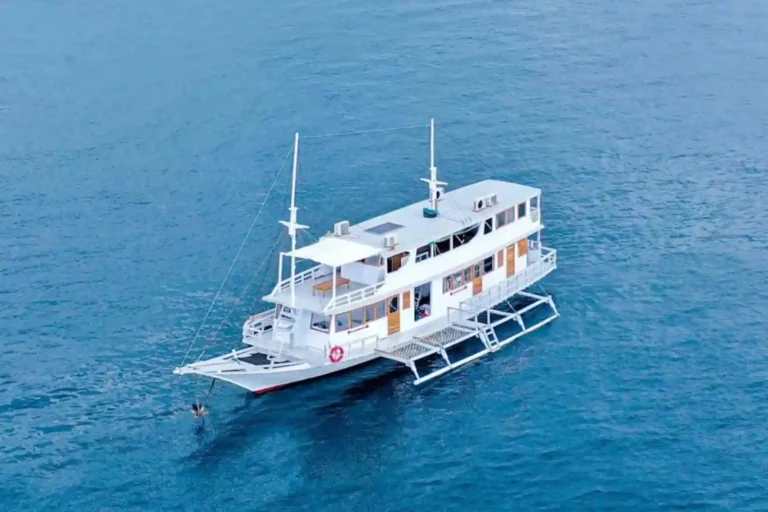
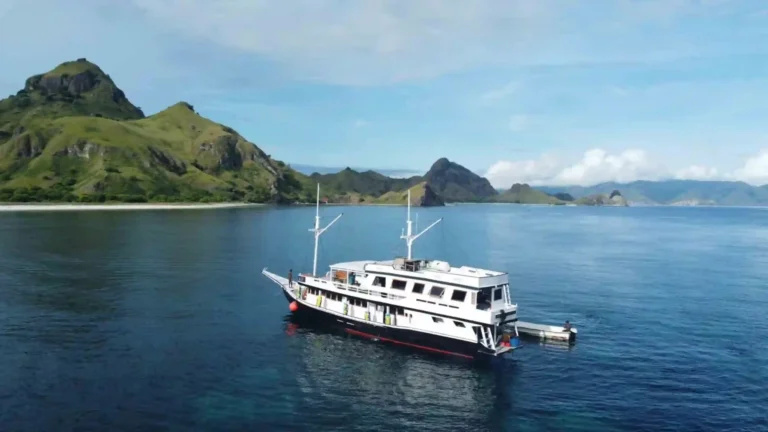
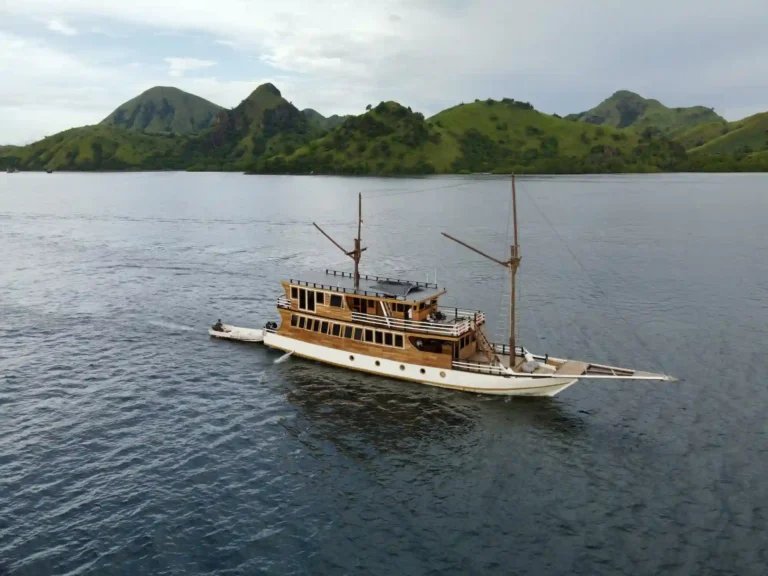
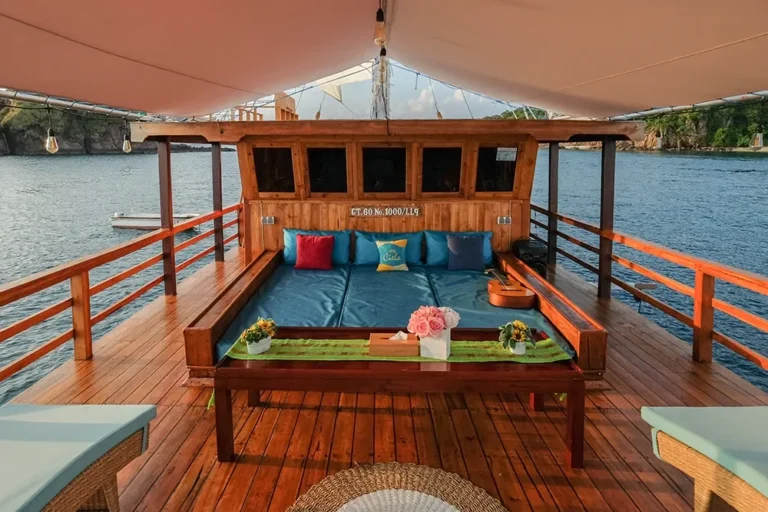
Compare 12 bookable boats that include Manjarite on published itineraries.
Who This Suits
Right for: beginners, nervous swimmers, families with children, and first-time divers. The combination of a pier to enter from, shallow reef and mild current is the friendliest set of conditions on the standard route, and it is why guides use this site to teach.
Also right for experienced divers who want a relaxed tank after a demanding morning — it is commonly run as a warm-up or a wind-down rather than as a main event.
Not right for: anyone chasing big animals or dramatic topography. There are no mantas here, no walls, no current-driven fish action. If your trip has only one water stop and you want the Komodo everyone talks about, that is Manta Point or Batu Bolong, not this bay. Manjarite is the stop that makes a long day pleasant, not the one you build the trip around.
What to Bring
- Your own mask and snorkel if you own them. This is a stop worth having gear that seals.
- A rash guard. An hour in shallow clear water is the classic Komodo sunburn.
- Reef shoes, for shore entry and for the pier ladder.
- Water. Nothing is sold here and there is nowhere to buy anything nearby.
- A dry bag, and a towel you can leave on the pier without losing it to the wind.
- An underwater camera if you have one. Shallow, clear and calm is the easiest photography of the trip.
Safety Notes
This is one of the lower-risk stops in the park, which is worth saying plainly rather than manufacturing hazards.
The pier. Jumping from it is the main activity and the main way people get hurt. Depth under a jetty varies with the tide, other swimmers surface where you cannot see them, and wooden decking gets slippery. Look before you jump, and go in feet first.
Sun. There is no shade on the pier and none on the beach. An hour face-down in clear shallow water burns backs faster than people expect.
Coral contact. The reef starts shallow, which is what makes the site easy and also what puts fins within reach of live coral. Keep horizontal, do not stand up to adjust your mask, and use reef shoes for any shore entry.
Nothing is available on site. No water, no shelter, no first aid beyond what your boat carries. That is normal here, but it means the boat you chose is your entire safety infrastructure.
Photography Notes
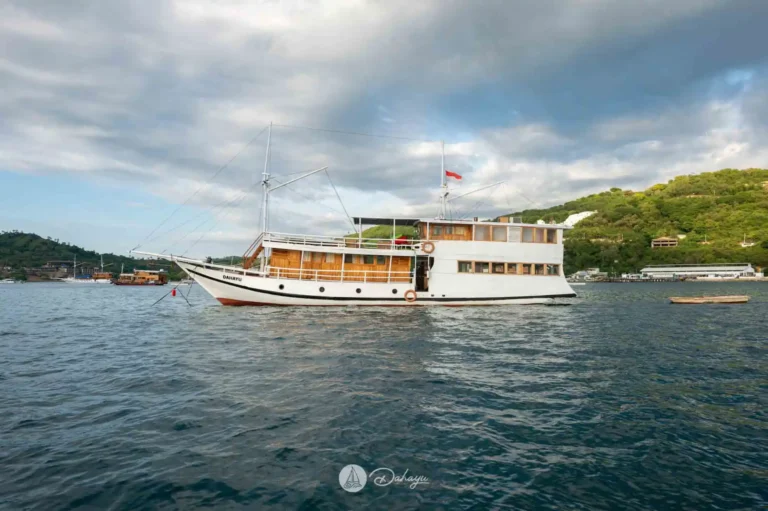
The pier is the picture. Shot from the water looking back, with the dry hills behind and the boat at anchor, it is the most recognisable frame Manjarite offers and the reason it turns up on so many itinerary pages without ever being the headline stop.
Split-level shots work here better than almost anywhere in the park, because the water is shallow, clear and calm at the same time — the three conditions that usually refuse to appear together. Half reef, half pier, low sun behind you.
Morning light, before the wind textures the surface. By early afternoon the same bay photographs as grey chop with a jetty in it.
For drone work the bay reads well because the boat, the pier and the reef patches all sit in one frame. Clear it with your operator first, and launch from the boat rather than the pier where people are walking.
Entrance Fee
Manjarite sits on the Flores mainland coast rather than on one of the park islands, and that answers the fee question better than the operator pages do. Komodo National Park is Komodo, Rinca, Padar, Gili Motang and Nusa Kode, plus the water around them. This bay lies east of Sebayur, between the park’s eastern edge and Labuan Bajo Bay, roughly forty minutes out of port — outside the boundary rather than inside it.
Plenty of listings still file Manjarite under Komodo National Park, because that is how the whole region gets marketed. Read those as marketing rather than geography.
In practice this matters less than it sounds. Nothing is collected here: there is no ranger post and no ticket desk. And if your itinerary also takes in Padar, Rinca or Komodo, you are paying park entry for those days regardless, so a Manjarite stop changes nothing about your total. It only makes a difference on a short trip that stays among the near-port stops. We do not publish fee figures anywhere on this site — the structure has been revised repeatedly and now runs through the SIORA booking system — so ask your operator whether park entry sits inside the quoted fare, and get the answer before you pay a deposit.
Frequently Asked Questions
When is the best time to visit Manjarite?
Morning, and unusually for Komodo this is not about tides. A guide who runs this route puts the window between eight and half past ten, when sunlight drops cleanly into the water and the wind has not yet textured the surface. The same bay in the afternoon is still calm but noticeably less clear to look into. Seasonally, the settled months from roughly April to November give the most predictable conditions. Because nothing here depends on the tide, a morning slot is one of the easier requests to make of a crew.
How deep is the reef at Manjarite, and is it easy?
Shallow and easy, which is the entire appeal. One operator listing puts the reef at roughly three to five metres with excellent visibility, sloping gently into deeper water beyond. Current is described as mild by every source we found, which is rare enough in Komodo to be worth noticing — most site descriptions in the park hedge about current, and this one does not. Water sits around twenty-seven to twenty-nine degrees Celsius year-round, so a rash guard is about protection from sun rather than cold.
Is Manjarite good for children, non-swimmers and first-time divers?
It is probably the best stop on the standard route for all three. The pier gives a controlled entry and somewhere to sit rather than a scramble off a beach, the reef begins in shallow water, and there is no current to fight. Local dive guides use it for introductory dives for exactly these reasons. Non-swimmers can float in a life jacket in a metre or two of water and still see coral and fish. The two things to manage are sun, because there is no shade anywhere, and the pier itself, where people jump in without looking.
Do you pay a national park fee at Manjarite?
Not for Manjarite itself. The bay is on the Flores mainland coast east of Sebayur, outside the park boundary — the park proper is Komodo, Rinca, Padar, Gili Motang and Nusa Kode with the surrounding water. Many operator pages still describe it as being inside Komodo National Park, which is regional marketing rather than geography. Nothing is collected on site in any case: no ranger post, no ticket desk. If your trip also visits Padar, Rinca or Komodo, park entry applies to those days anyway and the Manjarite stop adds nothing to it. Ask your operator whether entry is included in the fare before you pay a deposit.
Can you visit Manjarite on a day trip?
Yes, and it is a standard inclusion. It sits close enough to Labuan Bajo — published times range from about thirty-five minutes to an hour — that day boats reach it early, usually pairing it with Kelor and a dragon trek at Rinca. On multi-day routes it appears at the beginning or the very end, and on sailings arriving from Lombok it is frequently the final stop before port. There is no way to get there independently: nobody lives on the site and no ferry calls.
How is Manjarite different from Kanawa and Bidadari?
All three are near-port snorkel stops that get mentioned in the same breath, and operators often bundle them. Kanawa is a proper island with a beach you spend time on, and it is the one most often sold as a half-day escape in its own right. Bidadari is the closest of the three to town. Manjarite is the smallest proposition of the set and the most specific: a bay, a pier, and shallow coral, with nothing else to do. If you are choosing one for snorkelling with children or nervous swimmers, the pier makes Manjarite the easiest entry of the three.
Can you jump off the pier at Manjarite?
People do, constantly, and it is the defining image of the stop. It is also the main way anyone gets hurt here. Depth beneath a jetty changes with the tide, snorkellers surface where a jumper cannot see them, and wet wooden decking is slippery. None of that makes it unreasonable — it makes it worth thirty seconds of looking before you go. Feet first, check the water below, and do not jump while a group is entering. If your boat has children aboard, the pier is where an adult should be standing rather than in the water with everyone else.
How far is Manjarite from Labuan Bajo?
Published times range from about thirty-five minutes to an hour by boat, which reflects the vessel more than the distance. It lies between Labuan Bajo bay and Sebayur, on the first stretch of water every itinerary crosses. That position explains both its popularity and its character: it is close enough to be the first thing in the water on day one, and close enough to be the last swim before port on the way home, which is exactly how most operators use it.
What the Park Costs
| What you pay | Amount | Basis |
|---|---|---|
| Park entrance, foreign visitor | Rp 250,000 ≈ $14 | per person, per day The statutory Class I entrance rate. The 150% holiday rule applies to Indonesian visitor and student rates, not this foreign visitor rate. |
| Park entrance, Indonesian visitor, normal day | Rp 50,000 ≈ $3 | per person, per day The normal-day Class I entrance rate. |
| Park entrance, Indonesian visitor, holiday or collective leave | Rp 75,000 ≈ $4 | per person, per day 150% of the normal Indonesian visitor rate on the dates covered by the statutory holiday rule. |
| Indonesian student group, normal day | Rp 25,000 ≈ $1 | per person, per day For Indonesian student groups of at least five people. |
| Indonesian student group, holiday or collective leave | Rp 37,500 ≈ $2 | per person, per day 150% of the normal student-group rate; the minimum group size remains five. |
| Scuba diving activity | Rp 25,000 ≈ $1 | per diver, per day A separate activity charge in addition to the applicable entrance fee. |
| Motorised vessel entry | Rp 100,000–200,000 per boat, per day | Rp 100,000 for 40–100 HP, Rp 150,000 for 101–500 HP, and Rp 200,000 above 500 HP. |
| Drone use | Rp 2,000,000 ≈ $112 | per unit, per day A separate special-use charge. Complete the required SiOra/SIMAKSI process before travel. |
- SiOra is the park’s e-ticketing and SIMAKSI system. Reserve before travel; Ministry guidance recommends completing the reservation by H-1. An operator can assist, and self-service is available at the Komodo Visitor Center and KP3 terminal.
- Payment is cashless through the methods available in SiOra, including BRIVA or bank transfer and supported e-wallets. Keep the e-ticket and ensure the traveller details are correct.
- A 1,000-visitor daily quota has applied since 1 April 2026 to the main visitor islands and 23 dive sites. Availability therefore depends on the travel date and registered itinerary.
- The final SiOra total can include entrance, activity, vessel and special-use charges. Ask the handling operator for an itemised total before issuance.
- Official public guidance does not state one universal refund or rescheduling rule for every reservation. Confirm the current SiOra terms in writing before the ticket is issued, including treatment of weather disruption.
Statutory fees under Peraturan Pemerintah No. 36 Tahun 2024, in force since 30 October 2024. Verified 31 August 2026 against the official PP 36/2024 schedule, the Ministry of Forestry SiOra notice and the Ministry’s 2026 quota notice. Amounts are payable in rupiah; dollar figures are courtesy estimates converted at Rp 17,900 and rounded.
Marine Life
Activities
Cruise Areas
Location
-
Manjarite, Komodo Island, Komodo National Park, East Nusa Tenggara, Indonesia




Add a review