
- prev
- next
Tour Overview
Komodo diving is three different environments inside one national park, and the reason to dive it from a liveaboard rather than a day boat is that only one of them is reachable from Labuan Bajo before lunch. The north runs warm, clear and fast. The central channel is where the reef mantas feed. The south is cold, green and dense, and it is a full night of sailing away.
The north is the current diving Komodo is known for. Castle Rock, Crystal Rock and The Cauldron sit around Gili Lawa where tidal flow between the Flores and Indian Ocean sides accelerates through gaps in the reef, and the predators stack up in it. These are reef-hook and negative-entry dives on a slack window measured in minutes. They are not beginner sites, and no honest operator pretends otherwise.
The south is the trade-off dive. Upwelling drops the water to 22 to 25 degrees and visibility to ten or fifteen metres, and in exchange Cannibal Rock and Yellow Wall of Texas deliver soft coral, crinoids, sea apples and pygmy seahorses at a density the clear north cannot match. Bring a 5mm suit and a hood.
boats on this page carry declared dive guides — that is the line used to build this list, not a marketing claim. Cabin rates start at
per person on
and run to
on
. Taken as a whole boat the range is
to
. That spread is real: it separates a shared dive boat running four dives a day from a private yacht carrying an instructor as one amenity among many. How These Boats Compare below splits them.
Dive inclusions vary by vessel. Confirm tanks, weights, equipment rental, guide ratio, nitrox, insurance requirements and the number of dives in the written quotation. Komodo National Park entrance and the scuba activity charge are separate unless expressly included. Register each visitor and the dive plan through SiOra before departure, complete cashless payment in advance, and see “What the Park Costs” for the current official schedule.
Not certified, or travelling with someone who is not? The park works well as a snorkelling and land itinerary too — a 4 day 3 night Komodo tour covers Padar, Pink Beach and the dragons without a single tank. Coming from the west, the Lombok to Komodo boat trip reaches the same park across Sumbawa.
Quick Facts
- Tour typeOpen Trip, Private Trip, Custom Charter
- Duration5D4N+
- Start pointLabuan Bajo Harbour, Flores. Boarding early afternoon on Day 1, with the check dive the same afternoon where the schedule allows.
- End pointLabuan Bajo Harbour, Flores. Alongside late morning on the final day. Allow 18 to 24 hours between the last dive and a flight.
- Meeting / pick-up pointLabuan Bajo Harbour, Flores. Most operators include a Komodo Airport (LBJ) or hotel pickup on Day 1. Certification cards and logbooks are checked at boarding.
- AccommodationOnboard - Cabin
- TransportationWooden Phinisi Boat, Luxury Phinisi
- Guide languagesEnglish, Indonesian
- DifficultyChallenging
- Departure scheduleFixed Schedule
- Minimum guests to depart4
- Maximum guests28
- Suitable forCouples, Solo Travelers, Digital Nomads
- From$265 per person
- Whole-boat charter$2125 total
Boats On This Route
75 boats in our directory run this route. 46 sell cabins on a shared departure, $265 to $12,065 per person. 29 are whole-boat charter only, $2,125 to $100,000 for the boat. On a cabin booking you pay per berth and share the vessel. On a whole-boat charter you pay for the boat, so a couple sailing alone pays the full rate. Prices are the published entry-level rate and move with season and cabin grade. Komodo National Park entrance and ranger fees are excluded from every figure.
Showing all 75 eligible boats.
-
 from $265 per person
 -
 from $310 per person
 -
 from $335 per person
 -
 from $390 per person
 -
 from $425 per person
 -
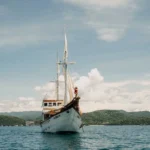 from $445 per person
 -
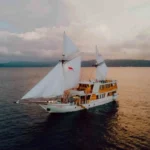 from $445 per person
 -
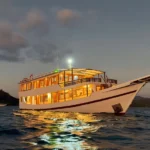 from $450 per person
 -
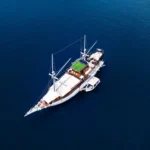 from $700 per person
 -
 from $755 per person
 -
 from $835 per person
 -
 from $900 per person
 -
 from $945 per person
 -
 from $1,283 per person
 -
 from $1,285 per person
 -
 from $1,300 per person
 -
 from $1,370 per person
 -
 from $1,425 per person
 -
 from $1,455 per person
 -
 from $1,650 per person
 -
 from $1,955 per person
 -
 from $2,040 per person
 -
 from $2,125 whole boat Approx. $304/person at full occupancy
 -
 from $2,205 per person
 -
 from $2,370 per person
 -
 from $2,380 per person
 -
 from $2,400 per person
 -
 from $2,400 per person
 -
 from $2,455 per person
 -
 from $2,490 per person
 -
 from $2,525 per person
 -
 from $2,550 per person
 -
 from $2,735 per person
 -
 from $3,100 per person
 -
 from $3,280 per person
 -
 from $3,290 per person
 -
 from $3,402 per person
 -
 from $3,500 per person
 -
 from $3,520 per person
 -
 from $4,730 whole boat Approx. $394/person at full occupancy
 -
 from $4,805 per person
 -
 from $4,810 per person
 -
 from $4,900 whole boat Approx. $377/person at full occupancy
 -
 from $4,931 per person
 -
 from $5,250 per person
 -
 from $5,920 per person
 -
 from $5,928 whole boat Approx. $371/person at full occupancy
 -
 from $6,200 whole boat Approx. $775/person at full occupancy
 -
 from $6,705 whole boat Approx. $479/person at full occupancy
 -
 from $6,995 per person
 -
 from $8,000 whole boat Approx. $1,333/person at full occupancy
 -
 from $8,250 whole boat Approx. $295/person at full occupancy
 -
 from $8,890 per person
 -
 from $8,900 whole boat Approx. $989/person at full occupancy
 -
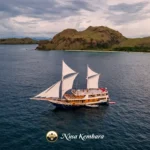 from $10,965 whole boat Approx. $685/person at full occupancy
 -
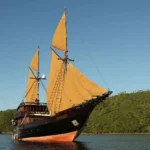 from $12,065 per person
 -
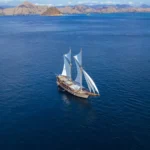 from $14,490 whole boat Approx. $1,811/person at full occupancy
 -
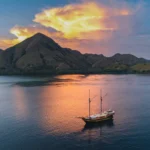 from $16,290 whole boat Approx. $2,036/person at full occupancy
 -
 from $18,135 whole boat Approx. $3,023/person at full occupancy
 -
 from $18,600 whole boat Approx. $3,720/person at full occupancy
 -
 from $18,600 whole boat Approx. $4,650/person at full occupancy
 -
 from $19,497 whole boat Approx. $9,749/person at full occupancy
 -
 from $20,812 whole boat Approx. $3,469/person at full occupancy
 -
 from $33,300 whole boat Approx. $1,850/person at full occupancy
 -
 from $50,000 whole boat Approx. $4,167/person at full occupancy
 -
 from $56,000 whole boat Approx. $4,667/person at full occupancy
 -
 from $58,240 whole boat Approx. $4,853/person at full occupancy
 -
 from $70,000 whole boat Approx. $11,667/person at full occupancy
 -
 from $74,800 whole boat Approx. $7,480/person at full occupancy
 -
 from $76,160 whole boat Approx. $6,347/person at full occupancy
 -
 from $80,000 whole boat Approx. $5,714/person at full occupancy
 -
 from $80,000 whole boat Approx. $5,714/person at full occupancy
 -
 from $81,000 whole boat Approx. $5,786/person at full occupancy
 -
 from $84,000 whole boat Approx. $7,000/person at full occupancy
 -
 from $100,000 whole boat Approx. $5,556/person at full occupancy
How These Boats Compare
Ranges are the spread across the boats listed on this page and update automatically as the fleet changes. Komodo National Park entrance and ranger fees are excluded from every figure.
Gallery

Day-by-Day at a Glance
- Day 1Labuan Bajo → Sabolon or Siaba Besar (check dive) → Batu Bolong (overnight at anchor)
- Day 2Castle Rock → Crystal Rock → The Cauldron (Shotgun) → Golden Passage → Gili Lawa (overnight at anchor)
- Day 3Karang Makassar (Manta Point) → Mawan → Tatawa Besar → Taka Makassar (overnight sail south)
- Day 4Manta Alley → Cannibal Rock → Yellow Wall of Texas → Three Sisters (overnight sail north)
- Day 5Siaba Besar or Sabolon → Labuan Bajo
Itinerary
Labuan Bajo, the check dive and Batu Bolong at slack
Pickup from Komodo Airport or your hotel, boarding at the harbour, and a gear and weight check before anything else. Certification cards and logbooks are inspected here, and Komodo is one of the few destinations where crews genuinely turn people away: the north sites are not a place to discover you are underweighted.
The check dive is a shallow, currentless site — Sabolon or Siaba Besar — done for buoyancy rather than for the marine life. If the tide cooperates, the afternoon dive is Batu Bolong, a pinnacle rising from deep water with coral cover that survives precisely because nobody can anchor on it. It is dived at slack only, on a strict window, and the crew will move the schedule to hit it.
Lunch, DinnerThe north currents: Castle Rock, Crystal Rock and the Cauldron
The hardest and best diving of the trip, all of it around Gili Lawa. Castle Rock is a submerged seamount where the current splits and the predators queue: grey reef sharks, giant trevally and dogtooth tuna working the fusilier schools. It is a negative entry and a reef hook dive, and the briefing is longer than the dive.
Crystal Rock sits shallower with better light and the same current. The Cauldron, universally called Shotgun, is the signature: you drift into a bowl, the water accelerates through a narrow channel, and it fires you out over the reef with no finning required. Golden Passage closes the day as a straight drift. Four dives is the normal count here, and a fifth is offered as a night dive at Gili Lawa.
Breakfast, Lunch, DinnerManta day: Karang Makassar, Mawan and Taka Makassar
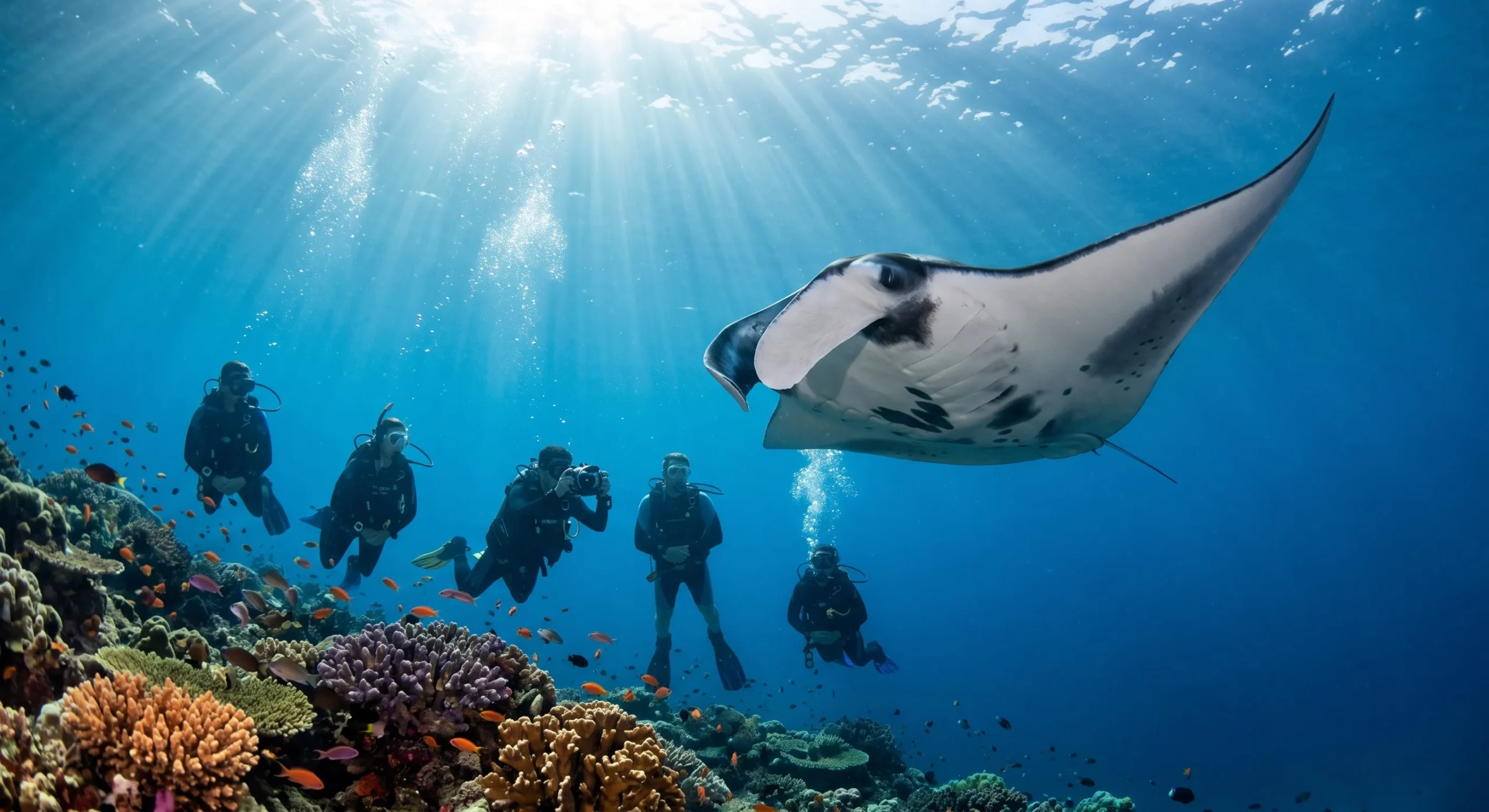
Karang Makassar is a rubble channel that would be unremarkable without the reef mantas that come in to be cleaned. Two to twelve animals is a normal morning, and the technique is to settle on the sand well back from the cleaning station and let them pass. Chasing them empties the site, which is why guides brief this stop harder than the shark dives.
Mawan is the second manta option and often the better one when Karang Makassar is crowded. Tatawa Besar is an easy soft-coral drift, deliberately placed as recovery after two days of current. Taka Makassar is a surface interval on a crescent sandbar rather than a dive. The boat runs south overnight, and the water temperature starts dropping before breakfast.
Breakfast, Lunch, DinnerThe cold south: Manta Alley, Cannibal Rock and the muck
Southern Komodo is a different ocean. Upwelling from the Indian Ocean drops the temperature to 22 to 25 degrees, visibility falls to ten or fifteen metres, and the trade is a density of life that the clear north does not have. A 5mm suit is the minimum and a hood is not an affectation.
Manta Alley is a narrow channel between rock walls where mantas stack up in the current, reliable enough that boats plan the day around it. Cannibal Rock is the site that made the south famous: an underwater seamount carpeted in soft coral, crinoids and sea apples, with pygmy seahorses and frogfish for anyone diving slowly. Yellow Wall of Texas is the same ground on a vertical face. Three Sisters closes the day if conditions allow. This is macro and photography diving, not big-animal diving.
Breakfast, Lunch, DinnerA last north dive, then back to Labuan Bajo
One easy morning dive in the warm north — Siaba Besar for green turtles over the seagrass, or Sabolon if the schedule is tight — then gear is rinsed and hung while the boat runs in.
Alongside in Labuan Bajo late morning. Do not book a flight the same afternoon. The standard guidance is 18 hours after a single dive and 24 after repetitive or multi-day diving, and this itinerary is emphatically the second. Most crews will tell you the last dive is optional for exactly this reason.
BreakfastWhat's Included
- IncludedHotel Pickup / Drop-off, Accommodation Onboard, 3 Meals Daily, Snacks, Coffee & Tea, Drinking Water, Dive Guide, Local Guide / Ranger, Towels & Toiletries
- Not includedKomodo National Park Entrance Fee, Ranger & Trekking Fee, Crew Gratuity, Dive Equipment Rental, Nitrox Surcharge, Travel / Dive Insurance, Flights, Alcoholic Beverages, Personal Expenses
- Komodo National Park feeNot included
- What to bring
Bring the certification card and logbook accepted by the operator, proof of dive insurance if required, the passport or Indonesian ID used for SiOra, dive computer, surface marker buoy and exposure protection suitable for the confirmed sites. Ask the operator whether reef hooks are permitted and supplied. Pack essential spares for personal equipment, reef-safe sun protection, dry bag and personal medication. Complete visitor and dive-plan registration before departure; government guidance is to arrange access by H-1.
- CancellationModerate
- Policy detail
Terms are set by the operator, not by KomodoInsider, and this fleet spans two very different booking models. Read the wording that applies to yours.
Cabin bookings on shared departures follow the dive-liveaboard norm: 20 to 30 percent deposit at booking, balance due 60 to 30 days out, sliding forfeit as the date approaches. Popular north-season weeks sell 6 to 12 months ahead, so the practical constraint is availability rather than the refund schedule.
Full-boat charter is stricter: 30 to 50 percent non-refundable once dates are held, balance non-refundable inside 30 to 60 days, full forfeit in the final window.
Two things specific to diving. First, an operator that declines you on medical or competency grounds after the check dive is generally not obliged to refund the dives you do not do — declare medical conditions at booking, not at boarding. Second, weather cancellations in Komodo almost never cancel a trip; the crew reorders the itinerary and the southern leg is the first thing dropped, which is worth knowing if the south is why you booked.
- Notes
Dive inclusions vary by vessel. Confirm tanks, weights, equipment rental, dive guides, nitrox, insurance requirements, planned dive count and any training or rental charges in writing. Flights, alcohol, personal purchases and crew gratuities are generally separate. Komodo National Park entrance and the scuba activity charge are separate unless expressly included. Register each visitor and dive plan through SiOra before departure, complete cashless payment in advance, and see “What the Park Costs” for the current official schedule.
Operator-declared. Specifications and rates on this page are as published by the operator and their booking agents, not independently inspected by KomodoInsider. Last checked .
Frequently Asked Questions
How much does it cost to dive Komodo on a liveaboard?
Two markets, and the gap is wide. Cabin rates across the
boats here start at
per person on
and reach
on
. Whole-boat charter runs
to
.
Neither figure includes the diving. Tanks, weights, equipment and guiding are charged per dive or per day on top, nitrox is extra on most boats, and Komodo National Park entrance, ranger and dive permit fees are paid separately in cash. Budget those three layers, not just the headline rate.
Do I need to be an advanced diver to dive Komodo?
For the north, effectively yes. Castle Rock, Crystal Rock and The Cauldron are current dives with negative entries and reef hooks, on slack windows measured in minutes. Advanced Open Water plus 30 to 50 logged dives is the common operator floor, and prior drift experience counts for more than the certification card.
The central sites are a different matter. Karang Makassar, Mawan, Siaba Besar and Tatawa Besar are within Open Water limits in normal conditions, and a competent recent diver will be fine on them. Every boat here runs a check dive on Day 1 precisely so the crew can place you honestly, and a crew that declines you the north is doing its job.
When is the best time to dive Komodo?
April to November covers the main season, and inside it the two halves of the park peak at different times. The north is at its best from April to June and September to November: warm, clear, and settled enough to reach the Gili Lawa sites reliably.
The south is a July to September proposition. That is when the upwelling is strongest, which is exactly what makes Cannibal Rock and Yellow Wall of Texas worth the cold and the reduced visibility. January and February are monsoon and most liveaboards reposition out of Komodo entirely.
Can you see manta rays diving in Komodo?
Yes, and more reliably than almost anywhere else in Indonesia. Karang Makassar, universally called Manta Point, is a rubble channel where reef mantas come in to be cleaned; two to twelve animals on a morning is normal. Mawan is the second station and is often better when Karang Makassar is busy.
Manta Alley in the south is the third, a narrow channel between rock walls where the animals stack up in the current. Sightings track the tide rather than the calendar, which is why crews reorder the day around it. Settle on the sand and let them come — chasing them clears the site.
Are there sharks in Komodo, and is it safe to dive with them?
Grey reef and whitetip reef sharks are resident on the northern seamounts, and Castle Rock in particular reliably holds them hunting in the current alongside giant trevally and dogtooth tuna. Blacktips patrol the shallows almost everywhere in the park.
They are not the hazard on these dives. The current is. Every serious incident in northern Komodo involves divers being separated or swept, which is why surface marker buoys, audible signals and staying with the guide are briefed harder here than the marine life.
How cold is the water in southern Komodo?
22 to 25 degrees Celsius, against 27 to 29 in the north, and the drop is abrupt rather than gradual. Upwelling from the Indian Ocean side is the cause, and it is also the reason the south is so productive.
A 3mm suit that feels generous on Day 2 will cut a southern dive short on Day 4. A 5mm plus a hood is the working minimum, and gloves are worth carrying. This is the single most common packing mistake divers make in this park.
How many dives do you get on a Komodo liveaboard?
Three to four a day is standard on a dedicated dive boat, with a night dive offered on at least one evening — so roughly 14 to 18 dives across a five-day itinerary. That count is what separates the dive boats on this page from the yachts that carry an instructor as one amenity among several.
The final morning is usually one easy dive or none, because of the flight interval. Allow 18 hours after a single dive and 24 after repetitive multi-day diving before flying, and Labuan Bajo departures make that a real constraint rather than a formality.
Can non-divers join a Komodo diving liveaboard?
They can board, but it is rarely a good trip for them. A dive itinerary anchors at dive sites, not at Padar or Pink Beach, and four dives a day means long stretches on the boat with nothing scheduled. Some operators offer a reduced non-diver rate; ask before assuming it exists.
Mixed groups are almost always better served by a park itinerary with diving arranged separately. A 4 day 3 night Komodo tour covers the dragons, Padar and Pink Beach with snorkelling throughout, and suits a household where only one person dives.
What the Park Costs
| What you pay | Amount | Basis |
|---|---|---|
| Park entrance, foreign visitor | Rp 250,000 ≈ $14 | per person, per visit Identical on weekdays and public holidays. Already includes trekking, wildlife observation and snorkelling inside the park. |
| Park entrance, Indonesian visitor, weekday | Rp 50,000 ≈ $3 | per person, per visit Raised from Rp 35,000 in October 2024. |
| Park entrance, Indonesian visitor, weekend or public holiday | Rp 75,000 ≈ $4 | per person, per visit The holiday uplift applies to the Indonesian rate only. |
| Park entrance, Indonesian student group | Rp 25,000 ≈ $1 | per person, per day Group bookings only. |
| Scuba diving permit | Rp 25,000 ≈ $1 | per diver, per day Charged on top of the entrance fee. Snorkelling is not charged separately. |
| Vessel entry | varies | Assessed on the engine capacity of the boat, so it is normally settled by the operator rather than by passengers. |
- Booking runs through SIORA, the park's own system, and is handled by a licensed operator before arrival. There is no ticket window at the gate.
- A daily cap of 1,000 visitors applies across the park, split between Komodo, Rinca and Padar and the dive sites around them.
- Entry runs in sessions rather than all day, which is why a boat's arrival time is set by the park and not by the crew.
- A drone permit is separate, expensive, and has to be requested well in advance.
Statutory rates set by Peraturan Pemerintah No. 36 Tahun 2024, in force since 30 October 2024. Checked 25 August 2026. Amounts are payable in rupiah; dollar figures are converted at Rp 17,900 and rounded. A rise in the foreign rate was under government review in April 2026 and had not taken effect.
Verification & Booking Notes
Traveller Reviews
Add a review
Who This Suits
Right for you if you are certified, current, and want the north sites. Castle Rock, Crystal Rock and The Cauldron are the reason people fly to Labuan Bajo, and they are current dives on a short slack window. Operators vary in what they ask for, but Advanced Open Water plus a logged 30 to 50 dives is the common floor for the north, and drift and reef-hook experience matters more than the card.
Photographers get the most from the south. Cannibal Rock and Yellow Wall of Texas are macro grounds — pygmy seahorses, frogfish, nudibranchs, sea apples — and the cold green water that ruins the wide-angle shots is exactly what feeds them. Solo divers are well served:
of the boats here sell individual berths, so a shared departure is not a fallback.
Think again if you are freshly certified. A liveaboard is a poor place to build the first twenty dives, and Komodo is a poor place to build them fast. Labuan Bajo day-boat diving on the calm central sites is the better entry, and several operators here will run a refresher on Day 1 but will still decline the north on the second day if the check dive goes badly. That is a feature.
Also think again if only one of you dives. Four dives a day means the non-diver spends the trip on the boat, because a dive itinerary does not stop at Padar or Pink Beach on the way. Mixed groups are better served by a snorkelling itinerary with diving arranged separately.
Non-divers who want the park itself, and families, should start with a standard park itinerary rather than this one.
Cruise Areas
- Komodo
Activities
- Diving
- Snorkeling
- Island Hopping
- Wildlife Watching
- Photography
Location
East Nusa Tenggara, Indonesia