
Komodo Diving Currents: How Tides Change the Dive Plan
Komodo currents change by channel, site and tidal window. Understand what that means for routes, briefings and diver suitability.
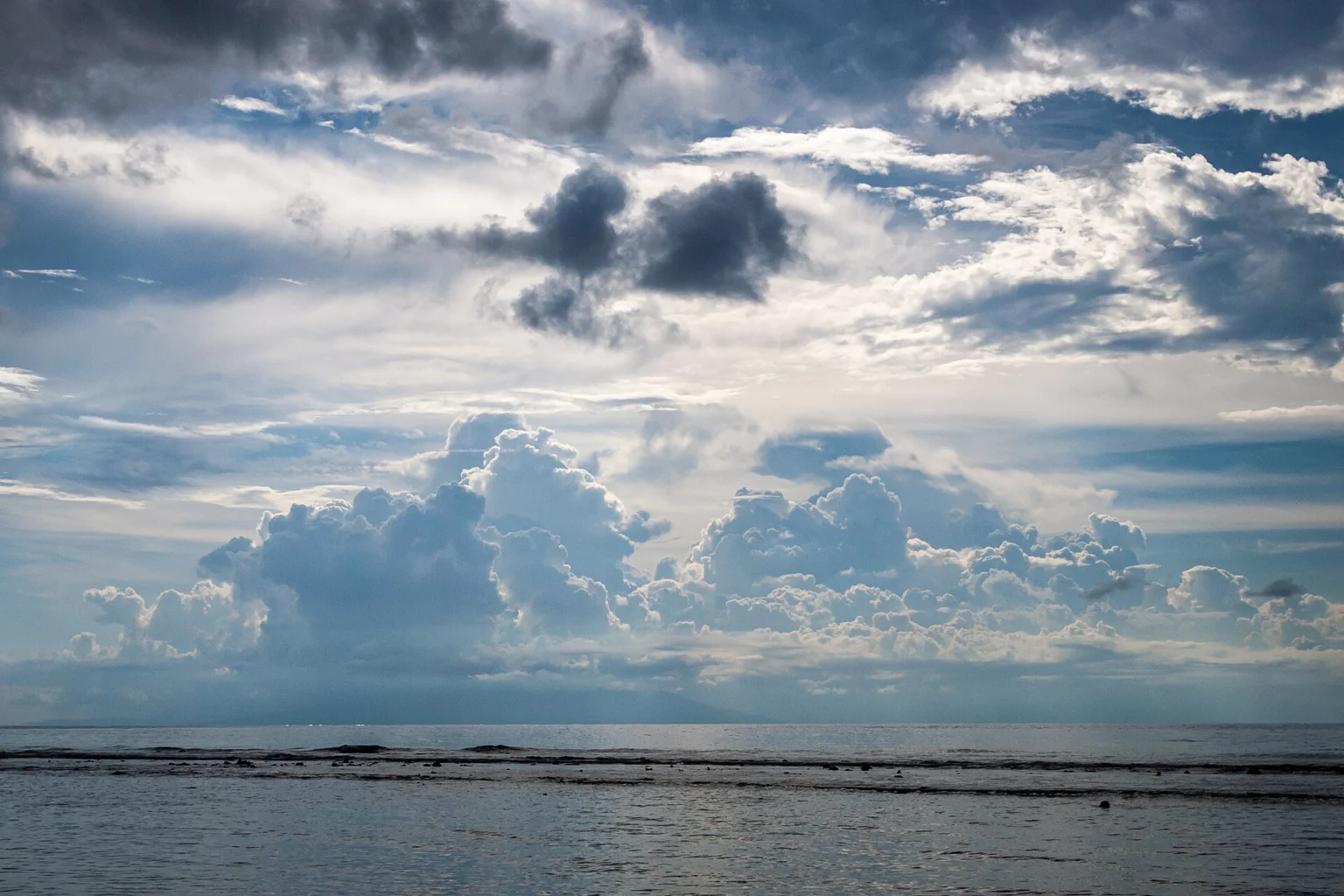
Komodo diving currents are not equally strong everywhere or all day. Flow accelerates around pinnacles, through channels and near exposed corners, then changes as the tide turns. A credible operator plans the site, entry point and route around that window instead of treating the published itinerary as fixed.
Why Komodo Has So Much Current
Komodo National Park is a maze of islands between larger bodies of water. Tidal exchange is pushed through narrow passages and around underwater structures. UNESCO specifically notes the rapid exchange of nutrient-rich water that supports the park’s reefs and marine life.
That flow is not just a hazard. It is one reason fish gather on current-facing reefs, soft corals thrive and pelagic species appear around exposed sites. Remove the current and you remove part of what makes Komodo exceptional.
Tide Is a Clock, Current Is the Local Result
A tide table predicts the rise and fall of sea level for a reference location. It does not tell a visiting diver exactly what the water will do behind every island. Local geography, wind, recent weather and the shape of the site change the result.
This distinction explains why experienced Komodo guides combine tide information with observation. They may check the water from the tender, watch surface texture, use local timing knowledge and change the entry point. “High tide” by itself is not a dive plan.
Four Current Situations Divers Encounter
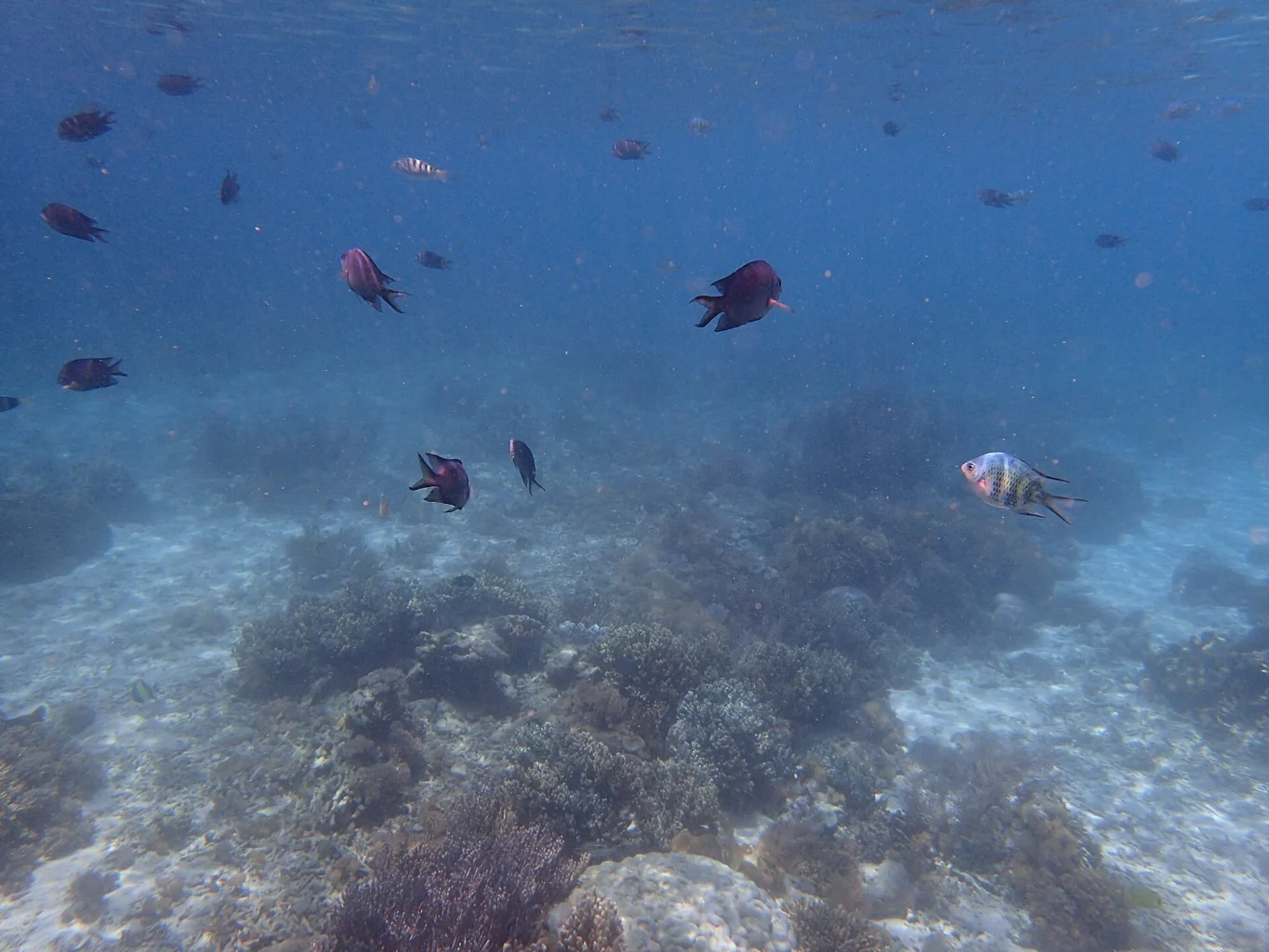
| Situation | What it means | Planning response |
|---|---|---|
| Drift current | The group moves with the water along a reef or channel | Coordinated entry, surface tracking and planned pickup |
| Current shadow | One side of a pinnacle or ridge is protected while the exposed side runs fast | Stay on the planned side and avoid accelerating corners |
| Changing or split flow | Water direction differs across the site or changes during the dive | Shorten, reroute or cancel based on the guide’s observation |
| Vertical movement | Water moves up or down around walls, ridges or complex terrain | Requires awareness, buoyancy control and conservative site selection |
The table is descriptive, not a substitute for training. Divers should follow the local professional’s briefing and stay within their training. If a condition is outside your comfort, saying so is part of safe dive planning.
How Current Changes Famous Komodo Sites
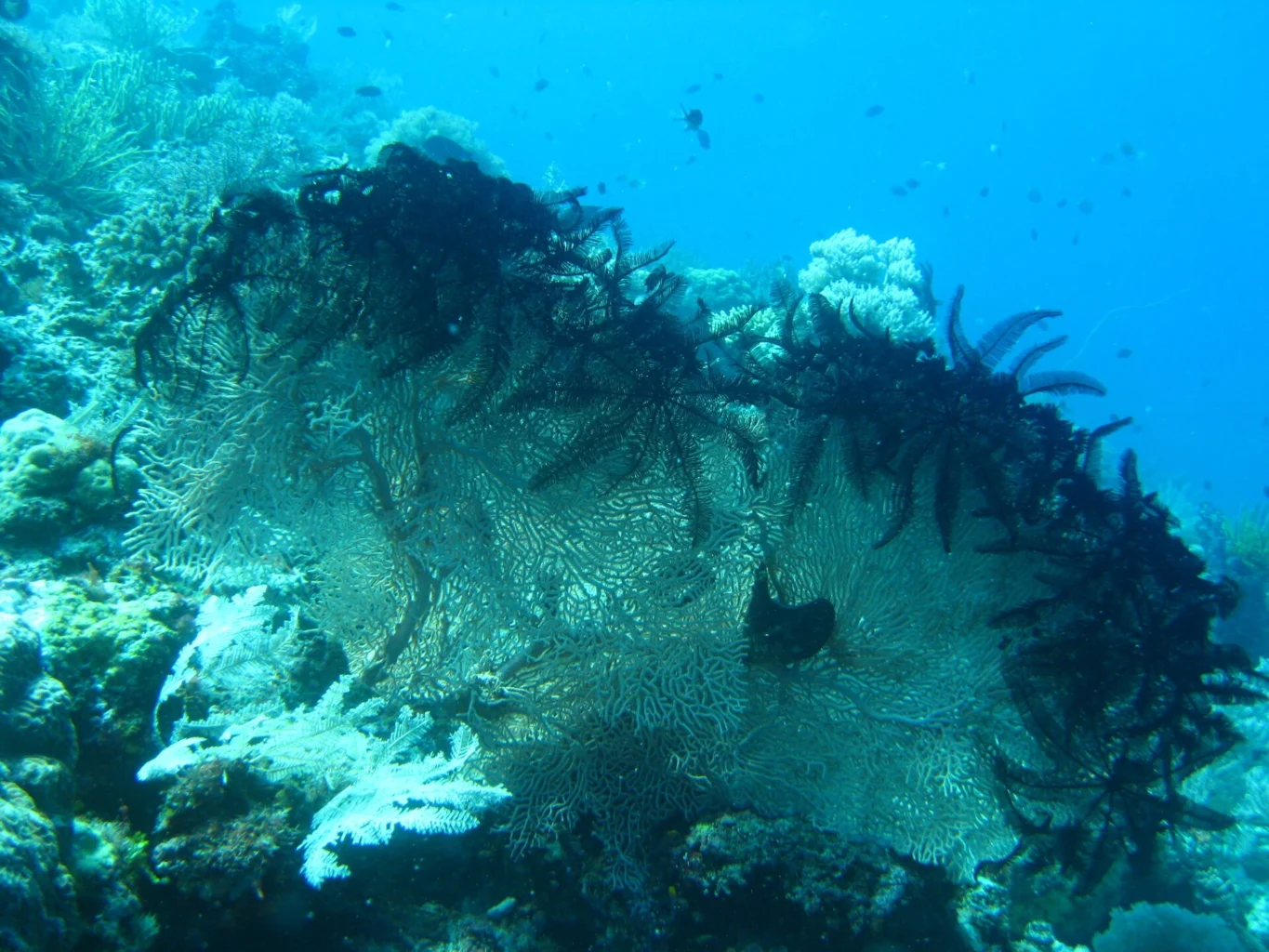
The Cauldron is defined by channel flow. Its popular nickname, Shotgun, describes the sensation of water accelerating through part of the route. It should not be approached as the same dive at every tide.
Batu Bolong is an exposed pinnacle. The guide normally chooses a side protected from the strongest flow and avoids corners where the current can accelerate or pull the group away from the structure.
Manta Point is shallow, but shallow does not mean still. It is commonly dived as a drift, and the crew must consider both the group and surface boat traffic.
The northern pinnacles add blue-water exposure, while the southern sites combine current with cooler water and longer surface logistics.
What a Good Current Briefing Should Cover
- Expected direction and strength of flow
- Entry method and whether the group enters together
- Maximum depth and the protected part of the site
- Features or corners the group must not cross
- What to do if separated from the guide or buddy
- Surface signalling equipment and pickup procedure
- Conditions that would cause the dive to be shortened or cancelled
DAN’s current-diving guidance emphasizes group planning and surface visibility. In Komodo, where divers may surface away from the initial entry, the boat or tender’s tracking procedure is a core part of the dive.
Equipment That Supports the Plan
Equipment does not make an unsuitable dive suitable, but the right setup supports the team’s procedure. Ask whether each diver carries a delayed surface marker buoy and audible signal, whether the guide carries a reel, and how the tender tracks the group.
Streamlined equipment and stable buoyancy reduce task loading. Underwater photographers should be realistic: a large camera can make current management more demanding, and the guide may recommend leaving it aboard for a particular site.
Reef hooks are used by some operations at selected sites, but they are not a universal solution and must never be attached to living coral. Follow the site’s current rules and the operator’s briefing.
How Current Should Change Your Itinerary
A strong Komodo trip itinerary names target zones and experiences while keeping individual sites conditional. This is not vague planning; it is evidence that the operator understands the water.
Longer trips create more usable windows. A 3D2N route can cover the central highlights, while a 4D3N route gives the crew more options to reposition or wait. Dedicated dive routes may run longer still.
Preparing for Current Before the Trip
The useful preparation is not memorising one site’s tide. Refresh buoyancy, controlled descents, buddy communication and surface-signalling skills before travel. If you have not dived recently, schedule a refresher and tell the operator before the departure day.
Ask the operator to separate current experience from certification. A diver may hold an advanced card without recent drift practice, while another may have relevant experience within a lower depth qualification. Both details affect site choice.
When the Best Decision Is to Skip the Dive
A guide may replace or cancel a dive because the flow, visibility, sea state or group’s performance has moved outside the planned margin. That decision protects the trip. It should not be treated as failure to deliver a named attraction.
Divers should also opt out when unwell, unusually anxious, poorly rested or uncomfortable with the briefing. Komodo offers many sites; no individual dive is worth overriding a clear personal limit.
Current Planning for Photographers
A camera changes drag, hand availability and attention. Discuss the housing size with the guide and ask whether the planned entry is compatible. For a check dive or fast channel, leaving the camera aboard may produce a safer and more enjoyable first session.
Photographers choosing a Komodo liveaboard should also verify camera tables, charging rules, rinse storage and whether photography groups are separated from faster-moving divers. These operational details determine the experience more than a long list of sites.
Surface Conditions and Underwater Current Are Different
A calm-looking anchorage does not prove the dive site is calm below, and a choppy surface does not describe the entire water column. Wind, swell and tidal flow are related operational factors but not interchangeable measurements.
This is another reason remote planning has limits. The captain and dive team combine the forecast, route, surface observation and local site knowledge. Travellers should expect the final decision close to the dive rather than weeks before departure.
Questions to Ask Before Buying a Current-Focused Trip
- How does the operation group divers by recent experience?
- Does every diver carry a surface marker and audible signal?
- Is the group followed by a dedicated tender?
- Which sites are targets and which are conditional?
- What easier alternatives exist if the flow is too strong?
- Can a diver sit out without pressure if the briefing exceeds their comfort?
Common Myths About Komodo Current
“Every dive is extreme.” False. Komodo has protected reefs as well as exposed sites.
“Advanced certification makes every site appropriate.” False. Recent ability and conditions still decide.
“Slack water removes all risk.” False. Timing estimates, site geometry and local weather can still change the dive.
“Stronger current always means a better dive.” False. Productive flow can concentrate marine life, but excessive current can make the intended route unsafe or unenjoyable.
Frequently Asked Questions
Are Komodo currents always strong?
No. Strength varies by site and time. Komodo also has protected sites, while exposed structures can change quickly around tidal transitions.
Can beginners dive in Komodo currents?
Beginners can dive selected sheltered sites under suitable supervision. Current-heavy dives require additional experience and may be restricted by the operator.
What is slack water?
It is the period around a change in tidal flow when local current may ease. Its timing and effect differ by site, so the guide uses more than a generic tide time.
Why do Komodo itineraries change?
Tide, weather, sea state, park rules and diver ability all affect site choice. A route change can be evidence of responsible planning.
Do I need a reef hook?
Not for every dive. Use one only where permitted and when the guide has briefed its use. It must never be attached to living coral.
For a route-specific programme, compare dive komodo and ask the named operator which boat, guide and sites match your departure.
