
Why a Komodo Boat Itinerary Can Change
Weather, tides, currents and sailing permission can affect Komodo boat stops. Ask how an operator chooses and explains alternatives.
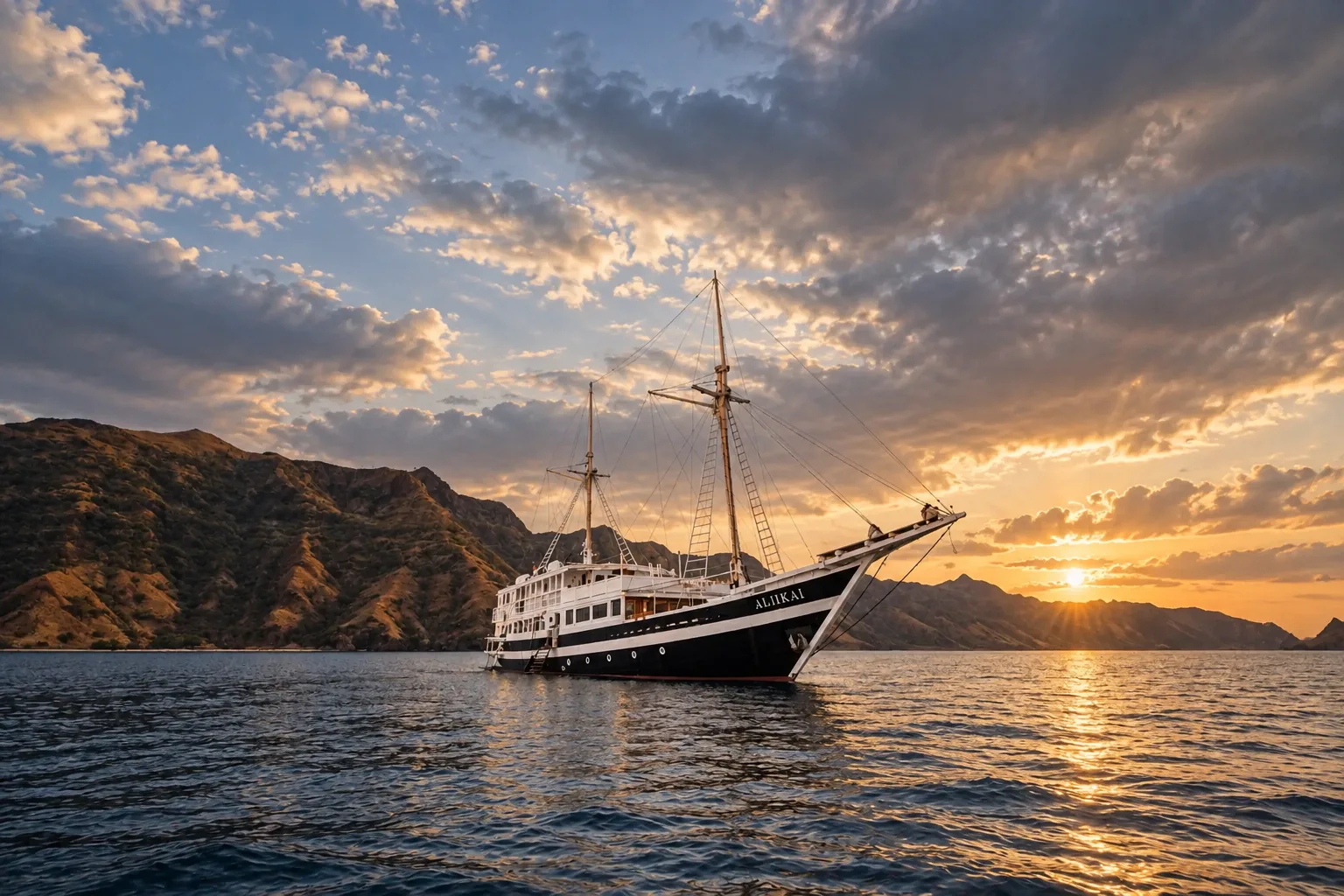
The itinerary for a Komodo island trip is a plan for a sea journey, not a guarantee that every named beach, dive site and landing will be usable. Wind, swell, tidal current, visibility, harbour instructions and conditions at the shore can differ between stops on the same day. The useful booking question is how the operator decides on a substitute and tells guests when the plan changes.
What changes a stop?
BMKG publishes separate forecasts for Labuan Bajo waters and Komodo National Park waters. A calm harbour reading does not establish conditions at a more exposed island. An Indonesian maritime-authority Labuan Bajo notice identifies strong currents, wind and grounding hazards at specific local waters and instructs operators to monitor weather before requesting sailing approval. Weather forecasts are time-sensitive; consult the live feed for the actual departure. Use our guide to Komodo weather and sailing seasons for month-level planning, then refresh the marine forecast for your departure.
A landing can also depend on tide and tender access. A seller’s Taka Makassar description explains the tidal sandbank and small-boat transfer. That is a specific example of why “visit Taka Makassar” still requires suitable conditions when the boat arrives. It is not a promise of a safe landing on every date.
How to understand an alternative
| Original plan | What to ask if it changes |
|---|---|
| Komodo or Rinca ranger walk | Is the substitute a comparable guided wildlife visit, and is it operating that day? |
| Padar viewpoint | Is any safe landing available? What happens to that hike if the stop is omitted? |
| Manta or snorkel site | Which site is safe for the group and current conditions? Is the activity still suitable? |
| Beach or sandbank | Is the tide or tender transfer the limiting factor, and is another beach possible? |
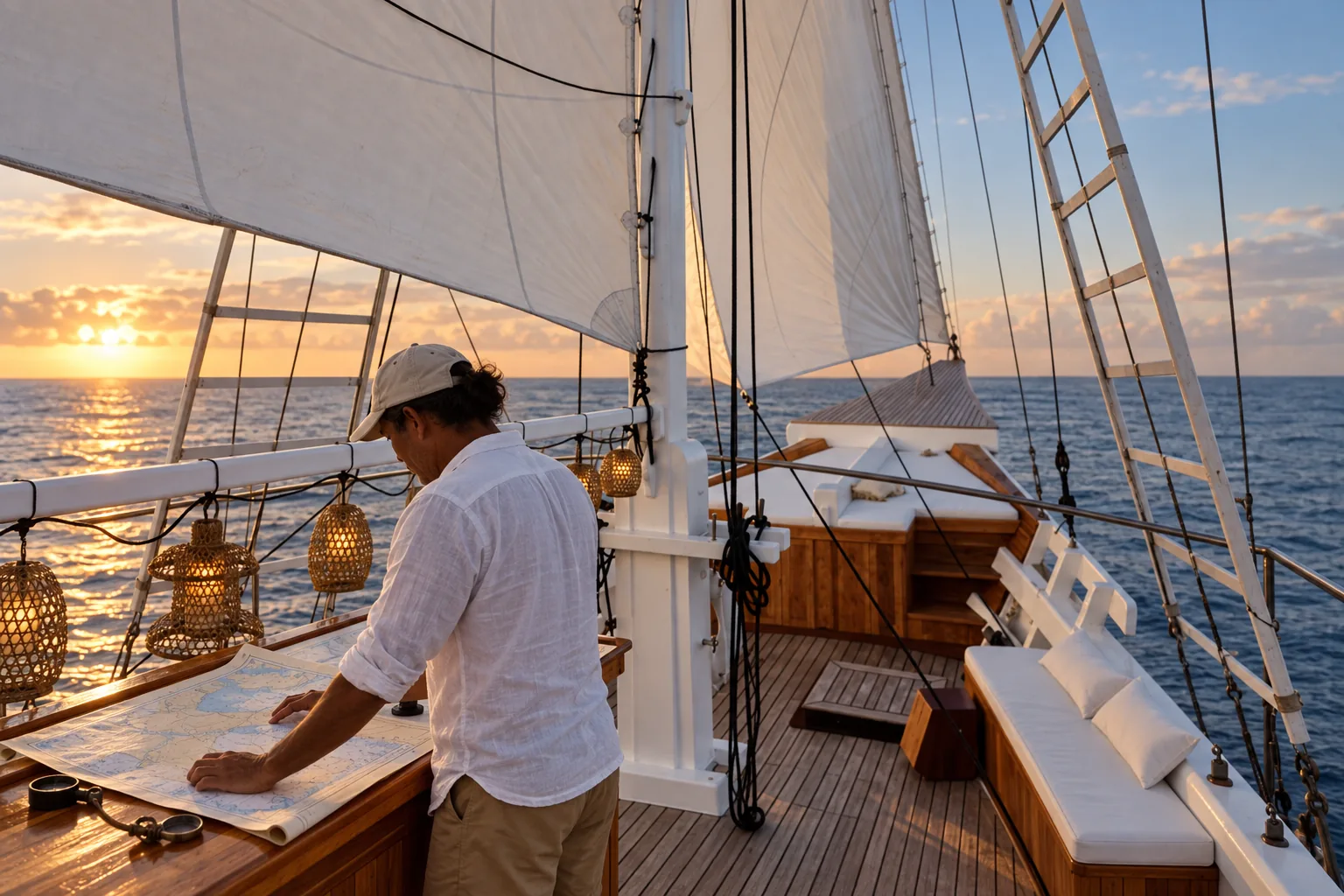
These are decision questions, not promised one-for-one swaps. The 4D3N Tour describes a route archetype; the captain and local authorities still govern an actual sailing. Ask whether its main experiences or simply the order can change, who signs off, and how the crew communicates a revised plan before leaving the original stop.
Before and during the trip
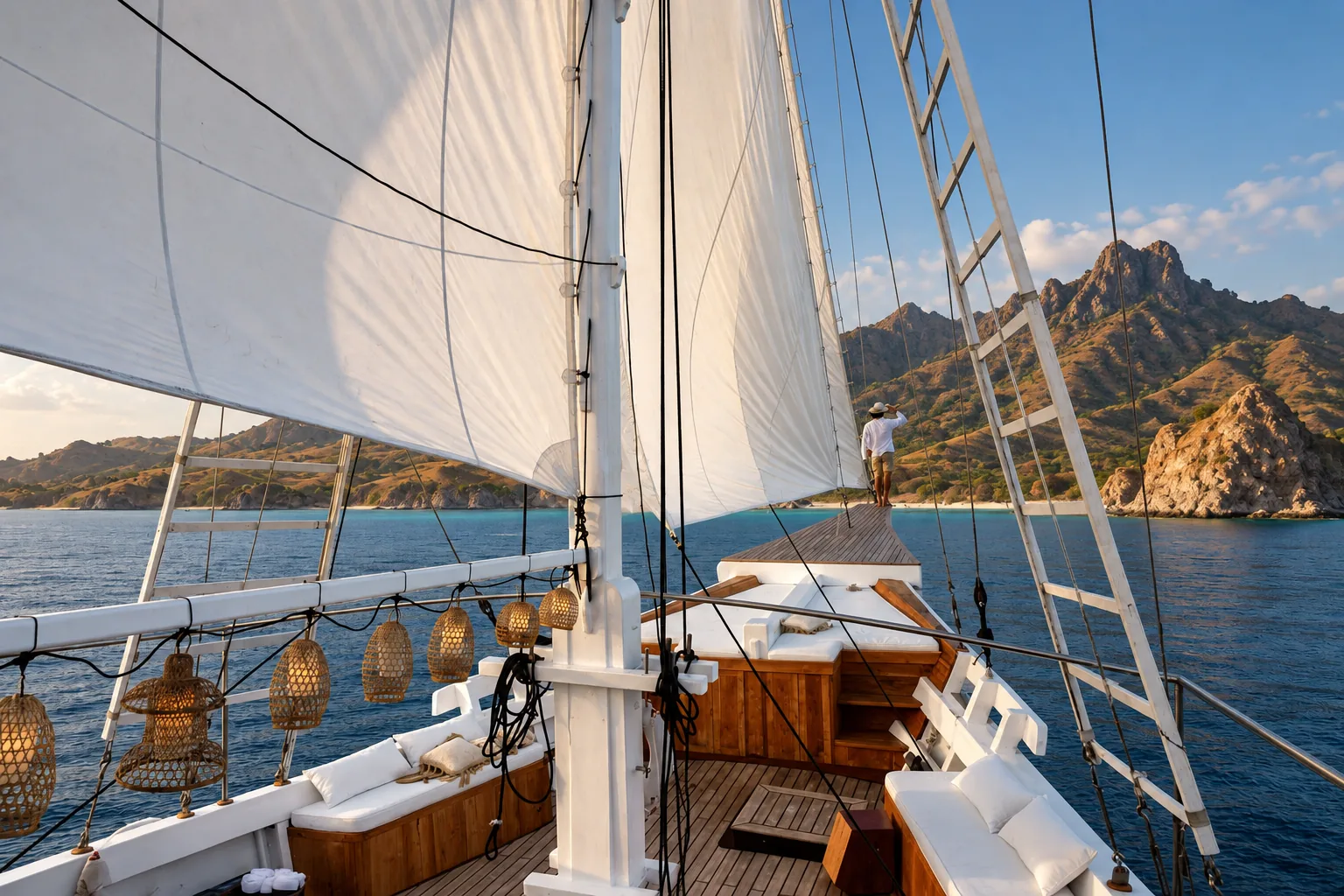
Before booking, ask for an itinerary with clearly marked conditional stops and the written terms for replacement, shortened routes and unused components. On board, listen for the guide’s updated briefing; ask which factors changed, what alternative is proposed, how much travel time it adds and whether you need new equipment or a different fitness level. Raise a concern promptly with the guide or booking contact and keep the update in writing where practical.
If a sailing cannot depart, that is a booking-terms issue, distinct from swapping a single shore stop. Read the contract for your boat rather than assuming a universal refund rule. No captain interview or dated voyage log was obtained for this guide; the examples are grounded in authority notices and operator descriptions and need local confirmation before publication as observed practice.
Ask for an alternative plan, not a promise of identical sights
When the operator moves or drops a stop, ask what observation prompted the decision, who made it, what activity replaces it and whether the change affects park charges, access or return time. A national forecast for the wider waters is context; the captain and local authority still assess conditions for the specific route. A change at one sandbank does not prove all islands are closed.
Keep three commitments separate: the boat’s safe sailing, the park’s permission for the intended sites and the seller’s commercial inclusions. If the harbor is formally closed, the issue is whether a trip can depart. If the captain changes one stop while the voyage continues, the issue is how the itinerary is adapted. The booking document should explain both without promising wildlife sightings or a fixed “compensation” for every change.
What a longer route can and cannot do
A longer sailing can give more scheduling options, but it remains subject to weather and site access. Compare the komodo tour 4 days 3 nights with a shorter trip if your goal is a less compressed schedule. Then ask the operator how it would redistribute days if conditions prevent one planned landing. The duration is additional time, not immunity from closures.
Use this guide when comparing Komodo liveaboards and Komodo tour packages, then confirm the named vessel, route, duration and final quote before paying.
