
Best Dive Sites in Komodo: Match the Site to Your Level
The best Komodo dive site depends on current, zone and diver experience. Compare the headline sites before choosing a route.
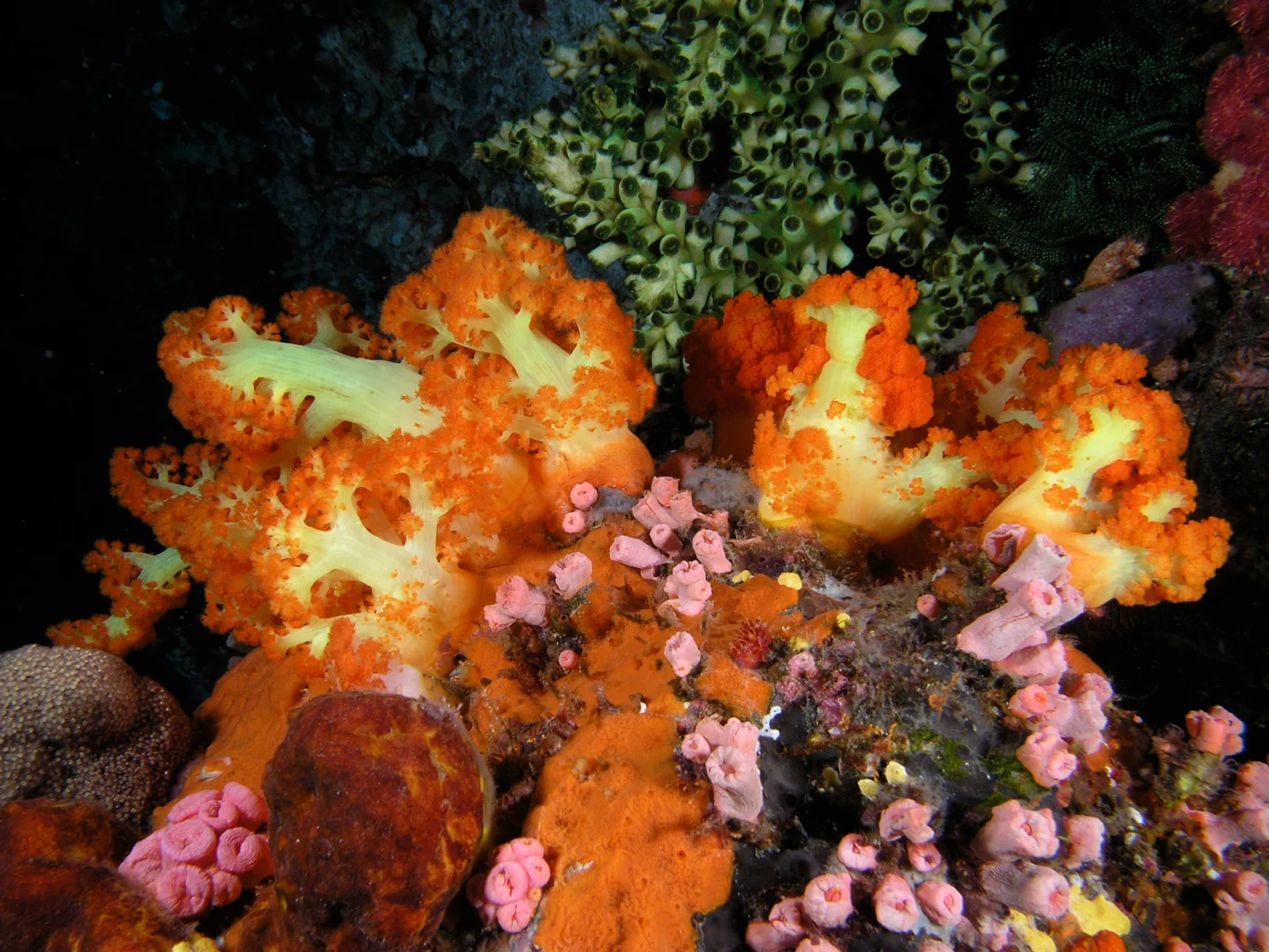
The best dive sites in Komodo are not interchangeable. Choose Manta Point for manta encounters, Batu Bolong for reef density, the northern pinnacles for schooling fish and current, or the southern sites for cooler-water macro life. The best dive on any day is the site whose tidal window matches both the conditions and the group’s experience.
Komodo Dive Sites Compared
| Dive site | Zone | Known for | Typical fit |
|---|---|---|---|
| Manta Point | Central | Manta feeding and cleaning activity over a shallow bank | Varies from accessible to fast drift |
| Batu Bolong | Central | Dense coral and fish life around an exposed pinnacle | Confident divers with good buoyancy |
| Castle Rock | North | Schooling fish, reef sharks and blue-water action | Experienced current divers |
| Crystal Rock | North | Shallow top, fish schools and exposed conditions | Experienced divers |
| The Cauldron | North/Central channel | A current-driven passage often called Shotgun | Confident drift divers |
| Siaba Besar | Central | Turtles and a more protected reef profile | Check dives and newer divers when conditions allow |
| Mawan | Central | Mantas, sandy slope and reef | Mixed levels, current dependent |
| Tatawa Besar | Central | Colourful drift diving | Divers comfortable moving with current |
| Cannibal Rock | South | Cool-water macro life and dense invertebrate growth | Experienced divers on longer trips |
| Manta Alley | South | Remote manta cleaning and feeding areas | Experienced divers, weather dependent |
“Typical fit” is not a certification promise. Site suitability changes with tide, visibility, sea state and the guide’s assessment. A famously difficult site can be manageable in one window and unsuitable later the same day.
Best Sites for Newer Certified Divers
Newer divers should not choose Komodo by fame. They should choose by the operator’s ability to offer protected alternatives and separate experience groups.
Siaba Besar, selected areas around Sebayur and other sheltered reefs are commonly used for check dives or less current-heavy profiles. Mawan and Manta Point may also work in a suitable window, but both can move. A manta site is not automatically a beginner site just because it is shallow.
The goal of the first dive is not to unlock the most famous name. It is to let the guide assess buoyancy, air use, awareness and response to moving water. The public Komodo diving page connects this site comparison to real vessels and published programme data.
Best Sites for Current and Big Fish
North Komodo is the headline area for exposed pinnacles and schooling fish. Castle Rock and Crystal Rock are frequently paired in itineraries, while The Cauldron uses a channel rather than a pinnacle to create its signature drift.
These dives reward disciplined entries, stable buoyancy and following the guide rather than improvising. The current is part of the attraction because it concentrates life, but it also removes the option to run the dive on a convenient fixed schedule.
Batu Bolong sits closer to the central routes but belongs in the same planning conversation. Its exposed rock divides the flow, so the guide normally chooses a protected side and keeps the group away from the corners where water accelerates.
Best Sites for Manta Rays
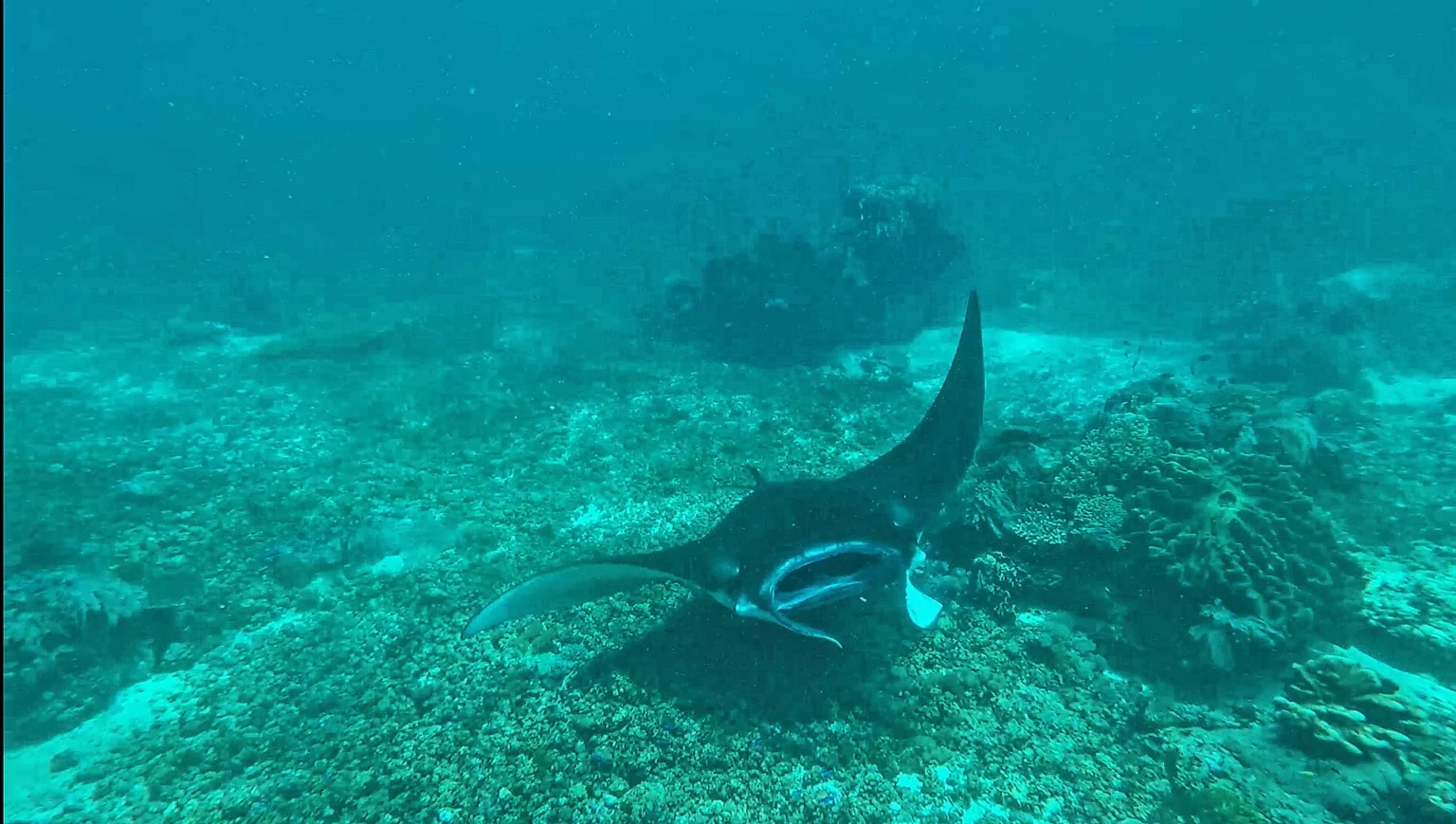
Manta Point, also known as Karang Makassar, is the standard manta site on many Komodo itineraries. It is a shallow drift over a long bank rather than a vertical reef. The site can work for divers and snorkellers, but sightings remain wildlife encounters rather than a guarantee.
Mawan offers another central option. Manta Alley is the remote southern alternative and usually belongs to a longer, dive-focused route. Do not choose between them by name alone; season, sea conditions and the length of your Komodo trip determine which is realistic.
Best Sites for Macro and Cooler-Water Diving
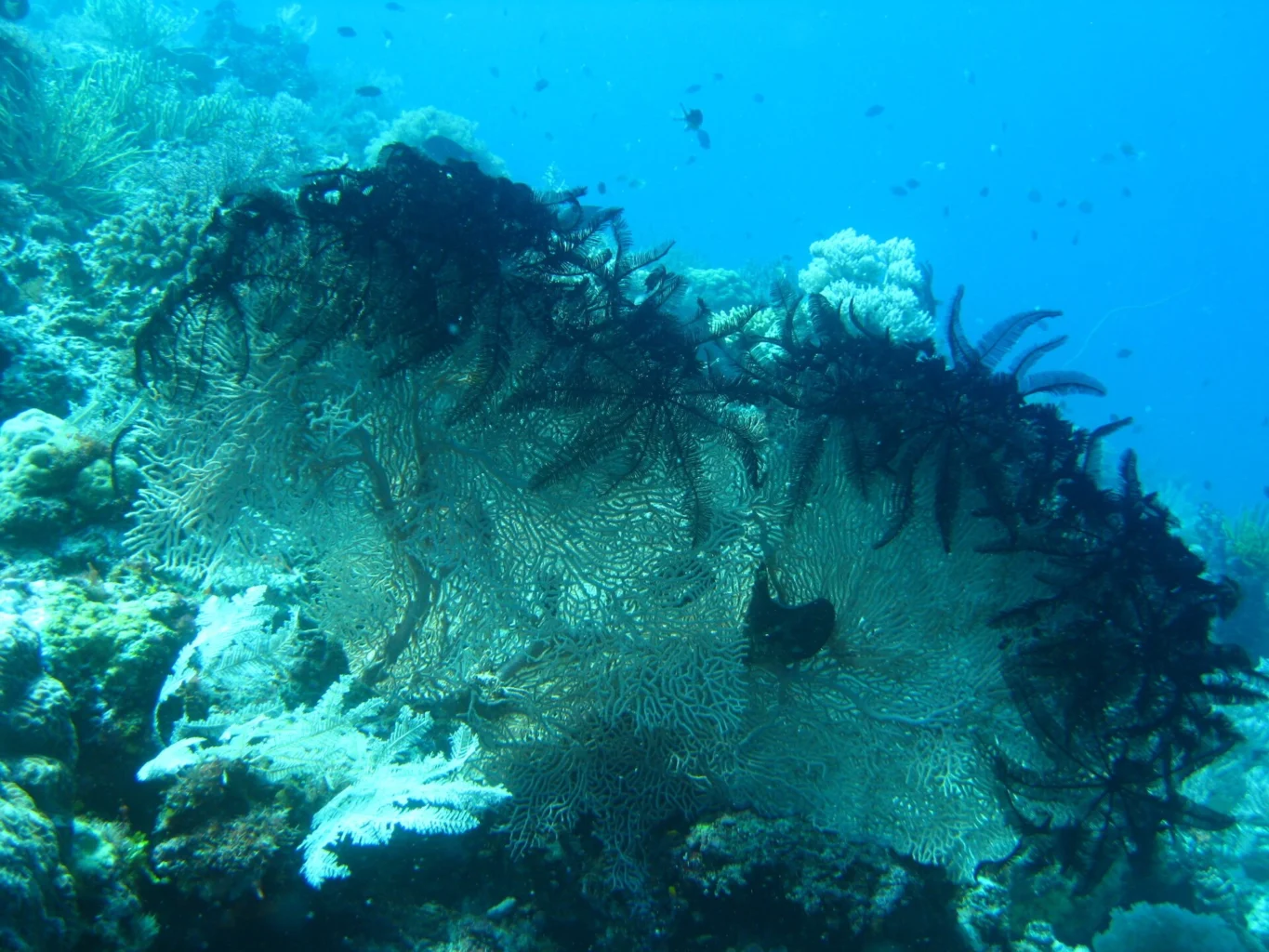
South Komodo has a different visual identity. Cooler, nutrient-rich water supports dense invertebrate life and unusual macro subjects. Cannibal Rock is the best-known name, joined on longer southern itineraries by walls, bays and muck-style dives.
This area demands more time and the correct weather window. It is not an automatic extension of a short central Komodo route. Divers should also confirm exposure protection; a suit comfortable in the north may not be comfortable after repeated southern dives.
How to Choose the Right Site Mix
- Start with experience: recent dives and current comfort, not the highest certification card.
- Choose the zone: central for variety, north for exposed action, south for remote cool-water diving.
- Allow alternatives: never buy an itinerary that treats every named site as guaranteed.
- Give the trip enough days: more days create more tidal windows and weather options.
- Choose the operation: guide ratio, tender support and dive planning matter more than the number of site names in the brochure.
Sample Site Mixes by Trip Goal
First Komodo dive trip: begin with a protected central site, add one manta-focused dive when the tidal window is workable, then progress to a controlled drift. The plan should preserve alternatives rather than promise an exposed pinnacle on day one.
Big-fish and current trip: allow several days for Castle Rock, Crystal Rock, Batu Bolong and The Cauldron. The value of time is not simply adding more dives; it gives the guide multiple chances to match an exposed site to a safe window.
Manta-focused trip: combine central options such as Manta Point and Mawan with a longer southern itinerary only when weather permits. Visibility and manta activity do not always peak together, so decide which matters more.
Macro and photography trip: allocate enough time to reach South Komodo and repeat slower sites. Confirm camera tables, charging, rinse space and guide ratios on the Komodo liveaboard you are considering, not only the destination list.
Why a Longer List Is Not a Better Itinerary
A page that names every famous site can look comprehensive while hiding impossible timing. The north and south are not quick additions to the same short route, and a boat cannot dive two distant zones during the same useful tidal window.
Prefer an itinerary that separates target sites from conditional alternatives. It should explain which zone the trip prioritises, the minimum experience expected and what replaces an exposed dive when the water does not cooperate.
Information to Save for Each Site
- Zone and travel time from the previous anchorage
- Site shape: pinnacle, channel, wall, slope or protected bay
- Main reason to dive it
- Current and exposure considerations
- Minimum experience set by the operator
- Alternative site if conditions change
This turns a wishlist into a usable plan. It also makes operator comparisons easier because every proposal can be checked against the same fields.
Site Names Versus Dive Experiences
Travellers often search by site name, but a route should be built around experiences. “Mantas” may be served by more than one site. “Current and big fish” may move between exposed northern locations. “Macro” may be better at a sheltered southern bay than at the famous name on the brochure.
Give the guide a priority list rather than a demand list. This preserves the goal when weather or tide removes one location. It also makes it easier to judge whether the proposed alternative is genuinely equivalent.
How Duration Changes the Dive-Site List
A short route from Labuan Bajo generally concentrates on central Komodo and selected northern sites. Adding days creates more useful tidal windows and can extend the route, but distance still matters. South Komodo cannot be bolted onto every itinerary without taking time from elsewhere.
Use the published 3D2N and 4D3N route pages to understand the time difference, then confirm whether the chosen departure is a dedicated dive programme or a sightseeing itinerary with optional dives.
Responsible Behaviour at Popular Sites
Do not touch coral, chase wildlife or crowd a cleaning station for a photograph. Follow the guide’s position and allow animals to choose their distance. At shallow manta sites, surface boat awareness and coordinated group entry matter as much as underwater etiquette.
The strongest itinerary is not the one that extracts every possible encounter. It is the one that leaves the site usable for the next group and gives the crew permission to move when conditions or crowding make the planned dive poor.
Frequently Asked Questions
What is the number one dive site in Komodo?
Batu Bolong is often named for reef density, but there is no permanent number one. Conditions and diver suitability are more important than reputation.
Can Open Water divers visit the best Komodo sites?
They can visit selected sites within certification limits when conditions suit. Exposed pinnacles and fast-current windows may be restricted by the operator.
Where is the best manta diving?
Manta Point is the most common central site. Mawan is another central option, while Manta Alley sits on longer southern routes.
How many days are needed for the main sites?
Several dive days give a much better chance of matching sites to tide and weather. Reaching both the north and south generally requires a longer liveaboard itinerary.
Are dive sites guaranteed on a liveaboard itinerary?
No responsible operator should guarantee a specific site. Weather, tide, park restrictions and diver ability can all change the plan.
For a route-specific programme, compare dive komodo and ask the named operator which boat, guide and sites match your departure.
Compare the published profiles for Castle Rock and Siaba Besar to see how site conditions and stated experience requirements differ. These profiles are planning references, not a promise of the day’s conditions.
