
Diving in Komodo National Park: Sites, Seasons and Skill Level
A practical guide to Komodo's current-driven diving, regional differences, experience requirements, trip formats and the questions to ask before booking.
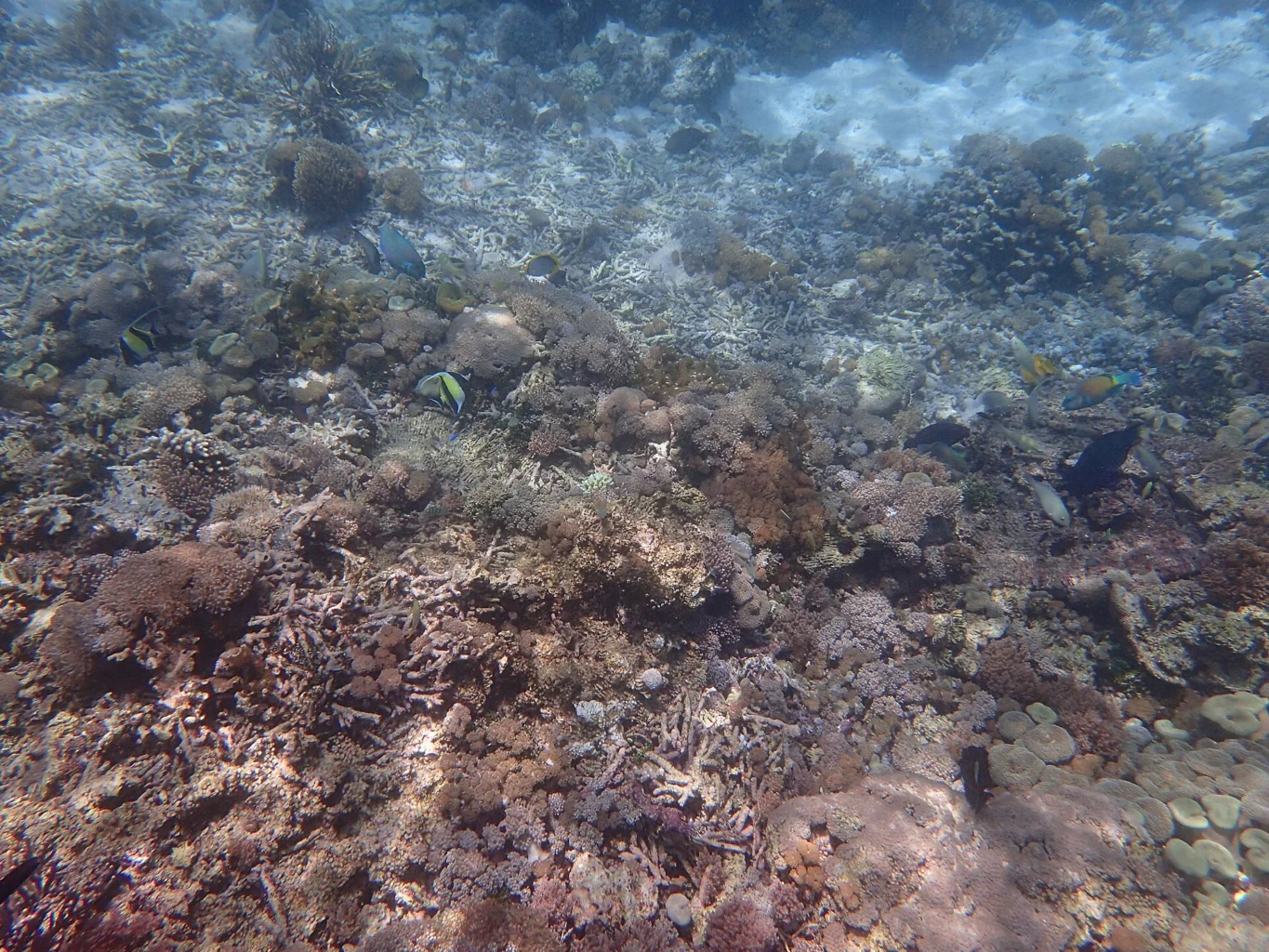
Diving in Komodo National Park ranges from sheltered reefs suitable for newer certified divers to fast, current-swept pinnacles that demand recent experience. There is no single certification rule for the whole park. The right question is whether the operator will match each site and tidal window to your actual ability. Use this guide for the decision, then compare the current fleet and trip formats on our Komodo diving liveaboard page.
What Makes Komodo Diving Different?
Komodo is not one uniform dive destination. It is a network of islands, channels, pinnacles and sheltered bays between the Flores Sea and the waters south of the park. Water is repeatedly pushed through narrow passages, so the same geography that feeds the reef also creates the currents Komodo is known for.
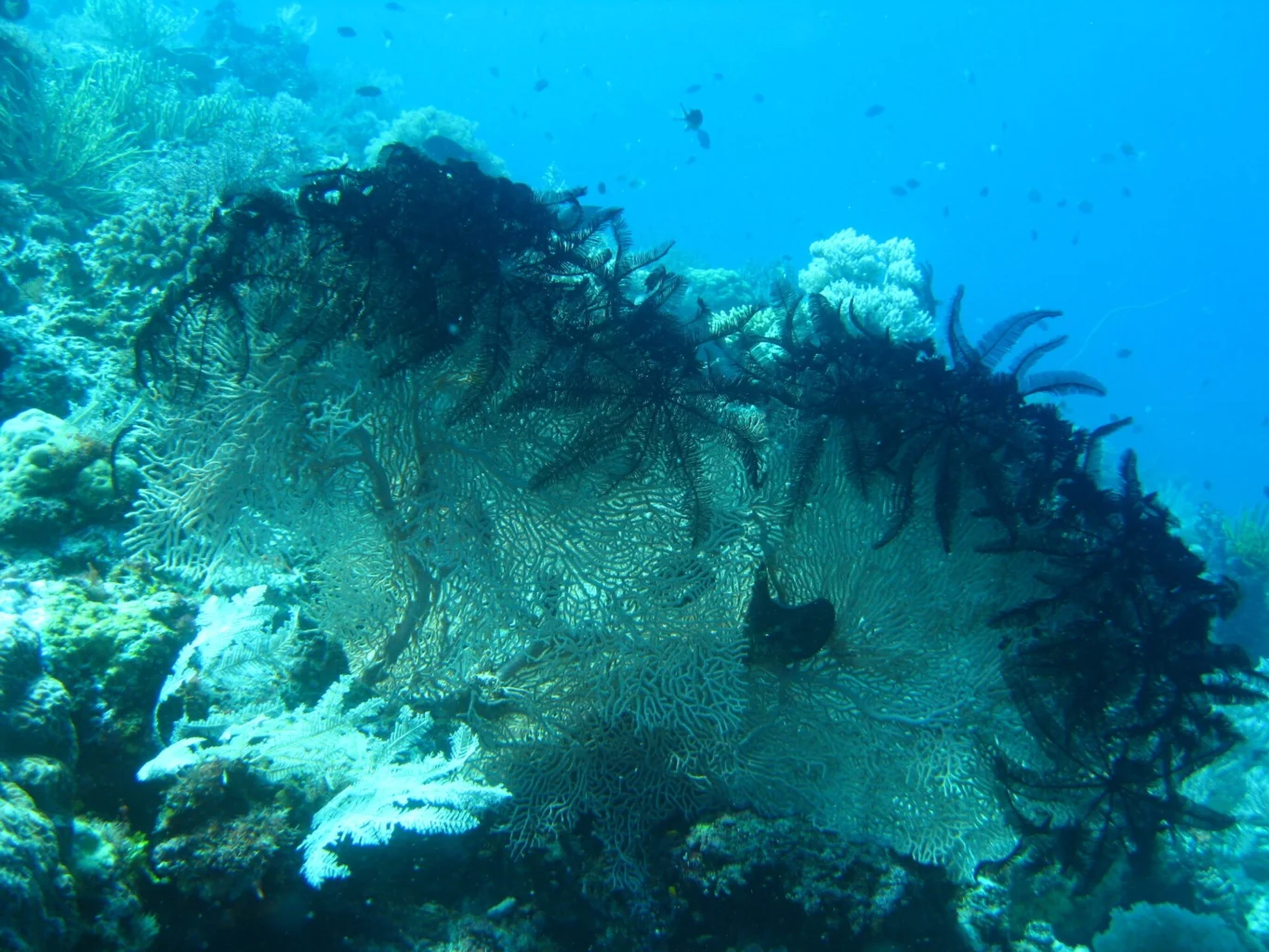
UNESCO describes Komodo’s reefs as highly diverse and notes that rapid exchange with deeper, nutrient-rich water supports the marine ecosystem. For a diver, that mechanism explains both sides of the destination: dense coral and fish life, but also dives whose character changes with the tide.
This is why a site list alone is not enough. A useful plan must consider the zone, tidal window, sea state, recent experience of the group and the time needed to reach the site.
Komodo Diving at a Glance
| Area | Typical character | Who it often suits | Planning constraint |
|---|---|---|---|
| Central Komodo | Manta channels, reefs and mixed conditions | Newer to advanced divers, depending on the site | Tidal flow and boat traffic |
| North Komodo | Blue-water pinnacles, schooling fish and stronger flow | Confident, recently active divers | Precise timing around current |
| South Komodo | Cooler, nutrient-rich water, macro life and remote sites | Experienced divers comfortable with colder water | Longer itinerary and suitable sea conditions |
| Sheltered bays | Gentler profiles, turtles, reef fish and macro subjects | Training, refreshers and easy check dives | Site quality varies with visibility and tide |
The table is a planning shortcut, not a guarantee. A normally gentle site can run fast, while an advanced site may be calm at the right moment. The dive guide makes the final call after checking conditions.
Do You Need to Be an Advanced Diver?
No universal rule says every Komodo diver must hold an Advanced certification. New Open Water divers can visit selected sites when conditions and supervision are appropriate. PADI also publishes beginner guidance for Komodo, while local operators commonly separate sheltered training sites from the current-heavy northern pinnacles.
Certification still matters, but recent experience is the more useful filter. An Advanced diver who has not been underwater for two years may need a refresher and an easy first dive. An Open Water diver with recent drift experience may be comfortable at more sites, subject to depth limits and the operator’s policy.
Before booking, disclose your certification, logged dives, most recent dive and comfort in current. A credible operator should explain which sites may be unavailable to you instead of promising the entire park.
Which Dive Sites Match Which Experience?
For a gentle start, crews often use protected reefs and bays. For headline current diving, the itinerary moves toward exposed structures and channels. Our individual Destination pages own the place-specific detail, while this guide helps you choose the right category.
- Gentler or assessment dives: sheltered areas around Siaba, Sebayur or similar sites selected by the guide.
- Manta-focused diving: Manta Point is shallow but remains a drift site; current and boat traffic determine suitability.
- Current-driven central diving: The Cauldron changes dramatically with tidal flow and is not a fixed-schedule dive.
- Exposed pinnacle diving: Batu Bolong and the northern pinnacles reward good buoyancy, controlled entries and an experienced local guide.
- Remote southern diving: Manta Alley and Cannibal Rock generally require a longer trip and comfort in cooler water.
If your main goal is to compare the sites rather than the overall destination, use our Best Dive Sites guide once it is published. Until then, the Destination pages above contain the currently public site records.
Day Boat or Liveaboard?
A day boat can be an excellent way to dive central and northern Komodo. It lets you sleep ashore, change plans between days and avoid living on a moving vessel. A fast, purpose-built dive boat can reach many headline sites from Labuan Bajo.
A liveaboard becomes valuable when the trip needs several tidal windows, early or late dives, remote southern access, or a dedicated dive setup for multiple days. It also removes repeated daily crossings from Labuan Bajo. The trade-off is a larger commitment and less flexibility once the boat sails.
For boats and currently stored prices, use the public Komodo diving trip comparison. Broader sightseeing packages are separated on the Komodo tour packages hub.
When Should You Dive Komodo?
Komodo is dived throughout the year, but access and underwater character change. PADI broadly describes the dry-season months as the most consistent for calm seas and visibility. Local conditions are more granular: the north, central and south do not peak in exactly the same way, and manta activity does not follow the same calendar as maximum visibility.
Choose the month by priority:
- Clearer blue-water conditions: generally favour the drier part of the year.
- Manta-focused travel: plankton-rich periods can improve encounters while reducing clarity.
- South Komodo: requires an itinerary and weather window that can safely reach the area.
- First Komodo trip: favour a period that leaves the operator several workable site options rather than chasing one animal.
Avoid treating any month as a guarantee. Weather, tide and wildlife remain variable, and current park rules should always be reconfirmed before travel.
How Many Days Do You Need?
One or two dive days can show you central or northern Komodo, but they leave little room for a poor tidal window or a weather change. Three or more dive days create redundancy. A longer liveaboard can add remote zones and schedule the day around water movement rather than around a return deadline.
For multi-day sightseeing routes that include some diving, compare the published 3D2N Komodo tour and 4D3N Komodo tour. Confirm that the selected vessel runs a genuine dive programme; a compressor icon or the word “diving” is not enough without guides, cylinders, safety equipment and an actual dive schedule.
What to Check Before Booking
- Guide ratio: ask for the number of divers per guide and whether experience levels are separated.
- Site selection: confirm the route changes with tide, weather and the group’s ability.
- Emergency equipment: ask about oxygen, first-aid equipment, communications and the lost-diver procedure.
- Dive setup: check cylinder sizes, valve type, rental inclusions, Nitrox availability and whether a tender is used.
- Insurance: read your own policy and confirm that it covers the depths and type of diving planned.
- Final-day timing: leave an appropriate surface interval before flying and follow current guidance from your training agency and dive operator.
Marine Life: What Changes by Site?
Komodo should not be reduced to a manta destination. The current-facing pinnacles are known for schooling fusiliers, trevally, reef sharks and other pelagic activity. Protected reefs offer turtles and dense reef-fish communities, while southern sites add nudibranchs, frogfish and other macro subjects to the trip.
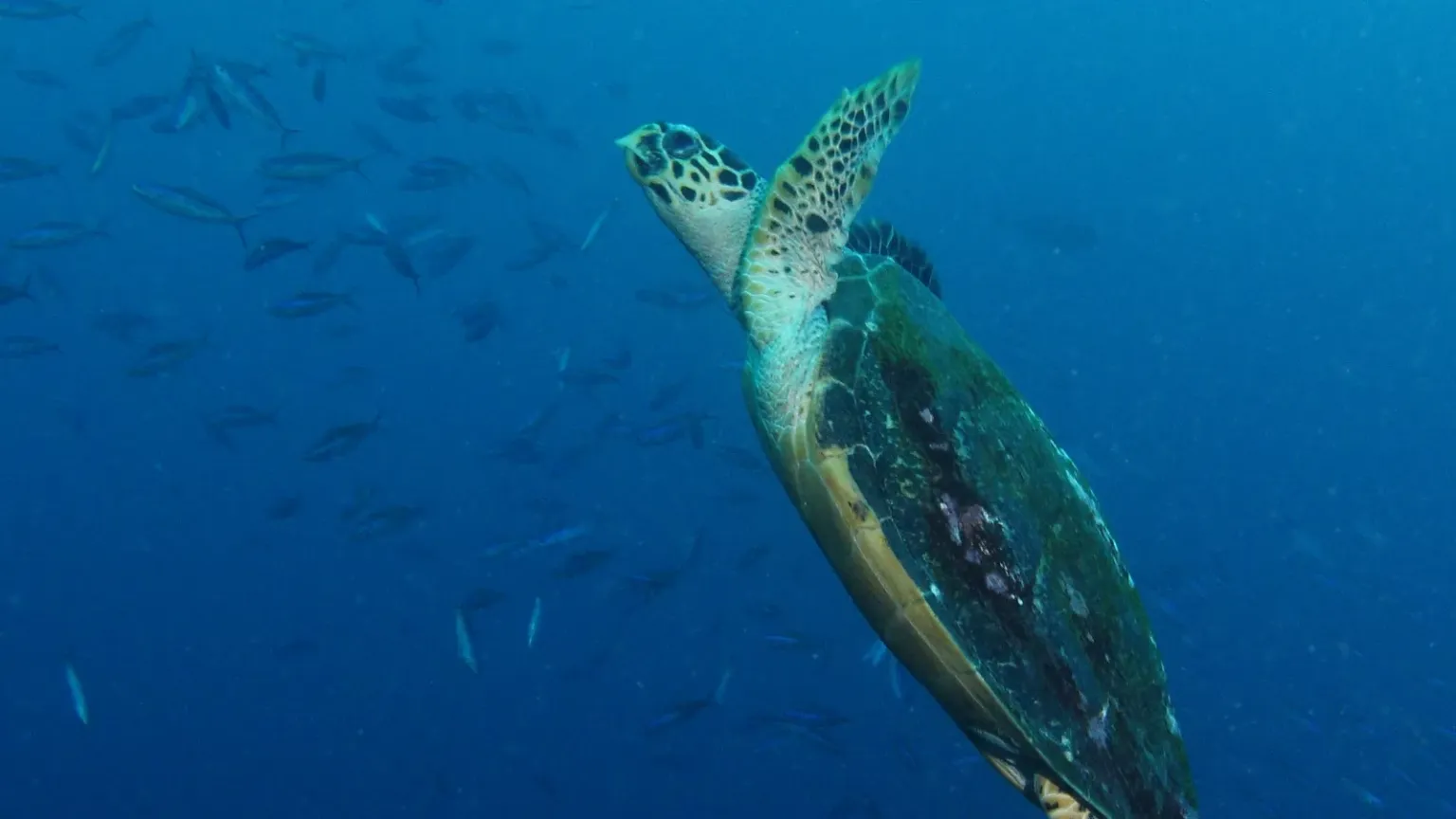
For a habitat-led overview that separates realistic encounters from guarantees, continue to our Komodo marine life guide, then use its species pages for identification and responsible observation.
Wildlife expectations should follow habitat. A blue-water pinnacle, shallow manta bank and sheltered muck site solve different goals. Ask the operator which environments the itinerary actually includes rather than counting species in a promotional list.
How KomodoInsider Evaluates a Dive Trip
Our editorial pages and directory serve different jobs. The guide explains how to choose. Destination pages explain individual places. The Tour page compares the vessels and published programme data. Keeping those roles separate prevents a generic article from pretending to be live inventory.
For every dive departure, we look for five pieces of evidence: a real vessel record, a declared activity programme, route or site information, usable capacity data and a price or quote path. The presence of a diving tag is a discovery signal, not final proof that every sailing includes diving.
This structure is deliberately different from a single-operator website. KomodoInsider does not need to claim that one boat is best. It needs to show which published option fits the traveller’s route, budget and experience, then make the limitations visible.
Frequently Asked Questions
Can beginners dive in Komodo?
Yes, at selected sites and under appropriate supervision. Beginners should not assume every famous Komodo site will be available. Conditions and the operator’s assessment decide the route.
Is Komodo diving dangerous?
Komodo includes demanding current dives, but risk is managed through conservative site selection, tidal planning, small groups, suitable equipment and honest experience screening. No article can replace the guide’s decision on the day.
Can snorkellers join a dive liveaboard?
Often, but not always comfortably. Ask whether the boat provides a separate snorkel guide and programme. A vessel built around four dives a day may leave non-divers with long waiting periods.
What is the best Komodo dive site?
There is no permanent winner. Batu Bolong is known for reef density, the northern pinnacles for schooling fish, Manta Point for manta encounters and the south for cooler-water macro life. The best choice is the site that matches the tide and diver.
Is a liveaboard required?
No. Day diving reaches much of central and northern Komodo. A liveaboard is most useful for remote zones, early and late sessions, or several consecutive dive days.
