

One day with Speedboat
Shared from$90/ person
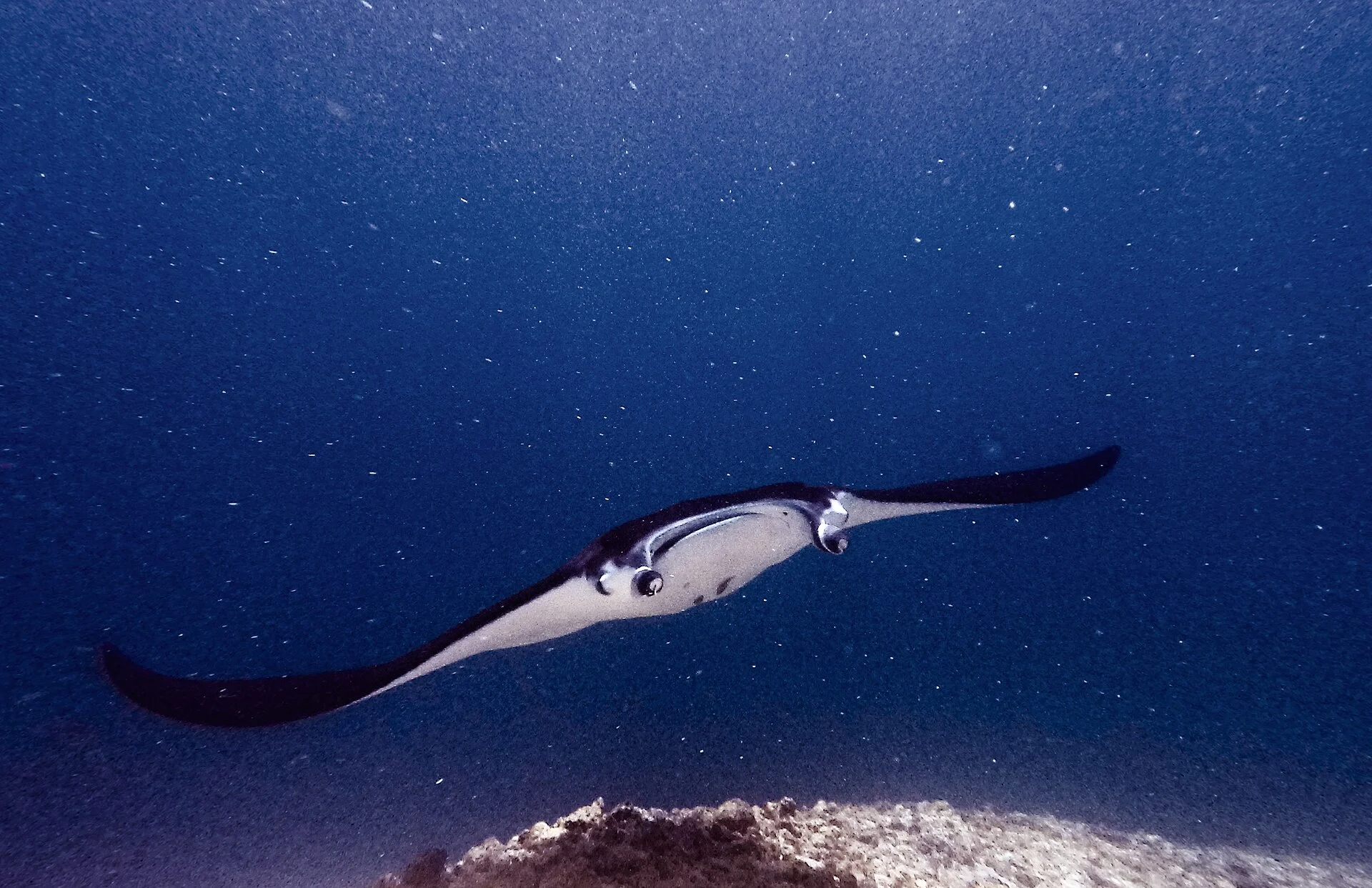
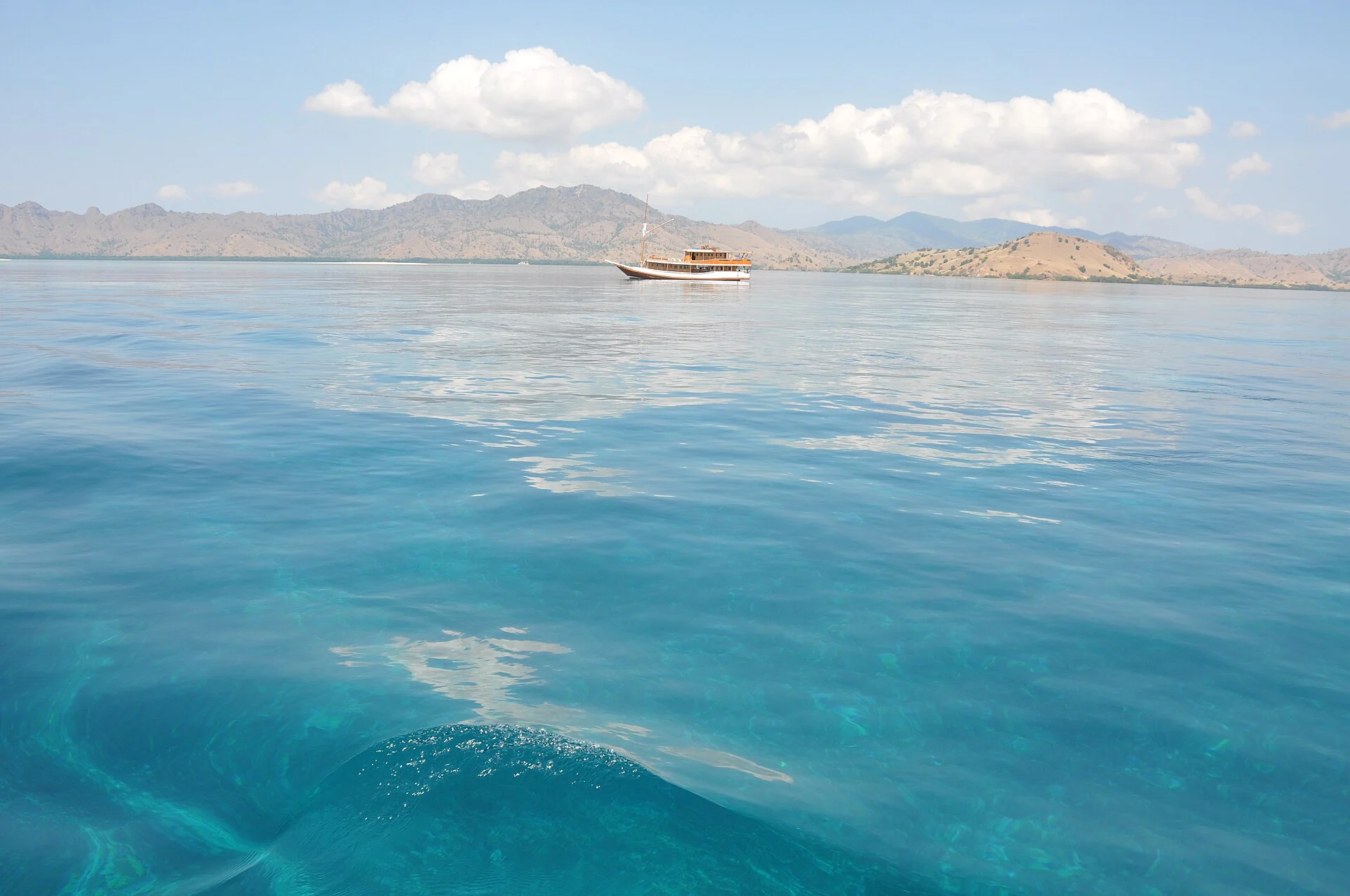
Manta Point is not a reef. It is a channel roughly three kilometres long and four to five hundred metres wide — the largest dive site in Komodo National Park — lying in central Komodo between Komodo Island and Tatawa Besar. A small islet, Pulau Makassar, sits just to the west and gives the site its Indonesian name: karang means reef.
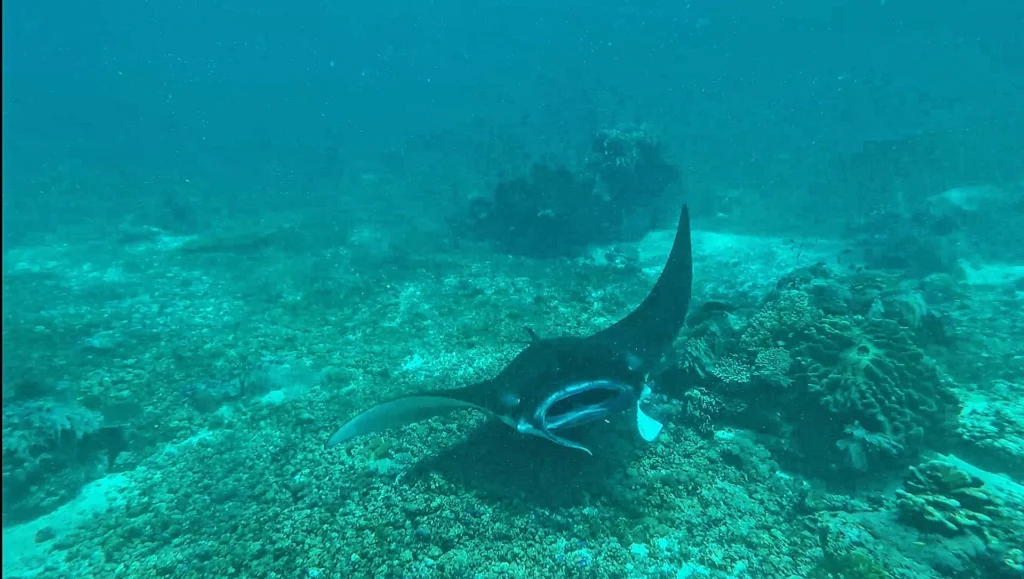
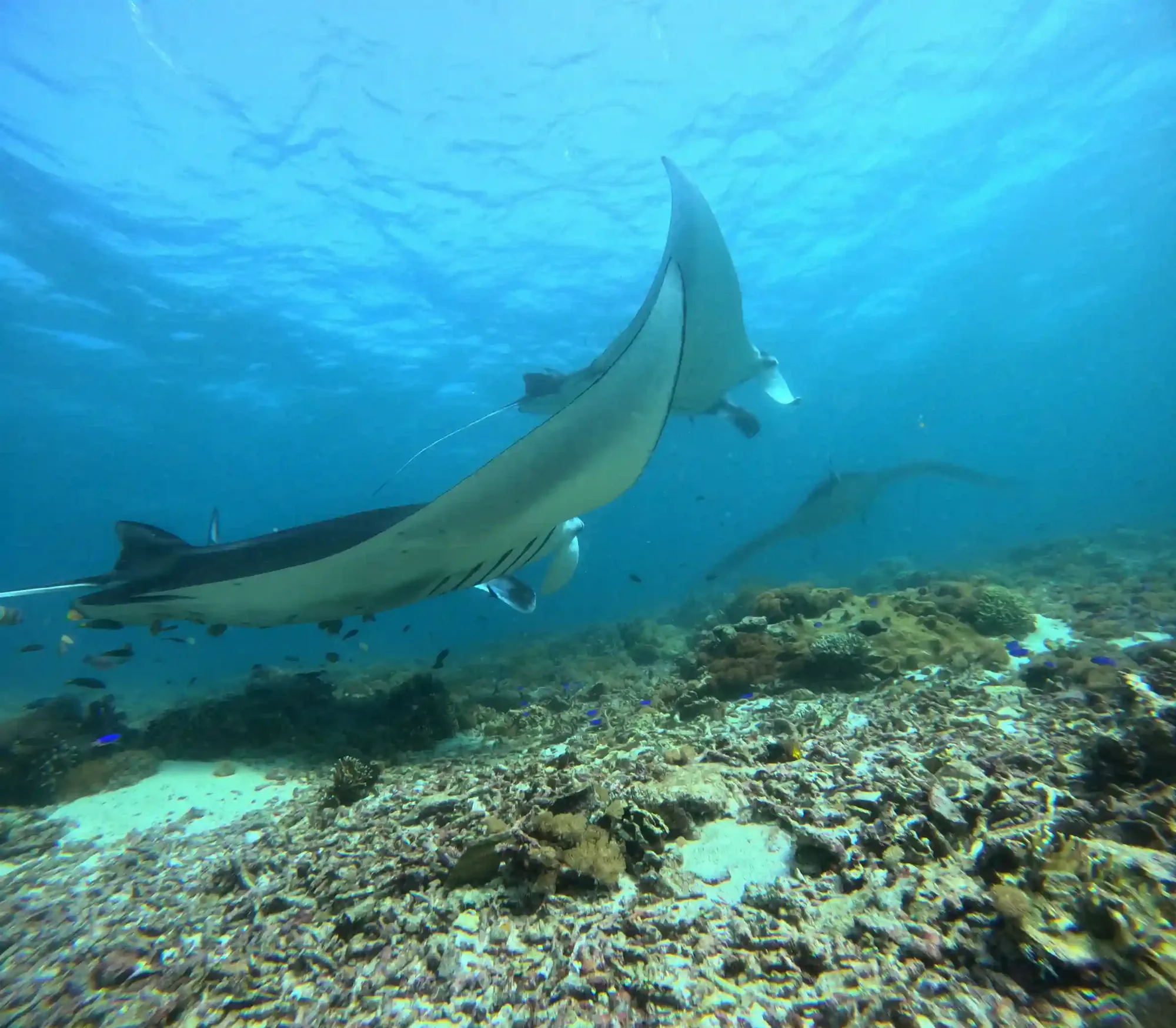
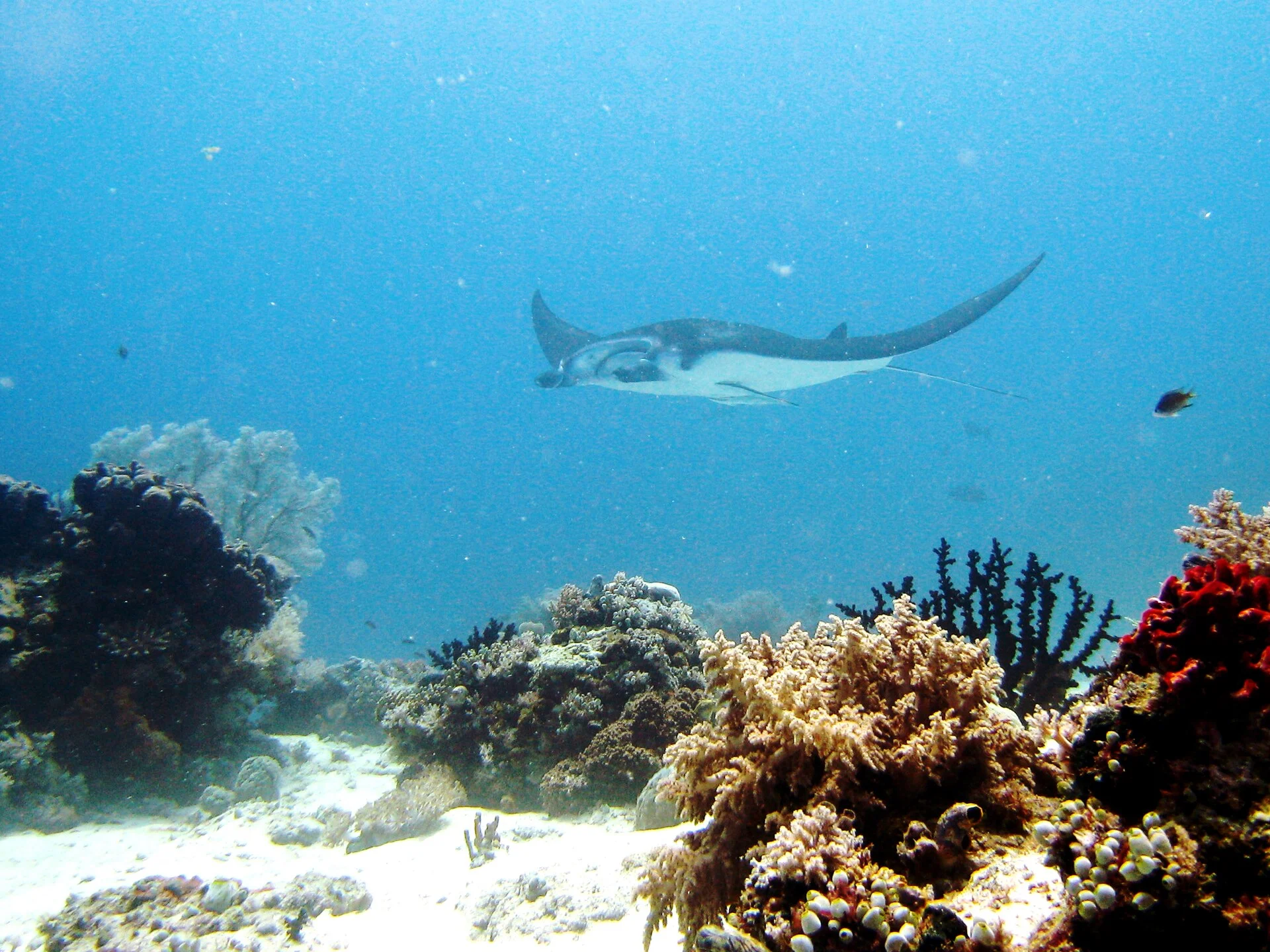
The bottom is rubble, sand and dunes with isolated coral bommies scattered through it. Those bommies are manta cleaning stations, and that single fact is why the site exists on every itinerary in the park. Komodo holds a resident population estimated at around 1,200 reef mantas, and they are present year-round rather than seasonally.
The profile is shallow enough that snorkellers see the same animals divers do, which is unusual and is the real reason the site is famous. Its database name here is the popular one; charts, dive centres and older itineraries call it Karang Makassar, and that alias matters when you are comparing operator schedules.
This is a drift, not a swim. Divers and snorkellers enter up-current, ride the flow along the channel and get collected down-current. The bottom is mostly rubble, sand and dunes with coral heads at intervals; anyone arriving for coral architecture will be disappointed, because the current that makes the site productive is the same current that stops reef from establishing.
Be careful with depth figures here, including ours. Published profiles for the same site range from two to eight metres at one source to ten to eighteen at another. That spread is real rather than sloppy: the channel is broad and the depth you dive depends entirely on which section your guide picks and where the current puts you. Treat it as a shallow site and let the briefing set the number.
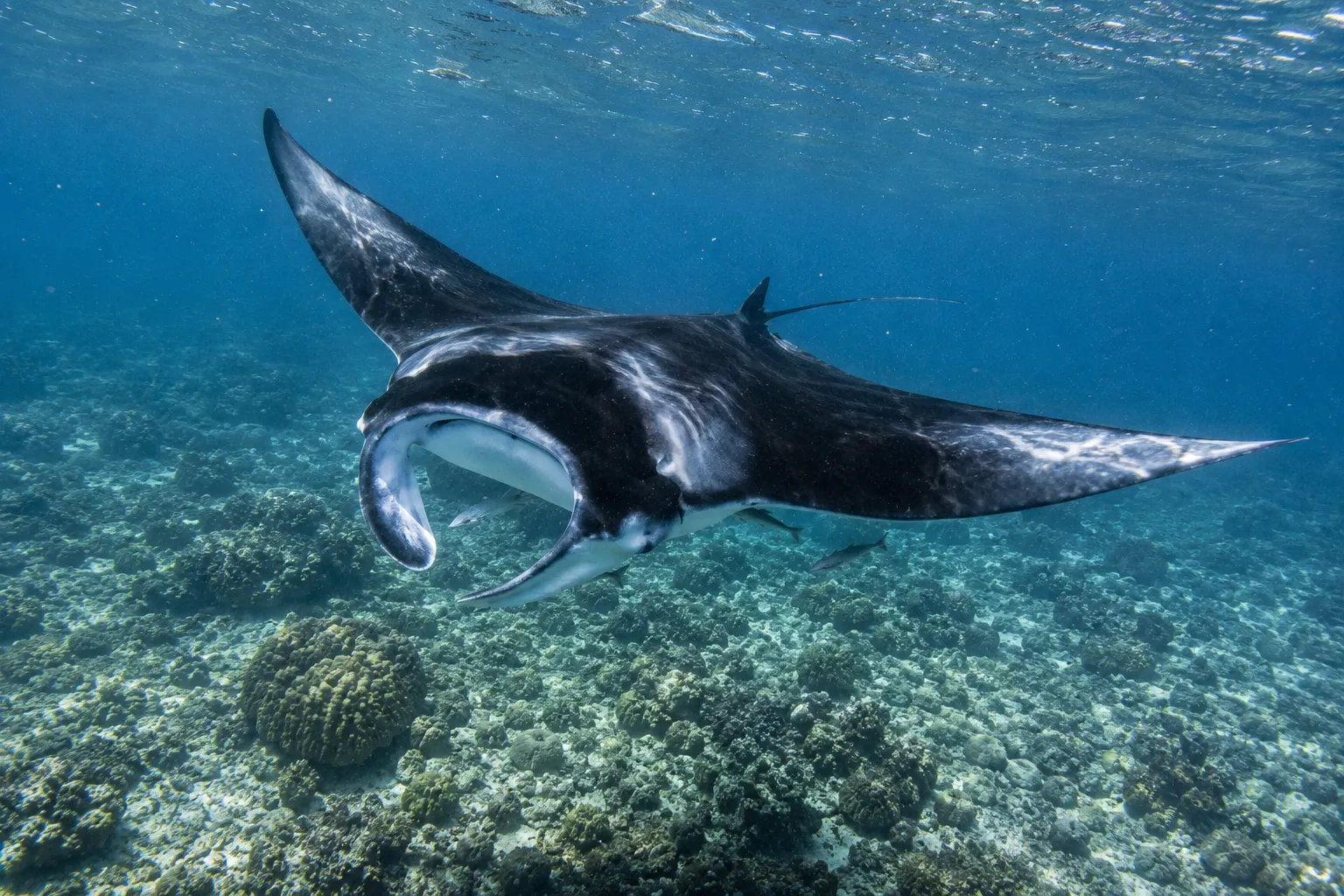
What you are here for is behaviour. Mantas hold station above a cleaning station, circle, and return along the same corridor repeatedly. On strong feeding days they barrel-roll in the water column and can appear in loose trains. On flat days you may drift the whole channel and see nothing at all.
Say that part plainly, because it is true: mantas are not guaranteed here. Sightings are among the most reliable in Southeast Asia and they are still not a booking guarantee, and any page that promises them is selling you something.
Manta Point is on effectively every Komodo itinerary, day trip and liveaboard alike, which means boat density here is high through the middle of the day. The site absorbs it better than most: it is three kilometres long, so groups spread along the channel rather than stacking on a single pinnacle.
The pressure that matters is in the water, not on the surface. When several groups drift the same cleaning station at once, mantas leave. Operators who brief properly — hold low, stay downstream of the station, do not chase — get longer encounters than operators who drop everyone on top of the animal.
This is one of the few sites in the park where the choice of operator changes what you actually see, rather than just how comfortable the boat is.
Two access models, and they buy different things.
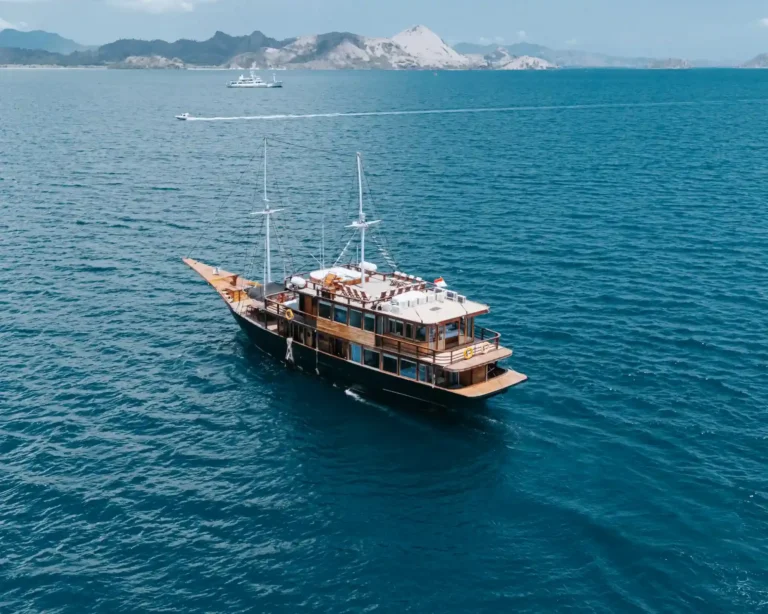
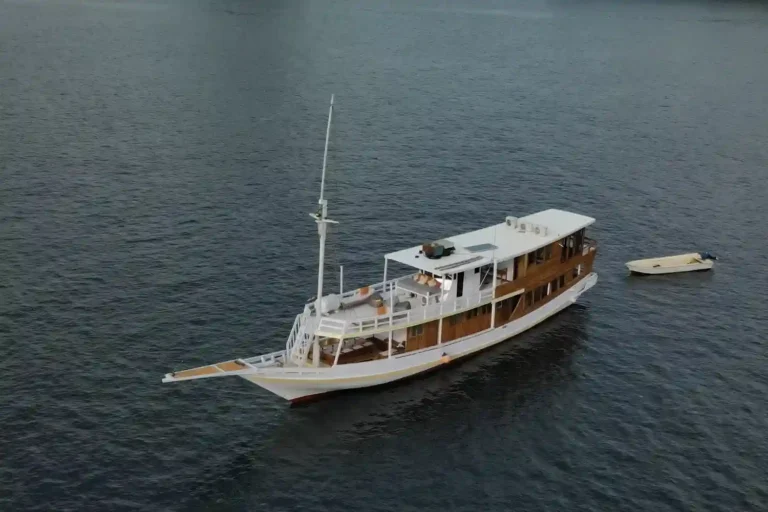
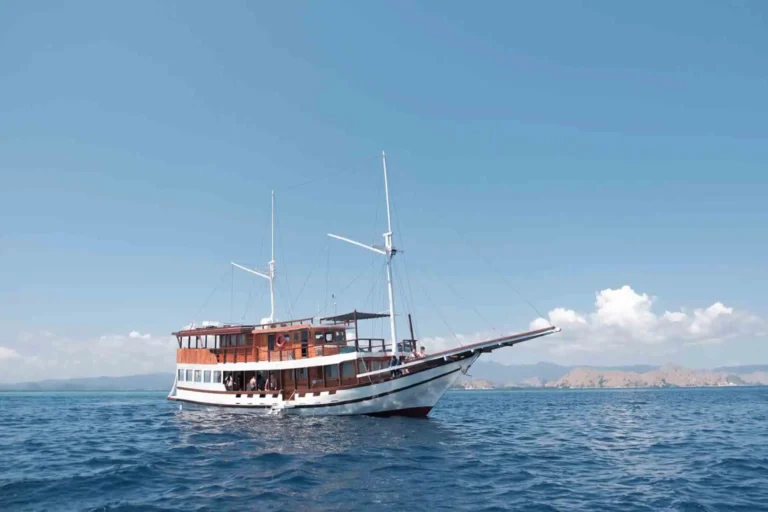
Speedboat day trip. About an hour from Labuan Bajo, usually bundled with Padar and a dragon trek. It reaches the site, and it arrives when the schedule says so rather than when the current says so.
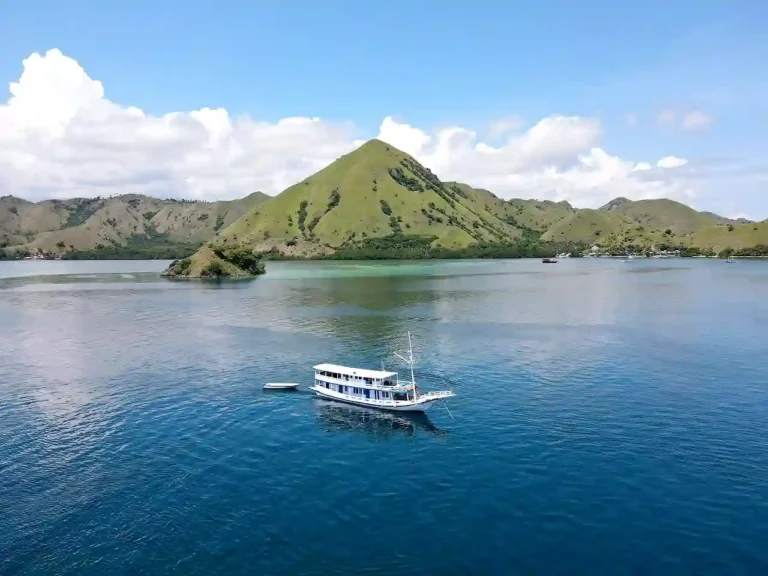
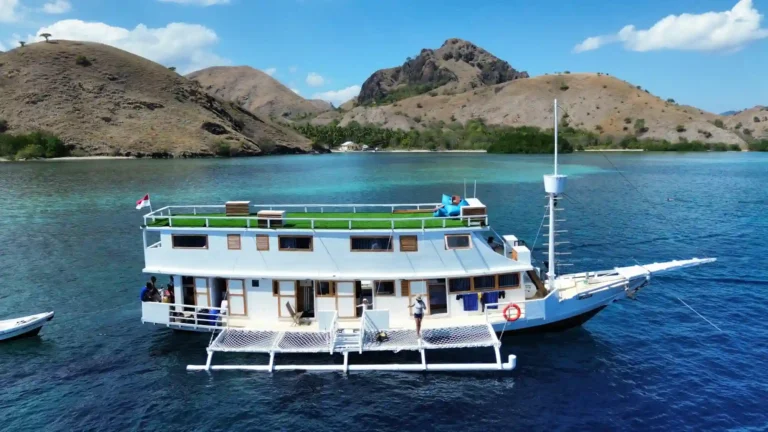
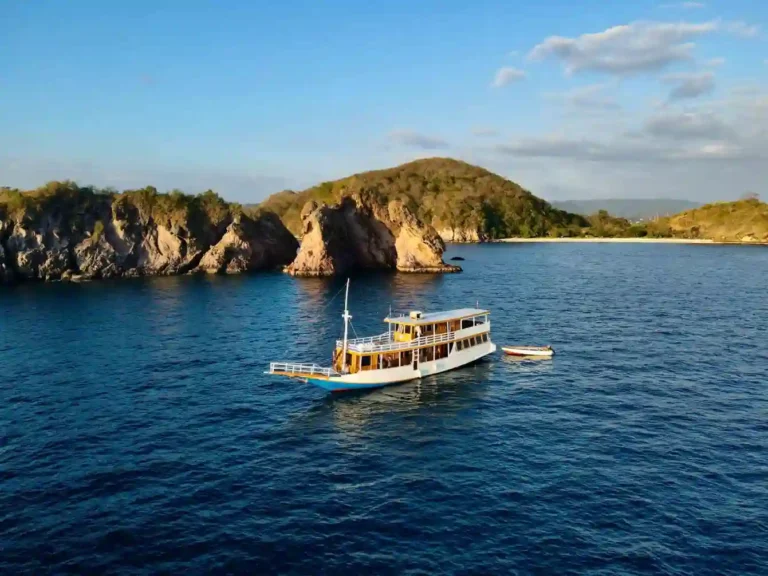
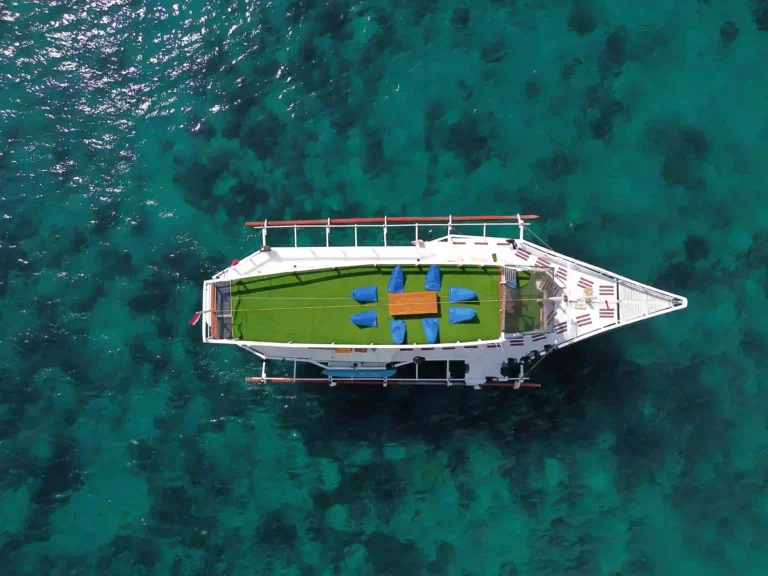
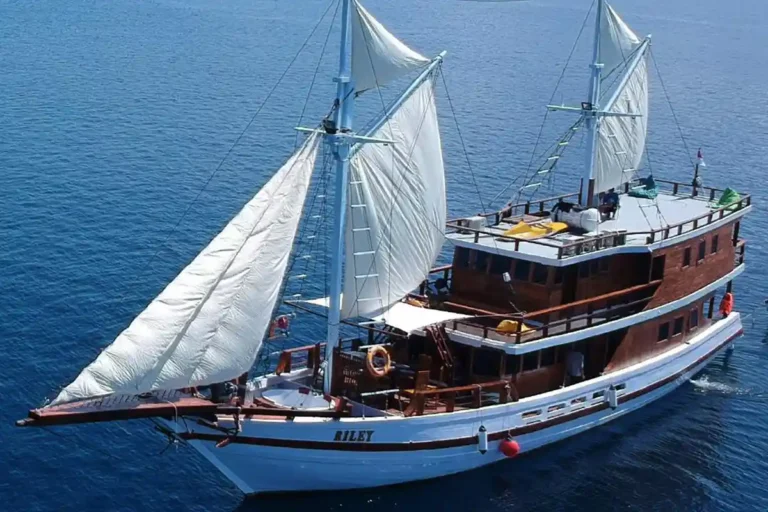
Liveaboard. A vessel already inside the park can wait for the tide. That is the whole difference. Manta activity at Karang Makassar tracks current and tide rather than the clock, and a boat that can move its dive by two hours is a boat that can put you in the water on a rising tide instead of slack.
If you intend to dive rather than snorkel, choose a vessel that carries its own compressor, tanks and guides. Manta Point sits on both the Komodo Tour 3 Days 2 Nights and Komodo Tour 4 Days 3 Nights Komodo routes.
Compare 12 bookable boats that include Manta Point on published itineraries.



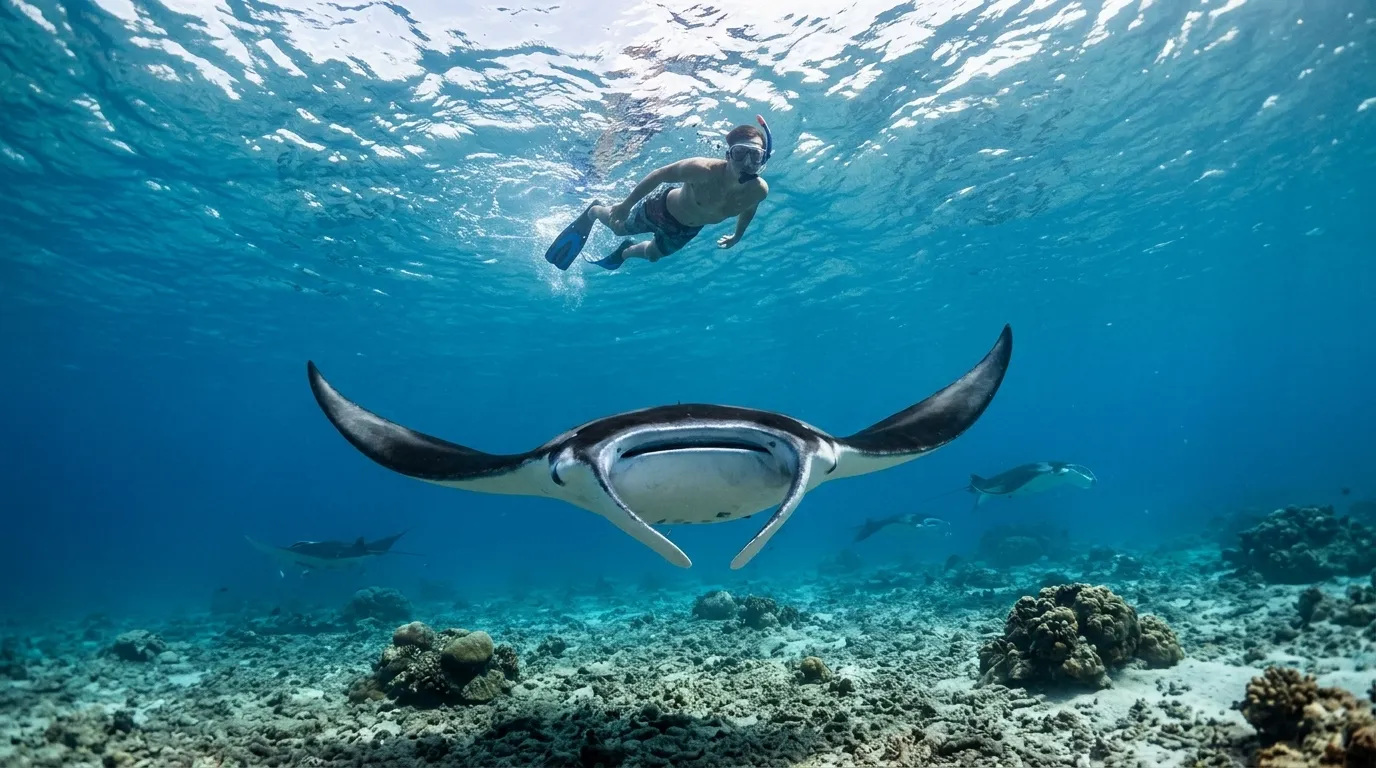
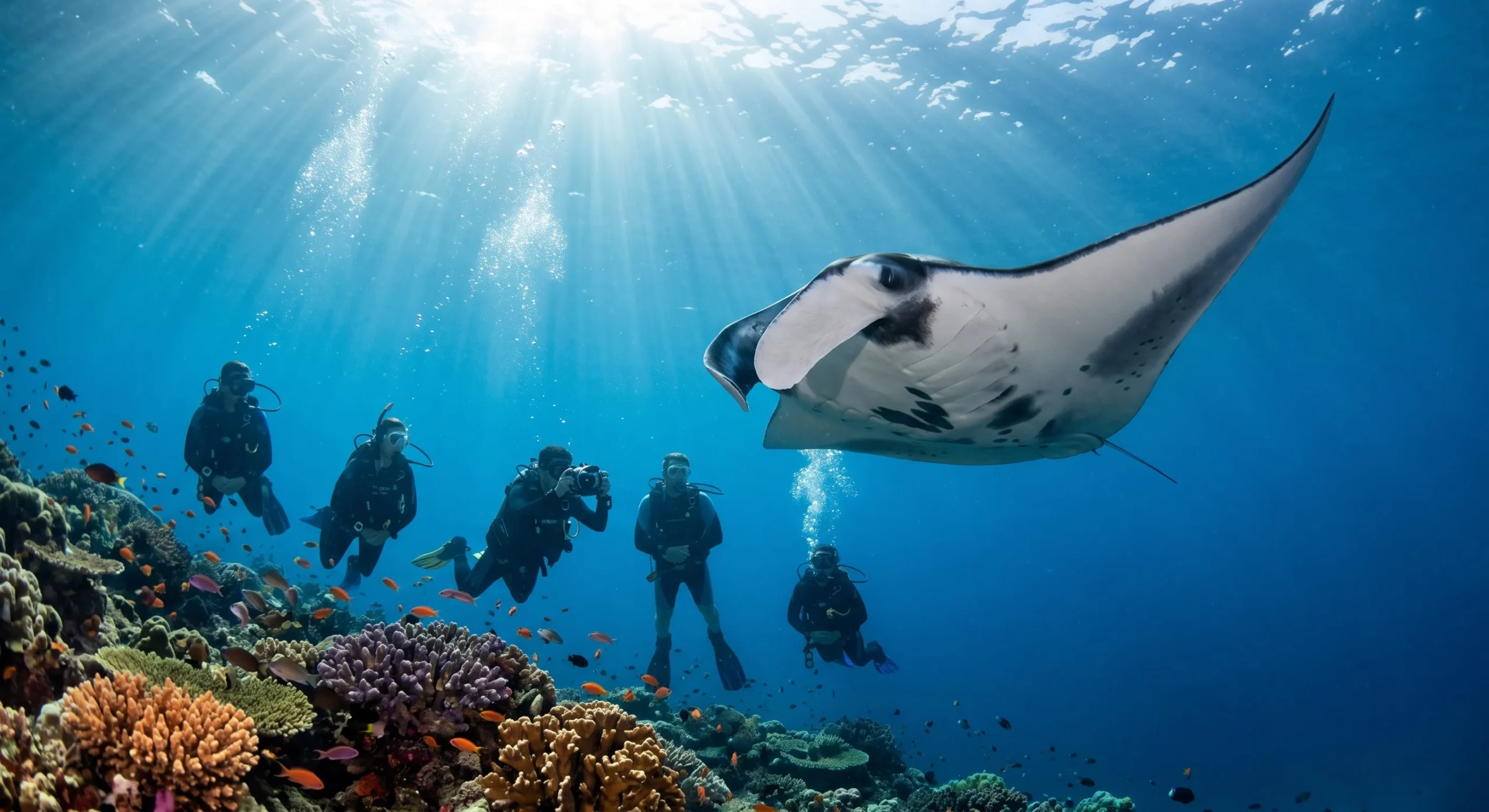
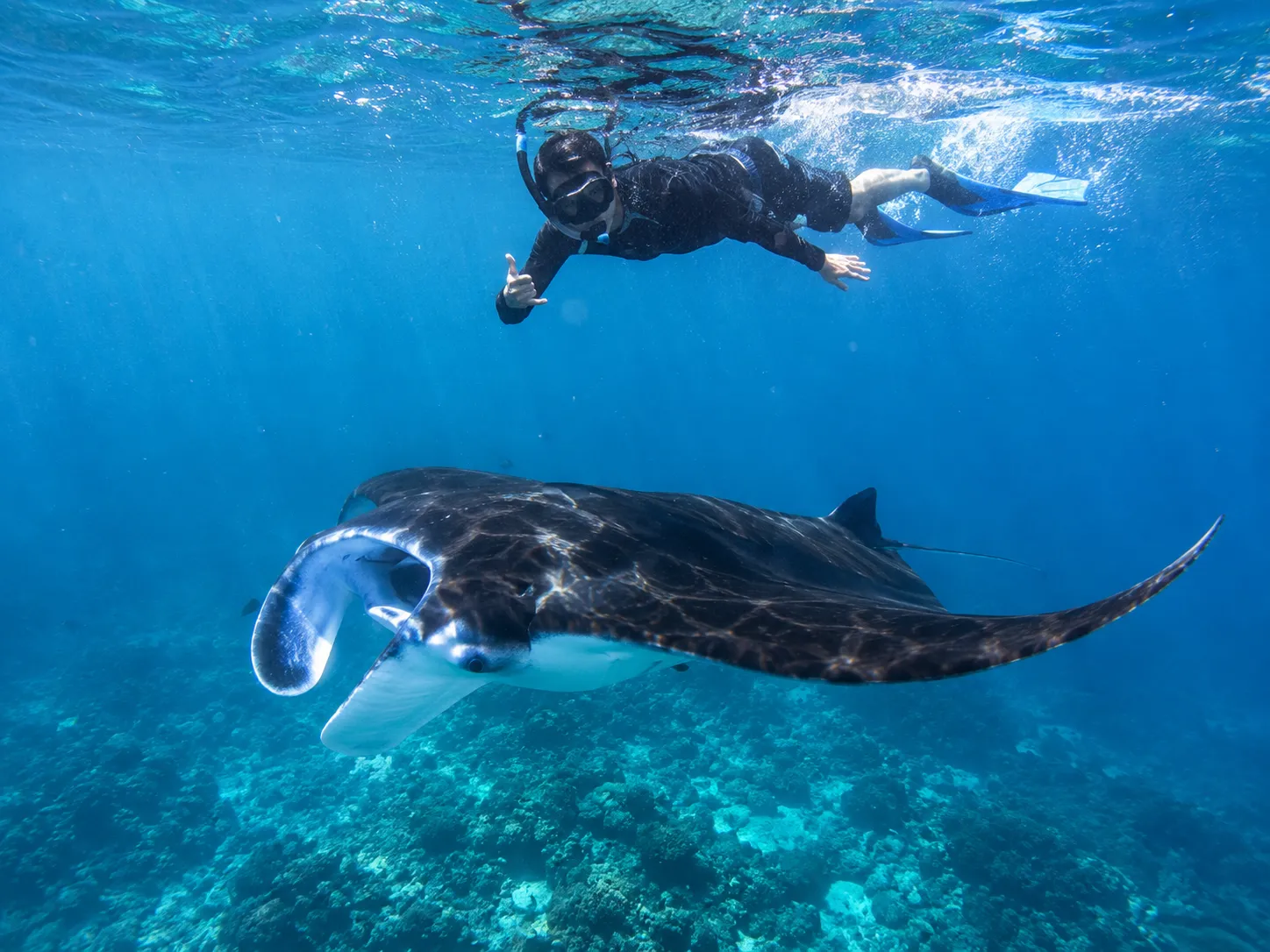
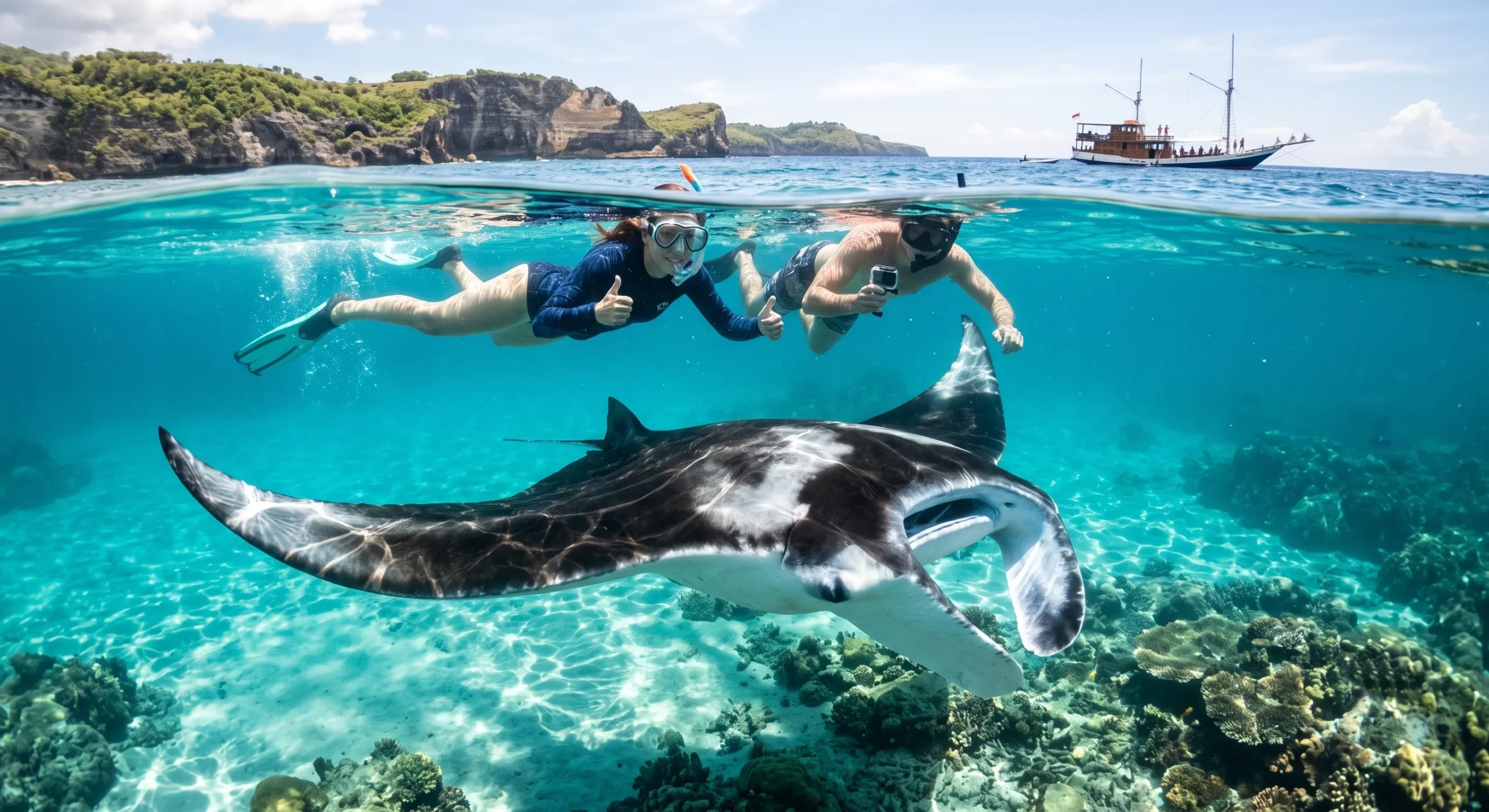
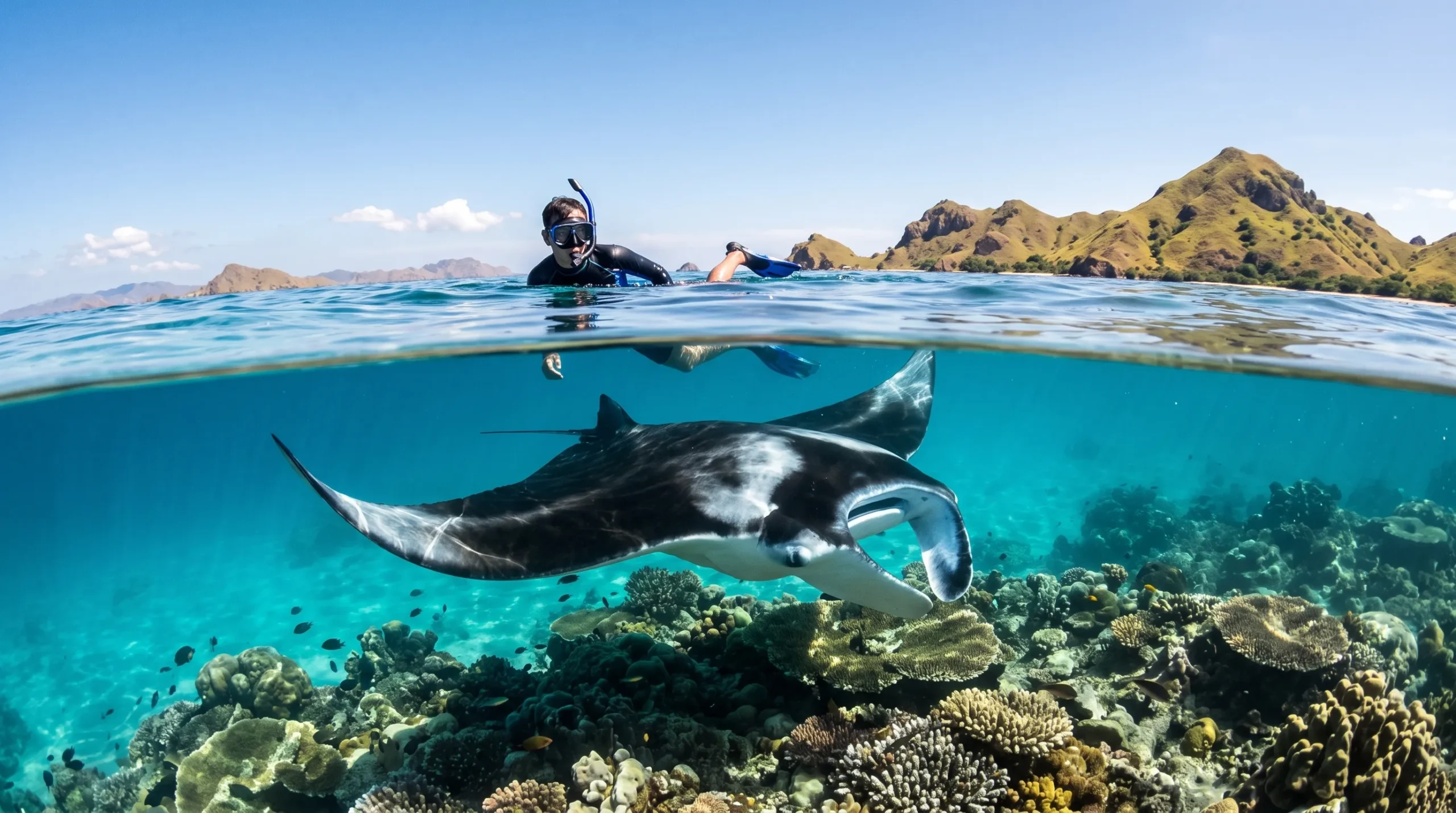
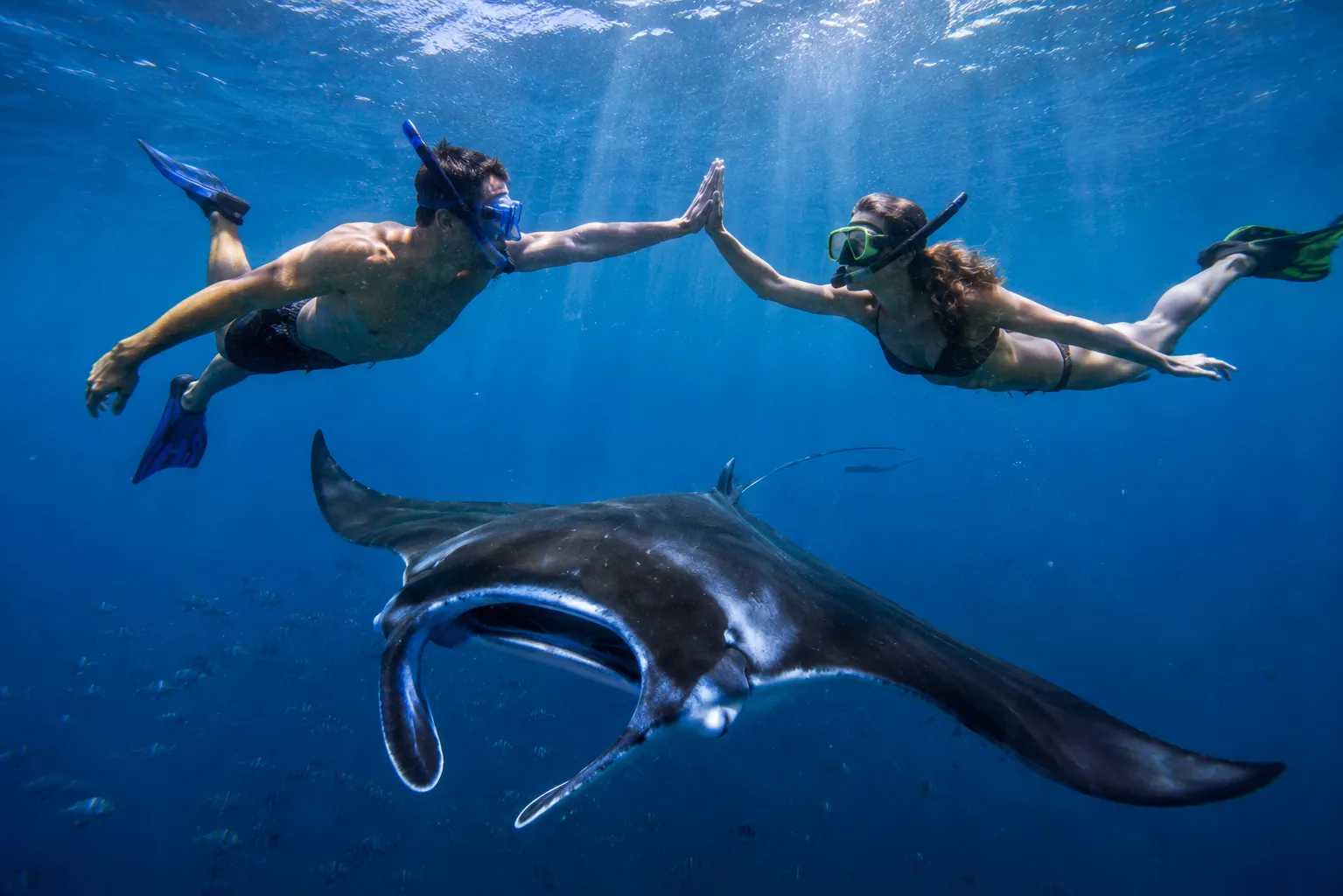
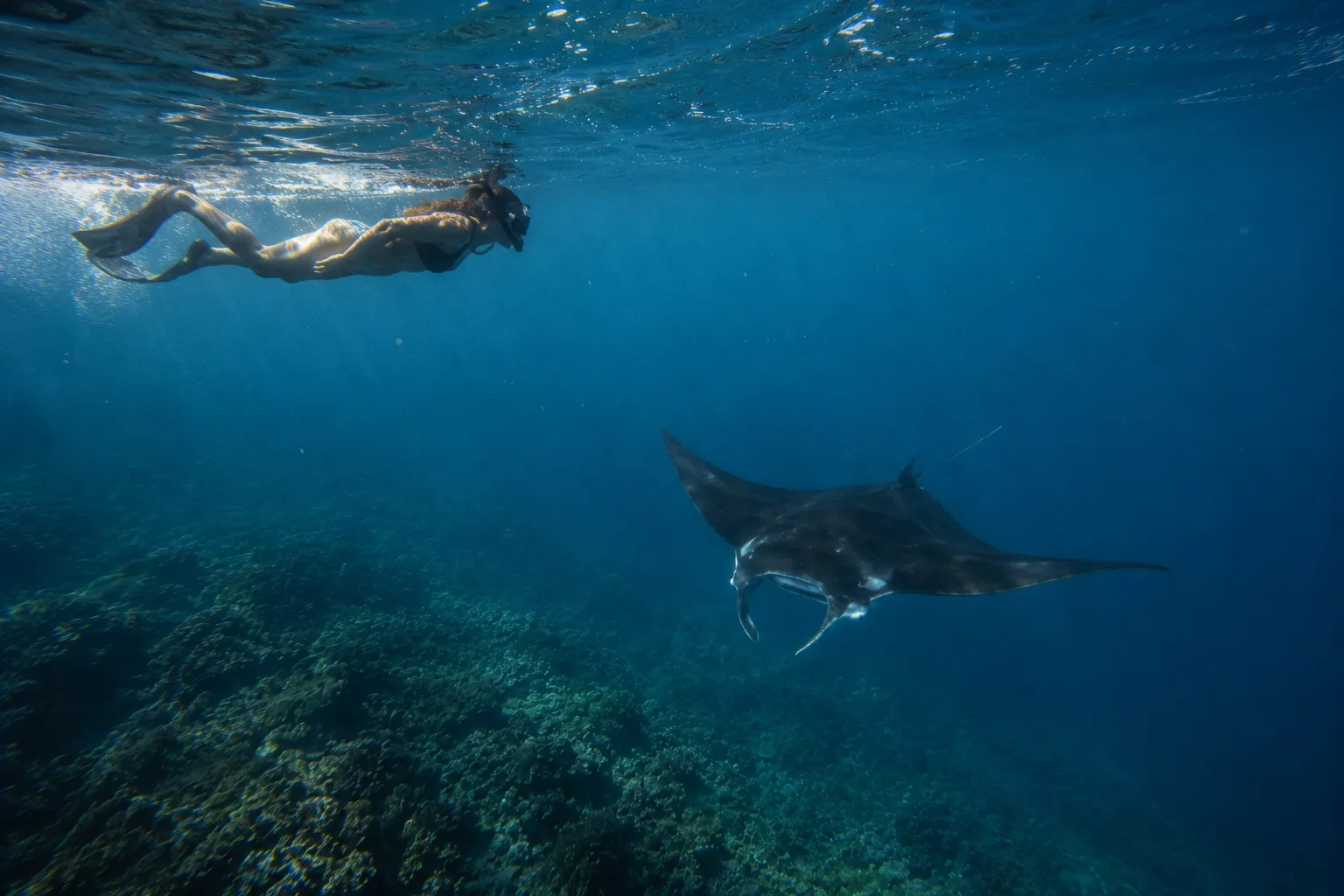
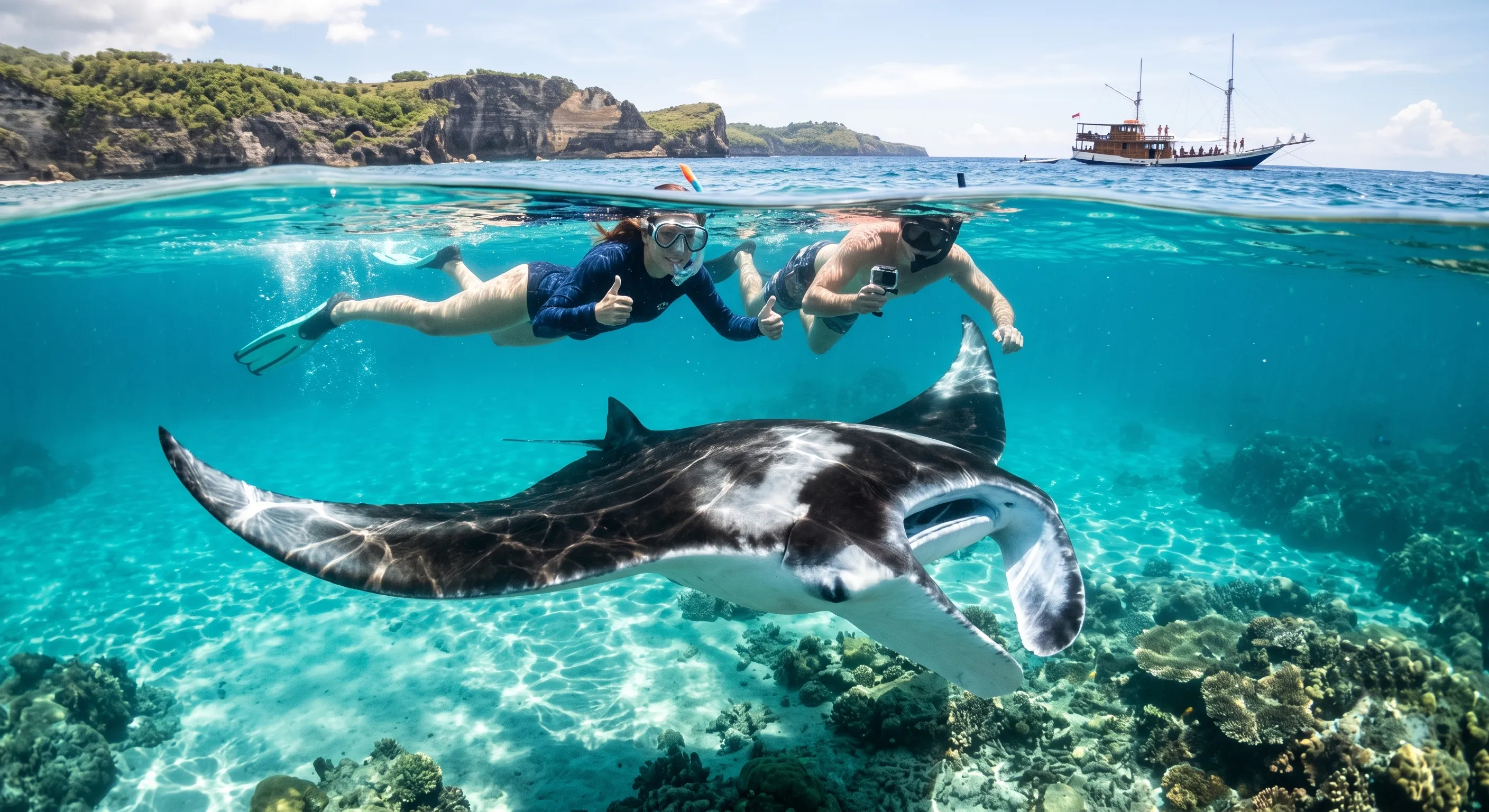
Snorkellers get more from this site than they do from almost any other manta location in the world, because the cleaning stations sit shallow enough to watch from the surface. Confident swimmers and families with older children do well here.
For divers, it is an Open Water site in normal conditions: shallow, no decompression pressure, and a drift rather than a fight. Comfort in moving water still matters more than the certification card, and the current can pick up and reverse.
It does not suit weak swimmers who are not comfortable being collected by a dinghy some distance from where they entered, and it does not suit anyone whose trip depends on a guaranteed sighting.
For activity decisions, read Manta Point Komodo Snorkelling and Diving Guide; for identification, use Reef Manta vs Oceanic Manta.
Current is the single variable that matters. It can strengthen and it can reverse within one tidal window, so the briefing you get before entry is not a formality. Enter up-current, stay with your guide, and surface with a marker.
Do not approach, touch or swim above a manta. Contact strips the mucus layer that protects them from infection, and swimming over an animal at a cleaning station pushes it off the station. Hold low, stay horizontal, keep off to the side, and let the animal decide the distance. Guides at this site brief it the same way: stay still and let them come to you.
The bottom here is rubble and sand rather than solid reef, so reef hooks have nothing to hold and are not the tool for this site. Snorkellers should stay within the line the crew sets and in sight of the dinghy; confirm the specific practice with your operator before entering.
The shallow profile is the gift here. With animals between five and fifteen metres and surface light overhead, silhouette and half-light frames are available without going deep or carrying strobes.
Shoot upward. Mantas photographed from above against grey rubble look like grey shapes on grey ground; the same animal shot from below against the surface reads instantly. Wide angle or a fisheye, and get low and stay put rather than swimming after anything.
Expect a trade-off between subject and clarity: the plankton-rich months that bring the most mantas are the months with the worst visibility, and the crystal-clear dry-season water is when the big aggregations are least reliable. You cannot have both in the same week.
Karang Makassar lies inside Komodo National Park. Statutory entrance is charged per person, per day—not per visit. Scuba diving is a separate statutory activity charge, and the final SiOra total can also include the vessel category or special-use permits.
Reserve through SiOra before travel; Ministry guidance recommends H-1. Ask the operator for an itemised total. The verified statutory table, legal basis and source date appear in What the Park Costs below.
There is no closed season — reef mantas are present year-round, which is what makes Komodo unusual. Numbers are highest when plankton blooms are strongest, roughly November through April, with the largest aggregations reported in January and February. Through the peak dry months, individual mantas still patrol the channel but surface feeding is less reliable and encounters tend to happen deeper, near the cleaning stations.
You can snorkel. The cleaning stations sit shallow enough that snorkellers regularly get the same encounters divers do, and during the plankton-bloom months mantas feed close to the surface. If you do want to dive it, it is an Open Water site in normal conditions. Being comfortable in moving water matters more here than the level on your card.
Shallow, but sources disagree on how shallow. Published profiles for Karang Makassar run from two to eight metres at one end to ten to eighteen at the other, and both describe the same site — the channel is three kilometres long and several hundred metres wide, so the depth depends on which part of it you dive. Depth is not the constraint here; current and visibility are.
Usually not. It is normally described as a gentle to moderate drift and is dived by newly certified divers regularly. It is not fixed, though — it varies with tide and can reverse inside a single window. The realistic requirement is being comfortable moving with water rather than against it, and following the entry and exit plan exactly.
Location, species mix and difficulty. Manta Point — Karang Makassar — is in central Komodo, shallow, reachable on a day trip, and dominated by reef mantas at predictable cleaning stations. Manta Alley is a channel in the south of the park, deeper and more exposed, where larger oceanic mantas also occur but conditions are less predictable and advanced experience is generally expected. If you see a page describing Karang Makassar as an oceanic manta site, treat it with caution.
No. Komodo has one of the most reliable resident reef manta populations anywhere and blank drifts still happen. Anything else would be a promise about a wild animal. A liveaboard improves the odds mainly because it can choose the tide window rather than the schedule.
Dive operators and site guides across the park converge on a resident population of roughly 1,200 reef mantas, and that number is quoted consistently enough to be worth repeating — with the caveat that we have not seen the survey behind it. What matters more for planning is that the population is resident rather than migratory, which is why there is no closed season here. Groups of three to six are common at Karang Makassar and much larger aggregations happen during heavy plankton months.
Karang is Indonesian for reef. The Makassar part comes from Pulau Makassar, the small island immediately west of the site, rather than from the city in South Sulawesi. Manta Point is the name the tourism market settled on, and the two are used interchangeably — which is worth knowing when an operator lists Karang Makassar on one itinerary and Manta Point on another, because they are the same stop.
| What you pay | Amount | Basis |
|---|---|---|
| Park entrance, foreign visitor | Rp 250,000 ≈ $14 | per person, per day The statutory Class I entrance rate. The 150% holiday rule applies to Indonesian visitor and student rates, not this foreign visitor rate. |
| Park entrance, Indonesian visitor, normal day | Rp 50,000 ≈ $3 | per person, per day The normal-day Class I entrance rate. |
| Park entrance, Indonesian visitor, holiday or collective leave | Rp 75,000 ≈ $4 | per person, per day 150% of the normal Indonesian visitor rate on the dates covered by the statutory holiday rule. |
| Indonesian student group, normal day | Rp 25,000 ≈ $1 | per person, per day For Indonesian student groups of at least five people. |
| Indonesian student group, holiday or collective leave | Rp 37,500 ≈ $2 | per person, per day 150% of the normal student-group rate; the minimum group size remains five. |
| Scuba diving activity | Rp 25,000 ≈ $1 | per diver, per day A separate activity charge in addition to the applicable entrance fee. |
| Motorised vessel entry | Rp 100,000–200,000 per boat, per day | Rp 100,000 for 40–100 HP, Rp 150,000 for 101–500 HP, and Rp 200,000 above 500 HP. |
| Drone use | Rp 2,000,000 ≈ $112 | per unit, per day A separate special-use charge. Complete the required SiOra/SIMAKSI process before travel. |
Statutory fees under Peraturan Pemerintah No. 36 Tahun 2024, in force since 30 October 2024. Verified 31 August 2026 against the official PP 36/2024 schedule, the Ministry of Forestry SiOra notice and the Ministry’s 2026 quota notice. Amounts are payable in rupiah; dollar figures are courtesy estimates converted at Rp 17,900 and rounded.
Manta Point (Karang Makassar), Lintah Strait, Komodo National Park, East Nusa Tenggara, Indonesia



Continue to the verified parent place for this destination.


Add a review