Dive planning across Komodo National Park

Komodo Diving

Compare published dive sites by zone, current and certification, then choose the trip format and vessel that fit your experience.

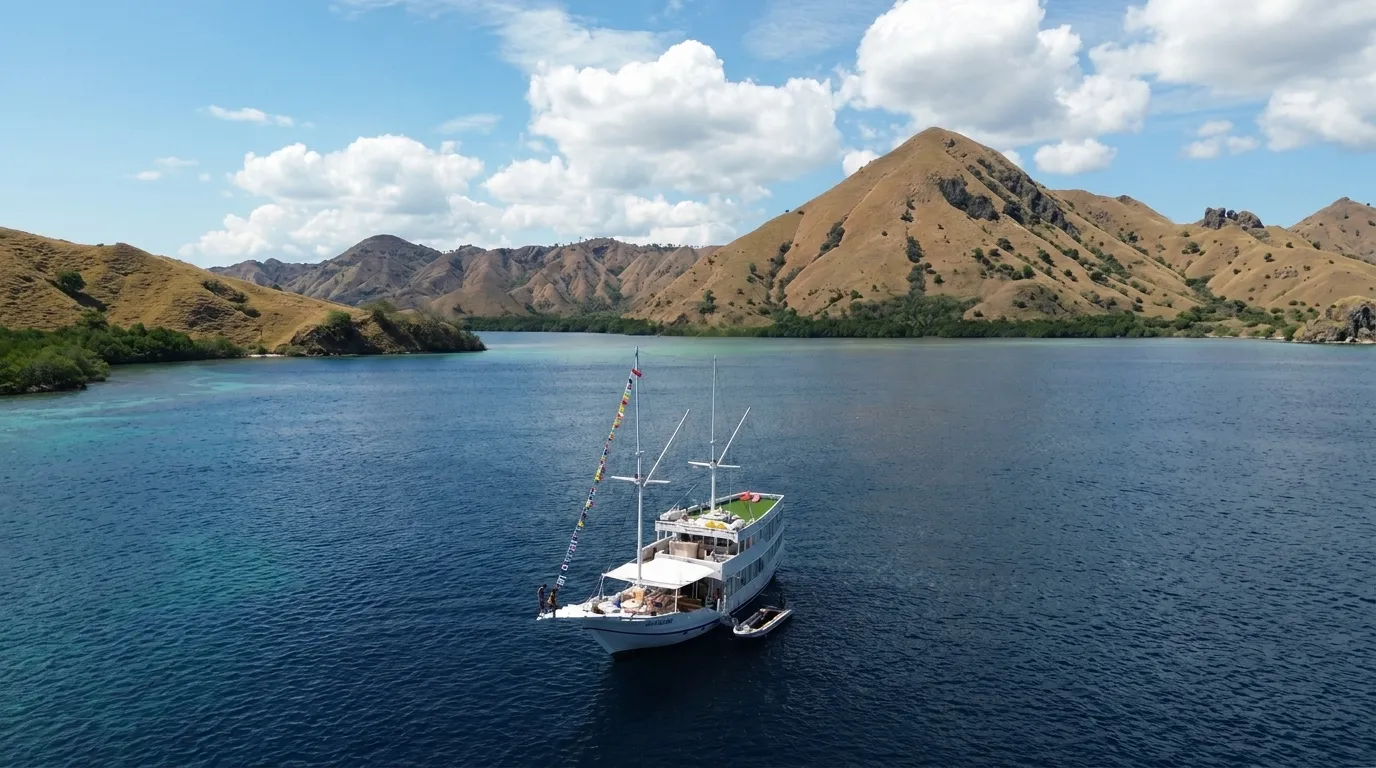
Secondary destination view of Manta Point
Manta Point, one of the dive sites in the explorer below.

At a glance

Plan around conditions, not a checklist

Komodo combines gentle coral gardens, manta cleaning areas, current-driven channels and advanced pinnacles. The right plan starts with honest experience matching and keeps the daily route flexible.

Dive sites covered
13 site guides on this page
Experience range
Open Water to advanced drift experience
Trip formats
Day trips and multi-day liveaboards
Boats on this route
87 liveaboards to compare

Is Komodo diving right for you?

Match the site to the diver, not the reputation

Komodo is often described as an advanced destination. That is true of part of it. The published profiles here run from mild coral gardens to expert-only channels, so the honest answer depends on which sites your route actually includes.

Newly certified

Open Water, limited current experience

Selected central sites list Open Water certification and milder current. Ask the operator to confirm which sites are planned for your dates rather than assuming the best-known names are included.

Show Open Water sites
Experienced

Advanced certification, comfortable in blue water

Advanced sites add depth, walls and pinnacles. Recent dives, reliable buoyancy and comfort with negative entries matter more here than the certification card on its own.

Show Advanced sites
Current-ready

Advanced plus genuine drift experience

Several northern and southern sites list drift experience on top of Advanced certification. Surface-marker deployment and separation drills are normal expectations on those dives, not extras.

Show drift sites

Conditions

Currents shape the dive

Current strength varies between sites and can change through a tide. Northern and central water is often warmer, while southern routes can be cooler and more plankton-rich. Visibility also shifts with weather, season and location.

Use the site profiles as planning context. The operator and guide make the final site call after checking the day\'s tide, weather, group experience and emergency plan.

WaterRoughly 22-30°C at most sites. North and central commonly sit in the high twenties; published figures for southern upwelling dives run lower still
VisibilityCommonly 10-30 m, and materially lower during plankton blooms at southern and manta sites. Clearest on northern pinnacles in the dry season
CurrentMild on selected sites, strong or expert-only on others
SeasonDiveable year-round; drier months favour north and central, wetter months favour the south

Best time to dive Komodo

The park is diveable all year; the menu changes

What the season changes is which zone is reliable, how cold the water gets in the south, and how far visibility swings. Published guidance disagrees on the exact months, so treat the pattern as the planning unit and the operator's live call as the decision.

Roughly April to November

Drier months favour north and central

The drier stretch is generally associated with better access to the northern pinnacles and channels, and with the clearest water of the year. It is also the busiest period, and the southern upwelling that cools the water tends to fall inside it.

Roughly December to March

Wetter months favour the south

North-westerly wind and swell can make the northern pinnacles unreliable, and boats sometimes skip them. Southern bays stay reachable, water temperature evens out across the park, and several published sources associate this window with their strongest manta activity.

Water and exposure

Plan for a range, not a number

North and central water is commonly reported in the high twenties Celsius. Southern upwelling sites run colder in the dry season, and published figures disagree on how cold. Carry more exposure protection than a single tropical number suggests, especially for repeated southern dives.

Two disagreements are worth knowing before you book. Published sources put the southern dry-season low anywhere from the low twenties down to the high teens at depth, and they split on manta timing: some point at the central aggregation in the later dry months, others at the southern sites in the wet season. Both can hold, because the driver is plankton rather than the calendar. Ask your operator what the water has actually been doing in the weeks before your dates.

Three planning zones

Choose a route that fits the water

These zones are a planning shorthand. They do not replace a live briefing, and no route includes every named site.

North

Pinnacles and fast water

Castle Rock, Crystal Rock, The Cauldron and Golden Passage suit confident divers when current and tide line up.

Show northern sites
Central

Varied sites near core routes

Manta Point, Siaba Besar, Batu Bolong, Mawan and Tatawa Besar span mild coral gardens through stronger current dives.

Show central sites
South

Cooler water and rich reefs

Manta Alley, Cannibal Rock, Yellow Wall of Texas and Three Sisters reward careful timing and appropriate experience.

Show southern sites

Dive site explorer

Explore published Komodo dive sites

Each card opens a full site guide. Certification, depth, current and visibility come from that site’s own profile.

13 of 13 sites shown

13 dive sites shown.

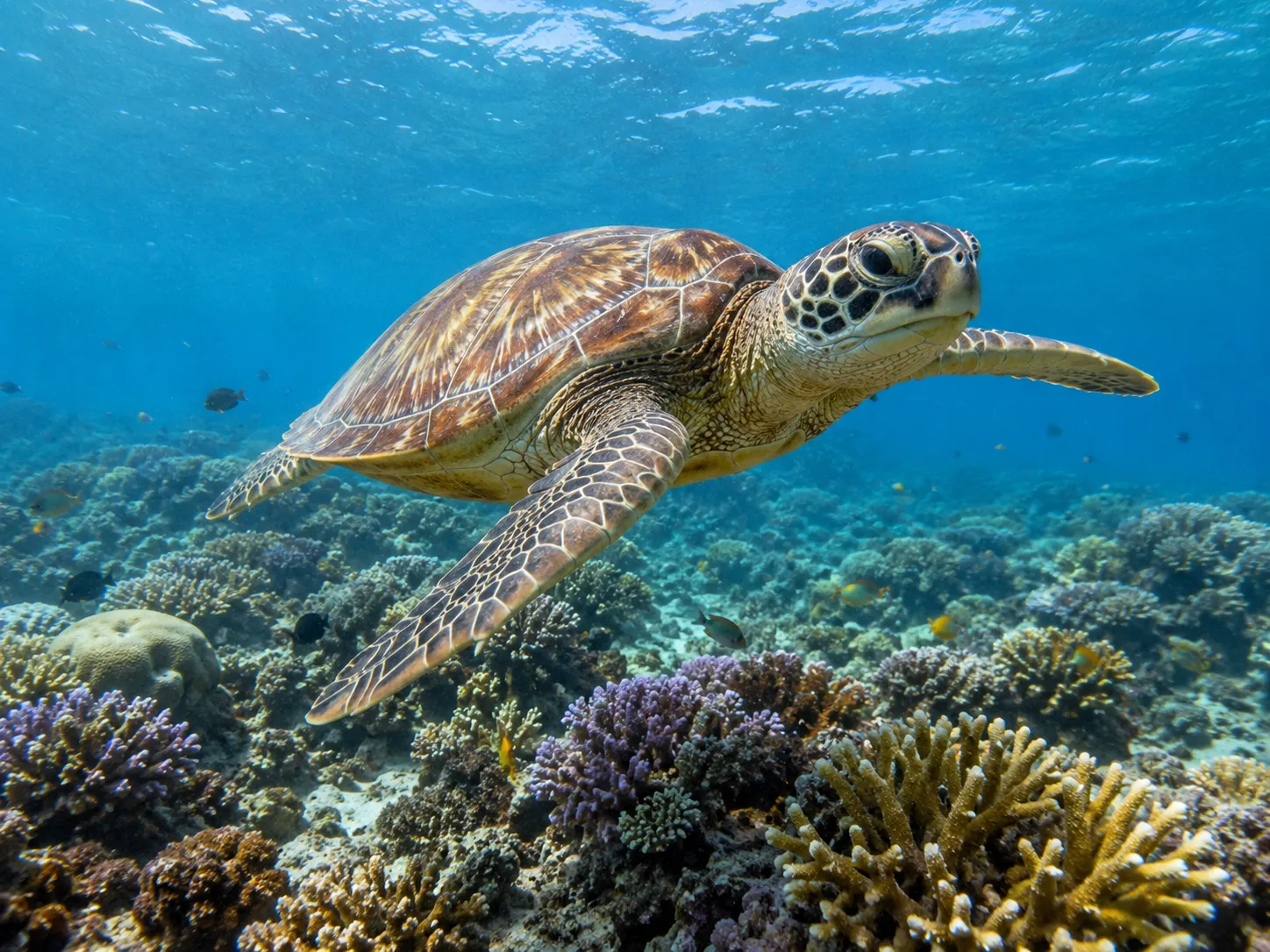
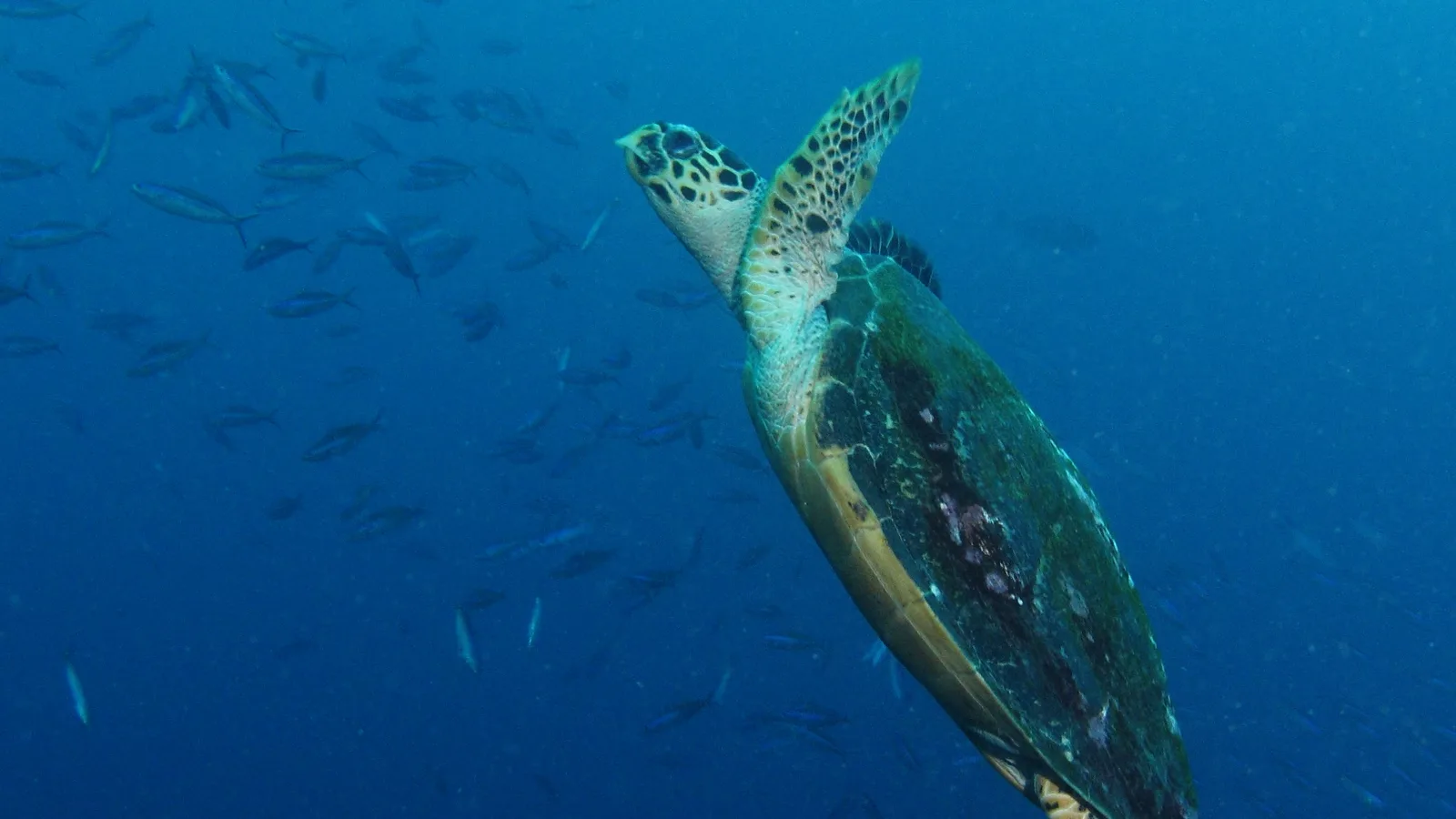
Green sea turtle resting under table coral at the Batu Bolong dive site in Komodo
CentralStrong current

Batu Bolong

Also called Hollow Rock

Certification
Advanced
Depth
Crown at about 5 m; wall continues past 70 m. Dives commonly worked at 18 to 20 m
Visibility
About 10 to 30 m. Dry season 20 to 30 m; December to March plankton can drop it to 10 to 15 m
Open site guide
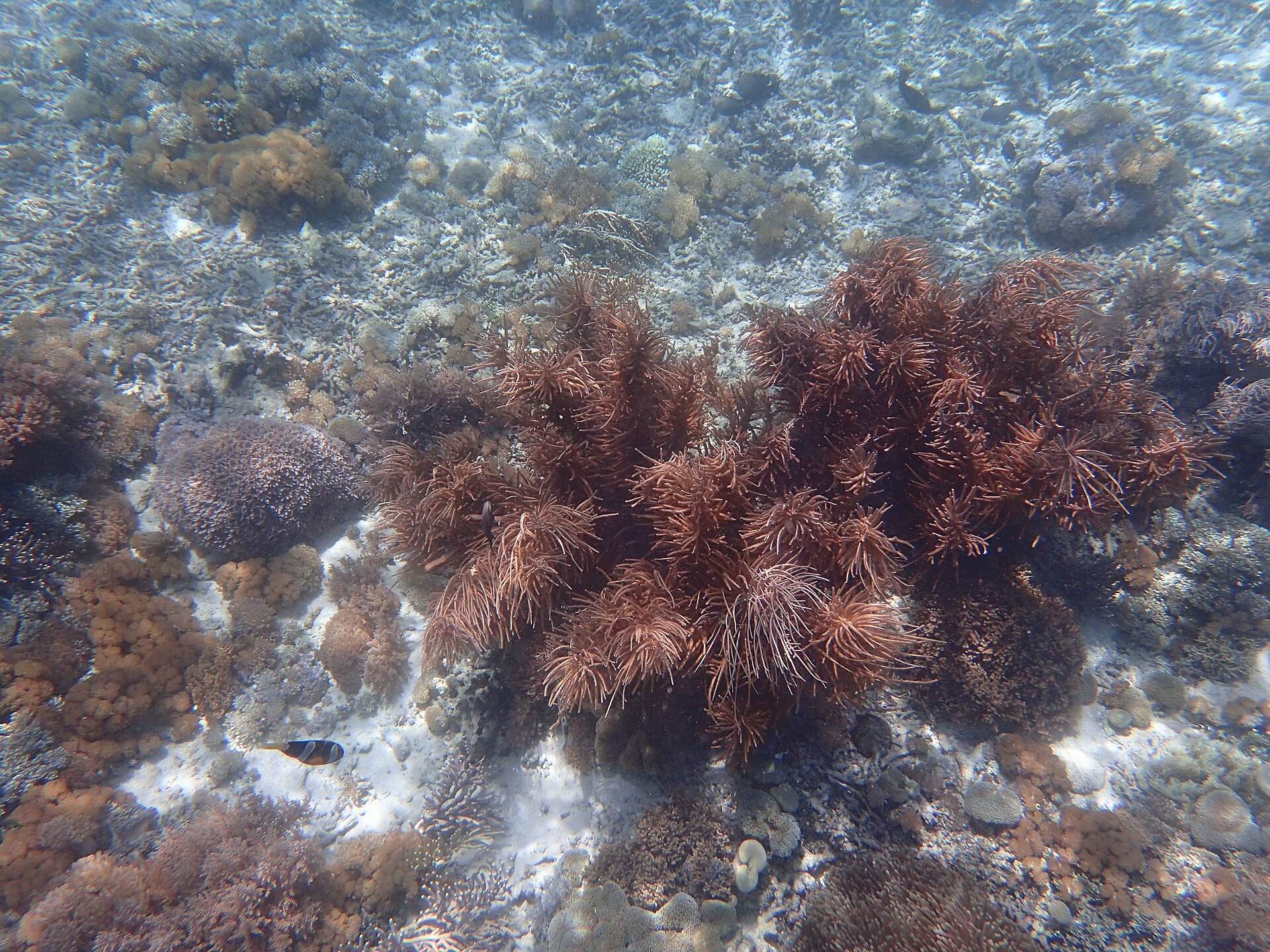
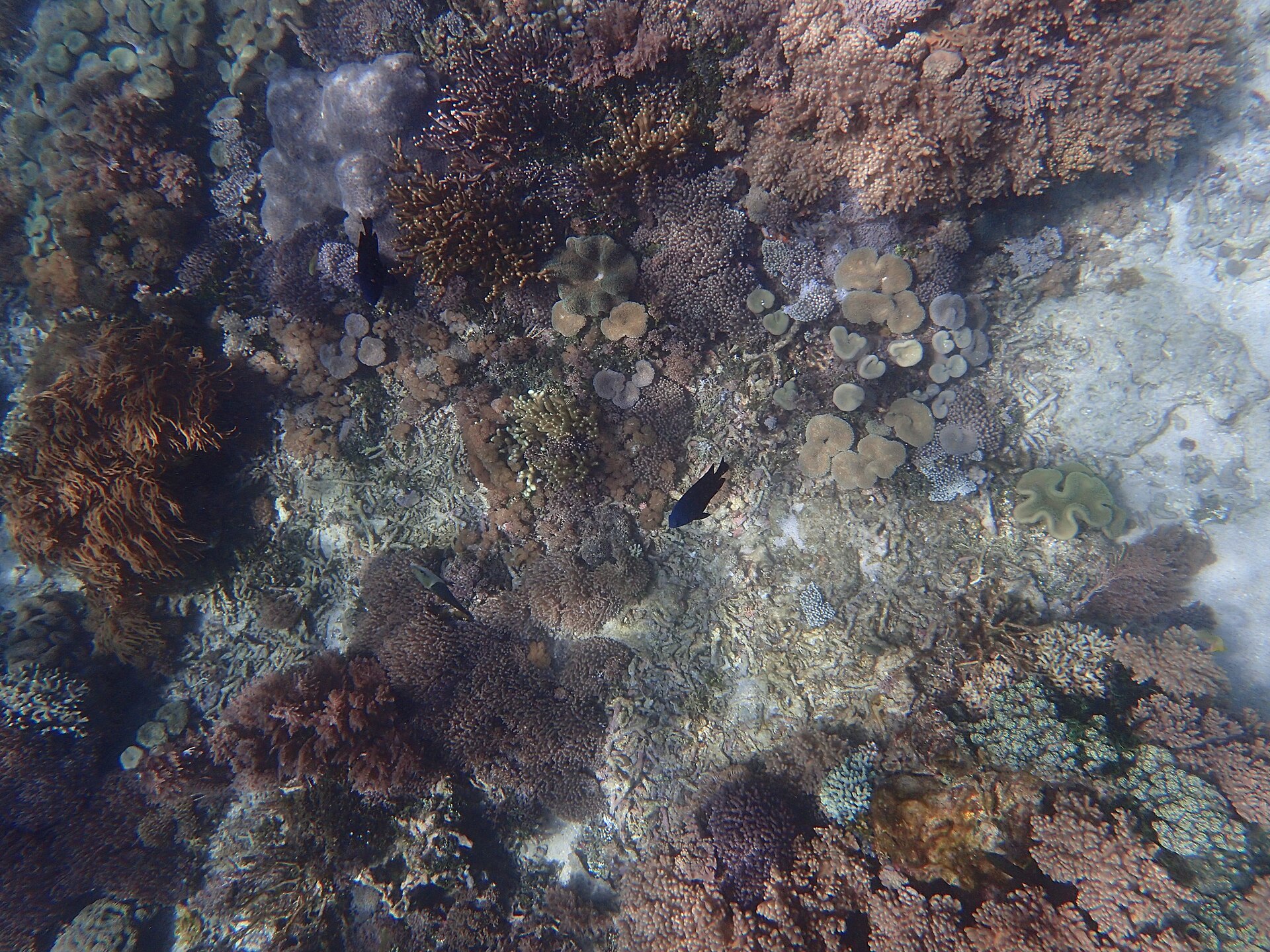
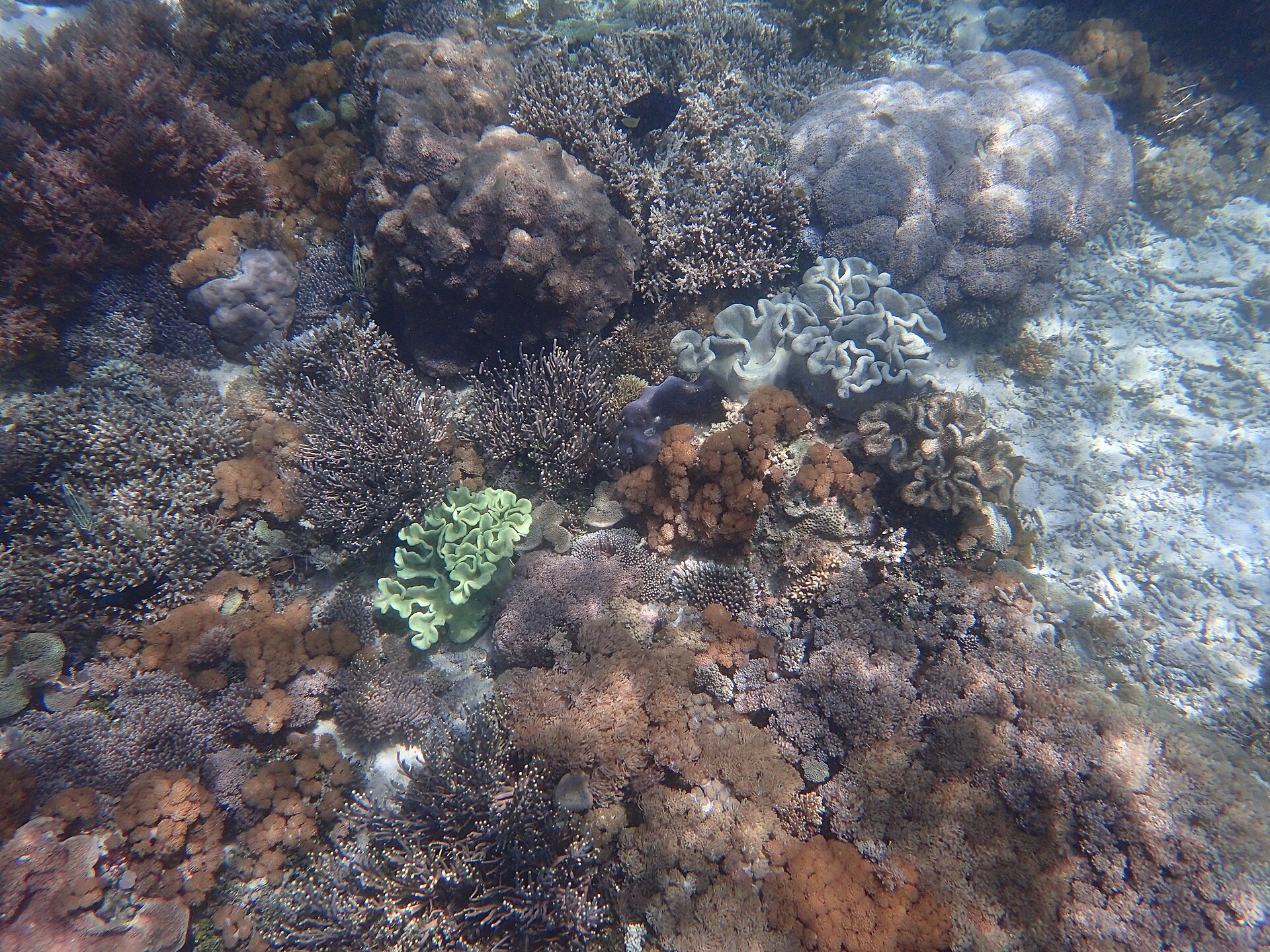
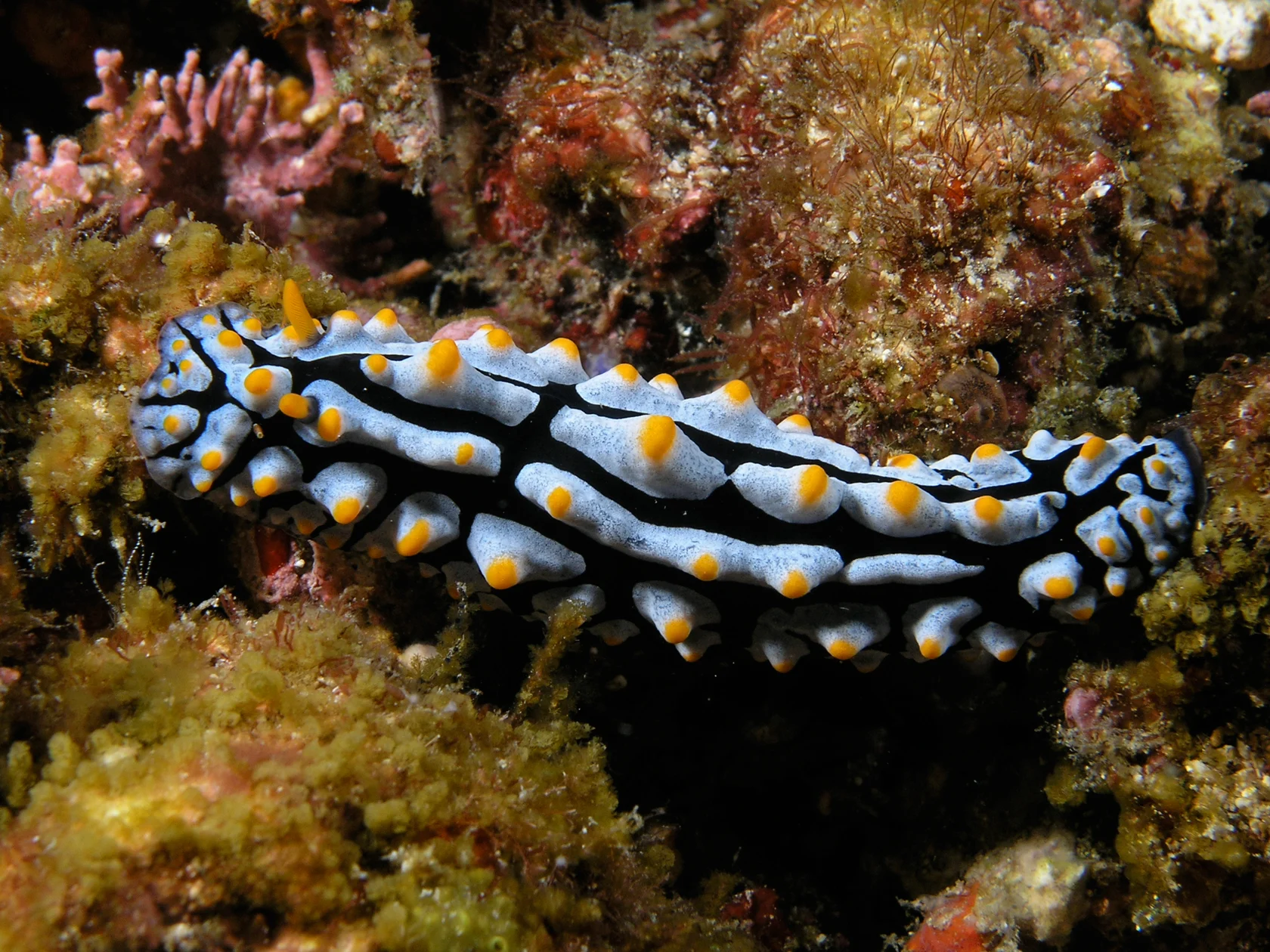
Underwater coral and reef life in Komodo National Park
SouthStrong current

Manta Alley

Also called Loh Belanda Manta Alley

Certification
Advanced + drift experience
Depth
5-30 m
Visibility
10-25 m
Open site guide
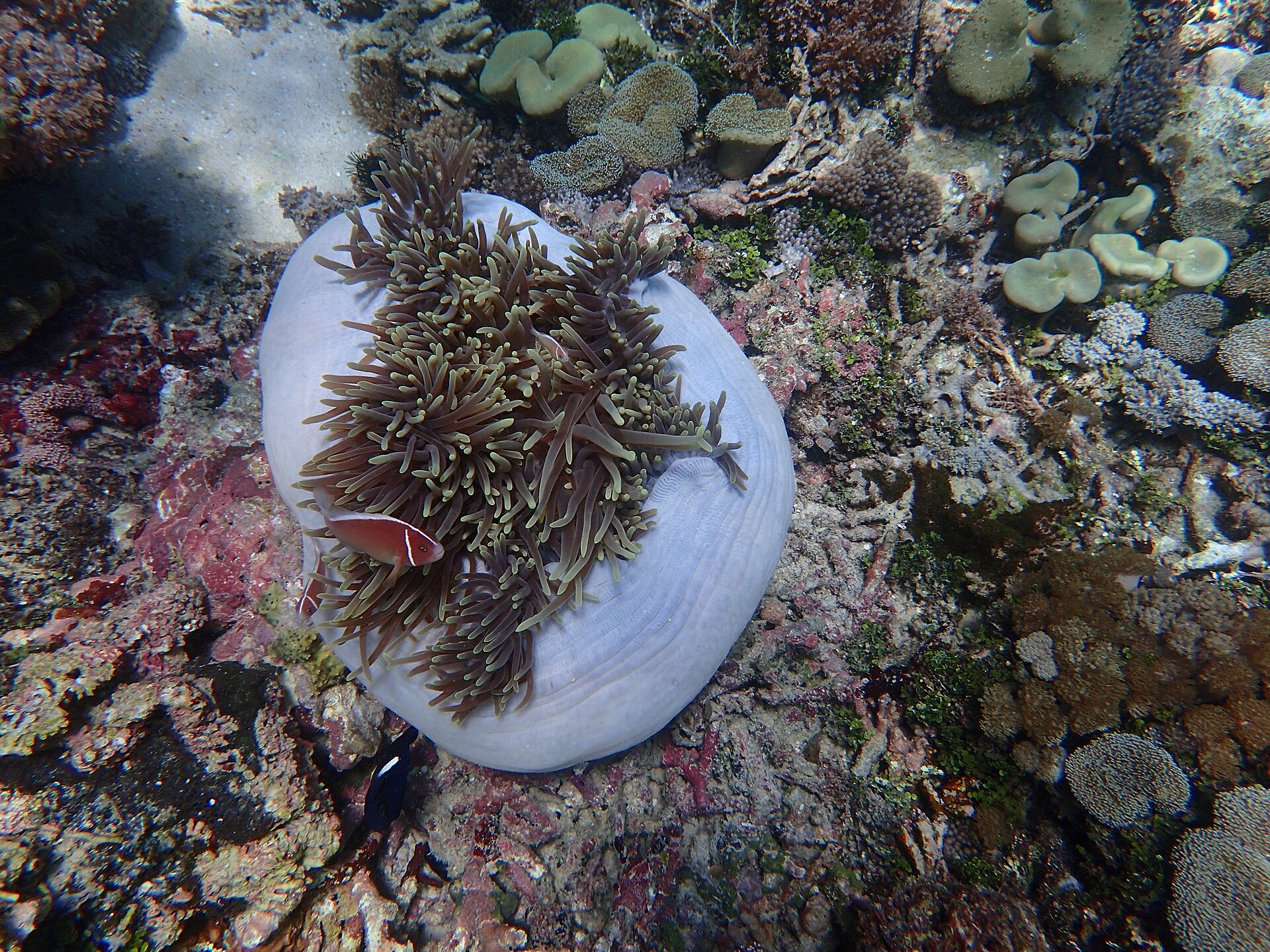
Secondary destination view of Manta Point
CentralModerate current

Manta Point

Also called Karang Makassar, Karang Makasar, Makassar Reef

Certification
Open Water
Depth
Shallow. Published profiles disagree - from 2-8 m to 10-18 m depending on source
Visibility
Highly variable: a few metres during heavy plankton blooms, 20 m or more in calm dry-season conditions
Open site guide
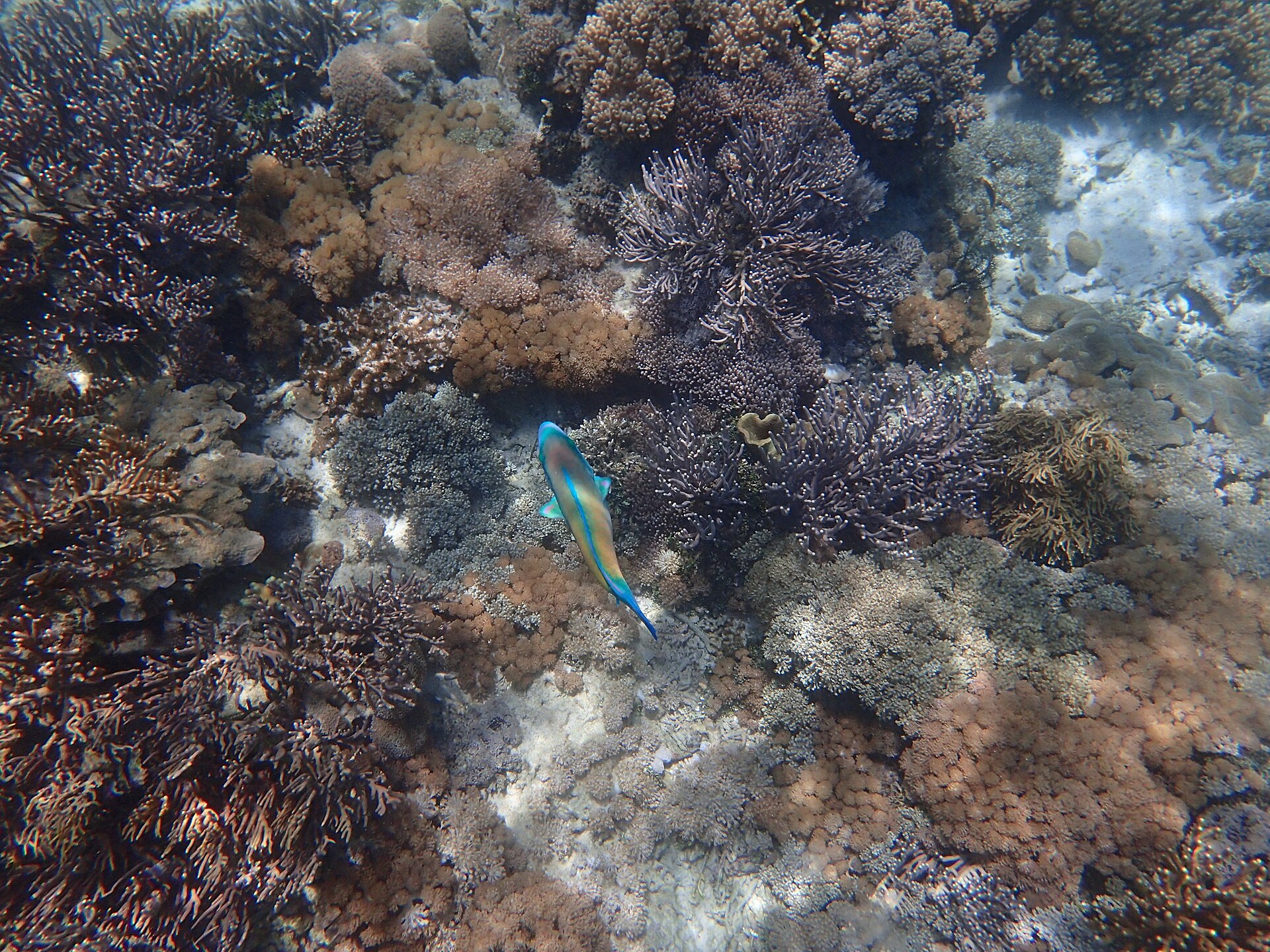
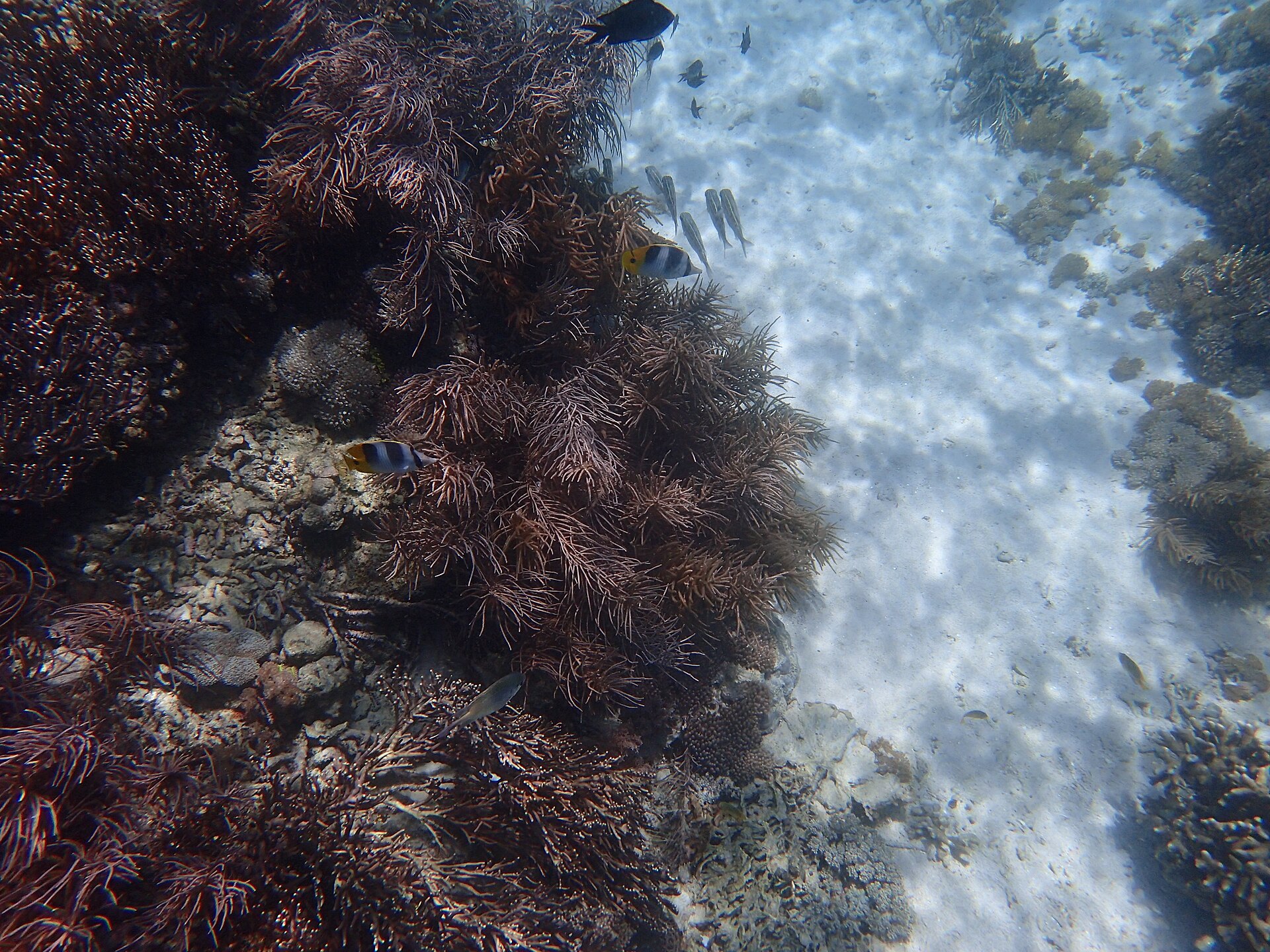
Underwater coral and reef life in Komodo National Park
CentralModerate current

Mawan

Also called Mawan Manta Site

Certification
Open Water
Depth
3-25 m
Visibility
10-25 m
Open site guide
Green turtle grazing over coral in the shallow bay at Siaba Besar
CentralMild current

Siaba Besar

Also called Pulau Siaba Besar, Siaba, Siaba Bay

Certification
Open Water
Depth
Coral garden at about 4 to 6 m; sandy slope to around 22 m
Visibility
Commonly 15 to 25 m in central Komodo, varying with tide and season
Open site guide

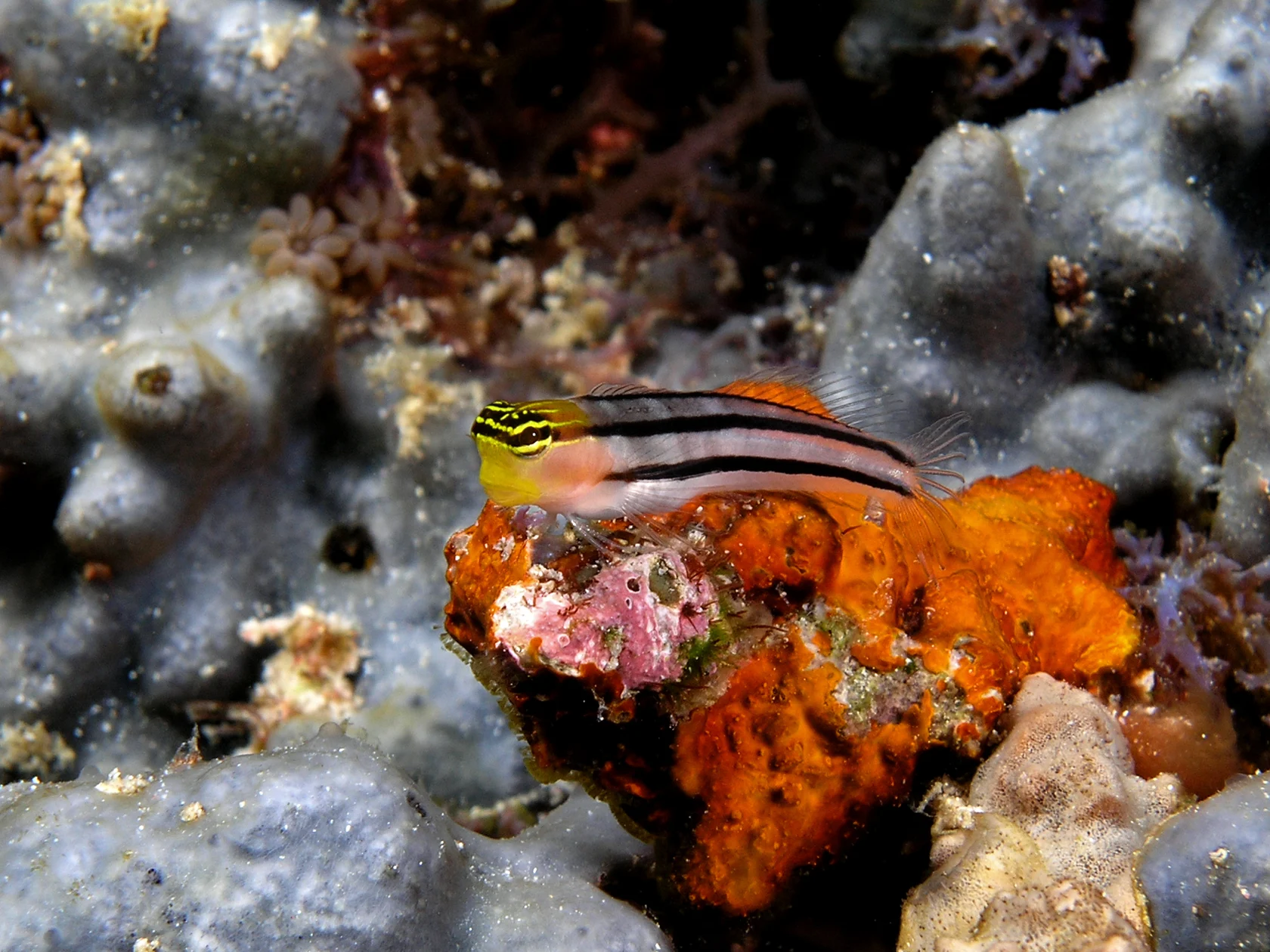
Marine life

What divers report seeing here

Each entry below is drawn from the site guides on this page, so it reflects what those sites actually record rather than a generic wishlist. Wildlife sightings vary by season, conditions and individual dive. No encounter is guaranteed.

Choosing a trip

Day boat or liveaboard?

A day boat keeps you based in Labuan Bajo and can suit a shorter stay. A liveaboard can extend range, add early or late dive windows and reduce daily harbour transfers. Neither format guarantees a particular site.

Compare route, guide ratios, rental gear, nitrox, emergency oxygen, surface-signalling equipment, medical forms and cancellation terms before booking.

Fleet preview

Liveaboards that run this route

These vessels are already linked to the Komodo Diving tour. This is a sample of that fleet, not the full list.

8 previewed from 87

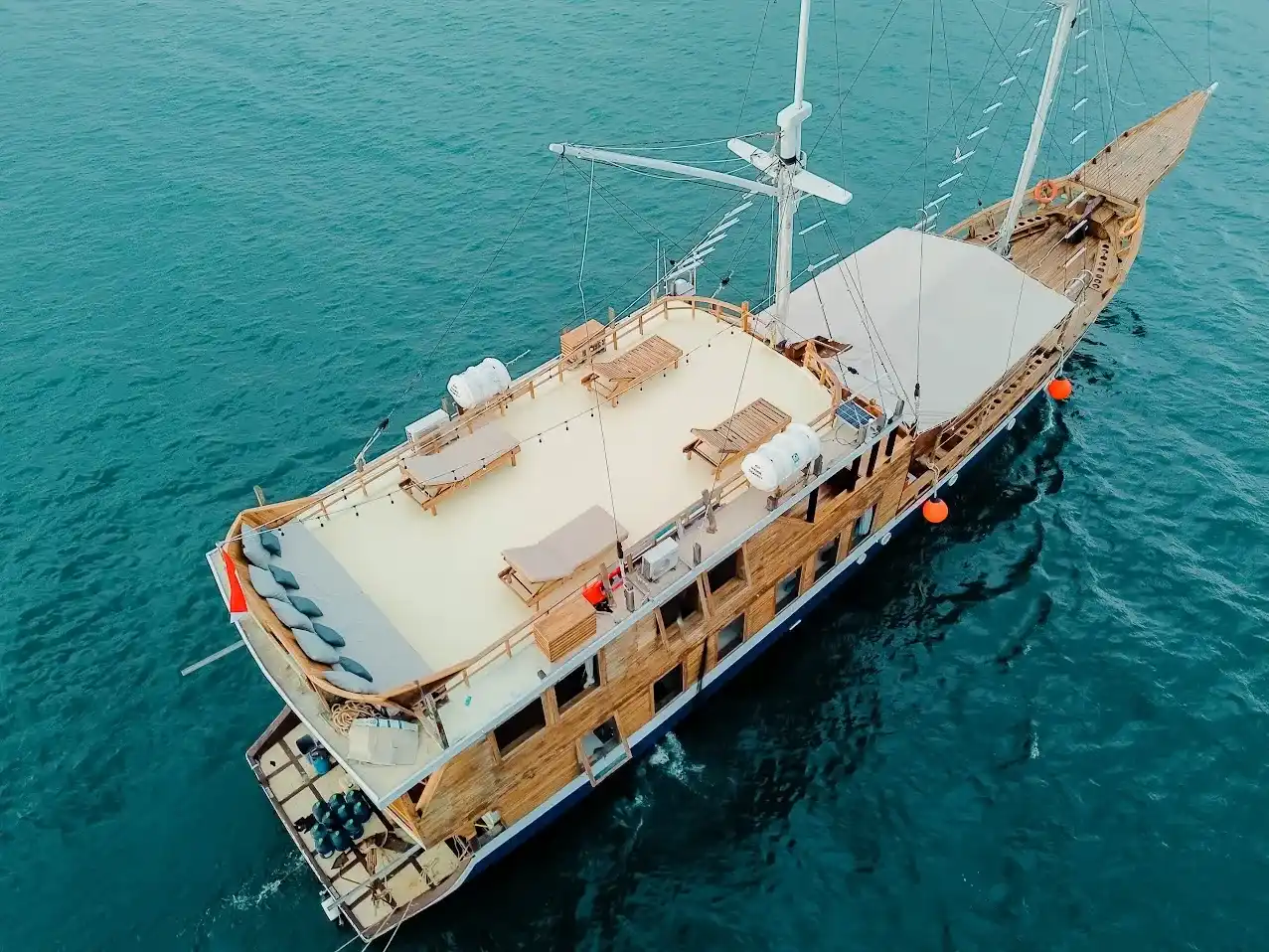
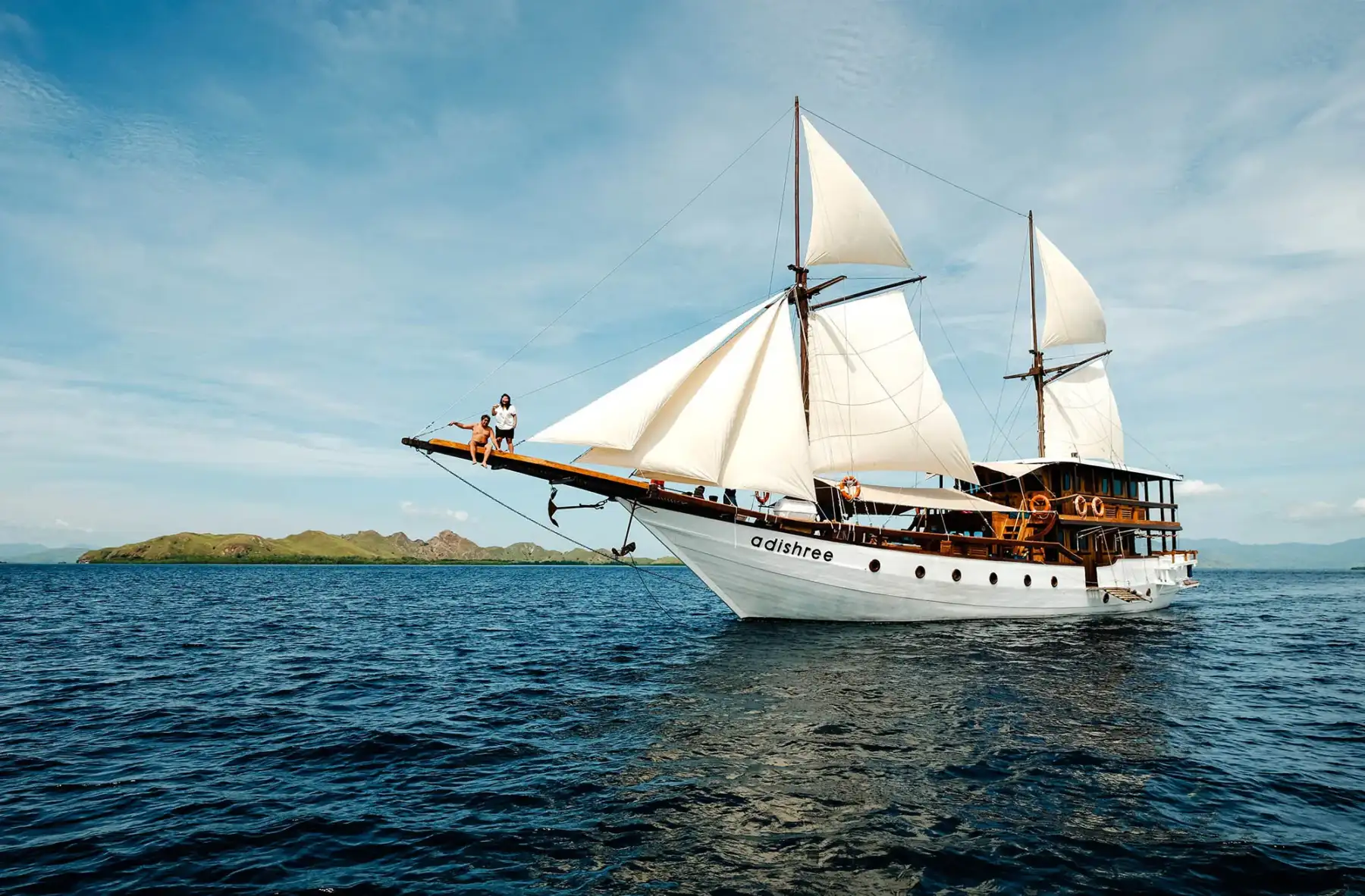
Adishree exterior 01 aboard Adishree phinisi

Diving liveaboard

Adishree

Dive setup
Dive Resort
Onboard
Compressor
Tenders
1 tender boat
Dive sites listed
3 sites
View vessel
Sundari exterior under sail aboard Sundari Voyages phinisi

Diving liveaboard

Sundari

Dive setup
Dive Resort
Guiding
2 dive guides
Onboard
Nitrox / Dive Master
Tenders
2 tender boats
View vessel
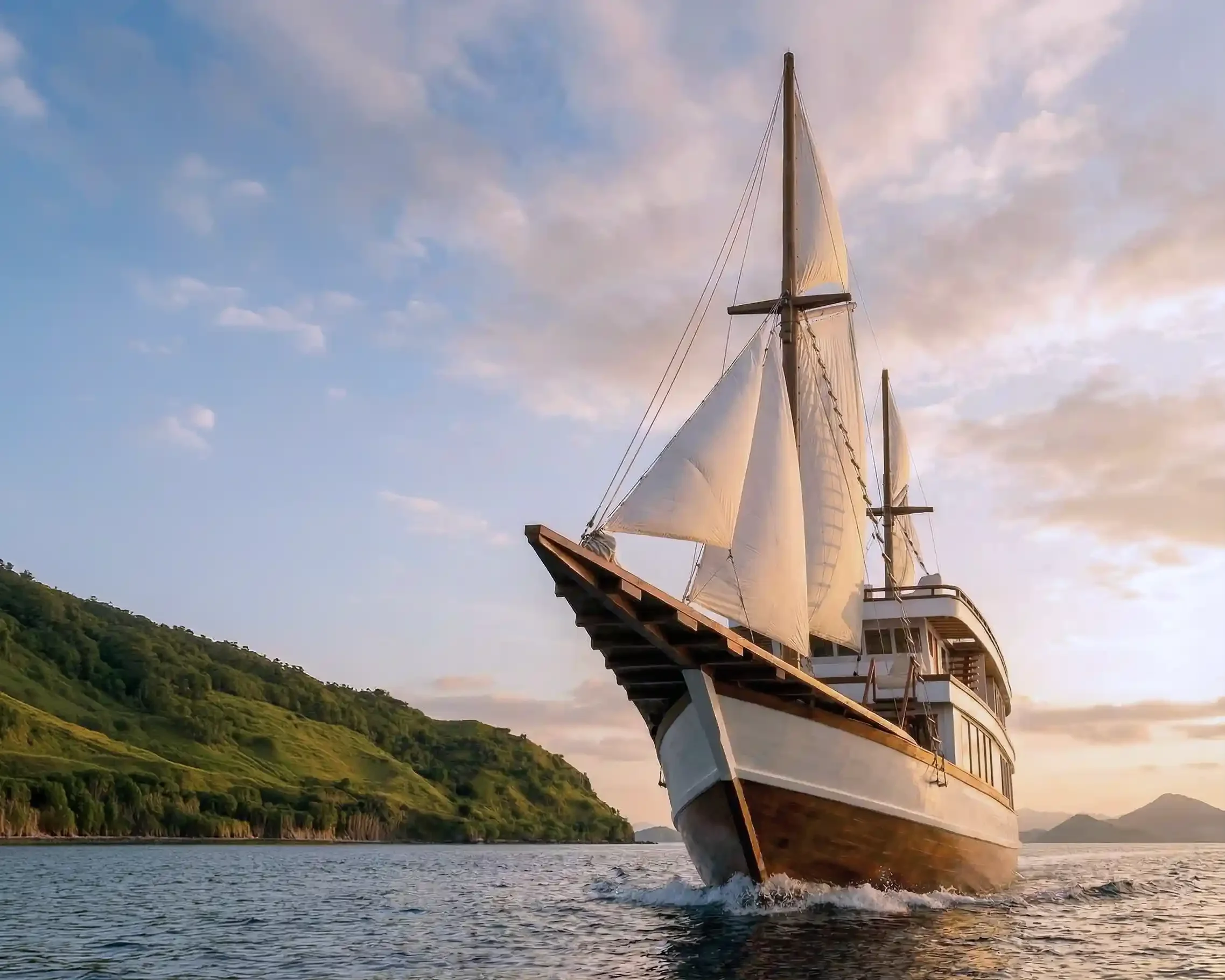
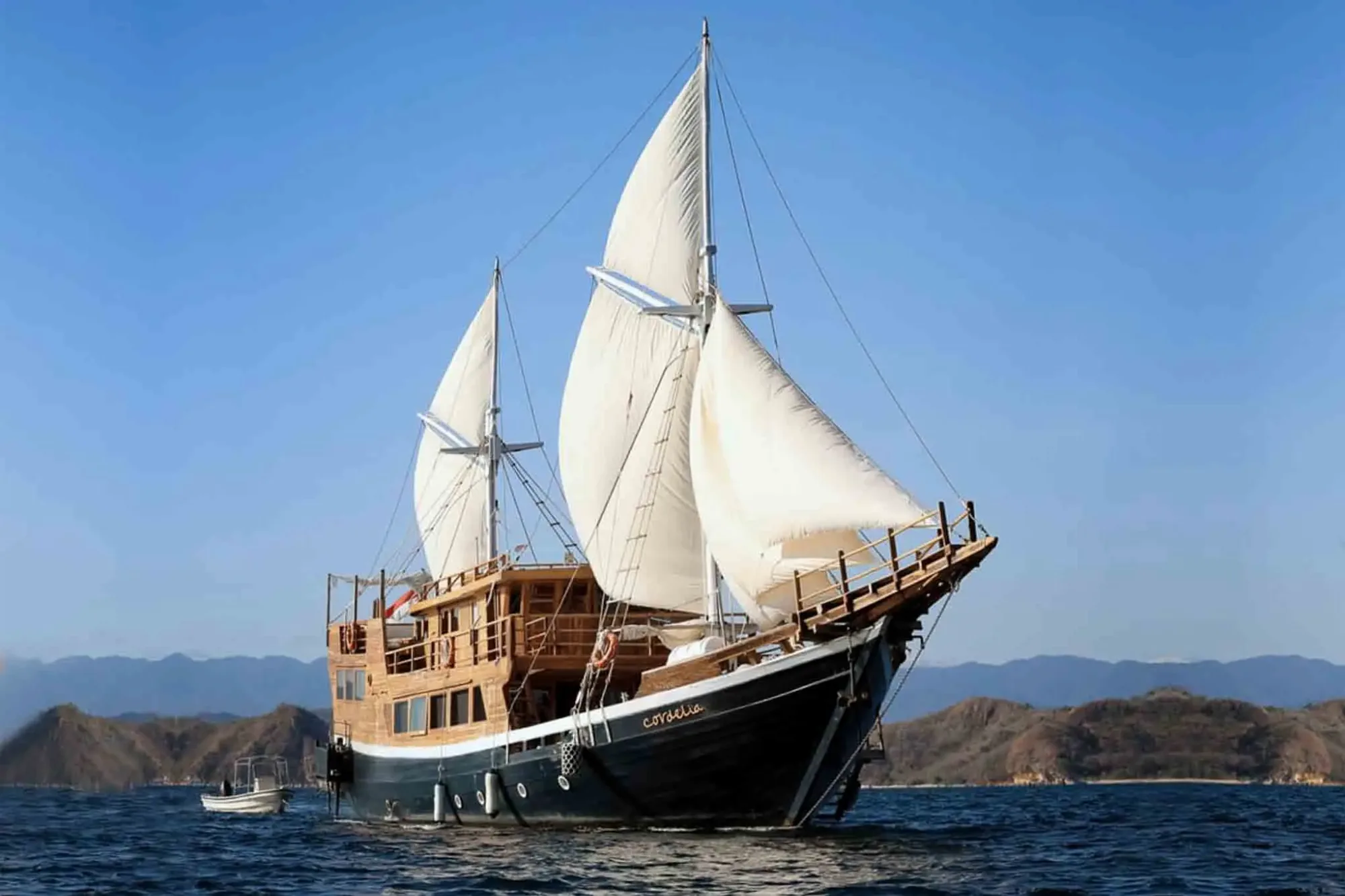
Cordelia, a 33-metre ironwood phinisi built in 2018, sailing in Komodo National Park

Diving liveaboard

Cordelia

Dive setup
Mixed
Onboard
Compressor / Dive Master
Tenders
2 tender boats
Dive sites listed
6 sites
View vessel
Mosalaki Luxury Phinisi Komodo Tour

Diving liveaboard

Mosalaki

Dive setup
Leisure Only
Onboard
Dive Master
Tenders
1 tender boat
Dive sites listed
4 sites
View vessel

Certification and safety

Be specific about your experience

  • Share certification, recent dives, comfort in current and any medical considerations honestly.
  • Confirm guide ratios, oxygen, communications, emergency plan and the operator\'s lost-diver procedure.
  • Carry the surface-signalling equipment required by the operator and follow the guide\'s separation plan.
  • Skip a dive if conditions, equipment or the briefing do not feel right.

What to bring

Prepare for variable routes

  • Certification proof and a logbook or recent-dive record.
  • Exposure protection appropriate for both warmer central water and cooler southern possibilities.
  • Dive insurance and emergency contact details requested by the operator.
  • Reusable water bottle, sun protection and any personal spares agreed with the dive team.

Inside the national park

Leave the reef as you found it

Keep neutral buoyancy, secure gauges and cameras, avoid touching coral, never chase wildlife and follow current park instructions from the operator. Visitor access, daily quotas and fees can change, so confirm the latest process before departure.

Frequently asked questions

Komodo diving planning

Can beginners dive in Komodo?

Yes, on suitable sites and at suitable times. Some published sites list Open Water certification, but a guide must still match the site and entry time to the diver, tide and current on the day.

When is the best time to dive in Komodo?

Komodo is dived year-round. Roughly April to November is generally drier and favours the northern and central zones, while roughly December to March favours the southern sites. Published sources disagree on the exact months and on when manta activity peaks. Site choice still depends on the day's weather, tide, visibility and route.

How strong are Komodo currents?

They range from mild to expert-only across the published site profiles. Current can also change during a dive window, so follow the operator's briefing and do not choose a site from a fixed label alone.

Do I need Advanced Open Water certification?

Not for every site. The explorer shows the certification stored on each Destination. Several northern and southern sites require Advanced certification plus drift experience, while selected central sites list Open Water.

Is a liveaboard required for Komodo diving?

No. Day trips and liveaboards serve different plans. Liveaboards can extend range and reduce daily harbour transfers, while day trips can suit shorter stays based in Labuan Bajo.

Are manta sightings guaranteed?

No. Mantas are wild animals. Season, plankton, tide and luck influence sightings, and responsible operators avoid promising a guaranteed encounter.

What water temperature should I plan for?

Plan for a range rather than one number. Northern and central Komodo is commonly reported in the high twenties Celsius, while southern upwelling sites run colder during the dry season and published figures disagree on how low they go. Carrying more exposure protection than a single tropical figure suggests is the safer choice.

Do I need to pay national park fees to dive?

Komodo National Park charges entry and activity fees, and the amounts, categories and payment process have changed more than once. Some packages include them and some do not, so confirm in writing what your operator has included before paying a deposit.

How this page was put together

Site-level figures come from our own Komodo dive-site guides, which record depth, current, visibility, certification and marine life per site. Season, water-temperature and visibility ranges were compared across several independent published accounts on 18 September 2026; where those accounts disagree we state the range rather than pick a number. Park access and fee wording is deliberately kept general because the amounts and the process change.

Last reviewed 18 September 2026 by the KomodoInsider editorial team. We are not a dive centre and this page is not a substitute for a dive briefing from the operator running your trip.