
How Many Days in Komodo? 1, 2, 3 and 4-Day Trips Compared
Compare Komodo 3D2N and 4D3N by pace, nights onboard, route flexibility, traveler type and the real job of the extra day.
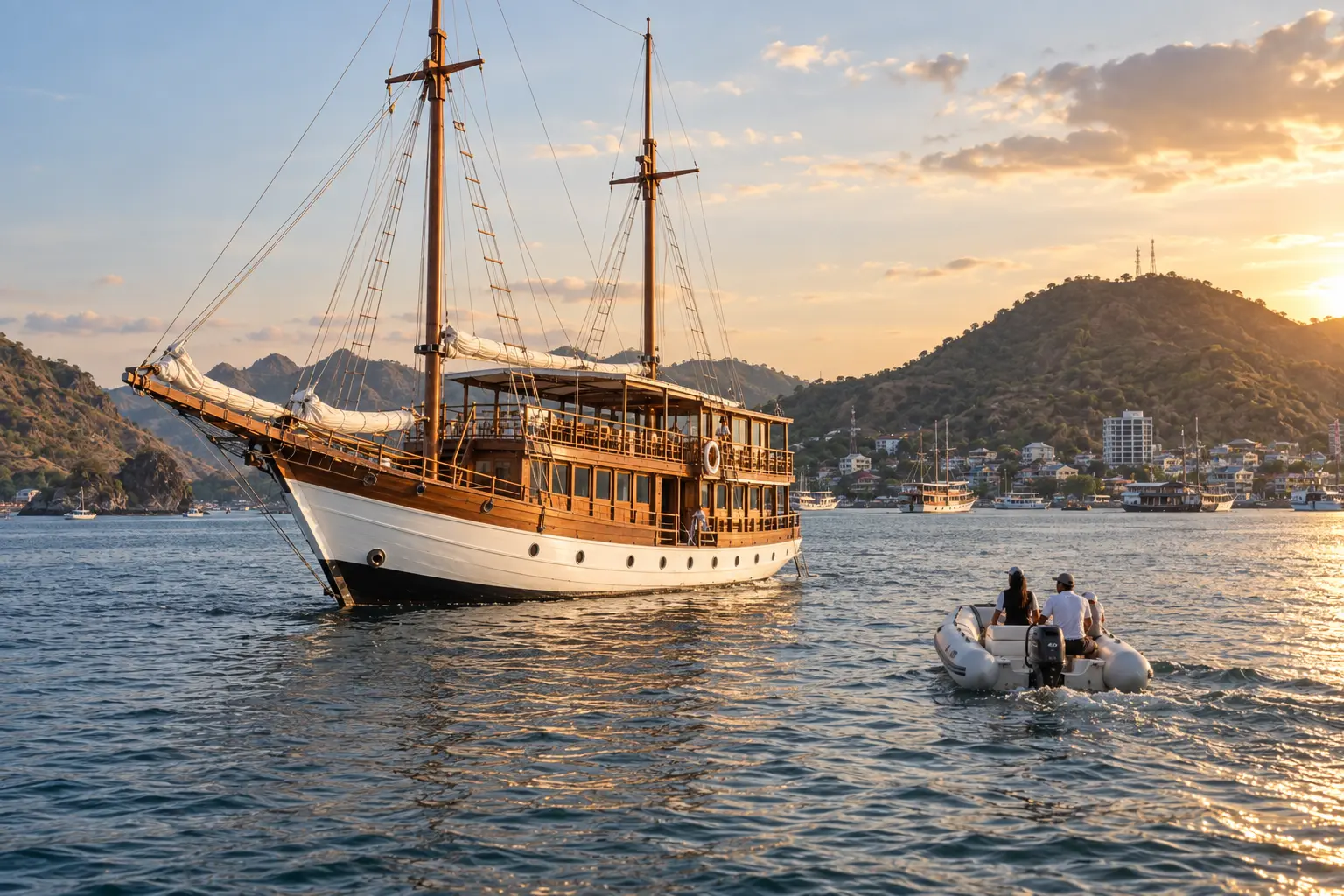
Komodo 3D2N vs 4D3N at a glance
The fundamental difference is not simply one more calendar day. A 3D2N trip has two nights onboard and usually has to keep moving to fit the main experiences into a compact loop from Labuan Bajo. A 4D3N trip has three nights onboard, so the operator has another block of sailing and activity time to work with. That can reduce pressure on individual days or make a wider route practical.
Neither duration is a fixed itinerary. Operators can change the sequence or remove a stop because of weather, currents, park conditions, port timing or safety. Compare the operating boat and the published route, not only the duration label.
| Decision factor | 3D2N | 4D3N |
|---|---|---|
| Nights onboard | Two nights | Three nights |
| Typical pace | More compressed, with less spare time between major activities | More room to spread sailing and activities across the trip |
| Route coverage | Best treated as a focused Komodo loop | Can support a wider route or a calmer version of a similar loop |
| Schedule resilience | Fewer spare hours if conditions change | One additional night gives the operator more sequencing options |
| Shared departure | Often the easier fit for a short holiday | Requires another night in the shared cabin and group schedule |
| Private charter | Good for a focused family or group plan | More useful when the group values pace, range or extra water time |
| Main trade-off | Less time onboard, but a tighter operating window | More time and usually more total trip commitment |
The decision starts with usable time, not a wish list
Count the nights you can actually spend on the boat after allowing for flights, hotel check-in and the operator’s meeting time. An early boat departure normally makes a same-morning flight risky. A late return can also make a same-evening flight a poor plan. Use Labuan Bajo as the practical gateway and leave a sensible buffer on land.
Then ask how you want the trip to feel. If you mainly want Padar-style viewpoints, a ranger-led dragon experience, beaches, snorkeling and time on a phinisi, three days can be enough when the published itinerary matches your priorities. If you care about a less compressed rhythm, more water time, a wider sailing area or better recovery between activities, the fourth day has a clearer purpose.

Choose 3D2N when the core trip matters most
A three-day, two-night trip is the strongest default for travelers who want an overnight Komodo experience without giving most of a week to it. It creates a meaningful step up from a one-day speedboat trip because you sleep inside the sailing area and can start an activity before day boats arrive from Labuan Bajo.
3D2N suits you if
- You have a short Indonesia itinerary and three sailing days are realistic.
- You are comfortable with early starts and several activities in one day.
- You want two nights on a phinisi but do not need a slower onboard rhythm.
- Your priority is a focused Komodo route rather than reaching every possible area.
- You found a boat whose cabin, safety information and route fit your needs.
Think twice if
- You need long recovery periods between hikes, snorkeling and transfers.
- You are booking mainly for a remote dive area or a stop far from the standard loop.
- Your group wants substantial control over meal times, activity length or daily pace.
- You would be disappointed if conditions forced the operator to simplify the route.
Choose 4D3N when the extra night has a job
The fourth day is valuable when it changes the operating plan, not when it only adds more time at anchor. It can give the captain another tide window, let the boat reposition overnight, make a broader loop feasible, or spread several demanding activities across more days. Ask the operator exactly how its 4D3N route differs from its 3D2N route.
A longer itinerary still follows the captain’s safety judgement. Southern, northern or remote stops should be treated as planned possibilities unless the operator clearly states otherwise. Weather, currents, visitor management and park conditions can reshape the trip at short notice.
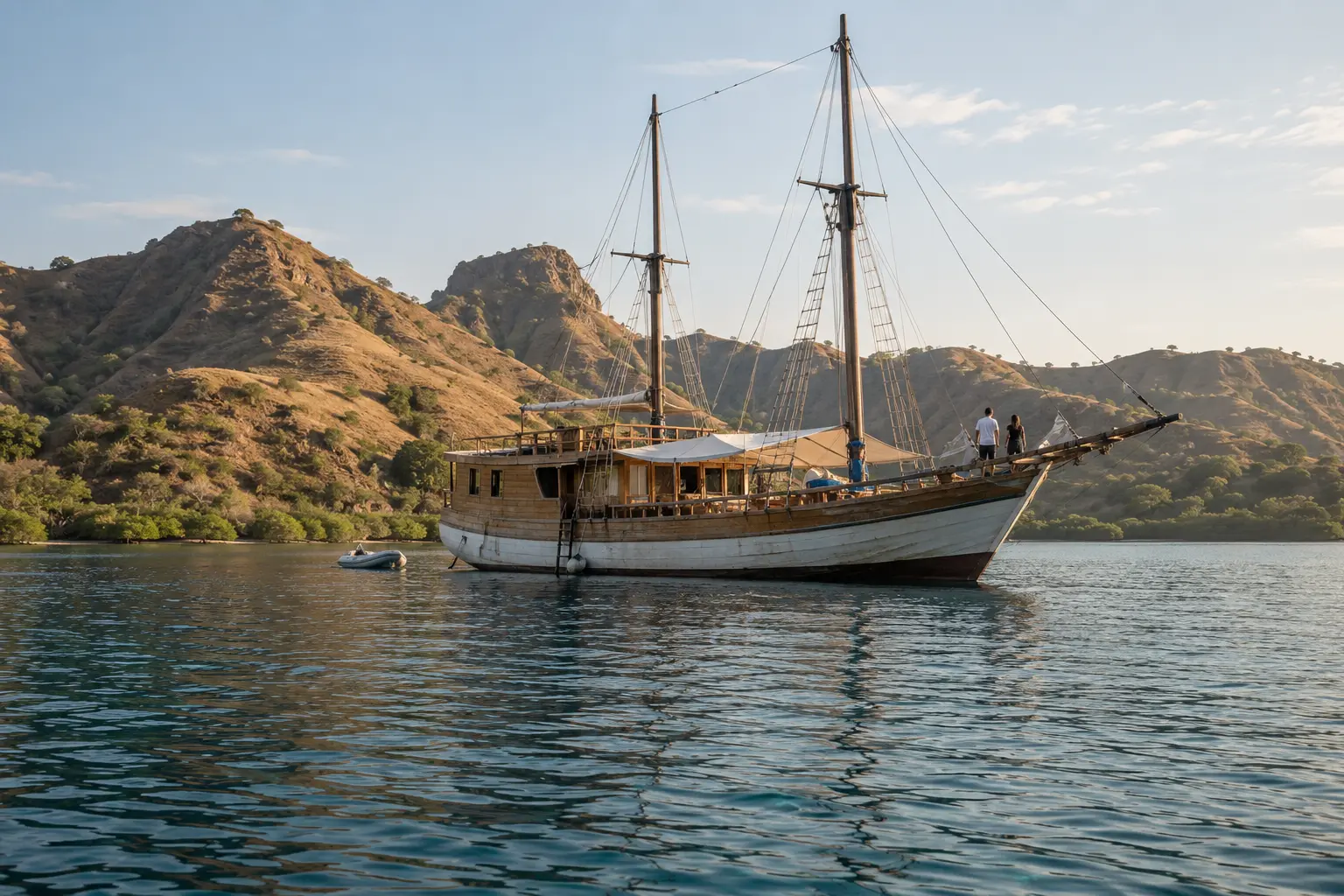
4D3N suits you if
- You can protect four full sailing days plus a land buffer.
- You value a calmer rhythm more than the shortest possible itinerary.
- You want the operator to have more options when conditions shift.
- Your route has a clear fourth-day benefit that is explained in writing.
- You enjoy the onboard experience itself, not only the named stops.
Think twice if
- The published fourth day is mainly a return leg with little added value for you.
- An extra night in the selected cabin would reduce comfort rather than improve the trip.
- Your flight schedule makes the fourth day rushed or forces a risky connection.
- You are choosing only because the longer option sounds more complete.
Shared trips and private charters change the answer
On a shared departure, you buy a cabin or passenger place on a fixed sailing. The operator controls the published schedule and must manage the whole group. On a private charter, your group books the vessel, so there is usually more room to discuss pace, meal timing and route priorities. A charter is not permission to ignore weather, currents, park rules or the captain’s safety decision.
For a shared trip
Choose the duration only after checking the exact departure and return times, cabin allocation, passenger capacity and whether the boat actually runs that duration as a shared product.
For a private charter
Ask what the additional day changes, which route choices remain conditional, and whether the whole-boat offer covers the trip length you are discussing.
Compare Komodo open trips and private charters before choosing a booking model.
Which duration fits your traveler type?
Solo traveler
Start with shared 3D2N departures because they are easier to fit into a short trip and create a social group. Move to 4D3N when the route difference matters and the extra cabin night fits your budget and comfort needs.
Couple
Choose based on cabin privacy and pace. A good 3D2N cabin can beat a longer trip in a poor room. Four days works best when both of you enjoy the sailing time, not only the destination list.
Family
Four days can spread activity load, but another night also means more time in a compact cabin. Confirm life jackets, railings, cabin setup, child policy, tender access and the operator’s minimum age before deciding.
Friends or private group
A 4D3N charter can make sense when the group wants more flexible pacing. Agree on priorities before booking so the captain receives one clear brief rather than competing requests onboard.
Diver
Duration alone does not prove dive support. Confirm the boat’s dive focus, guide capacity, compressor or tank arrangements, equipment, site plan and whether the itinerary is a real dive departure. See the Komodo diving hub.
Traveler with limited time
If you only have one free day, do not force an overnight itinerary around flights. Compare the Komodo one-day tour inventory with liveaboard options honestly.
Questions that reveal what the extra day buys
Ask the operator before paying
- What is the planned route for this exact departure and boat?
- How does the 4D3N plan differ from the operator’s 3D2N plan?
- Which stops are conditional on weather, currents, park conditions or timing?
- What time and place are check-in, boarding, return and hotel transfer?
- Is the offer shared by cabin, per person, or for the whole boat?
- Which cabin is assigned, and can the operator confirm its bed, bathroom and deck?
- Which inclusions, park charges and optional activities sit outside the quoted fare?
- What happens if conditions require a route change?
Also review the practical Komodo packing list and the month-by-month sailing guide. Those two decisions can matter more than adding one day to the itinerary.
Frequently asked questions
Is 3D2N enough for Komodo?
It is enough for a focused overnight Komodo trip when the boat, route and activity pace match your priorities. It is not enough to guarantee every named stop or every part of the park.
Is 4D3N always less rushed?
No. It gives the operator more time, but the actual pace depends on route distance, boat speed, activity schedule and conditions. Read the daily plan and ask what the fourth day changes.
Does a four-day trip guarantee more destinations?
No. A longer duration can support wider coverage, but no responsible comparison should guarantee a stop that depends on weather, currents, park conditions or safety.
Which duration is better for families?
It depends on the children, cabin setup and activity load. More days can create a gentler pace, while another night in a compact cabin can also be tiring. Confirm the boat’s family policy and safety setup.
Which duration is better for seasickness?
Neither label answers that. Ask about the boat, expected sea passages, cabin position, route and season. A longer trip creates more time onboard, while a speed-focused short itinerary can involve more concentrated movement.
Can I customize the route on a private charter?
You can usually discuss priorities and pace, but the captain retains control over safe operation. Weather, currents, park rules and local conditions can still change the plan.
Methodology and freshness
This decision guide separates duration from booking model, vessel capability and route claims. It links to live KomodoInsider Tour and Liveaboard inventory instead of freezing boat counts or prices in the article. Inventory, schedules and facilities can change, so confirm the exact departure and boat with the operator.
