
Phinisi Boat Types and Design: The Heritage Behind Komodo’s Boats
Understand pinisi rigs, palari and lamba hull terminology, boatbuilding skills and how modern Komodo liveaboards adapt the tradition.
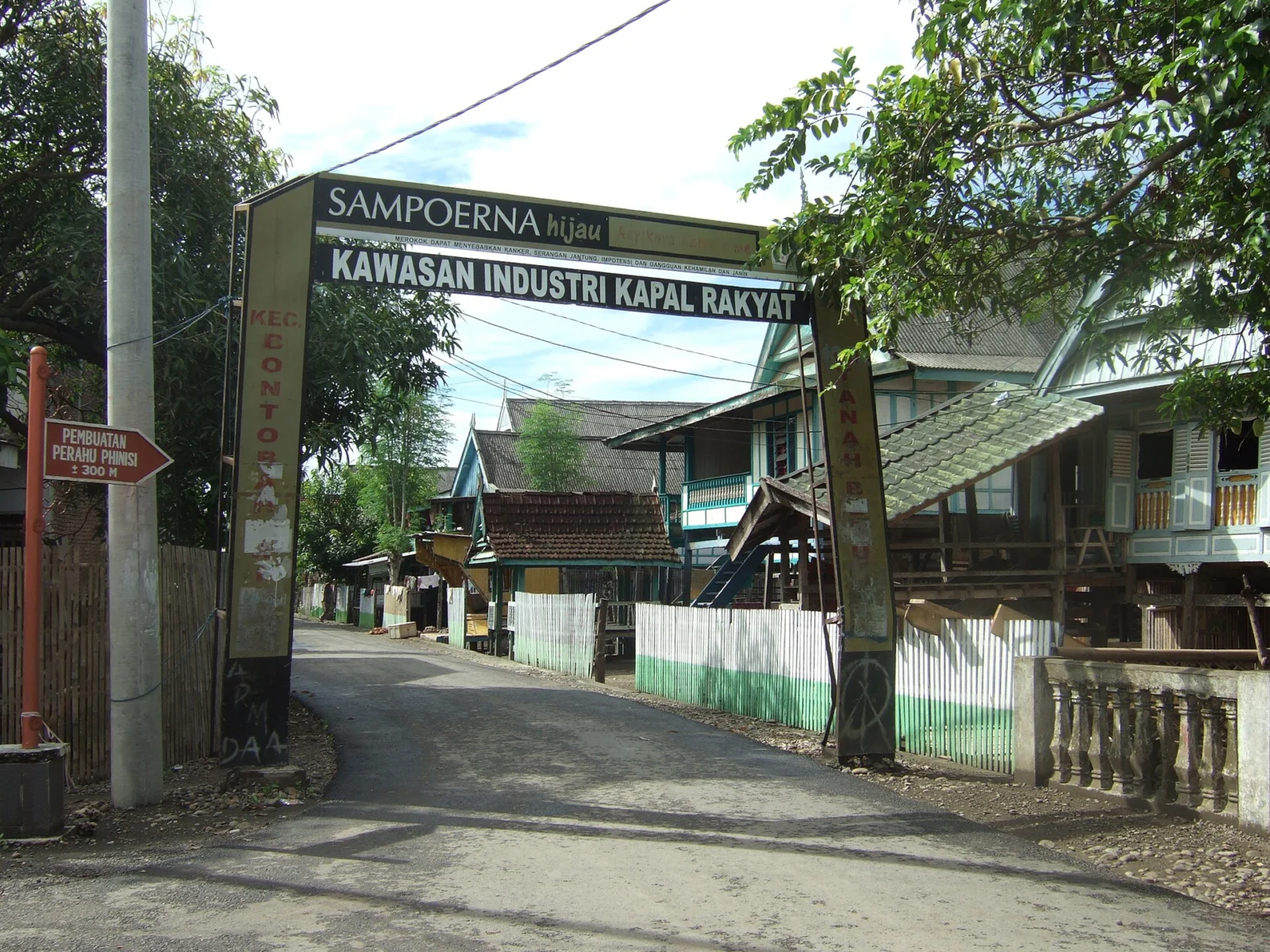
Phinisi boat types are easier to understand when you separate the sailing rig, the hull and the modern accommodation built above it. The heritage behind Komodo’s phinisi boats comes from South Sulawesi boatbuilding traditions. Komodo is a destination where many visitors encounter these vessels, rather than the origin of the recognised craft.
On a Komodo trip, that distinction makes the boats more interesting to look at. The masts and sails tell one part of the story; the shape at the waterline tells another. A broad sun deck, a cabin balcony and an engine room describe how a particular vessel has been adapted for its present work.
What UNESCO recognised
UNESCO’s Pinisi inscription was added to the Representative List of the Intangible Cultural Heritage of Humanity in 2017. It concerns South Sulawesi boatbuilding knowledge and practice, with pinisi referring to the rig and sails. The recognition is about living skills and their transmission, rather than an individual registration of every vessel sold as a phinisi.
A meaningful description names builders and places wherever the evidence permits. Treating all Indonesian wooden boats as one timeless design misses the people who built, sailed, repaired and changed them.
Rig, hull and tour category: three different descriptions
| Description | What it identifies | What to look for or ask |
|---|---|---|
| Pinisi rig | An arrangement of masts, sails and lines. | Ask about the installed rig and whether sail use is part of this departure. |
| Palari or lamba hull terminology | Hull forms described in specialist boatbuilding accounts. | Ask which terminology the builder uses; a marketing photograph is insufficient for classification. |
| Motorised tourism vessel | The boat’s present propulsion, accommodation and working arrangement. | Check the named vessel, cabin plan, refits and actual operation. |
| Luxury or VVIP | A seller’s service or accommodation category. | Compare the facilities and terms that come with the label. |
Reading the rig: why two masts are only the beginning
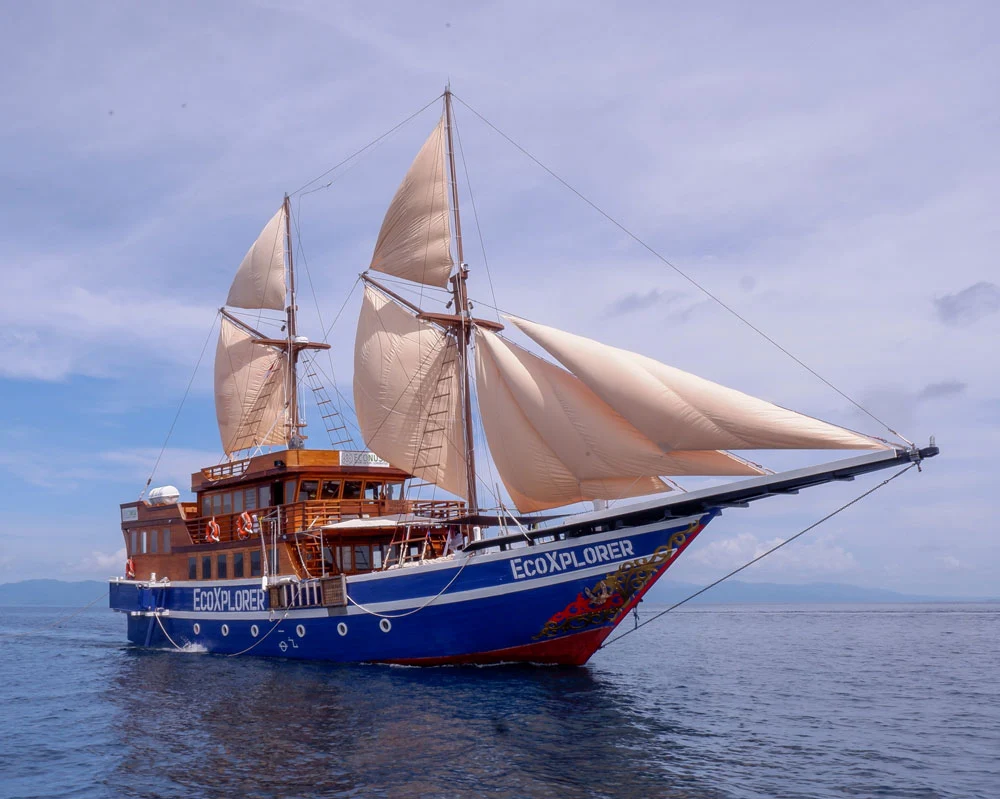
Naval designer Michael Kasten’s account of Indonesian pinisi distinguishes the rig from the hull and describes the traditional arrangement as a gaff-ketch, commonly called a seven-sail schooner locally. This gives readers a useful vocabulary, but counting masts in a distant photograph cannot establish how a modern boat is rigged or operated.
Look for the relationship between the sails, their supporting spars and the deck space. Then ask the crew which parts are used during a normal guest trip. Raised sails in a gallery can show a special moment; they do not tell you how the next passage will be made.
Palari, lamba and the limits of a two-type list
Kasten, attributing the terminology to maritime researcher Horst Liebner, describes palari with curved stem and stern timbers and lamba with straight, sharply raked posts. These are distinctions in hull construction. They should not be presented as two grades of cabin comfort, or as proof that every boat can be placed into one of two universal categories.
Spellings and labels vary across accounts. If a brochure uses “lambo”, ask the operator what it means for that vessel and request the builder’s description. Keep the source’s own terminology when documenting a boat instead of silently treating every similar word as an exact synonym.
How the hull is built
Kasten’s construction account describes a shell-first sequence: planks help form the hull before the internal framing is fitted. His explanation also discusses edge fastening with wooden dowels. It is an introduction to a building approach, not an instruction manual or a claim that all present-day yards use identical materials and fasteners.
A boat’s construction history should name the yard or builder, location and period where known. Record later refits separately. New bathrooms and refreshed cabin finishes can change a guest’s experience without establishing when the underlying hull was built.
The skills are learned through work
A 2022 ethnographic case study by Andi Yurni Ulfa and colleagues documents learning through demonstration, repetition, individual practice and group work in a Tanah Lemo boatbuilding setting. It also records non-technical knowledge and ritual practice. These are findings from a particular study, rather than testimony collected by Komodo Insider or a universal account of every building community.
If visiting a boatyard, arrange permission and follow worksite instructions. Ask before photographing workers or recording an explanation. A short visitor encounter can introduce a craftsperson’s work; it should not be turned into an invented account of an entire community.
How tourism changes the design
Modern liveaboards combine working boats with accommodation: cabins, bathrooms, shaded dining areas and open decks. To compare them, read the layout as a traveller. Which cabin is beside machinery? Which route leads to the tender? Is the social area protected when wind or rain changes the day?
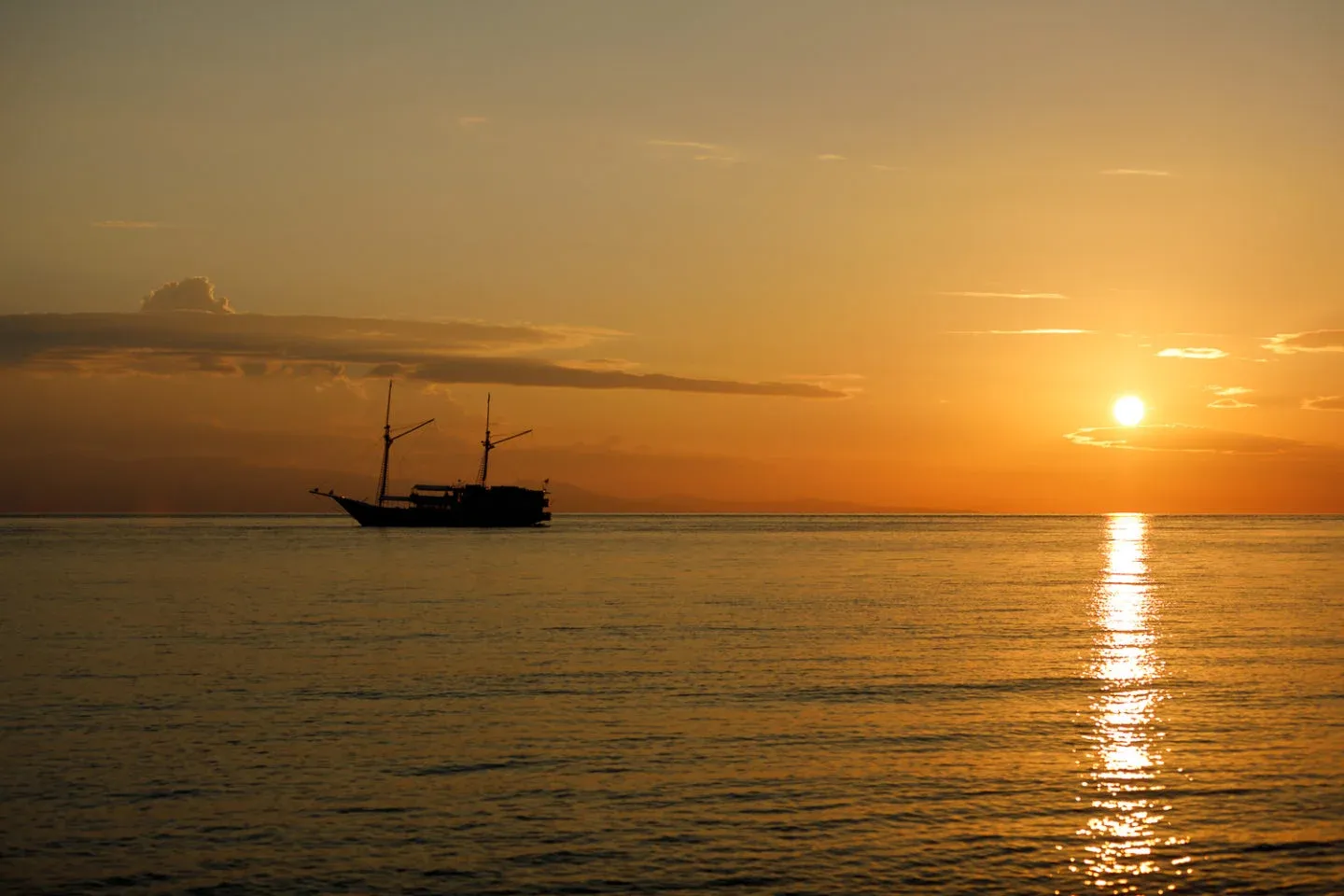
Compare the layouts of Komodo liveaboard options by their cabins, shared decks and tender access. The separate speedboat versus phinisi guide explains how travel format, seating and overnight accommodation affect the trip.
Five questions that reveal more than a label
- Who built this vessel, where, and when? Which parts of that history are documented?
- What has changed during later refits, and do the current photographs show those changes?
- What propulsion is normally used on this route, and is sailing under wind power planned?
- Which cabin, deck and tender access arrangements will our party receive?
- What vessel documentation, crew arrangements and change terms apply to our booking?
A beautiful timber interior and a documented building story can both add to a voyage. Assess the present service on its own evidence as well: current capacity, maintenance, cabin allocation and the operator’s procedures.
Frequently asked questions
Is phinisi a hull type or a sail arrangement?
Technical accounts distinguish the pinisi rig from hull forms. In tourism, phinisi is also used more broadly for wooden liveaboards, so ask what the term describes for the named vessel.
Are palari and lamba luxury categories?
No. They are hull terms in specialist accounts. Cabin categories and service tiers describe a different part of the offer.
Does UNESCO recognition certify a charter boat?
The inscription recognises intangible cultural heritage. Check a particular boat’s present documents, maintenance and operation separately.
Will a phinisi trip travel under sail?
Ask the operator about the actual departure. Masts, sails and a gallery photograph do not establish a sailing programme.
Sources and verification
Published sources checked on 20 October 2026. This guide uses attributed desk research; it does not claim a first-hand inspection, a new interview or a guaranteed departure programme.
