
Seasickness on a Komodo Boat Trip: Planning for Comfort
Use health guidance and marine forecasts to prepare for seasickness on a Komodo boat; ask about the actual route and seating.
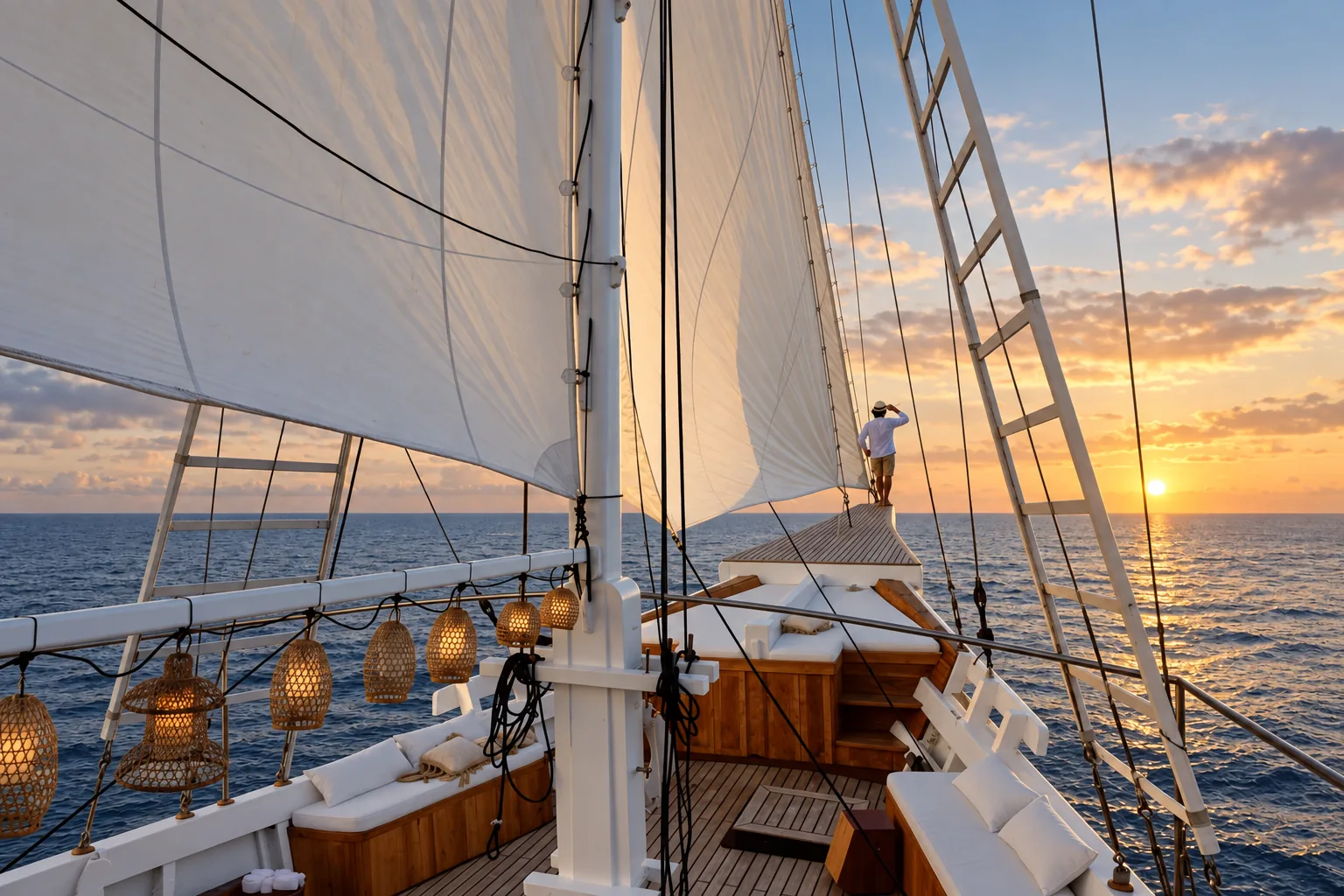
Seasickness can make a short Komodo crossing feel long, even when a tour operator describes a route as comfortable. Susceptibility varies, and conditions change between the harbour, channels and exposed waters. Plan your Komodo trip around the named boat and date, and speak to a pharmacist or clinician about medication that is suitable for you; this guide does not recommend a drug or dose.
Use the itinerary to identify exposure
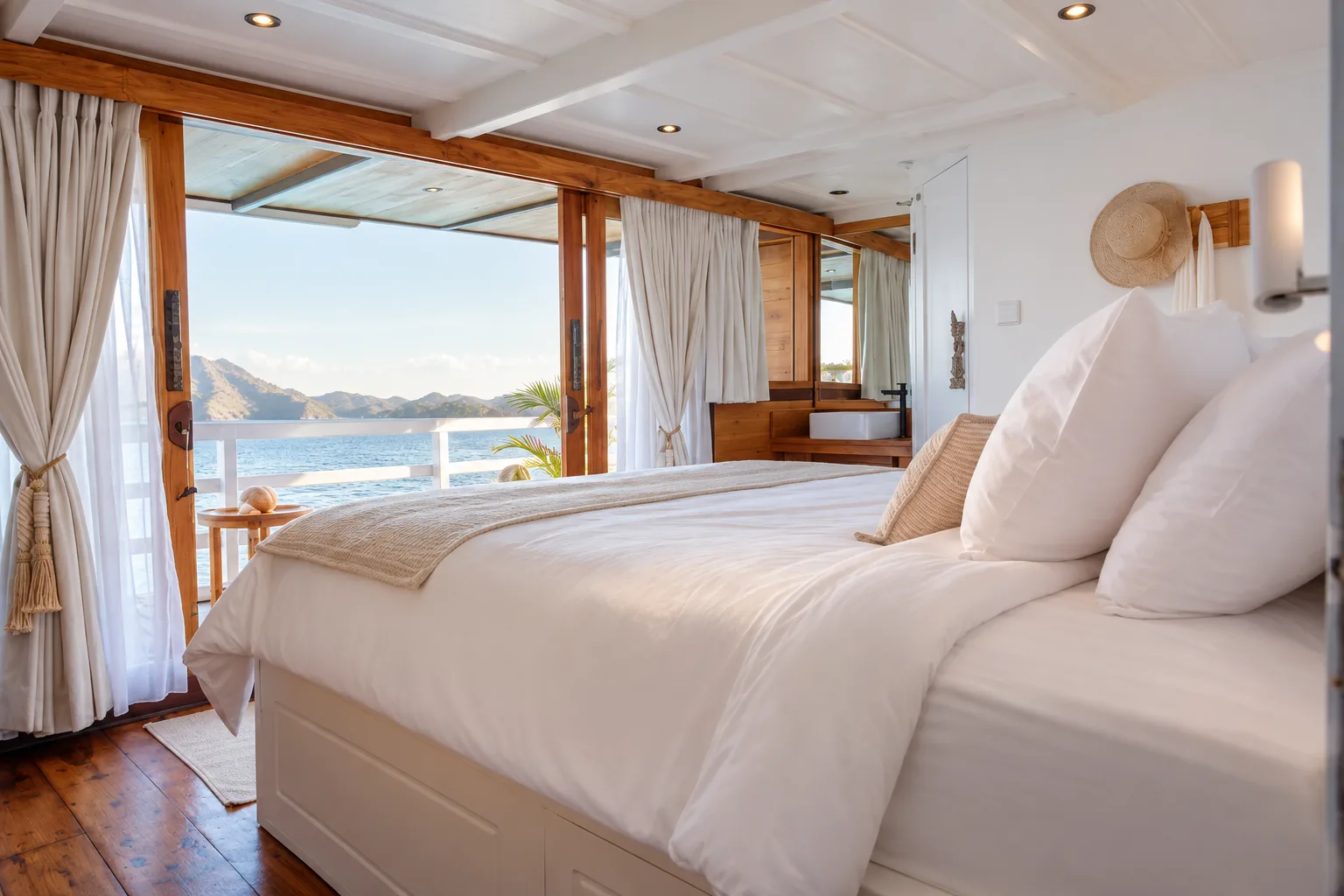
Ask the operator which passages are the longest, whether the boat spends a night in a sheltered bay, where you can sit with a view of the horizon, and whether tender rides are short or frequent. Review the live Labuan Bajo and Komodo waters forecasts near departure, and let the captain decide whether the route is appropriate. A seasonal average cannot tell you the movement of a particular vessel tomorrow.
Simple steps supported by health guidance
The NHS motion-sickness guidance suggests sitting near the middle of a boat to reduce motion, looking at a fixed horizon point, breathing fresh air where available and avoiding reading or watching screens. It also advises against heavy meals or alcohol around travel and suggests speaking with a pharmacist about preventive remedies. On a small boat, the accessible seat may be different; ask the crew where you can safely sit and follow its instructions.
If you are pregnant, taking other medication, caring for a child or have a medical condition, seek individual advice rather than borrowing another guest’s tablets. Some remedies can cause drowsiness; a pharmacist can review the right product and timing for you. Pack what you already use in a reachable day bag, alongside water. Tell the guide early if you feel unwell and ask when you can safely pause or change seats.
Choose the format that gives you options
A day trip returns you to land after a shorter booking, but its boat and route may still cross exposed water. A multi-night liveaboard gives longer time at anchor and access to a cabin but commits you to more time at sea. Neither type makes sickness impossible. Ask for cancellation conditions separately if health uncertainty may affect your booking.
Operators may report that most guests do fine, but one operator’s anecdote cannot predict your symptoms. This article uses primary health advice and the local forecast; it has not measured motion aboard a particular boat. If symptoms are severe, persistent or accompanied by other concerning signs, seek medical assessment.
Map the motion before you choose a boat
Ask for the longest exposed crossing, the time spent at anchor, whether the operator changes speed or route for rough conditions and where a guest can sit in fresh air. A speedboat may concentrate the movement into a shorter, faster passage; an overnight boat may give you a cabin and more time at sea. Neither label predicts your symptoms. Read the weather forecast for the sailing area and date, and follow the captain’s updated guidance. Our comparison of speedboat and phinisi ride comfort explains which vessel details to check rather than assuming one type will feel smoother.
If you have experienced severe motion sickness, discuss appropriate measures and possible medicine side effects with a clinician or pharmacist before the journey, especially if you will dive or have an underlying condition. The NHS guidance above explains general prevention; it does not provide individualized clearance for sea travel or diving. Avoid trying an unfamiliar medicine for the first time immediately before an activity that requires alertness without professional advice.
Plan for symptoms and for a changed itinerary

Ask the crew where you can rest, how to report symptoms and whether a guest can safely skip a shore transfer. A trip with multiple nights does not always offer a simple return to town once underway. Compare the komodo tour 3 days 2 nights and one-day alternatives against your tolerance for time afloat, then check the named operator’s health and cancellation terms. Do not rely on a generic “calm season” label to predict a particular day at sea.
Use this guide when comparing Komodo liveaboards and Komodo tour packages, then confirm the named vessel, route, duration and final quote before paying.
