

About This Place
Kelor is the first thing almost every Komodo trip shows you, and it is doing a job most visitors misread. It is not a destination. It is a warm-up: close enough to port that the engines have barely settled, small enough to walk across in minutes, with a hill steep enough to catch people who packed flip-flops. Two things about it are genuinely disputed — how long you should spend there, and whether the snorkelling is any good — and both are worth knowing before the boat drops anchor.
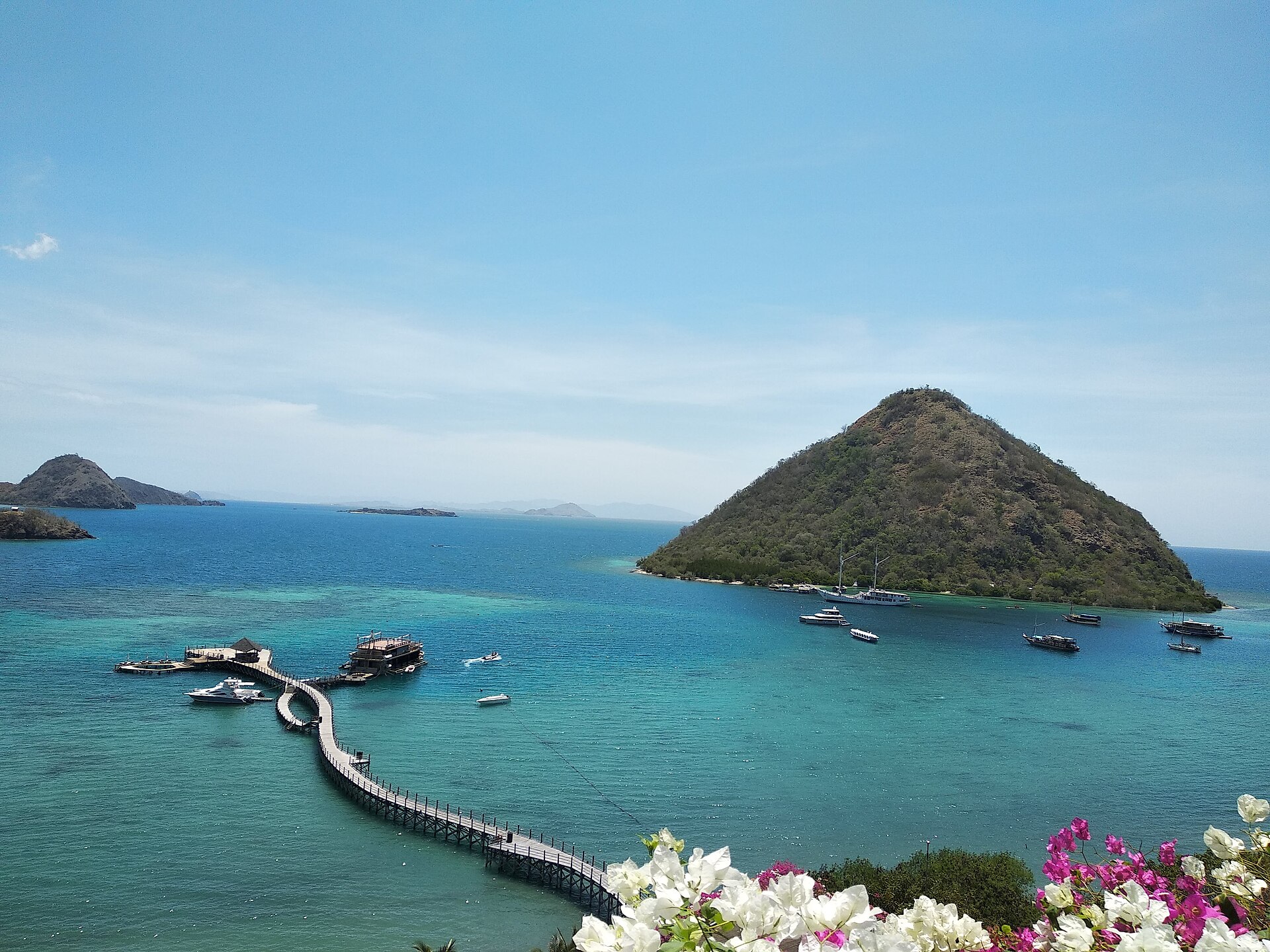
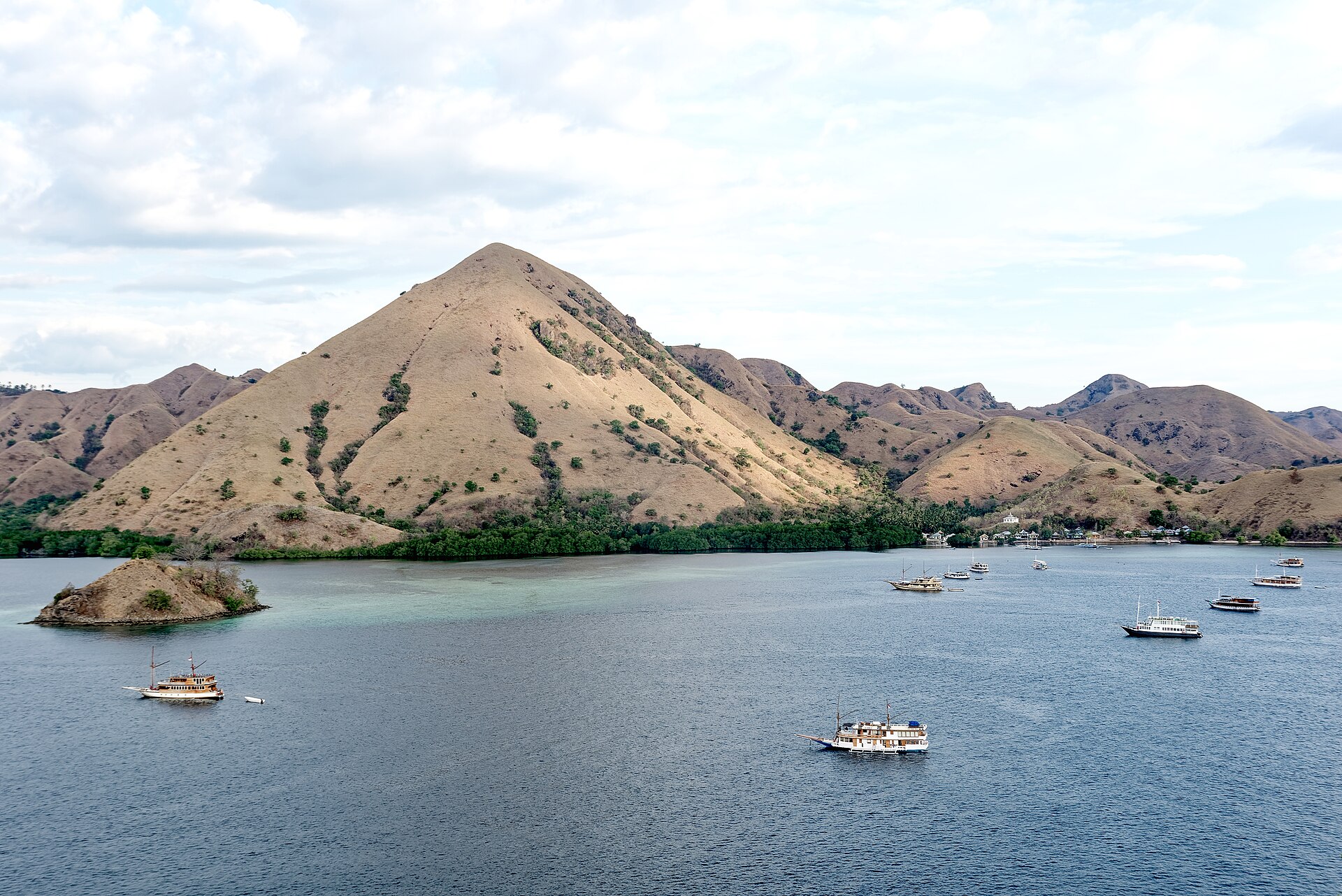
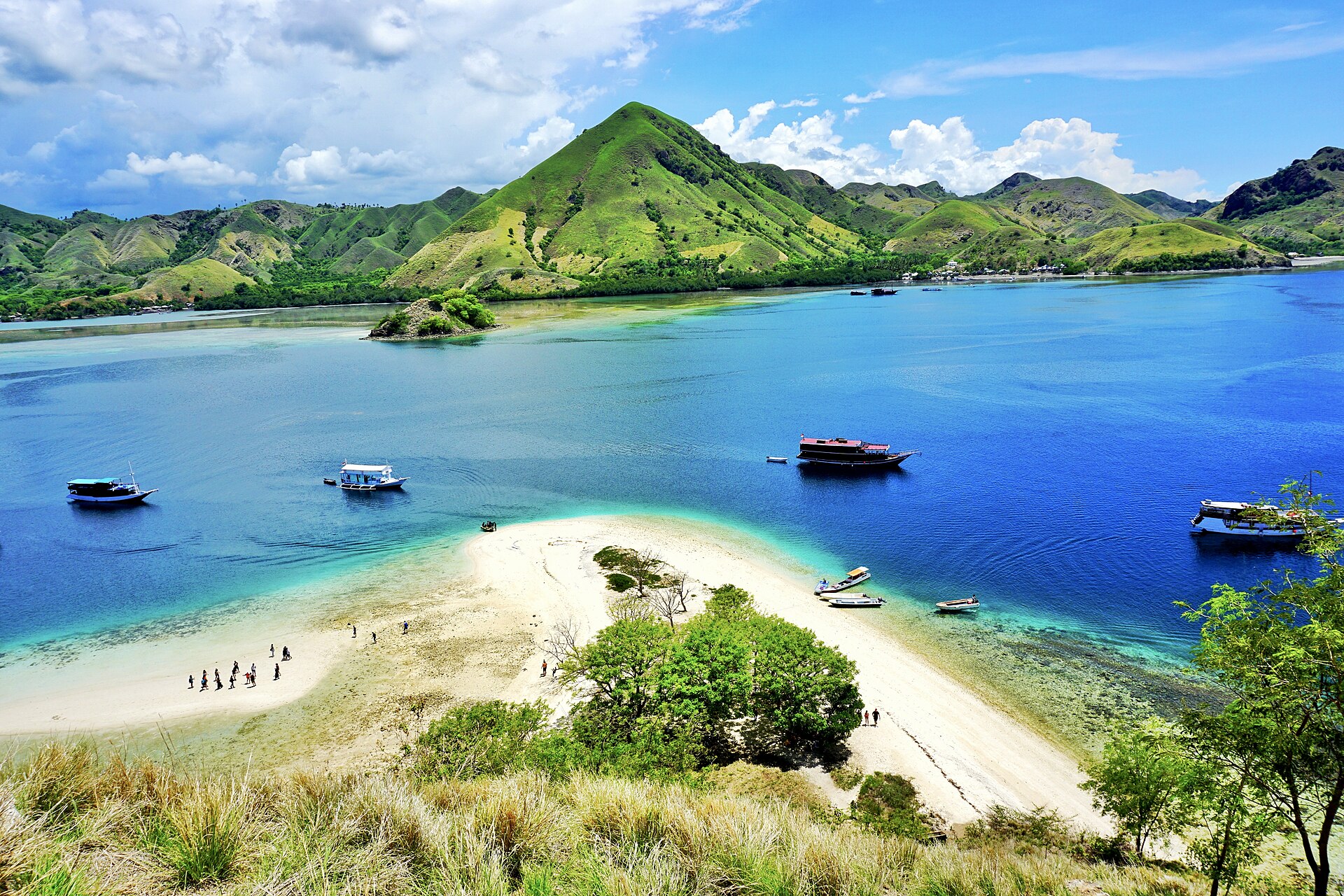
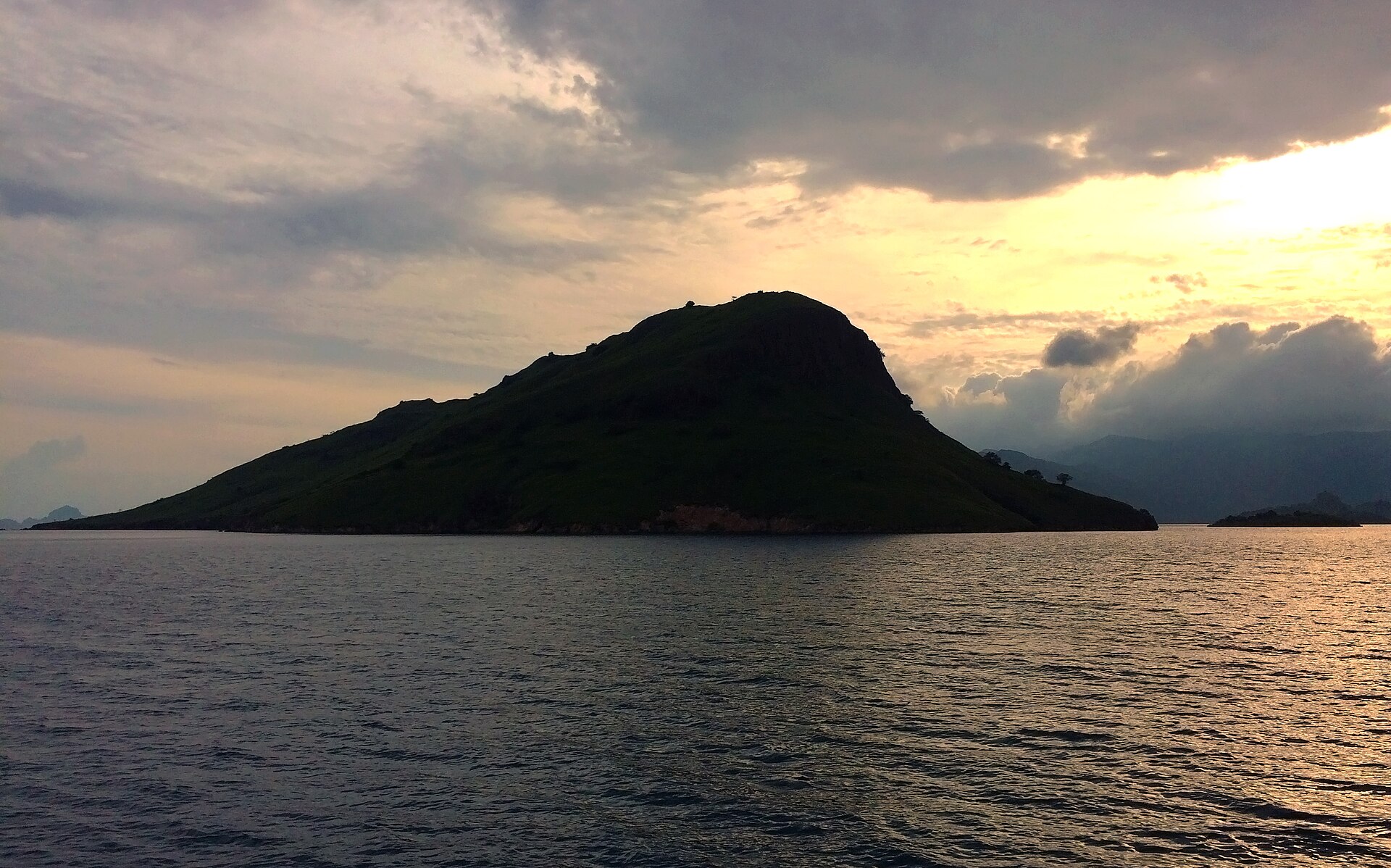
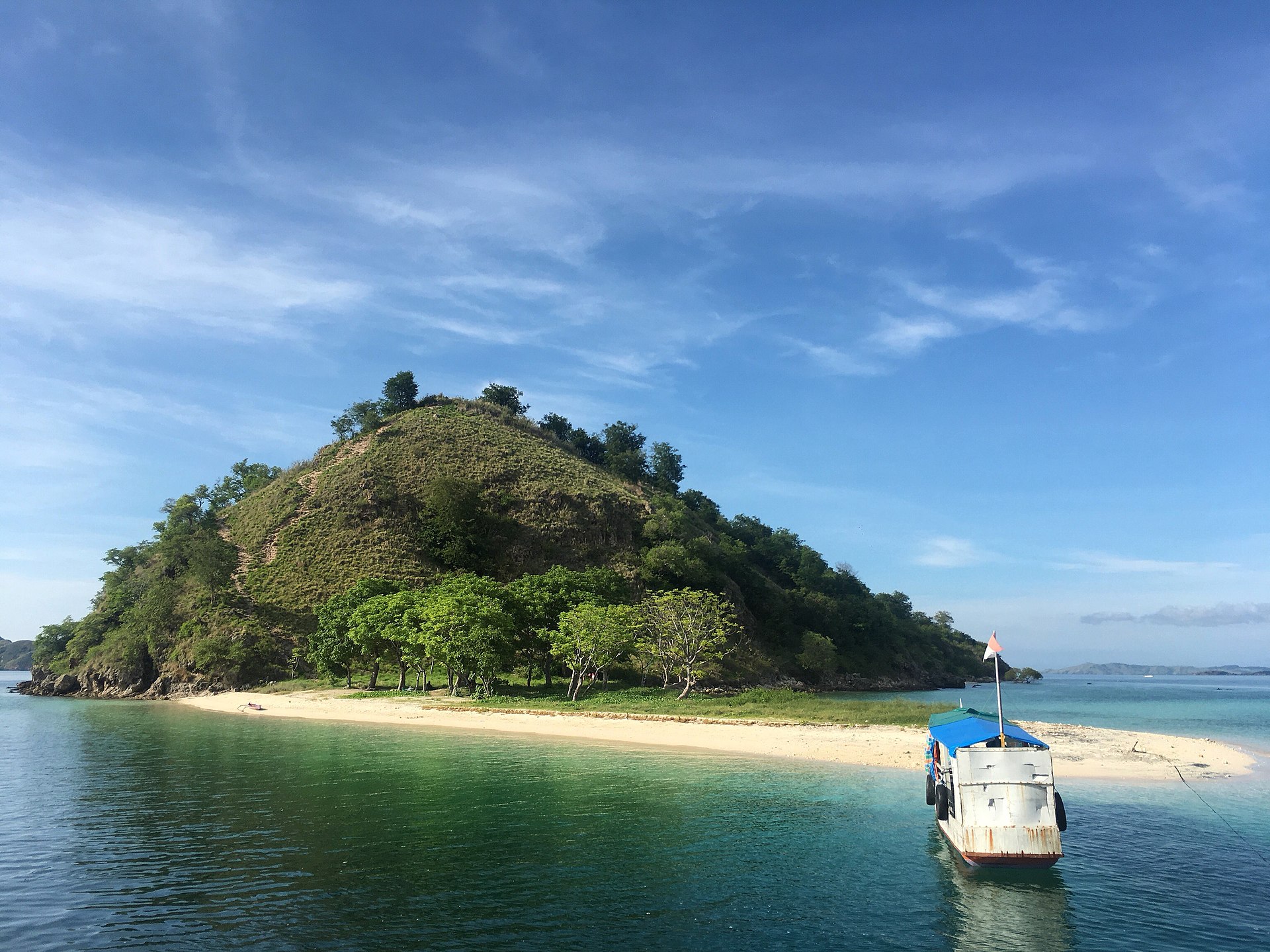
It is a small uninhabited island inside Komodo National Park and its UNESCO area, lying between Labuan Bajo and Rinca Island. A white sand beach wraps one side, a dry savannah hill rises behind it to a 360-degree viewpoint, and there is nothing else — no buildings, no water, no shade, no ranger post. Published travel times range from about twenty minutes to three-quarters of an hour depending on the hull. There are no dragons here, which is why Kelor is one of the few places in the park you can walk without a ranger beside you.
At a Glance
- Also known asPulau Kelor, Kelor, Kelor Island Komodo
- TypeIsland, Viewpoint / Trek, Snorkel Site
- Inside Komodo National ParkYes
- How to get thereLiveaboard, Speedboat Day Trip, Fast Boat
- Travel time from Labuan BajoAbout 20 to 45 minutes by boat; published times differ
- LandingBeach landing
- Last checked26 August 2026
What to Expect
The climb is short and genuinely steep. Accounts put it around fifteen minutes to the top. What they agree on more usefully is the surface: loose soil and dry grass on a slope one guide describes as roughly forty-five degrees, with no maintained path, no steps and no handrails. Coming down is harder than going up, and that is where people fall. Proper shoes are not a nicety here, and nobody should attempt it wet.
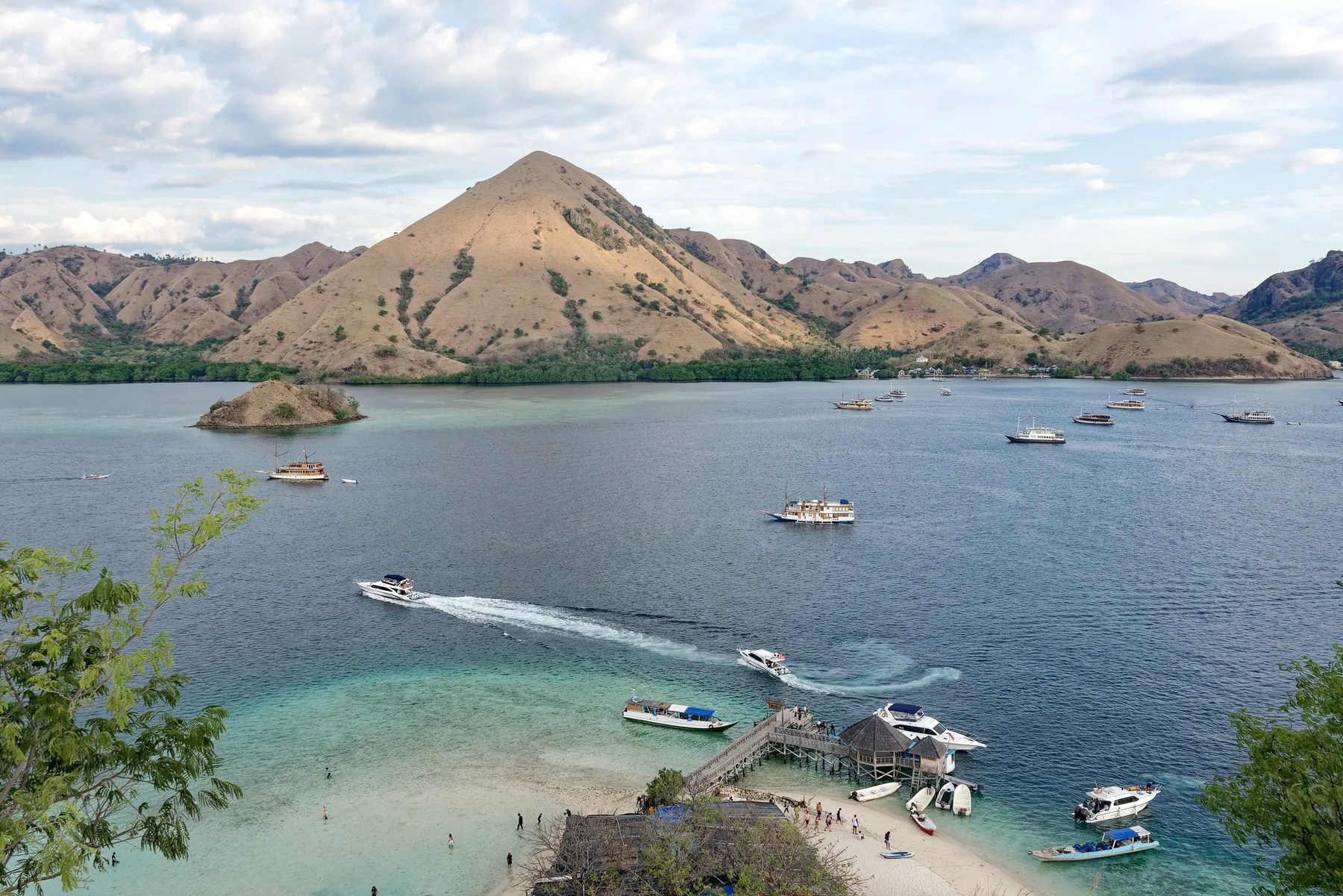
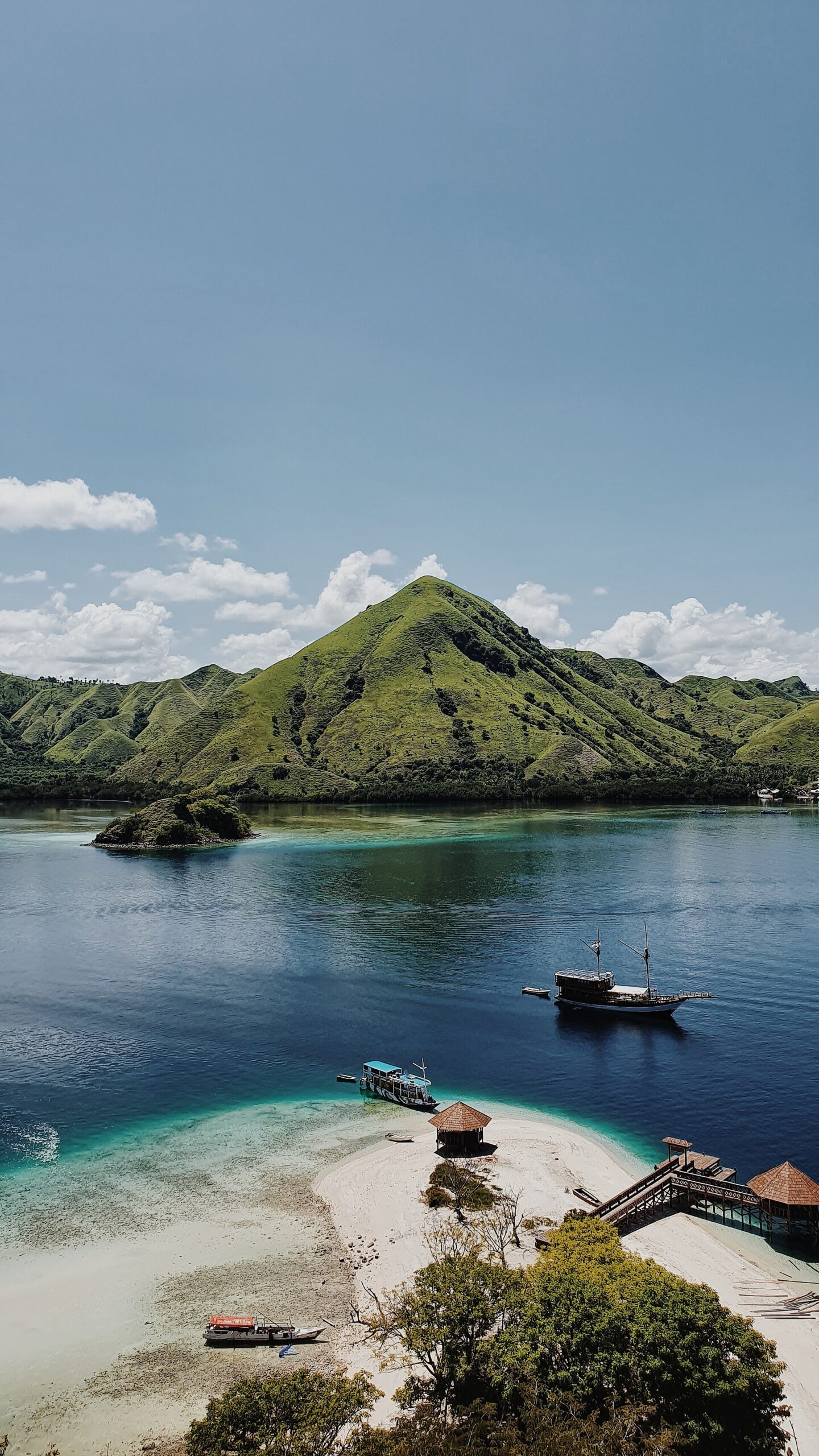
The view is the payoff and it arrives abruptly. You climb through dry grass seeing nothing, and then the whole thing opens at once: a white sand spit cutting into turquoise, neighbouring islands stacked behind it, Flores fading into haze. It is the shot people associate with Komodo before they have seen Padar.
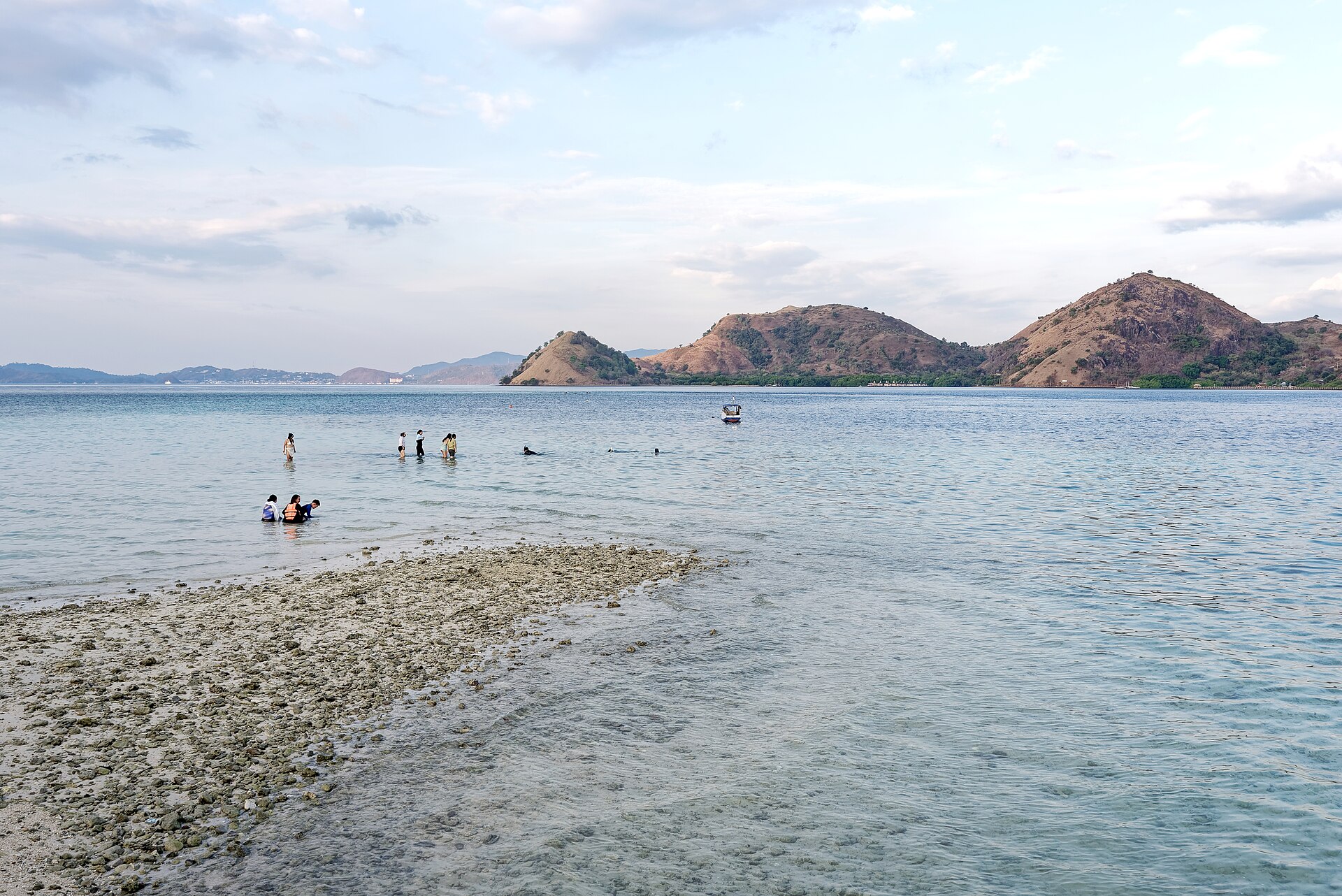
The snorkelling is the disputed part, and the dispute is not small. Tour operators describe healthy coral, easy entry and excellent beginner conditions. A diving visitor reviewing the same site described mostly bleached and damaged hard coral, beds of long-spined sea urchins, damselfish aggressive enough to bite bare skin, reef sitting around three metres down, and current that can run strong. Our reading, given the traffic this beach takes and how consistently the negative account is echoed in detail rather than in vagueness: treat Kelor as a viewpoint stop with a swim attached. The reliably good snorkelling on this stretch of the route is at Manjarite and Siaba Besar, and both are usually on the same itinerary.
Crowds and Timing
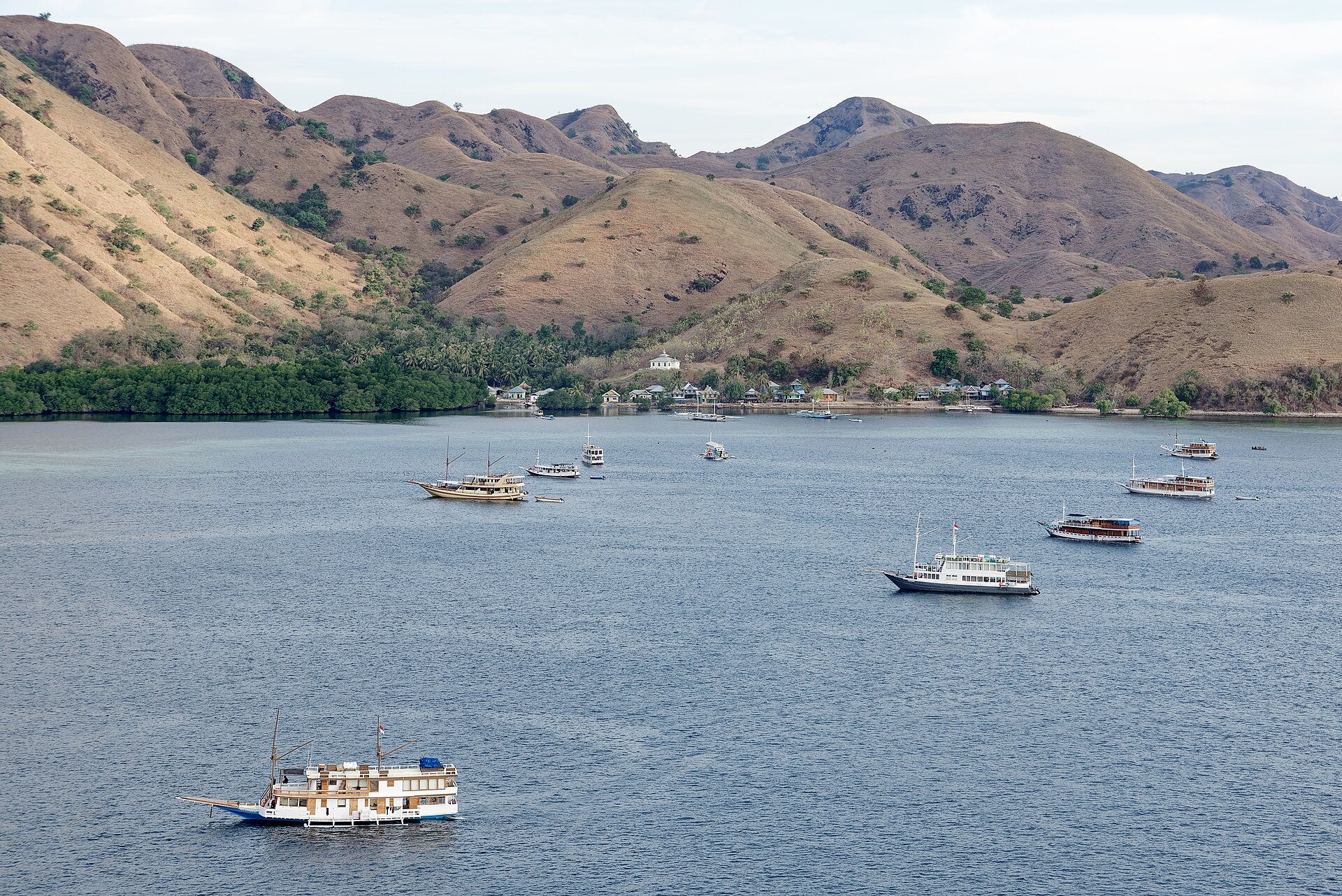
Kelor is crowded for a structural reason that will not change: it is the first or last stop on nearly every itinerary leaving Labuan Bajo, so the entire day fleet passes through the same small beach inside the same few hours.
The beach absorbs it reasonably well. The hill does not. The trail is effectively single file, and a queue on a forty-five degree slope of loose soil is worse than a queue anywhere else in the park — people coming down meet people going up on ground where neither can step aside comfortably. If the beach looks busy when you arrive, the sensible move is to swim first and climb once the boats start leaving.
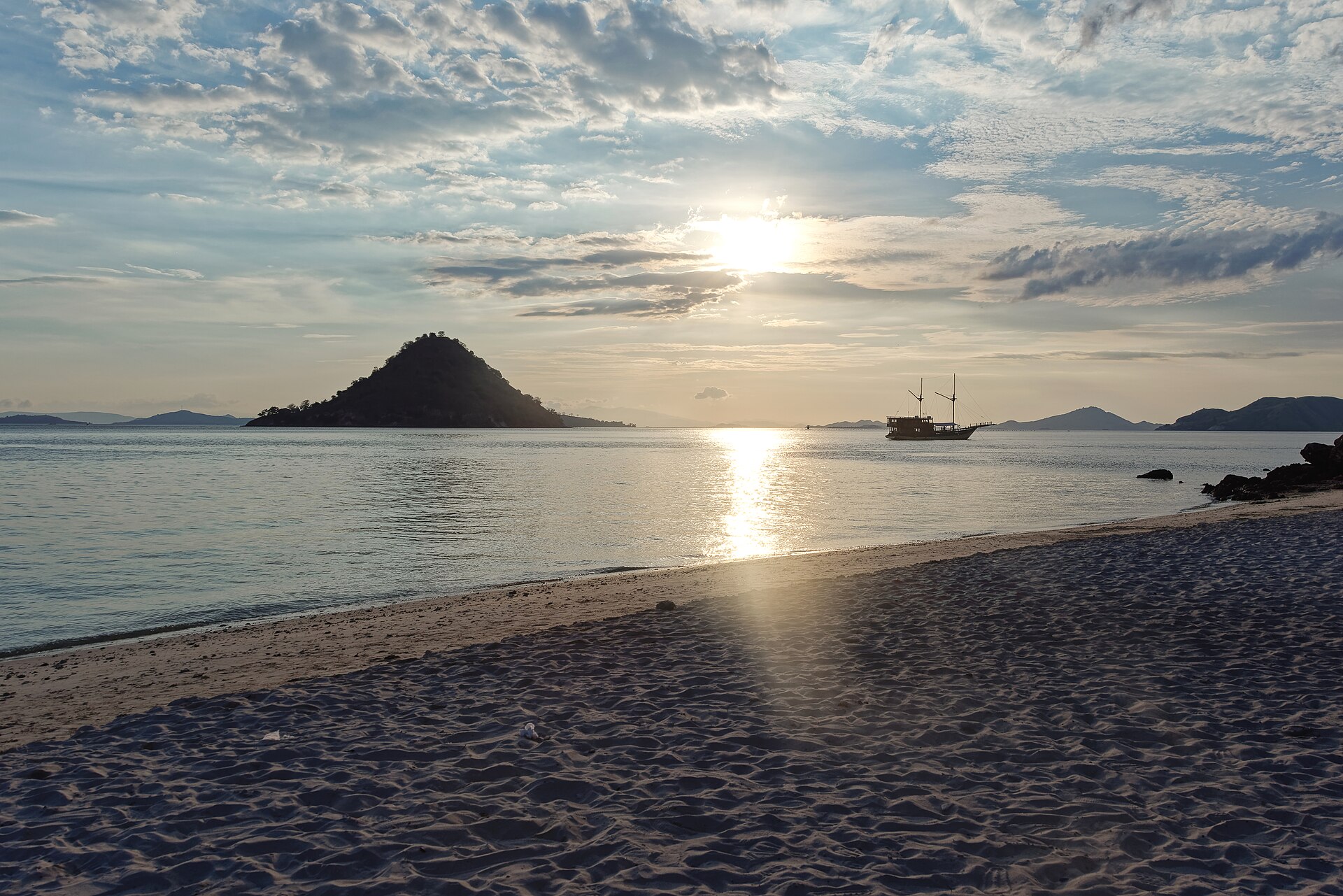
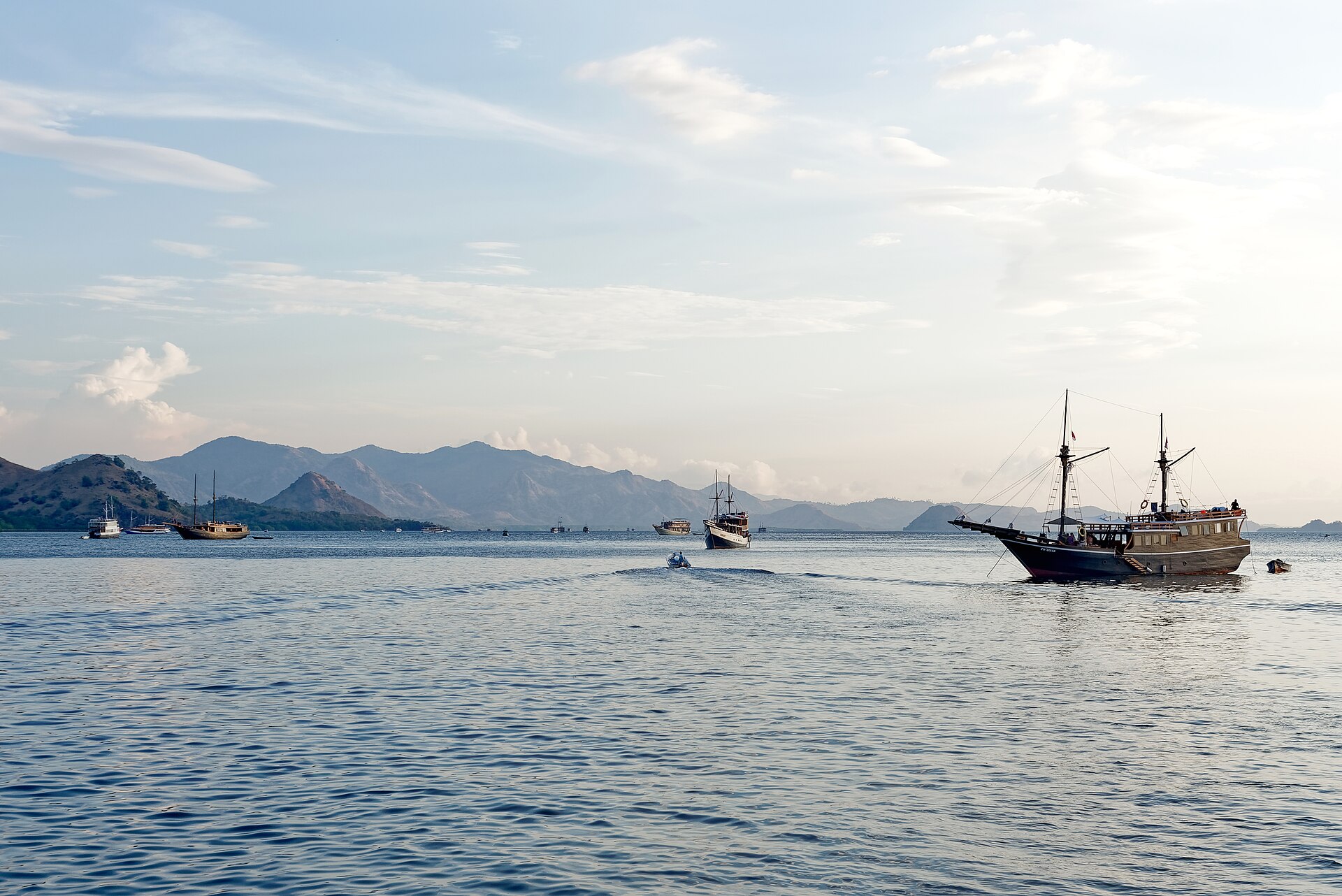
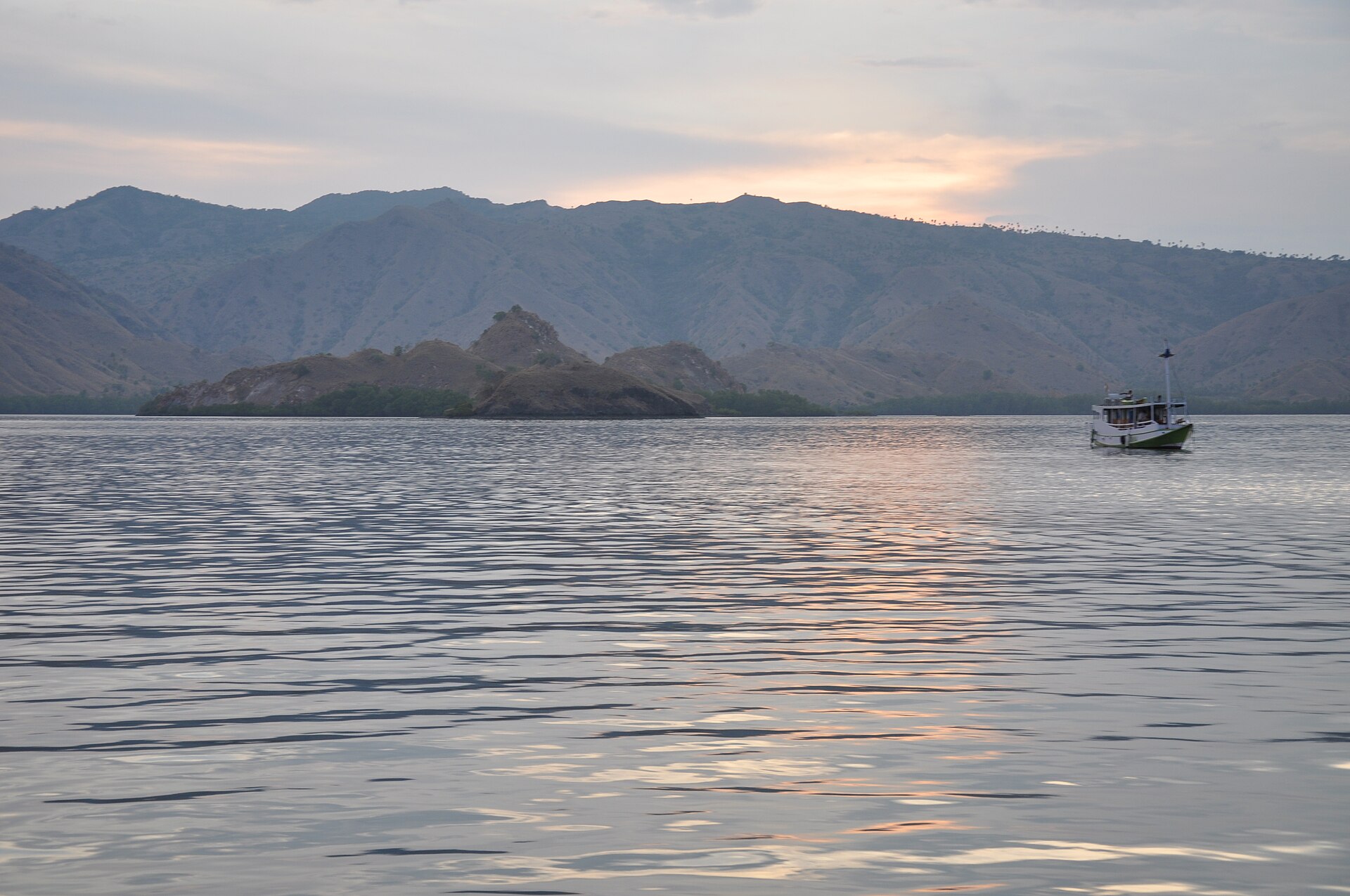
The quiet windows are early morning and late afternoon, and both belong to boats that did not start the day in port. An overnight vessel finishing its route can put you on the summit at golden hour with the fleet already gone; a day boat gets Kelor when the schedule says, which is usually mid-morning with everyone else.
Dive and Snorkel Profile
- CurrentModerate
- CertificationNone (snorkel)
- EntryShore entry
How to Visit
How long you get is the thing to check. Charter operators suggest two to three hours here, and private guests often stay longer. Day-trip boats typically allow thirty to sixty minutes, which covers the climb or the swim comfortably but not both without hurrying. Neither is wrong — they are different products — but an itinerary that lists Kelor tells you nothing about which one you booked.
Day trip. It is the standard opening stop. See the Komodo one day tour, and the 2D1N route for the overnight version.
Multi-day. On the 3D2N route Kelor usually appears on the final morning instead, a last swim before the run into port. Ask for it first rather than last if the hill matters to you; the light is better and so are your legs.
There is no independent access. No public ferry stops here and there is nothing to charter from on the island itself. You arrive on a boat that is going elsewhere afterwards.
Boats That Sail Here
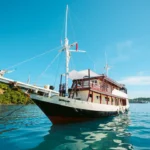
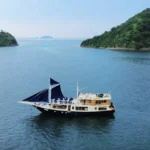
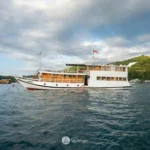
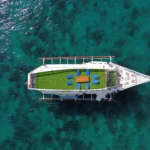
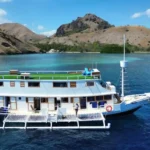
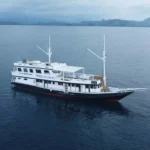
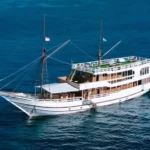
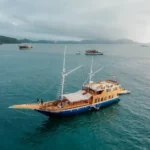
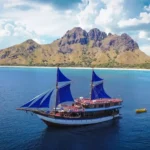
110 boats in our directory call here on their published itineraries, and the 12 with live pages are listed first. The list is generated from those itineraries, so it changes when a route changes rather than when someone remembers to edit this page.



Who This Suits
Right for: anyone comfortable on a steep, loose, unmade slope for fifteen minutes, and anyone who just wants a swim off a white beach without leaving the boat behind for long.
Not right for: the hill, specifically, if you have knee trouble, poor balance, or are carrying a small child. Several listings describe Kelor as safe and easy for families, and for the beach that is true. For the trail it is not: there is no handrail, no maintained surface and no shade, and the descent is the difficult half. Skipping the climb costs you nothing except the view — the beach is genuinely pleasant on its own.
Also not right as a snorkelling priority. If underwater time is why you booked, spend it at Manjarite or Siaba Besar and treat Kelor as the walk.
What to Bring
- Shoes with grip. The single most repeated piece of advice about this island, and flip-flops are specifically what people are warned against.
- Reef shoes for the water, because of the urchins.
- A rash guard. Sun on the hill, damselfish in the water, one garment.
- Water. There is none on the island and nothing is sold.
- Your own mask if you have one; boat sets are a lottery on fit.
- A hat and reef-safe sun protection applied before you land.
Safety Notes
The trail is the real hazard. Loose soil over a steep grade with no handholds beyond what the terrain offers, and the descent is where injuries happen. Grippy shoes, and do not climb it wet.
Sun. The hill has no shade at any point and the beach has very little. Fifteen minutes up a bare slope at midday is more exposure than it feels like.
In the water, two specific things get reported here that do not get reported everywhere: beds of long-spined sea urchins, which are painful to stand on and easy to miss against dark reef, and unusually territorial damselfish that will strike at bare skin. A rash guard handles the second and reef shoes handle the first.
Current. It can run harder than the calm-looking bay suggests. Enter and exit from the boat rather than swimming out from shore into unfamiliar water, and if a crew calls the water off, that is not caution theatre.
Photography Notes
The frame everyone comes for is from the summit, looking down the sand spit with the reef shelf showing through the water. It needs sun on the water to work — overcast turns the turquoise flat grey and there is nothing else in the composition to carry it.
Time of day matters more than gear. Mid-morning, when most day boats arrive, gives you the strongest colour and the harshest shadows on the hills, plus other boats in every wide frame. Early and late give shape to the terrain and an empty bay.
Shoot the climb, not just the top. The dry grass slope with a boat far below is a better photograph than the summit panorama that everyone already has.
If you fly a drone, clear it with your operator first — this is a national park with restrictions that have changed more than once — and launch from the boat rather than the beach, where there are usually people.
Entrance Fee
Kelor sits inside Komodo National Park, so park entry applies. Nothing is collected on the island — there is no ranger post and nobody stationed there — so it is handled by your operator as part of the trip.
We do not publish the figures anywhere on this site, and you should be sceptical of pages that do. The structure has been revised more than once in recent years and entry now runs through the SIORA booking system, so a number printed here would go stale while continuing to look authoritative. Ask your operator for the current breakdown before you pay a deposit, and confirm whether park entry is inside the quoted fare or added at the harbour.
Frequently Asked Questions
When is the best time to visit Kelor Island?
Early morning or late afternoon, and the reason is traffic rather than weather. Kelor is the first or last stop on most itineraries, so the fleet concentrates there mid-morning and again in the afternoon. A boat arriving outside those windows gets an empty beach and a clear trail. Seasonally, the dry months from roughly April to November bring calmer seas and better water clarity, and the trail is safer dry than wet — loose soil on a steep slope is considerably worse after rain.
How hard is the hike up Kelor Island?
Short and steeper than it looks. Accounts put the climb at around fifteen minutes. The difficulty is not the distance but the surface: loose soil and dry grass on a slope described by one guide as roughly forty-five degrees, with no built path, no steps and no handrails. Descending is harder than climbing, which surprises people who found the way up manageable. Grippy shoes solve most of it. If you are unsure, the beach below is a perfectly good stop on its own and skipping the summit costs you only the photograph.
Is Kelor Island suitable for children and older travellers?
The beach, yes. The hill, with reservations. Several listings describe Kelor as family-friendly without qualification, and for swimming and sitting on sand that is accurate. The trail is a different proposition: unmaintained, steep, loose underfoot, with nothing to hold and an awkward descent. Anyone with knee or balance issues, and anyone carrying a small child, should treat the summit as optional rather than expected. Nobody at the beach will mind, and there is no ranger requiring the group to stay together here.
Is there an entrance fee for Kelor Island?
Not one you pay on the island. There is no ranger post, no ticket desk and nobody to pay. National park entry still applies because Kelor is inside the park, and your operator handles it through the park booking system as part of the trip. Ask for the breakdown in writing before paying a deposit and confirm whether it is inside the quoted price. We do not publish fee figures here: the structure has changed repeatedly, and a stale number that looks official is worse than none.
Can you visit Kelor Island on a day trip from Labuan Bajo?
Yes, and it is the most common way to see it. Kelor opens the standard Labuan Bajo day-trip itinerary, usually followed by a snorkel stop, a dragon trek at Rinca and in some cases a sunset. What varies enormously is time on the island. Day boats typically allow thirty to sixty minutes; charter operators recommend two to three hours and private guests often take longer. That is the difference between choosing the climb or the swim and comfortably doing both.
What is the difference between Kelor, Kanawa and Kalong Island?
Three small islands near Labuan Bajo whose names start with the same letter, which causes constant confusion. Kelor is the steep-hill viewpoint island, visited in daylight, usually first or last on an itinerary. Kanawa is larger and flatter, a snorkelling and beach stop rather than a climb. Kalong is the mangrove island you never land on, visited at dusk for the flying fox colony. An itinerary listing two or three of them is not repeating itself — they are different stops doing different jobs at different hours.
Is the snorkelling at Kelor Island actually good?
This is the most useful question about Kelor and the answer is contested. Tour listings describe healthy coral, easy shore entry and excellent conditions for beginners. A snorkelling diver reviewing the same site reported the opposite in detail: mostly bleached and damaged hard coral, extensive beds of long-spined sea urchins, damselfish territorial enough to bite unprotected skin, reef at around three metres, and current that can run strong. Detail tends to beat adjectives, and the island takes the heaviest boat traffic of anywhere in the park because of its position. Our position: come for the viewpoint and the swim. Reef shoes and a rash guard, and keep your snorkelling expectations for Manjarite, Siaba Besar or Kanawa later in the same trip.
How far is Kelor Island from Labuan Bajo?
Close, and sources put it anywhere from about twenty minutes to three-quarters of an hour, which reflects the boat more than the distance — a fast tender and a loaded wooden day boat are not doing the same journey. It lies between Labuan Bajo and Rinca, which is exactly why every itinerary uses it as an opener or a closer: it is reachable before the day has properly started and on the way home when everyone is tired. That proximity is also why it is busy.
What the Park Costs
| What you pay | Amount | Basis |
|---|---|---|
| Park entrance, foreign visitor | Rp 250,000 ≈ $14 | per person, per visit Identical on weekdays and public holidays. Already includes trekking, wildlife observation and snorkelling inside the park. |
| Park entrance, Indonesian visitor, weekday | Rp 50,000 ≈ $3 | per person, per visit Raised from Rp 35,000 in October 2024. |
| Park entrance, Indonesian visitor, weekend or public holiday | Rp 75,000 ≈ $4 | per person, per visit The holiday uplift applies to the Indonesian rate only. |
| Park entrance, Indonesian student group | Rp 25,000 ≈ $1 | per person, per day Group bookings only. |
| Scuba diving permit | Rp 25,000 ≈ $1 | per diver, per day Charged on top of the entrance fee. Snorkelling is not charged separately. |
| Vessel entry | varies | Assessed on the engine capacity of the boat, so it is normally settled by the operator rather than by passengers. |
- Booking runs through SIORA, the park's own system, and is handled by a licensed operator before arrival. There is no ticket window at the gate.
- A daily cap of 1,000 visitors applies across the park, split between Komodo, Rinca and Padar and the dive sites around them.
- Entry runs in sessions rather than all day, which is why a boat's arrival time is set by the park and not by the crew.
- A drone permit is separate, expensive, and has to be requested well in advance.
Statutory rates set by Peraturan Pemerintah No. 36 Tahun 2024, in force since 30 October 2024. Checked 25 August 2026. Amounts are payable in rupiah; dollar figures are converted at Rp 17,900 and rounded. A rise in the foreign rate was under government review in April 2026 and had not taken effect.
Marine Life
Activities
Cruise Areas
Location
Kelor Island, Komodo, Manggarai Barat, East Nusa Tenggara, Indonesia


Add a review