
About This Place
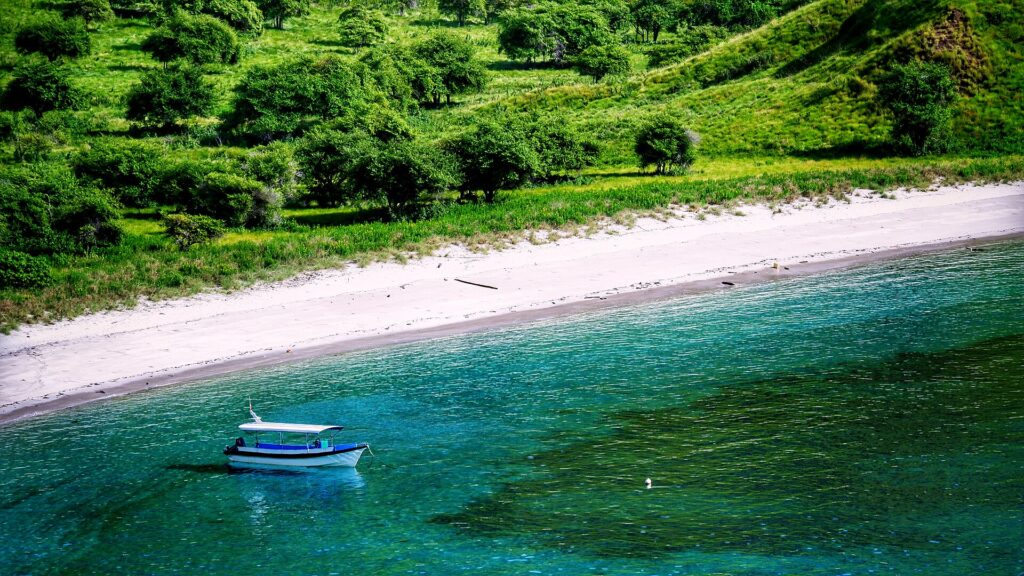
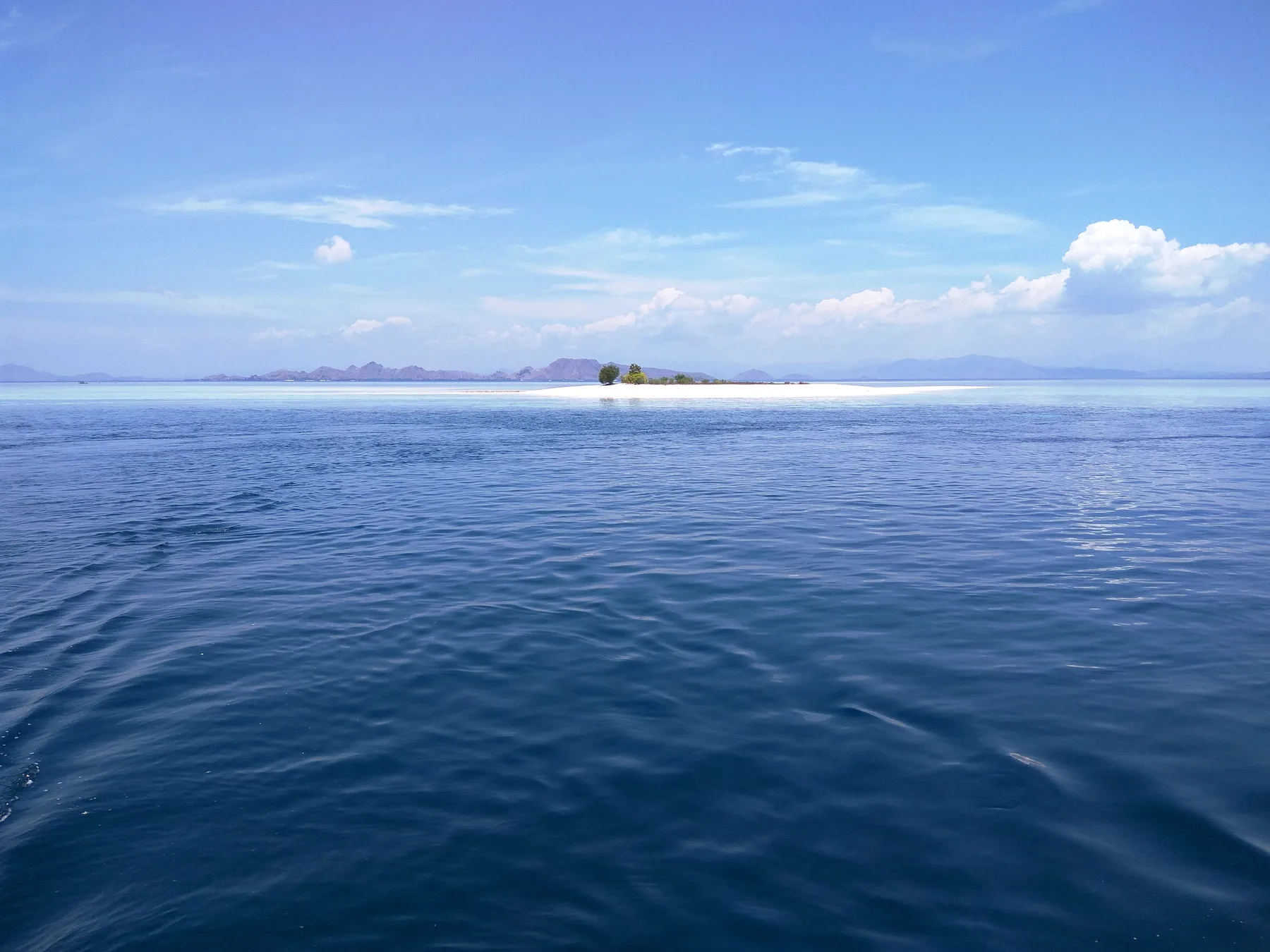
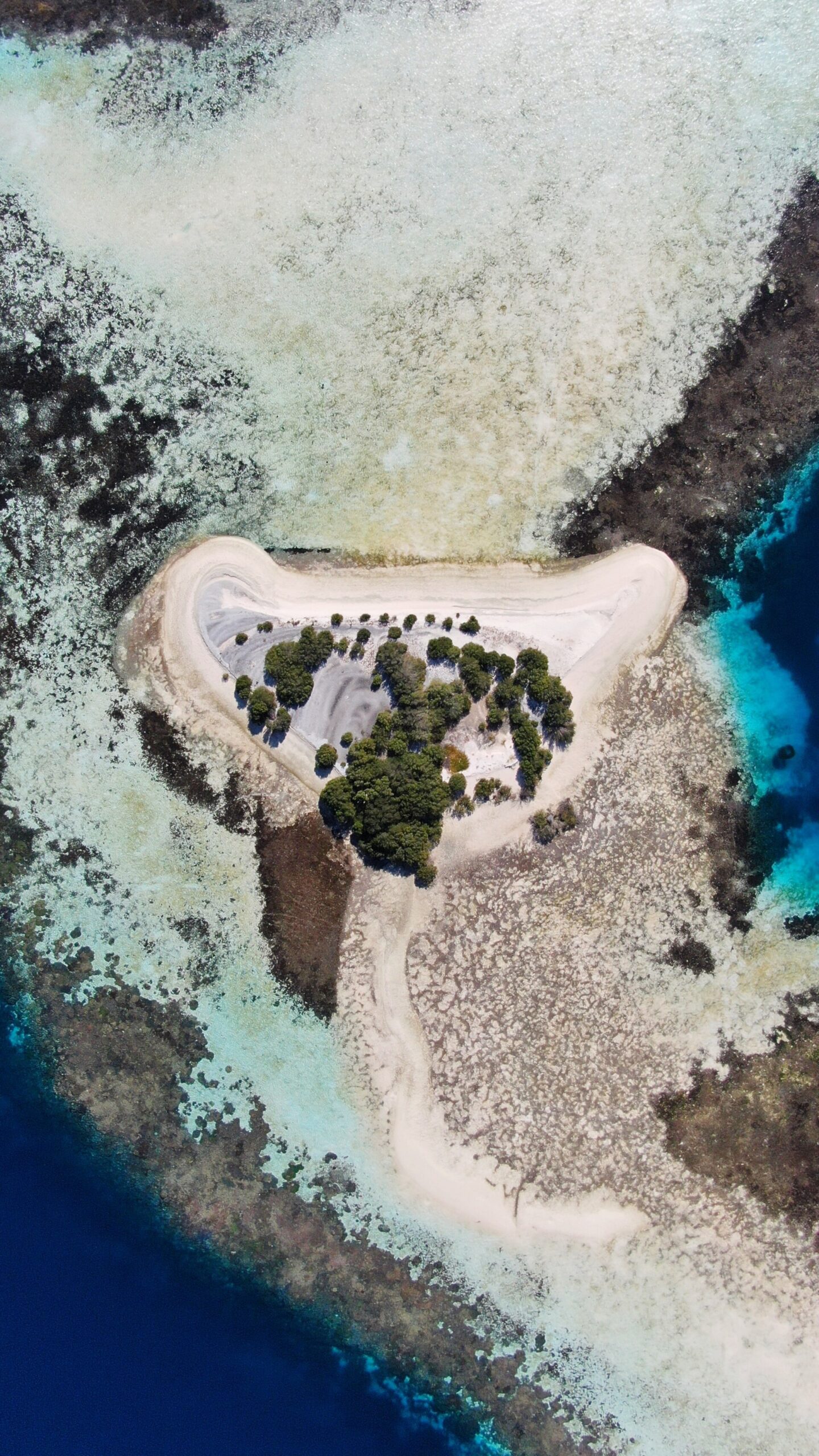
Taka Makassar is the rarest kind of destination: one that might not be there when you arrive. It is a sandbank, not an island. It surfaces as a curved strip of sand when the tide drops and goes back under as the water returns, and the shape it takes is slightly different every time. Almost everything that goes wrong on a visit here is a timing problem, and almost everything people expect to find is a colour that belongs somewhere else.
The sandbank sits inside Komodo National Park and its UNESCO World Heritage area, immediately beside the long reef of Karang Makassar — the site nearly everyone books as Manta Point. Published descriptions place it between Komodo Island and Manta Point, and elsewhere between Komodo Island and Padar; both put it in the same central stretch of the park. It is small. Multiple profiles describe it as smaller than a football field, and one operator gives roughly 80 to 100 metres long by 40 to 60 metres wide at full exposure. Boats from Labuan Bajo need about one and a half to two and a half hours. In local usage taka means sandbank or shallow, and the Makassar element is generally traced to the Bugis and Makassarese sailors who worked these waters.
At a Glance
- Also known asTaka Makasar, Taka Makassar Island, Pulau Taka Makassar, Sandbar Komodo
- TypeBeach, Snorkel Site
- Inside Komodo National ParkYes
- How to get thereLiveaboard, Speedboat Day Trip, Fast Boat
- Travel time from Labuan BajoAbout 1.5 to 2.5 hours by boat
- LandingBeach landing
- Last checked26 August 2026
What to Expect
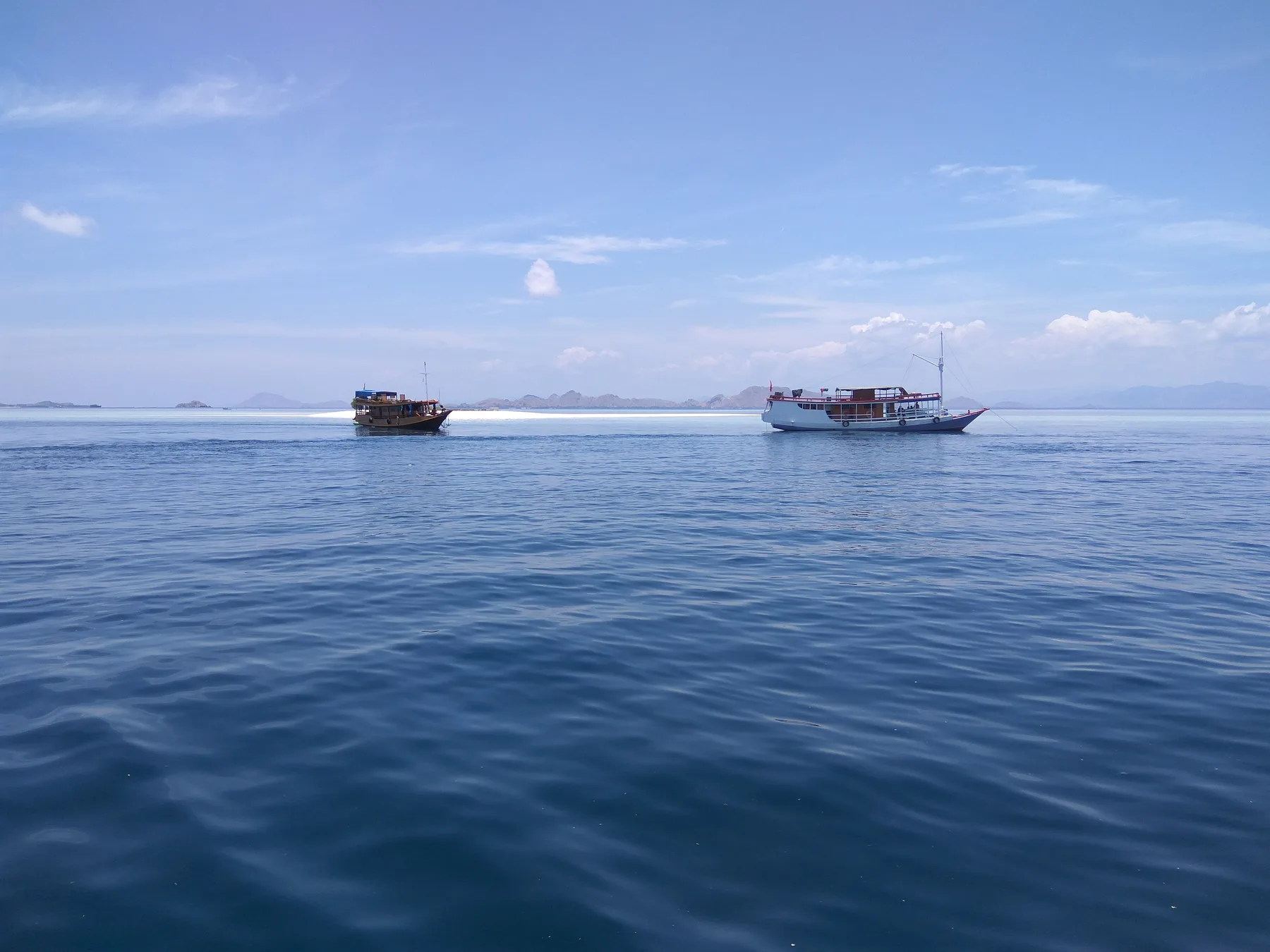
There is nothing on it. No trees, no shelter, no buildings, no shade of any kind. Fine firm sand, water on every side, and a horizon with no coastline in it. That emptiness is the appeal and also the constraint: this is a thirty to sixty minute stop, not an afternoon.
The sand is white, whatever you have been told. This is the most repeated claim about Taka Makassar and the sources genuinely split. Several operator profiles describe white sand with a pink tint, or white-to-pink. Others state flatly that the sand is white and that the pink travellers picture belongs to Pantai Merah, where fragments of red coral and reef organisms really do tint the shore. Our reading is that the second group is right about what you will actually photograph. If pink sand is the reason you are going, book Pink Beach and treat any tint here as a bonus rather than a plan.
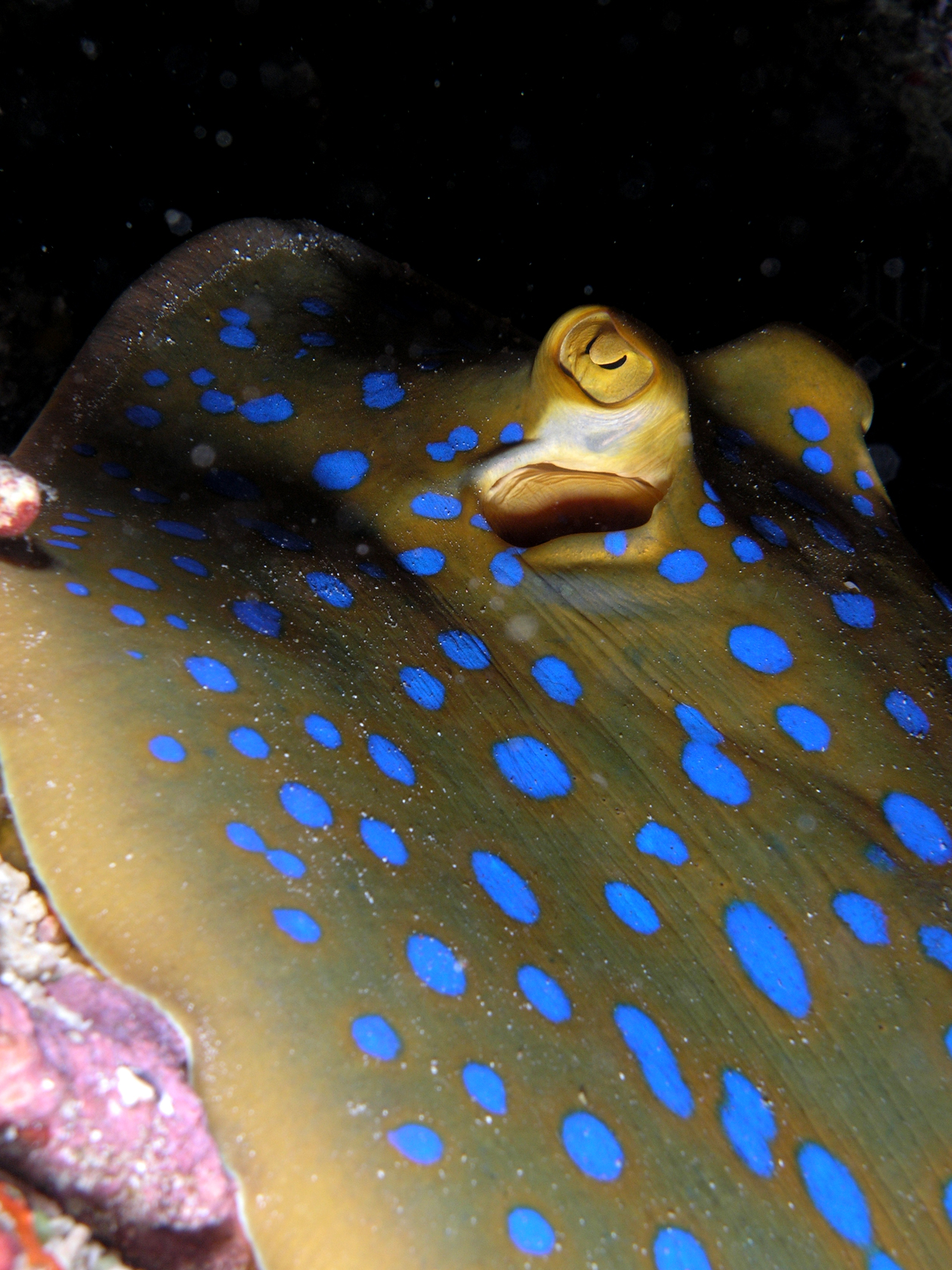
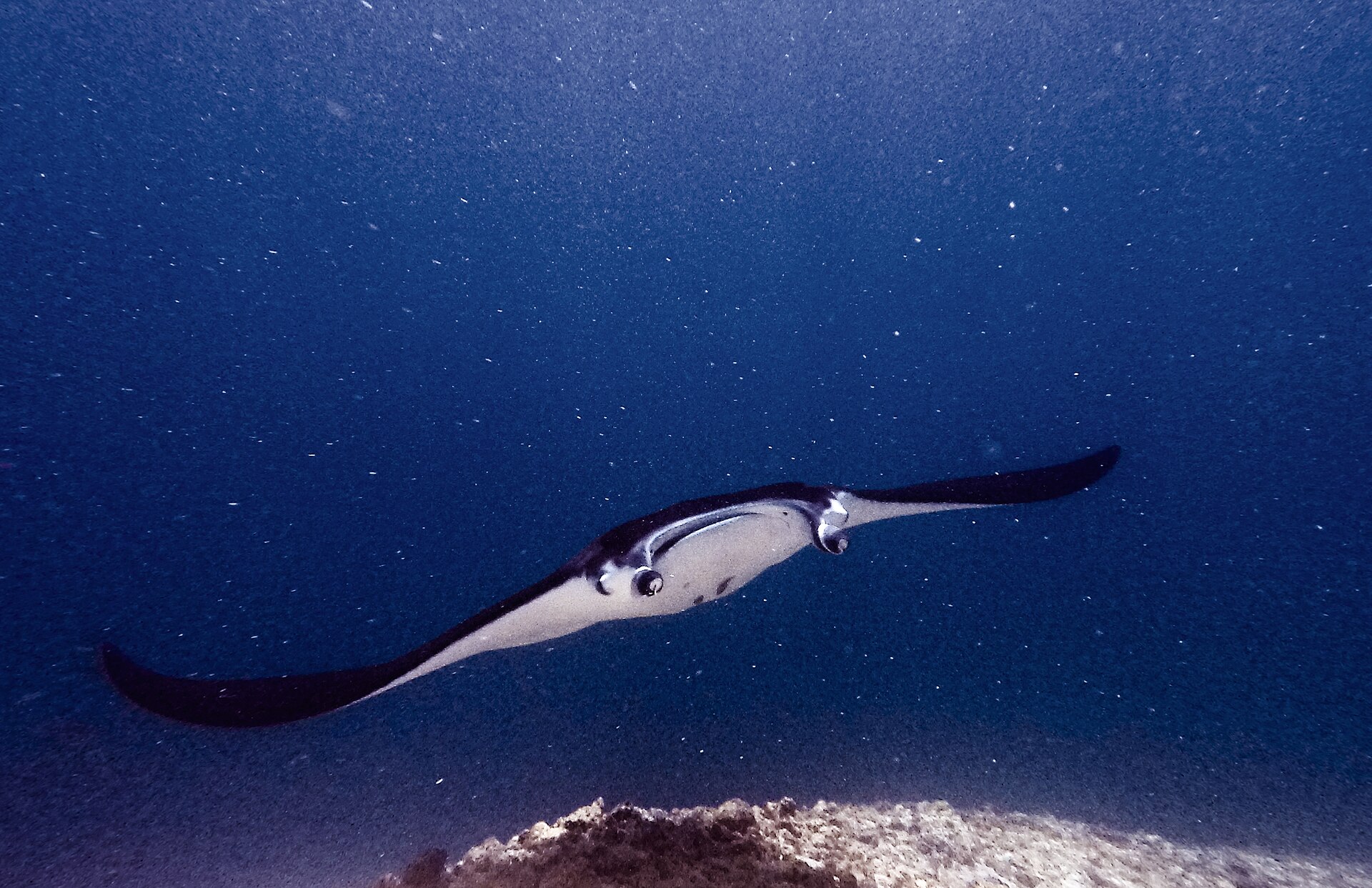
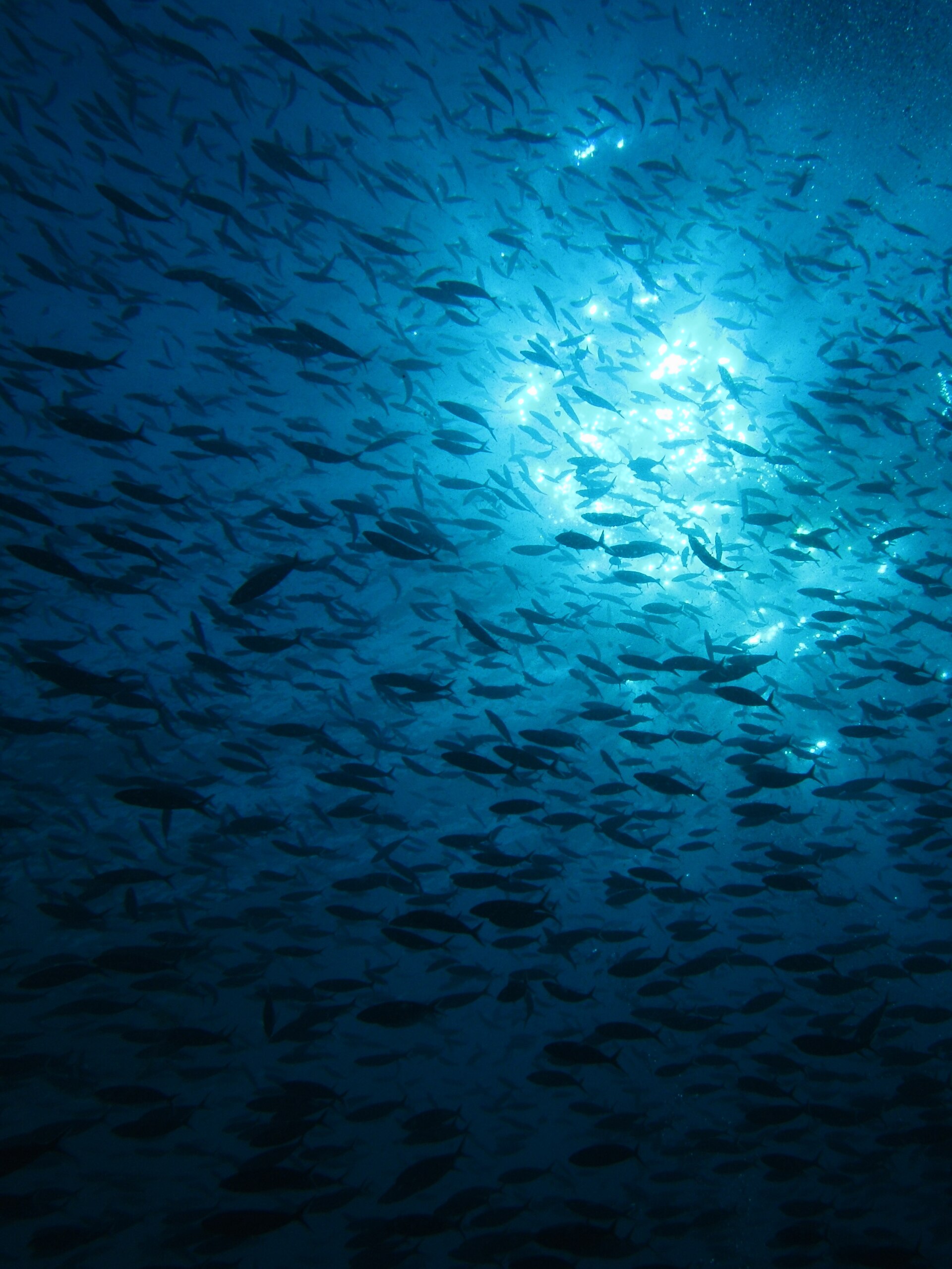
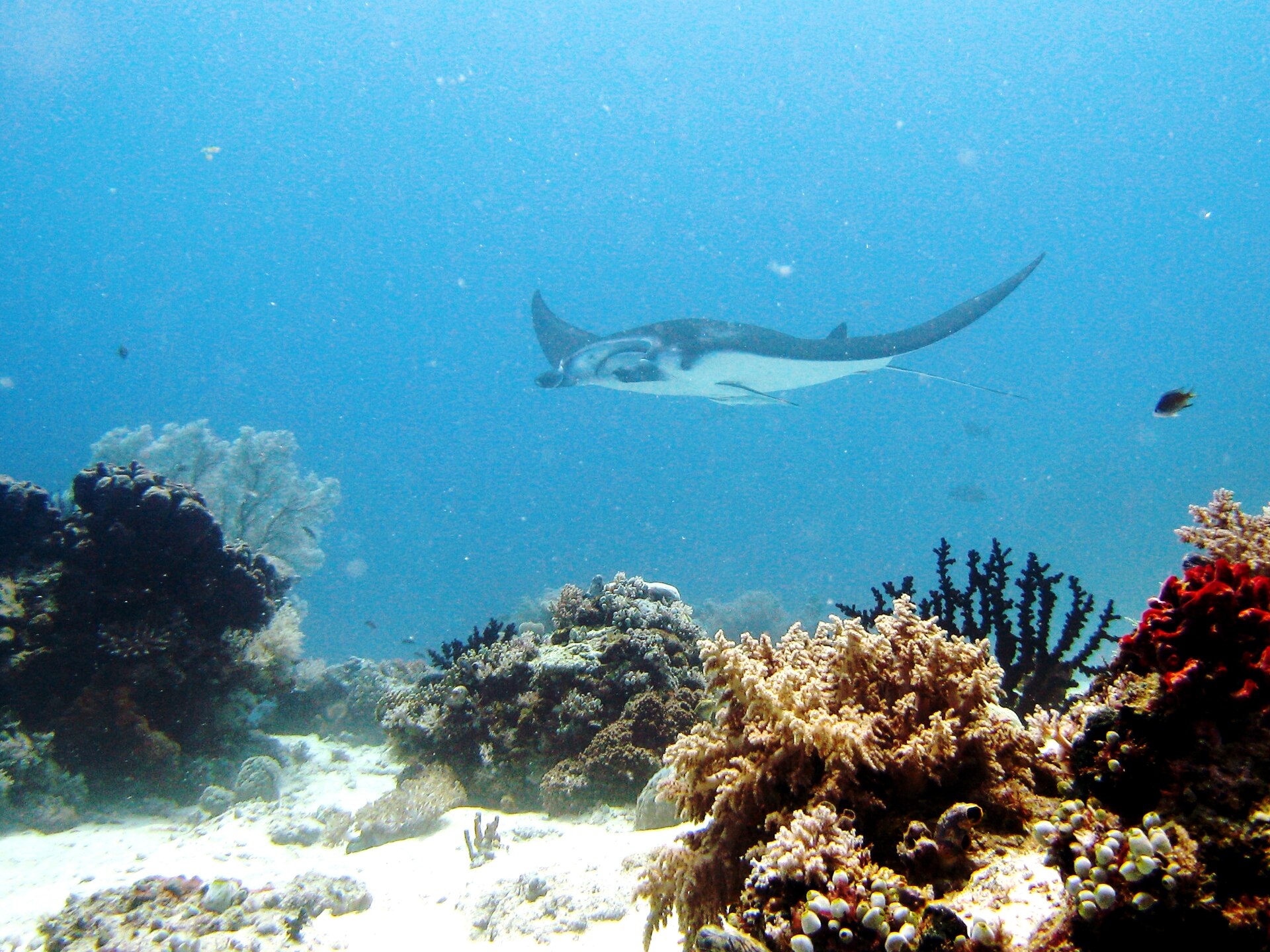
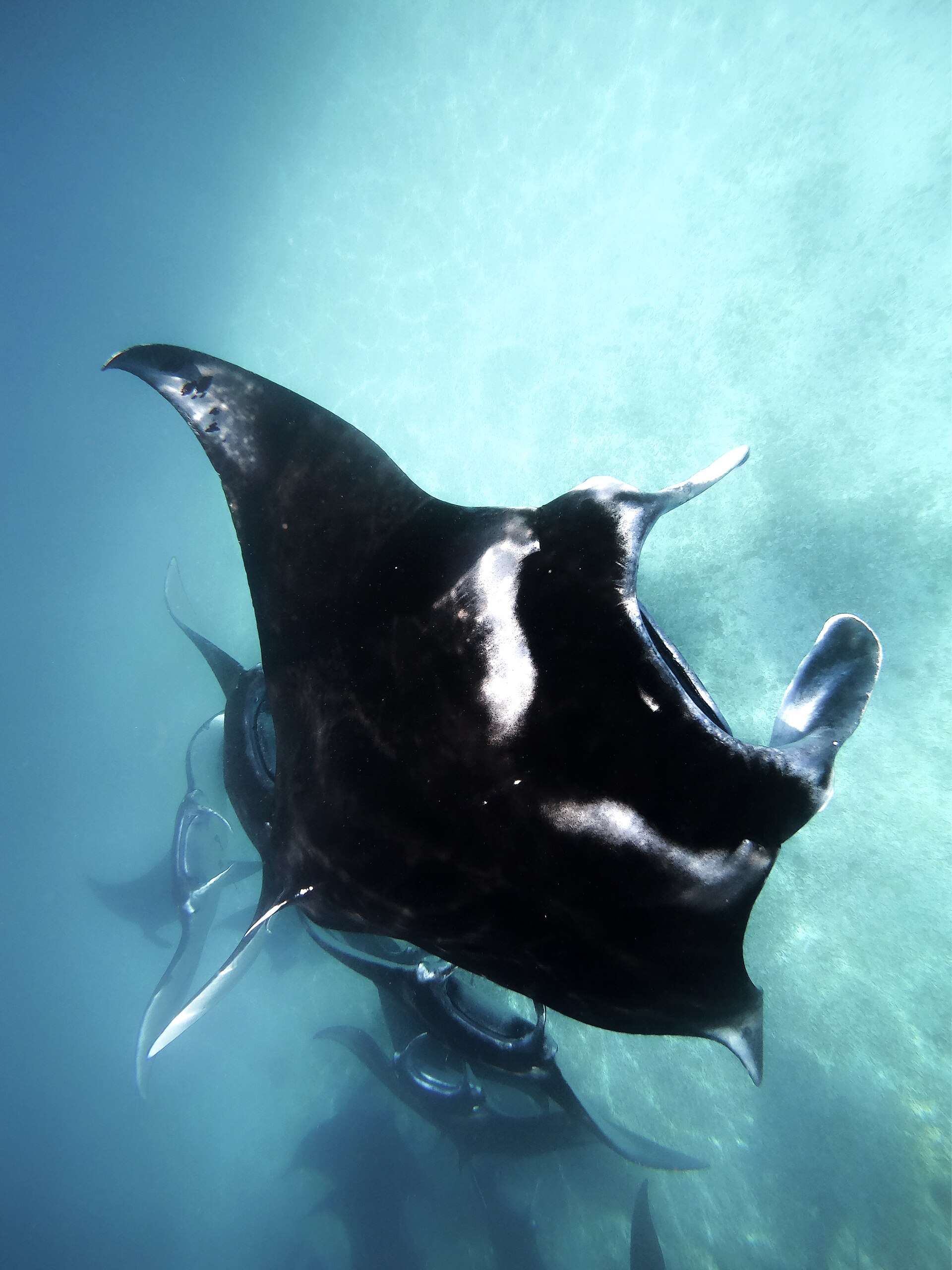
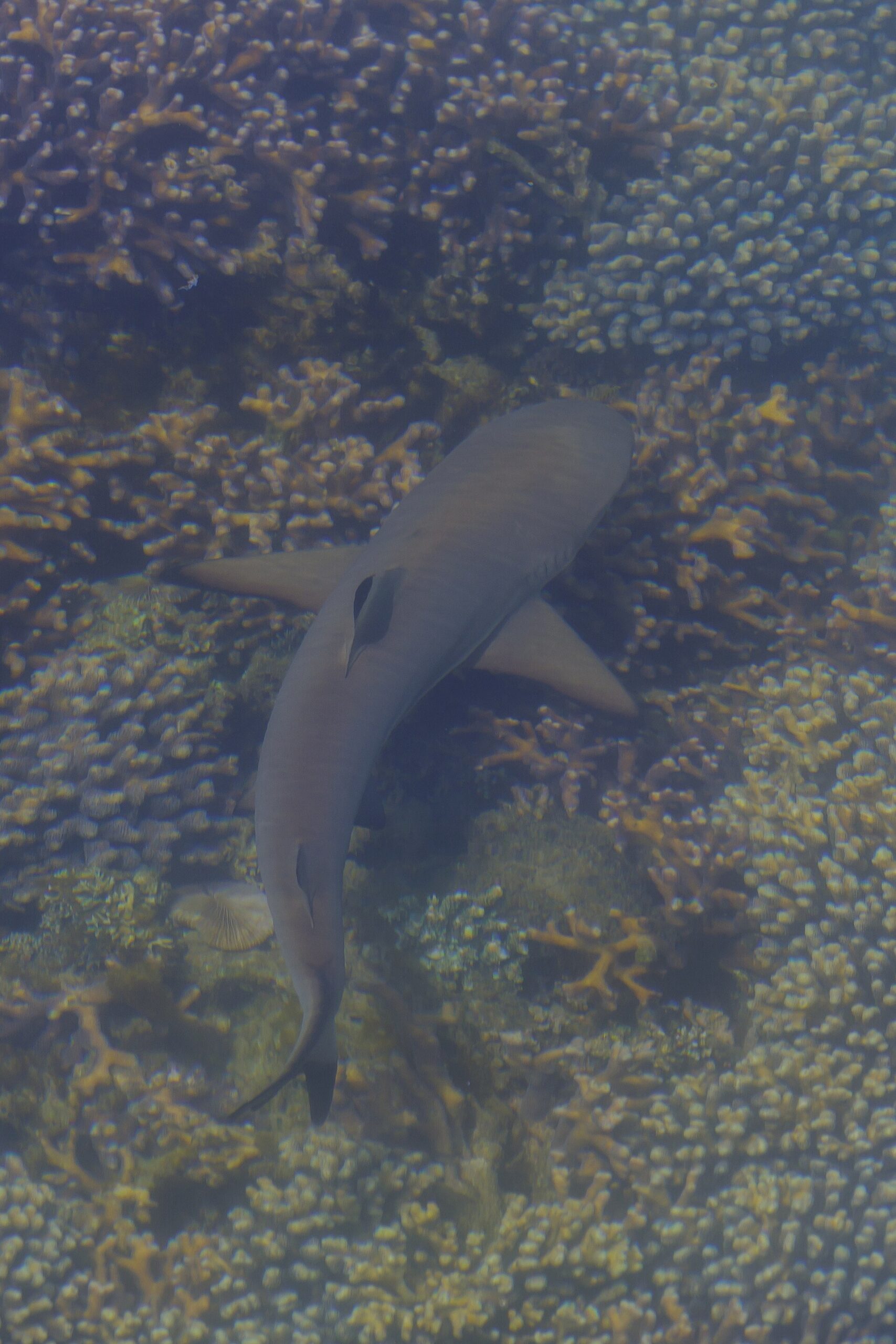
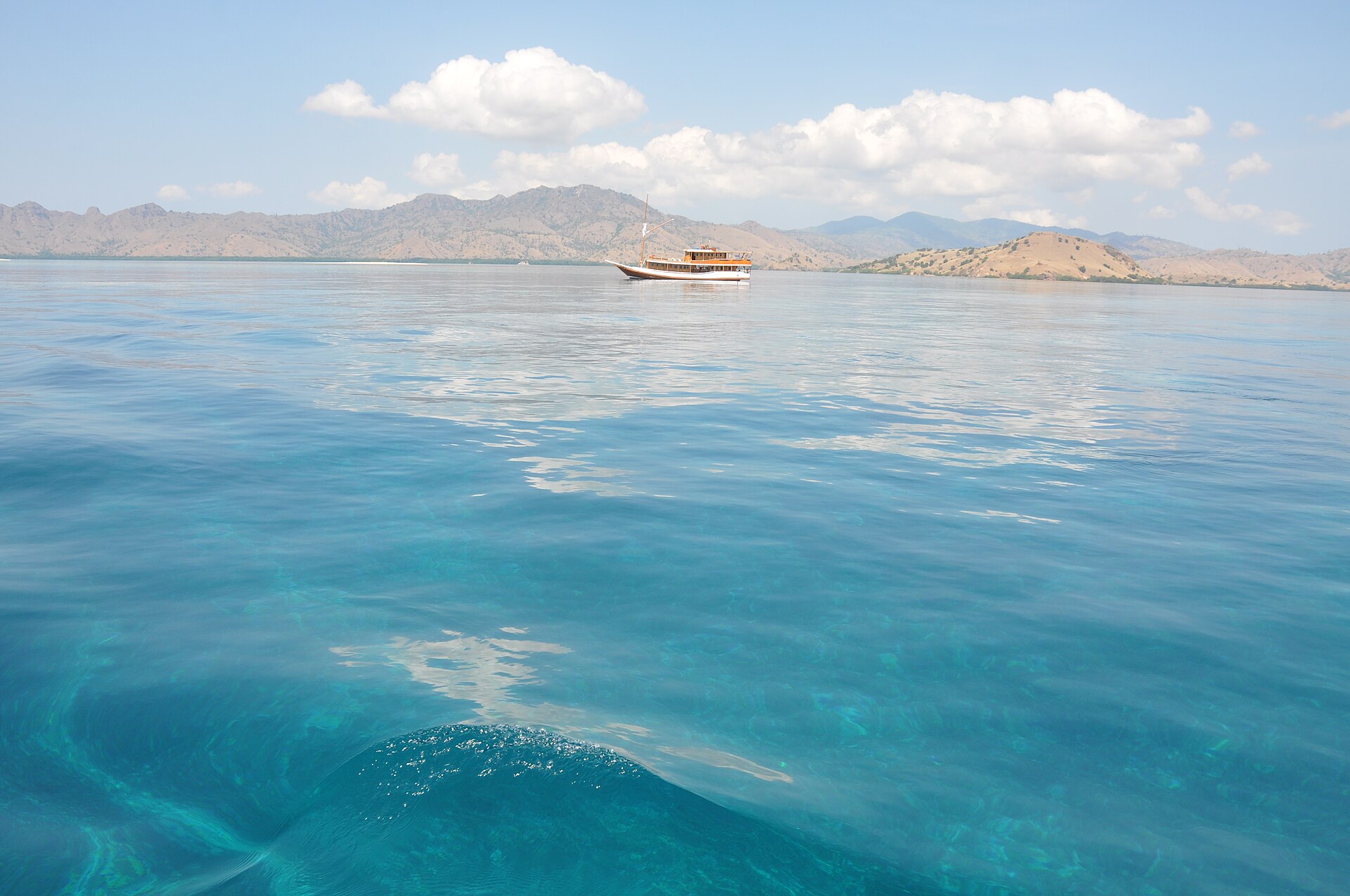
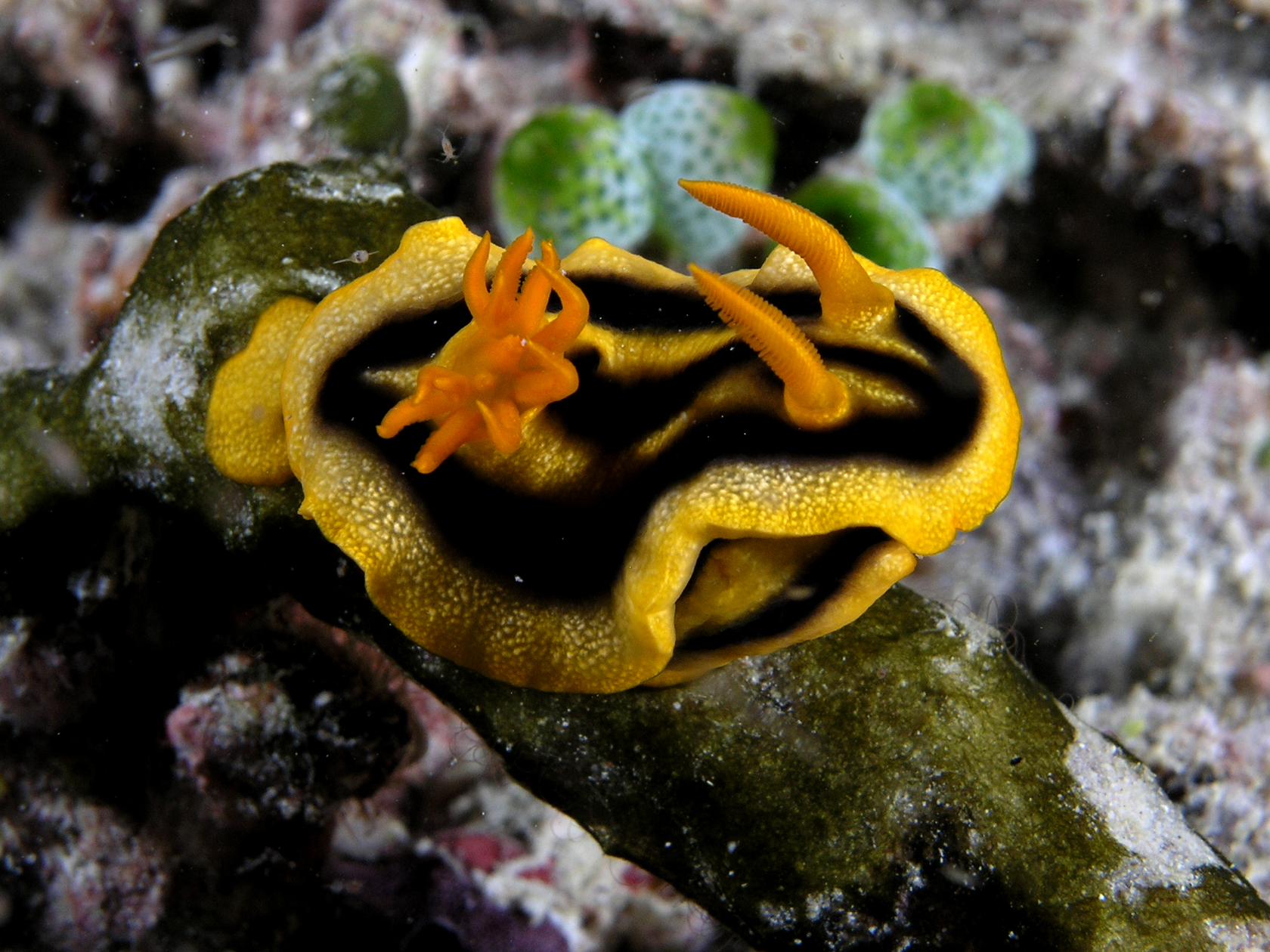
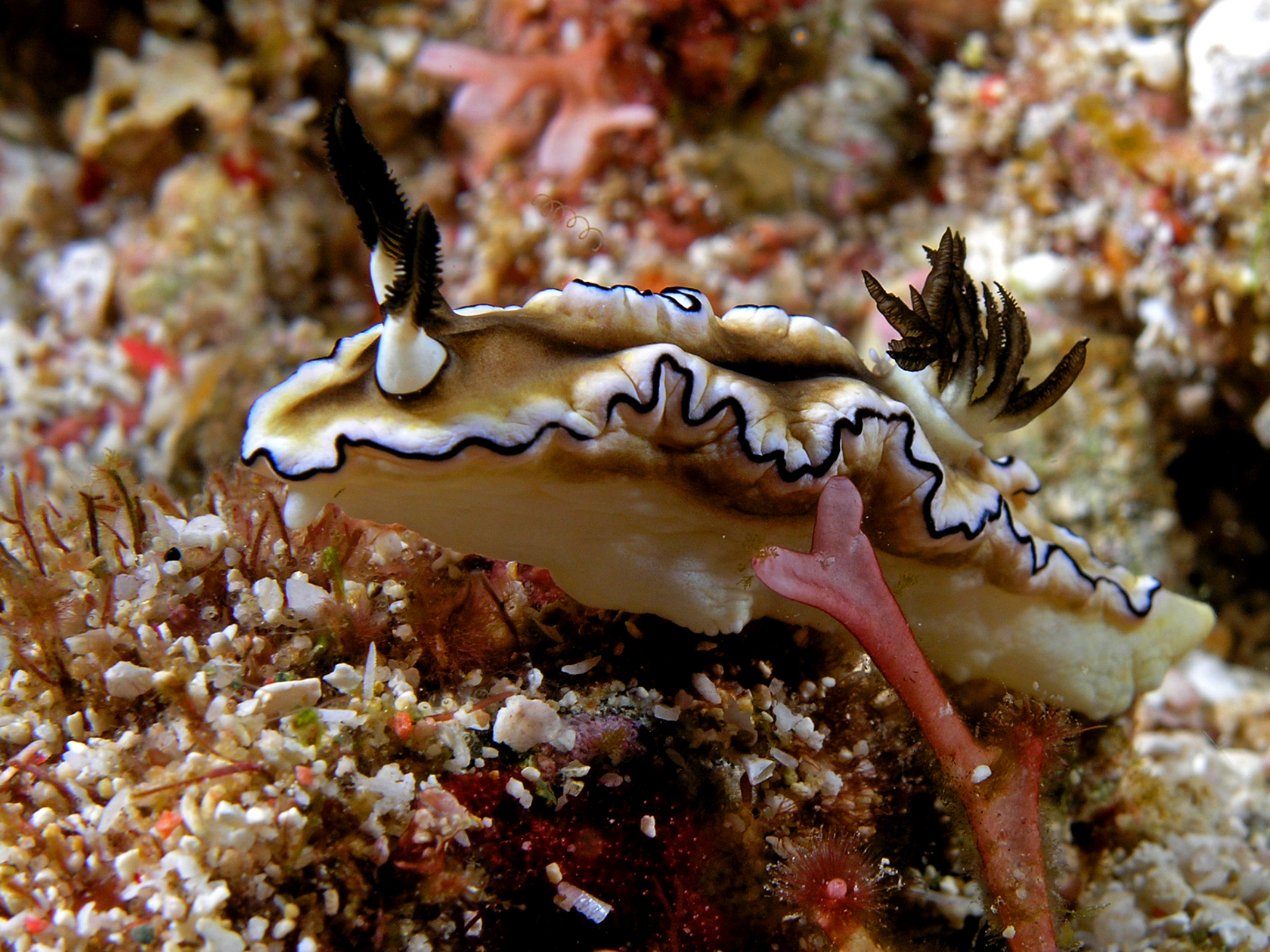
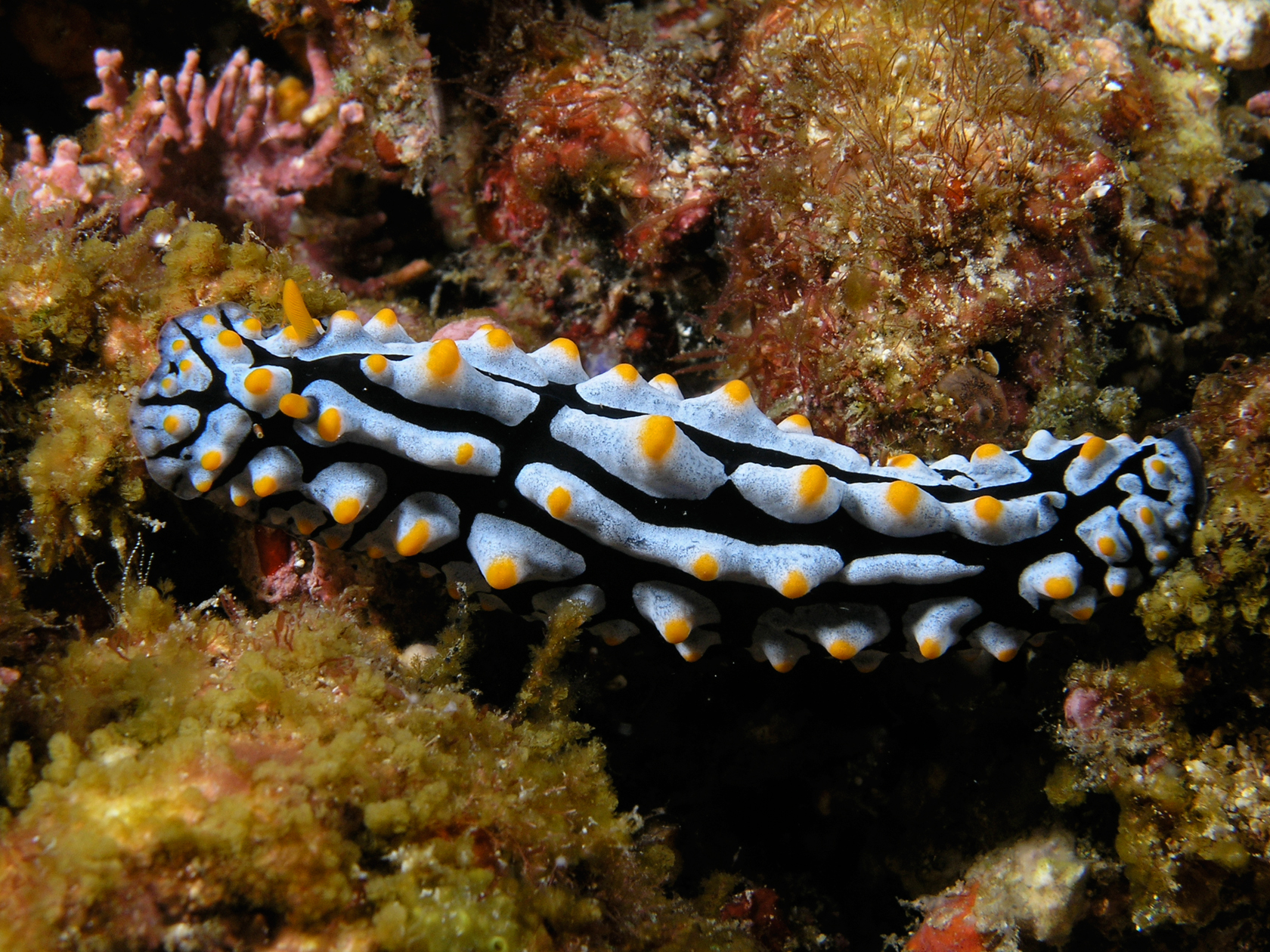
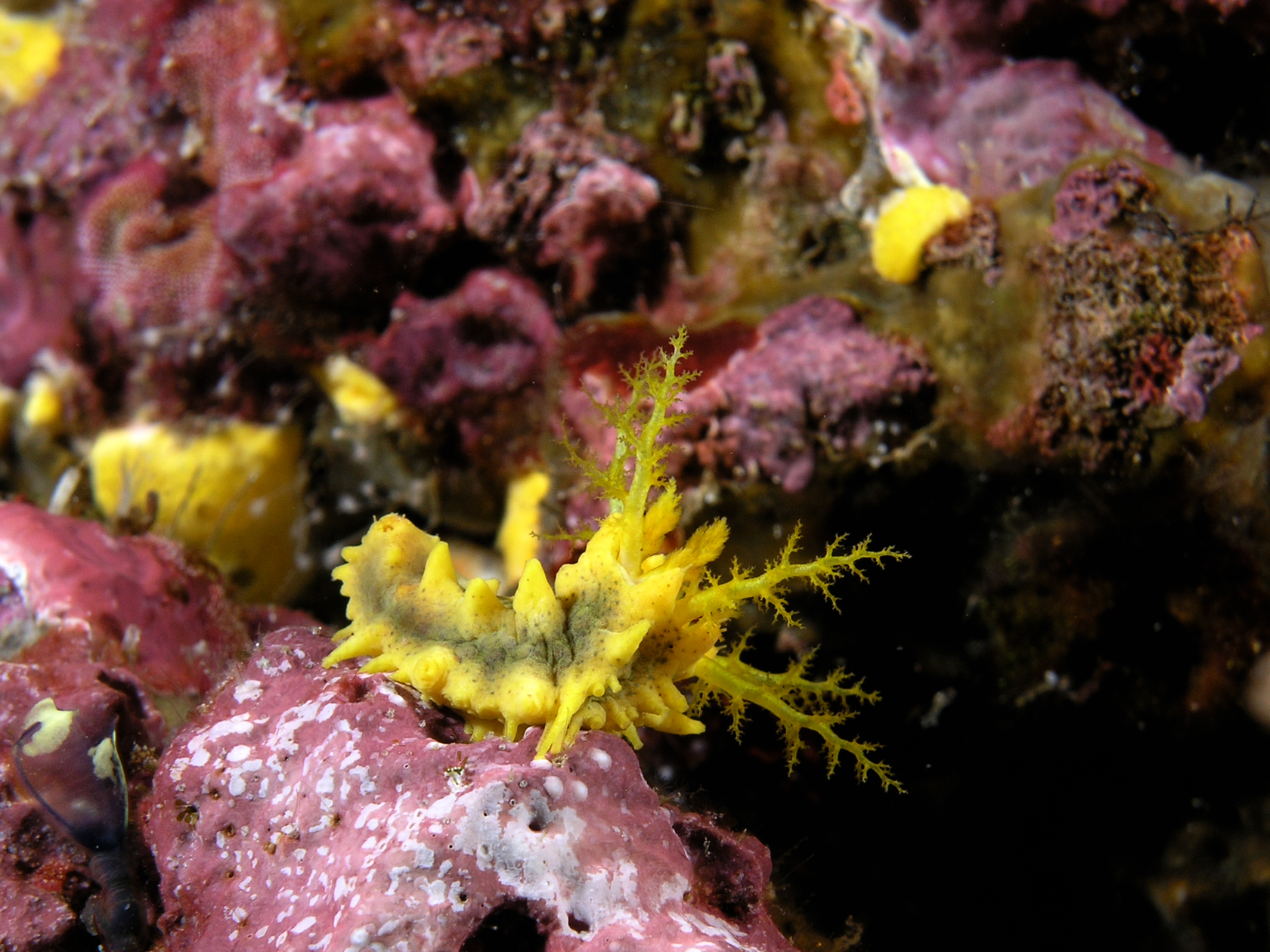
The water around it is the better half of the stop. The reef flat is shallow and clear enough that you can pick out coral heads and reef fish from the surface before putting a mask on, and calm enough for beginners. Trevally and jacks patrol the deeper edges, rays turn up on the sand, and Manta Point is minutes away by tender. That proximity is why the two are almost always sold as a single stop rather than two.
Crowds and Timing
Taka Makassar has a crowding problem most Komodo sites do not, and it is simple arithmetic. The low-tide window is fixed by the tide, the sandbar is smaller than a football field, and every boat that wants it wants it inside the same two hours.
Arrive with the day fleet and you are sharing a strip of sand with several boatloads of people who all came for the same empty-horizon photograph. Nobody gets it.
The variable that matters here is not season but scheduling authority. A speedboat day trip runs a fixed multi-stop itinerary, so it arrives when the schedule says rather than when the tide says. A boat that plans the next day from tide predictions can put you on the bar at its widest, often early morning or late afternoon, and be there before or after the convoy. On this particular stop, that is the whole difference between a photograph and a queue.
Dive and Snorkel Profile
- Depth rangeShallow reef flat around the sandbar; the surrounding channel drops away
- CurrentModerate
- CertificationNone (snorkel)
- EntryShore entry
How to Visit
Ask about the tide before you book, not on the day. This is the one stop in Komodo where an itinerary that reads perfectly on paper can deliver open water. At high tide there is no sandbar to stand on.
Day trip. Speedboat day trips from Labuan Bajo include it routinely, usually bundled with Manta Point and Padar. See the Komodo one day tour and the 2D1N route.
Multi-day. On the 3D2N route and longer, the stop can be moved within the day to match the tide, which is the entire advantage of the format here. It pairs naturally with Manta Point next door.
You do not land on your own. Access is by tender from a boat anchored off the flat. There is no jetty, nothing to tie to, and no way to get there independently.
Boats That Sail Here
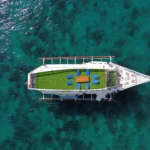
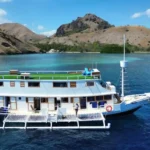
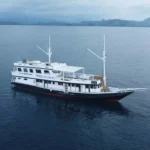
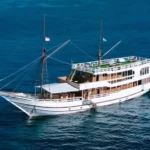
117 boats in our directory call here on their published itineraries, and the 12 with live pages are listed first. The list is generated from those itineraries, so it changes when a route changes rather than when someone remembers to edit this page.



Who This Suits
Right for: families with small children, weak swimmers, and anyone who wants clear water without waves. The reef flat is shallow, the water is calm at low tide, and you can wade rather than swim. It is also the single strongest drone and photography stop in the park, provided you arrive at the right hour.
Not right for: anyone who needs shade. There is none at all, and pale sand and shallow water throw light back at you from every direction. If you burn easily, treat this as a short stop in a rash guard rather than a sunbathing break. It is also thin as a standalone destination — on its own it is fifteen minutes of walking on sand. The reason to come is the combination of sandbar, reef flat and Manta Point inside one anchorage.
What to Bring
- Reef-safe sun protection applied before you land, plus a rash guard. Shade is not available at any point.
- Your own mask and snorkel if you own them. Boat rental sets are a lottery on fit.
- Reef shoes for the coral rubble at the edge of the flat.
- Water. Nothing is sold on the sandbar, or anywhere within sight of it.
- A dry bag for anything electronic. You arrive by tender, not onto a jetty.
- A drone, if you fly one and your operator has cleared it. This is the stop it exists for.
- A hat you do not mind losing to the wind, and a strap for your sunglasses.
Safety Notes
Two real risks here, and neither is dramatic.
Sun. No shade exists on the sandbar, and reflection off pale sand and shallow water roughly doubles what you are exposed to. Burns happen faster than people expect, including on overcast days.
The channel beside it. The flat itself is calm at low tide, but the surrounding water belongs to the same current system that makes Karang Makassar a manta site, and profiles of the area describe strong current despite the shallow depth. Stay inside the shallows unless you are with a guide, and treat drifting off the flat as something to actively prevent rather than something you would notice happening.
The tide comes back. The sandbar shrinks while you are standing on it. Keep track of where the tender is.
Barefoot on the sand is fine. The reef edge is coral rubble, and it is not.
Photography Notes
This is a drone stop first and a swimming stop second, and the reason is the colour gradient: white sand, then a wide band of pale turquoise over the reef flat, then the sudden dark blue of the channel. From the ground it is a pleasant sandbar. From forty metres up it is the shot people book the trip for.
Everything depends on the hour. At high tide there is nothing to photograph at all. Approaching low tide the curve is at its widest and the water at its clearest. Midday gives the strongest turquoise but the harshest contrast on faces; early and late give better light and fewer boats in frame.
Confirm drone permission with your operator before you launch. This is a national park with restricted zones and rules that have changed more than once, and asking on the boat is considerably cheaper than finding out afterwards.
At ground level, shoot low. The sandbar reads as flat and unremarkable from standing height and dramatic from ankle height, with the curve running out of the frame.
Entrance Fee
Taka Makassar is inside Komodo National Park, so park entry applies. It is normally included in the price of a day trip or a liveaboard berth rather than collected on arrival — there is nobody on a sandbank to collect anything.
We do not print the figures. The park fee structure has been revised more than once in recent years and entry now runs through the SIORA booking system, so a number written here would go stale and still read as authoritative. Ask your operator which components sit inside the quoted price before you pay a deposit. If your itinerary also takes in Padar, Komodo or Rinca, park entry is being paid for the trip regardless of this stop.
Frequently Asked Questions
When is the best time to visit Taka Makassar?
Low tide, and that is not a season — it is a specific window that moves every day. The sandbank only exists above water when the tide is out, and it narrows or submerges as the water returns. Beyond that, the dry season from roughly April to November brings the calmest seas and clearest water, which is when the turquoise around the bar looks the way it does in photographs. In practice: choose the season for the water, and let the crew choose the hour from tide tables. An operator who cannot tell you what the tide is doing on your date has told you something useful anyway.
How big is Taka Makassar, and can you walk on it?
Yes, and it takes a few minutes. Descriptions consistently put it at smaller than a football field, and one operator gives roughly 80 to 100 metres long by 40 to 60 metres wide when fully exposed. It is a firm, fine-sand crescent with no vegetation, so walking barefoot is easy. The size is not fixed: it changes with the tide during your own visit, and the shape shifts between seasons. That is why no two photographs of it quite match.
Is Taka Makassar good for children and non-swimmers?
It is one of the better stops in the park for both. The water over the reef flat is shallow and calm, clear enough to see fish while standing, with no waves to speak of at low tide. Two things need managing. There is zero shade on the sandbar, so a rash guard and a short visit beat sunscreen alone. And the calm water ends where the flat ends: the channel alongside carries real current, so children should stay inside the shallows with an adult rather than swimming out.
Is the national park fee included?
Usually, but ask. Taka Makassar is inside Komodo National Park and there is no ticket booth on a sandbank, so entry is handled by your operator through the park booking system as part of the trip. What varies between operators is whether every component sits inside the headline price. Get the breakdown before you pay a deposit. We deliberately do not publish figures: the fee structure has changed repeatedly, and any number printed here would be wrong eventually while still looking official.
Can I visit Taka Makassar without a liveaboard?
Yes. Speedboat day trips from Labuan Bajo include it as a standard stop, usually paired with Manta Point and often with Padar, at roughly one and a half to two and a half hours each way. The trade-off is timing. A day trip runs a fixed multi-stop schedule, so it arrives when the itinerary says rather than when the tide says, and it arrives alongside the rest of the day fleet. A multi-day boat can move the stop within the day to land inside the low-tide window. If the sandbar itself is your reason for going, that flexibility is worth more than it sounds.
What is the difference between Taka Makassar and Karang Makassar?
They are neighbours with nearly the same name, which catches people out constantly. Karang Makassar is the reef: a long shallow drift site described as roughly three kilometres by four to five hundred metres, and it is what almost everyone actually books under the name Manta Point. Taka Makassar is the sandbank beside it. Karang means reef; taka means sandbank or shallow. In practice you visit both from the same anchorage — snorkel or dive the reef for mantas, then land on the bar. If a booking names one and you expected the other, you are probably still going to both.
Is the sand at Taka Makassar pink?
Mostly no, and this is the most repeated error in Komodo travel content. Some operator profiles describe the sand as white with a pink tint, or white-to-pink. Others state directly that it is white, and that the pink people have seen in photographs belongs to Pantai Merah — better known as Pink Beach — where fragments of red coral and reef organisms genuinely tint the shore. The two sit inside the same national park, which is how the confusion started, and stock photo captions have kept it alive. Plan accordingly. If you want pink sand in a photograph, book Pink Beach. If you want a turquoise sandbar with open ocean on every side, that is this place, and it does not need the pink story to justify the stop.
How far is Taka Makassar from Labuan Bajo?
Roughly one and a half to two and a half hours by boat depending on the vessel and the sea, with some operators simply quoting two hours. It sits in the central part of the park beside Karang Makassar, which puts it minutes from Manta Point and a short run from Komodo Island and Padar. That position is why it is almost never a destination in its own right: it is one stop inside a day that usually also includes a dragon trek and a viewpoint.
What the Park Costs
| What you pay | Amount | Basis |
|---|---|---|
| Park entrance, foreign visitor | Rp 250,000 ≈ $14 | per person, per visit Identical on weekdays and public holidays. Already includes trekking, wildlife observation and snorkelling inside the park. |
| Park entrance, Indonesian visitor, weekday | Rp 50,000 ≈ $3 | per person, per visit Raised from Rp 35,000 in October 2024. |
| Park entrance, Indonesian visitor, weekend or public holiday | Rp 75,000 ≈ $4 | per person, per visit The holiday uplift applies to the Indonesian rate only. |
| Park entrance, Indonesian student group | Rp 25,000 ≈ $1 | per person, per day Group bookings only. |
| Scuba diving permit | Rp 25,000 ≈ $1 | per diver, per day Charged on top of the entrance fee. Snorkelling is not charged separately. |
| Vessel entry | varies | Assessed on the engine capacity of the boat, so it is normally settled by the operator rather than by passengers. |
- Booking runs through SIORA, the park's own system, and is handled by a licensed operator before arrival. There is no ticket window at the gate.
- A daily cap of 1,000 visitors applies across the park, split between Komodo, Rinca and Padar and the dive sites around them.
- Entry runs in sessions rather than all day, which is why a boat's arrival time is set by the park and not by the crew.
- A drone permit is separate, expensive, and has to be requested well in advance.
Statutory rates set by Peraturan Pemerintah No. 36 Tahun 2024, in force since 30 October 2024. Checked 25 August 2026. Amounts are payable in rupiah; dollar figures are converted at Rp 17,900 and rounded. A rise in the foreign rate was under government review in April 2026 and had not taken effect.
Marine Life
Activities
Cruise Areas
Location
Taka Makassar, Komodo National Park, East Nusa Tenggara, Indonesia







Add a review