
Responsible Tourism in Komodo: Actions That Matter on Land and at Sea
Practical responsible-tourism choices in Komodo: wildlife, reef contact, anchoring, boat waste, local benefit and evidence behind operator claims.
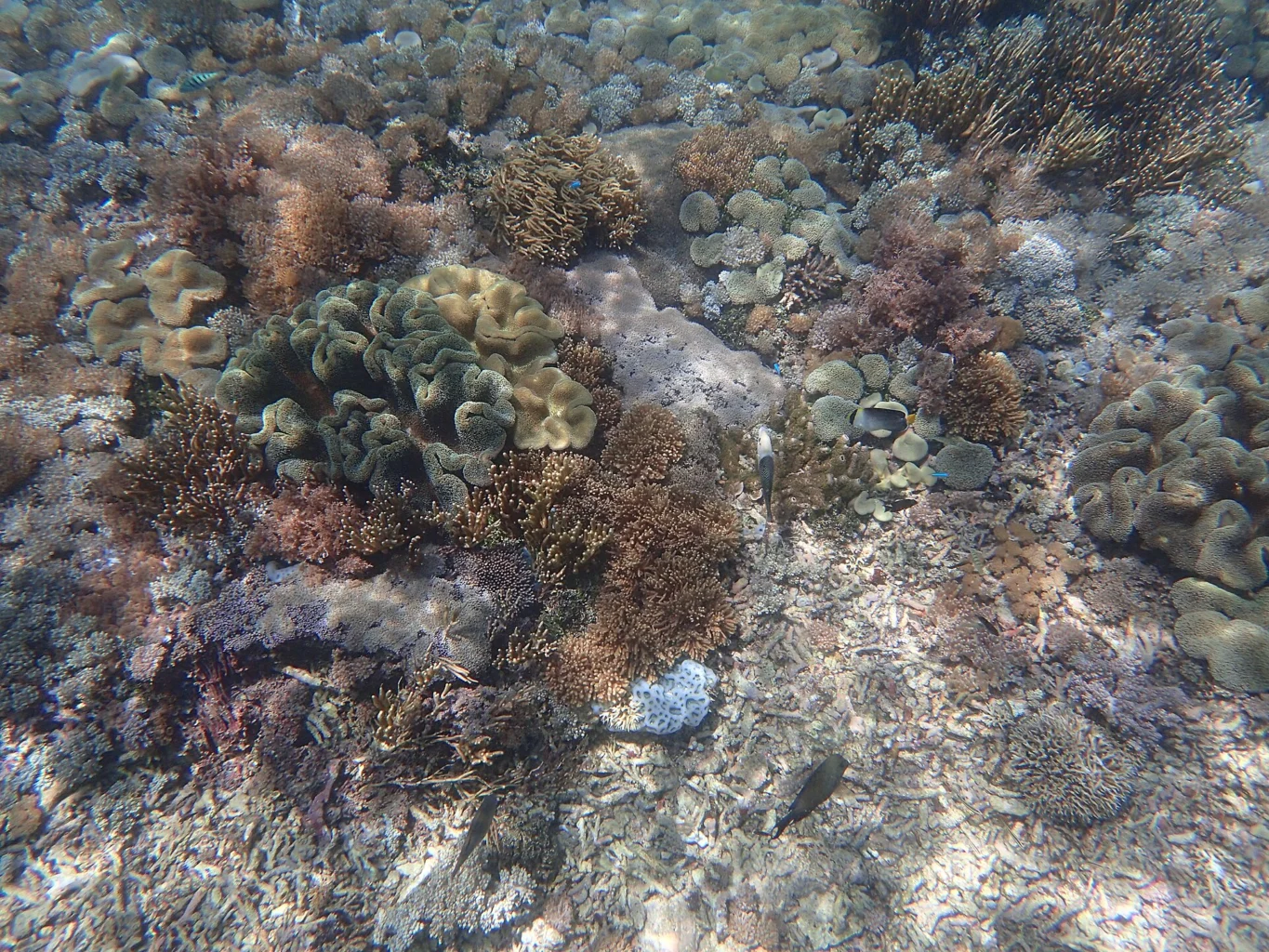
Responsible tourism in Komodo means reducing avoidable pressure on reefs, wildlife, dry-island habitat and local communities while following current park access rules. The highest-impact choices are booking a credible operator, accepting route changes, keeping fins and feet off coral, never chasing or feeding wildlife, carrying waste back to Labuan Bajo, respecting ranger instructions and asking how crew, anchoring, sewage and rubbish are managed.
Komodo National Park is both a World Heritage property and a living landscape. It protects dry savanna, monsoon forest, mangroves, reefs, strong-current channels and the natural range of the Komodo dragon. People also live in and around the park, work on boats, guide visitors and depend on the wider coastal economy.
A responsible Komodo trip is not defined by a reusable bottle alone. It combines visitor behaviour with decisions made before booking: vessel capacity, crew practice, wildlife briefings, anchoring, waste systems, route timing and whether the operator is willing to cancel an unsafe or harmful activity.
Why responsible tourism matters in Komodo
UNESCO’s recent periodic reporting identifies waste management as an active issue for Komodo National Park. Earlier and current management reporting also recognises pressure from visitor activity, boats, noise, fire, resource use and the need to involve communities. These pressures are not distributed evenly. Popular trails, beaches, manta areas and anchorages can receive many visits in the same time window.
Tourism can support employment, park management and conservation, but those benefits are not automatic proof that every activity is sustainable. The useful question is specific: what does this operator and visitor do to reduce direct impact, and what evidence supports the claim?
21 responsible tourism rules for Komodo
- Use a registered route and follow current park, captain and naturalist instructions.
- Accept that weather, currents, quotas and wildlife can change the itinerary.
- Never touch, stand on, kick or collect coral.
- Use a flotation aid if control or confidence is limited.
- Do not chase, block, ride, feed or touch mantas, turtles or other wildlife.
- Keep the approach route and cleaning station clear for mantas.
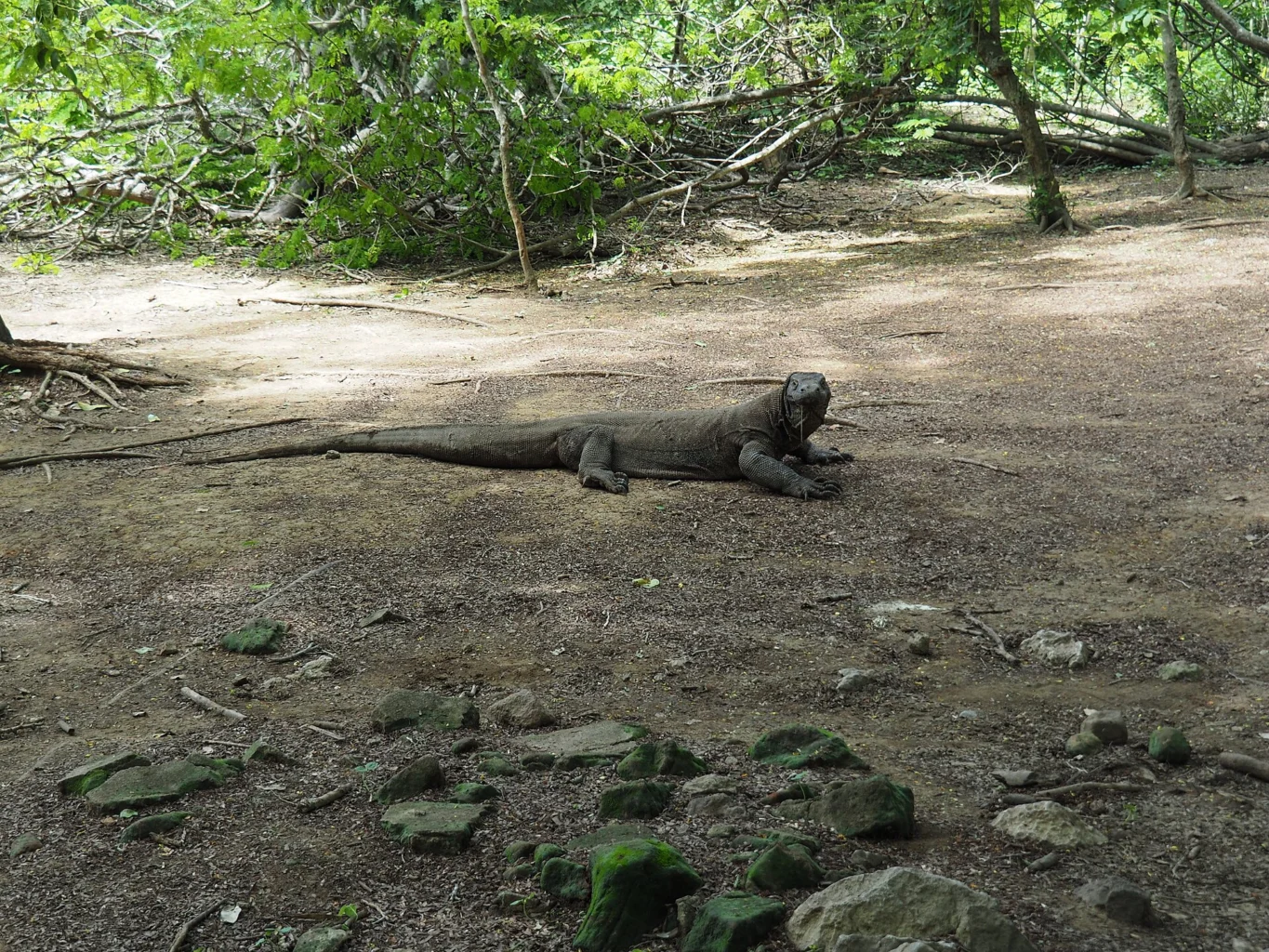
- Never feed, bait, corner or approach Komodo dragons for photographs.
- Stay on authorised trails and with the assigned naturalist guide.
- Do not remove pink sand, shells, plants, antlers, stones or nest material.
- Carry all personal rubbish back to the vessel.
- Refill water when a safe potable system is available.
- Secure light plastic before wind carries it overboard.
- Never throw cigarette ends, food packaging or sanitary waste into the sea.
- Keep music and amplified noise low near wildlife, villages and anchorages.
- Do not request anchoring on coral or seagrass.
- Do not fly a drone without explicit current permission and a responsible wildlife plan.
- Ask how blackwater, greywater, fuel, oil and solid waste are handled.
- Choose a group size the guides and crew can manage in the water and on trails.
- Buy thoughtfully from local businesses and ask how crew tips are distributed.
- Do not post precise locations for sensitive nests or unofficial wildlife encounters.
- Report a concern factually to the trip leader and relevant authority, without creating a confrontation at sea.
This list is a starting point, not a replacement for site-specific instructions. A rule that is safe at a sheltered beach may be unsafe in a current-swept channel.
How to snorkel and dive without damaging the reef
Direct contact is one of the most preventable visitor impacts. Coral is living habitat. A fin strike, standing foot or camera placed on the reef can break or abrade it. Sediment kicked up by poor position can also settle on nearby organisms.
Before entering the water
- Listen to the current, entry, exit and marine-life briefing.
- Declare swimming ability honestly and request a life jacket or float when needed.
- Secure cameras and straps so they do not drag.
- Practise mask adjustment and floating away from coral.
- Use sun-protective clothing to reduce exposed skin and dependence on topical products.
- Ask the guide to define the no-go area and regroup signal.
In the water
- Maintain a horizontal position with controlled, shallow fin kicks.
- Look ahead as well as down to avoid drifting over shallow coral.
- If tired, roll onto your back or signal the guide instead of standing.
- Do not grab coral, rocks or another swimmer in panic.
- Keep enough space that another guest’s fin does not push you into the reef.
- For diving, establish buoyancy before moving close to a structure or subject.
Green Fins, a programme associated with the UN Environment Programme and The Reef-World Foundation, emphasises briefings, buoyancy, no-touch practice, responsible anchoring and corrections by guides. An operator does not need to use one marketing label to apply those principles, but it should be able to describe its actual procedure.
Manta and turtle etiquette
At a manta cleaning or feeding area, the animal needs an open path. Do not swim directly at it, surround it, dive onto it from above or touch it. Stay with the guide and let the manta choose whether to approach. The Manta Point Komodo guide explains currents, seasonality and wildlife protocol.
A turtle surfacing to breathe also needs space. Never block its route to the surface for a photograph.
Responsible behaviour on islands and dragon trails
Dry-island habitat can look durable, but repeated shortcuts compact soil, widen trails and damage vegetation. Fire risk also changes with season. Stay on the assigned route at Padar, Gili Lawa and ranger-led dragon sites even when another angle appears empty.
Komodo dragon treks
- Stay with the authorised naturalist and follow real-time distance instructions.
- Never feed or bait dragons and never request a staged close-up.
- Do not crouch or separate from the group for forced perspective.
- Supervise children directly and choose an appropriate route using the Komodo family guide.
- Do not treat a no-sighting trek as a service failure. The animals are wild.
Learn why protecting the whole ecosystem matters in the Komodo dragon habitat guide. The Komodo dragon facts guide covers evidence-based safety and biology.
Padar, Gili Lawa and other viewpoints
Use the marked path, avoid trampling a new photo platform and carry everything out. Do not smoke or use an open flame in dry vegetation. On Padar, read the sunrise trek guide before choosing footwear, pace and start time. At other hills, do not assume that social-media footage proves current public access.
Beaches and natural materials
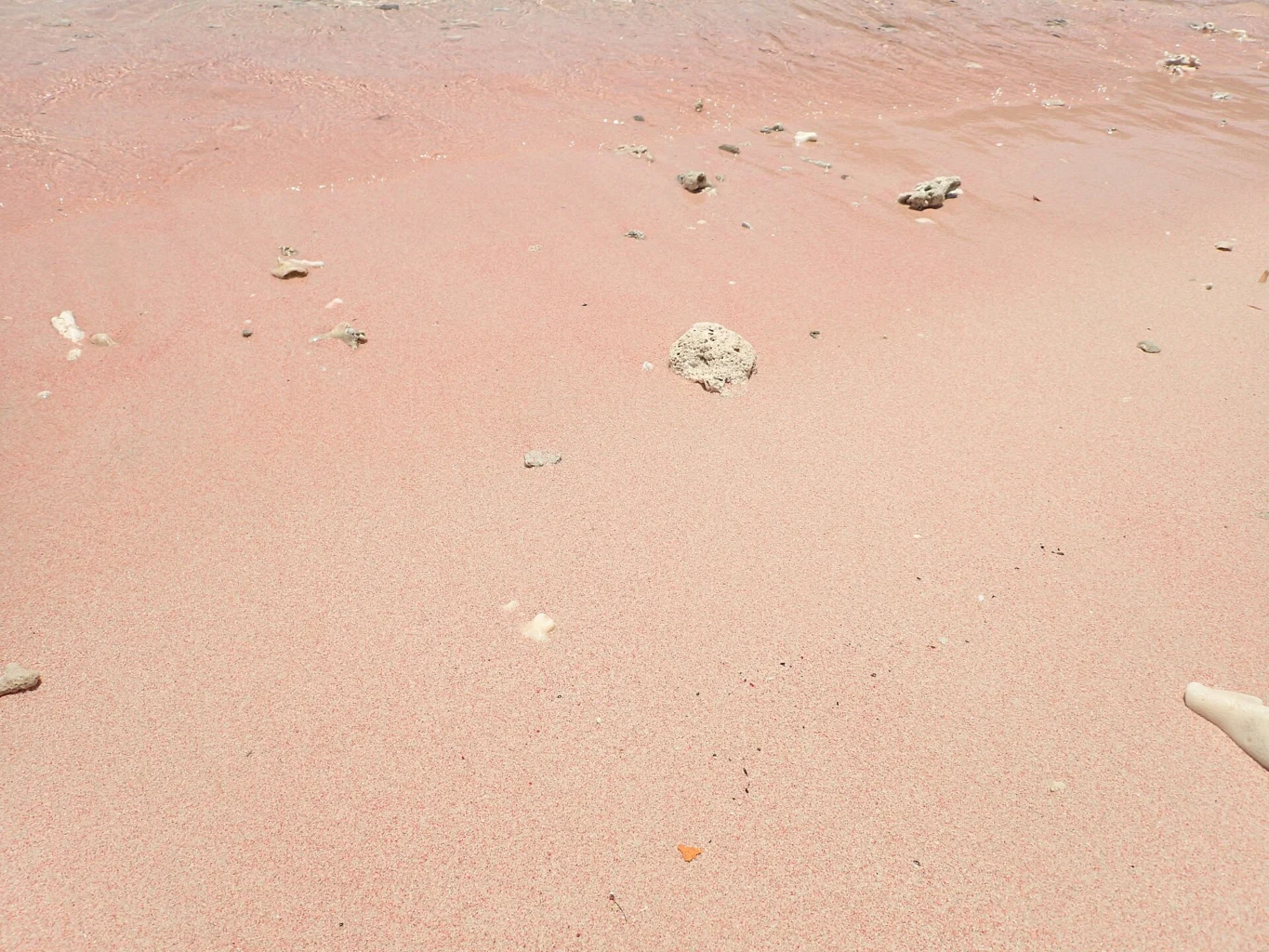
Leave sand, shells, coral fragments and wildlife where they are. Pink Beach colour comes from natural material in the sand system. A small souvenir multiplied by many visitors becomes extraction. Use the Pink Beach guide to plan a visit without removing or staging the substrate.
What responsible boat operation looks like
Guests see only part of vessel operations, so questions matter. A polished cabin and an eco slogan do not reveal what happens with an anchor, holding tank, used oil or bags of mixed waste. Ask why responsible operators change itineraries as well: adapting a stop to conditions is part of responsible operation.
| Operation | Evidence to ask for | Red flag |
|---|---|---|
| Anchoring | Crew identifies moorings or suitable non-coral bottom and uses a lookout where needed | “We anchor wherever it is shallow” |
| Solid waste | Separated, secured storage and a named shore-handling process | Open bags on deck or rubbish disposed at sea |
| Blackwater and greywater | Clear explanation of tanks, treatment or discharge procedure under current rules | No one knows where toilet or sink waste goes |
| Fuel and oil | Spill kit, maintenance records and safe transfer practice | Visible leaks or absorbent waste thrown overboard |
| Wildlife viewing | Low-noise approach, no baiting, lighting limits and a guide briefing | Noise or lights used to trigger animal movement |
| Water activity | Ability screening, guide ratio, flotation and current-specific plan | One guide cannot see the whole group |
Near Kalong Island, responsible viewing means keeping lights and noise low and letting the captain position the vessel without pushing into the mangrove roost. The bats do not owe the boat a denser emergence.
Reusable does not automatically mean safe
A refill system is useful only if drinking water is safely handled. A refillable toiletry container still contains a product that may enter the sea. Ask practical questions rather than awarding sustainability points from packaging alone.
What local records actually demonstrate
The park authority’s October 2022 mooring-maintenance report records work at eight locations to reduce anchor damage to coral. It documents that operation in 2022; it does not certify a particular boat or prove that a buoy remains usable today.
The park visitor protocol restricts anchoring in shallow water except fully sandy areas and protects manta habitat and transit areas. Ask the captain how the selected stop complies, and ask where rubbish and wastewater will be handled. A marketing claim or an old mooring report is not an inspection of your departure. Sources checked 18 October 2026.
How to support communities and crew responsibly
Local benefit cannot be judged from one crew member’s birthplace. Ownership, contracts, wages, training, procurement, promotion paths and tip distribution all matter. Avoid making intrusive assumptions about identity or asking workers to perform culture for a photograph.
- Ask whether crew employment terms, rest and insurance are documented.
- Ask how tips are shared before the final day.
- Use local restaurants, drivers, guides and shops when they fit the trip.
- Request permission before photographing individuals, homes, boats or children.
- Pay the agreed price and avoid aggressive bargaining over small purchases.
- Do not bring unrequested donations to a village. Ask a credible local organisation what is useful.
- Learn a few respectful Indonesian phrases and listen to local instructions.
The Labuan Bajo travel guide helps plan stays, transport and local spending before or after the boat trip.
How to choose a responsible Komodo operator
Ask for operational answers before paying. A credible team should be able to explain procedures without promising perfect weather, guaranteed animals or an itinerary that ignores currents.
- What is the registered vessel name and current passenger capacity?
- Which permits, passenger manifests and park registration does the price cover?
- How many guides enter the water with this group size?
- How do you assess weak swimmers before Manta Point or current-exposed sites?
- Where do you use moorings, and how do you confirm a safe anchoring bottom?
- How are solid waste, sewage, used oil and batteries handled?
- What wildlife briefing is given for mantas, dragons, turtles and flying foxes?
- What happens when the captain cancels a stop?
- How are crew rest, safety equipment and emergency drills managed?
- Can environmental claims be supported with a current policy, audit or specific practice?
Greenwashing signals
- “Zero impact” without a waste, fuel, sewage or anchoring explanation.
- “Reef safe” based only on a sunscreen brand while guests stand on coral.
- “Community based” without employment, procurement or ownership detail.
- “Wildlife guarantee” that would require baiting, crowding or unsafe pursuit.
- “Plastic free” while water, provisions or rubbish remain undocumented.
- A certification logo the operator cannot link to a current public record.
Do quotas and permits make a trip sustainable?
Visitor quotas and registration can reduce unmanaged concentration, but compliance is the minimum, not a complete sustainability result. A permitted vessel can still brief poorly, create waste or crowd wildlife. Equally, a route change required by the park or captain should not be treated as a failure to deliver.
Use the Komodo permit and SiOra guide for current access evidence. Do not rely on an old screenshot or fee table.
Which trip format can reduce pressure?
No duration is automatically responsible. A fast route may use less accommodation time but concentrate activities. A longer route may distribute stops but consume more fuel and produce more waste. Occupancy, route, vessel design and actual practice decide the trade-off.
| Trip option | Responsibility question | Active listing |
|---|---|---|
| One day | Can the schedule avoid rushing guests and chasing wildlife? | Komodo one-day tour |
| 2D1N | Where does the vessel anchor, and how is overnight waste managed? | Komodo 2D1N tour |
| 3D2N | Does the route use extra time for safer pacing or only add stops? | Komodo 3D2N tour |
| 4D3N | How do water, sewage, provisions and crew rest work over four days? | Komodo 4D3N tour |
| Private | Will the captain still refuse harmful or unsafe requests? | Private Komodo charter |
Compare the formats in the Komodo itinerary guide and the day trip vs liveaboard guide.
Lower-impact packing checklist
- Refillable bottle compatible with the vessel’s safe water system
- Rash guard, hat and other physical sun protection
- Secure dry bag and reusable small rubbish pouch
- Personal medication in original or clearly labelled packaging
- Reef-aware toiletries chosen after checking current evidence and vessel policy
- Reusable battery or charging setup that reduces disposable cells
- Soft-soled, secure footwear for authorised dry trails
- Offline copy of booking, insurance, emergency and permit information
Frequently asked questions
Is tourism damaging Komodo National Park?
Tourism creates pressure through concentration, waste, noise, wildlife disturbance, reef contact and infrastructure. It can also support work and conservation. Management and visitor behaviour determine whether avoidable harm is reduced.
What is the most important responsible-tourism choice?
Choose an operator with specific, verifiable procedures. That decision influences group control, anchoring, waste, wildlife interaction, crew safety and route changes throughout the trip.
Should I use “reef-safe” sunscreen?
No sunscreen label removes the need for other protection or proves zero ecological effect. Use shade and sun-protective clothing where practical, check current local requirements and apply any permitted product correctly away from the water.
Can visitors take pink sand or shells?
Leave natural material in place. A tiny amount multiplied by many visitors changes the site and may breach current protected-area rules.
Is a private charter more sustainable?
Not automatically. It may improve pacing, but a low-occupancy vessel can use more resources per guest. Judge route, capacity, crew, fuel, waste and wildlife practice.
Should travellers avoid Komodo entirely?
That is a personal decision, but avoiding one trip does not by itself solve habitat, waste or livelihood challenges. Travellers who visit can reduce direct impact, follow management rules and support credible local practice.
How can I verify an eco claim?
Ask what action occurs, who checks it, when it was last checked and what record exists. A current procedure or independent assessment is stronger evidence than adjectives.
What should I do if I see harmful behaviour?
Prioritise immediate safety. Raise the issue calmly with the trip leader, record factual details if safe and use the relevant operator or authority reporting channel after the event.
Compare a departure
Use these questions when assessing a komodo tour 3 days 2 nights. Confirm the actual vessel and procedures before payment.
