
About This Place
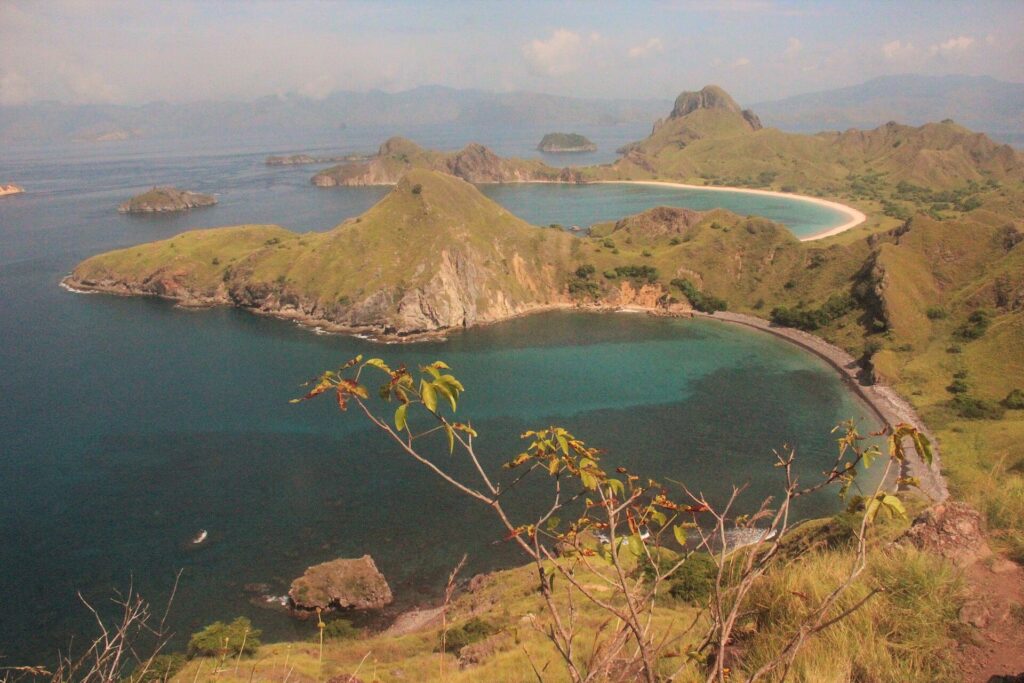
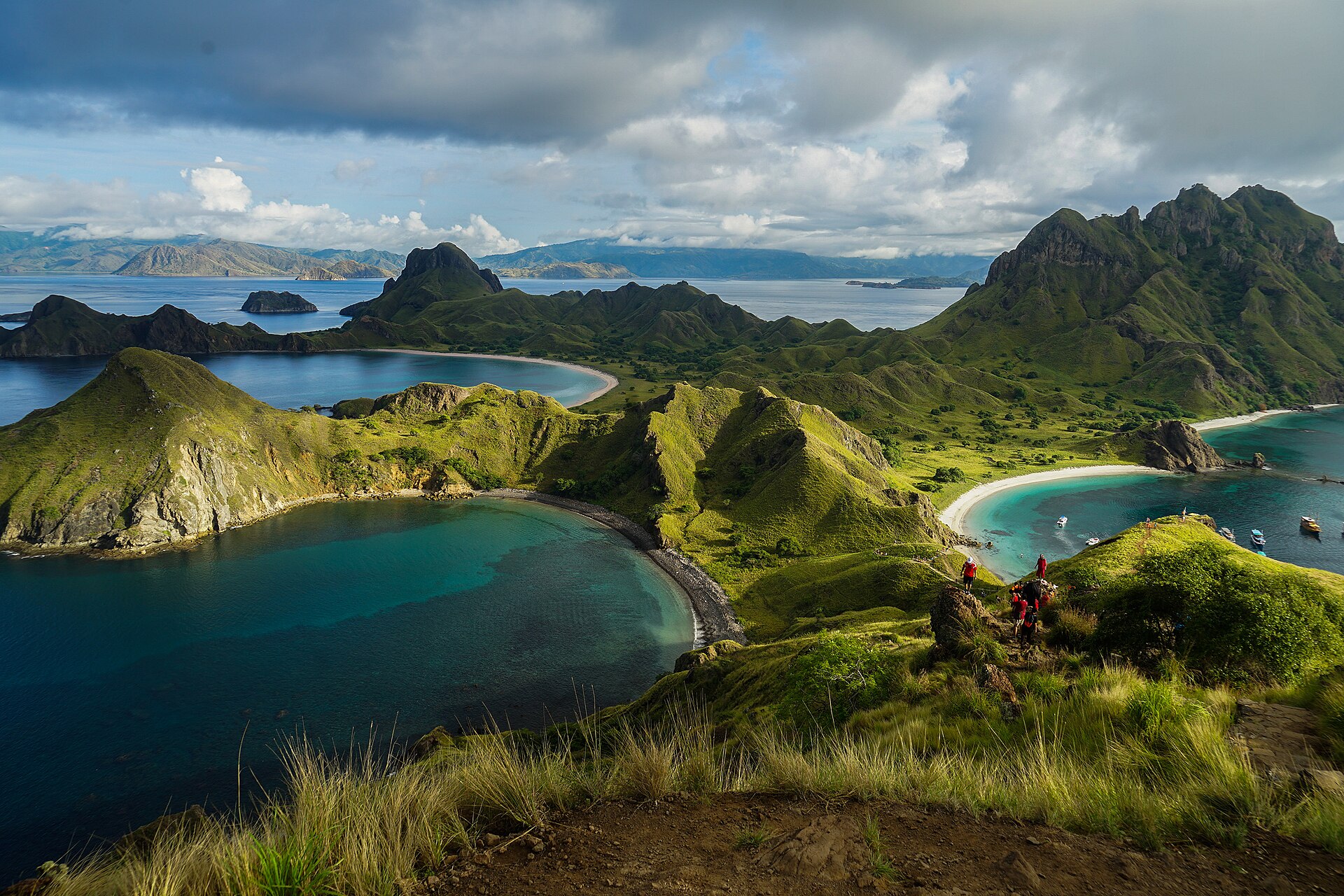
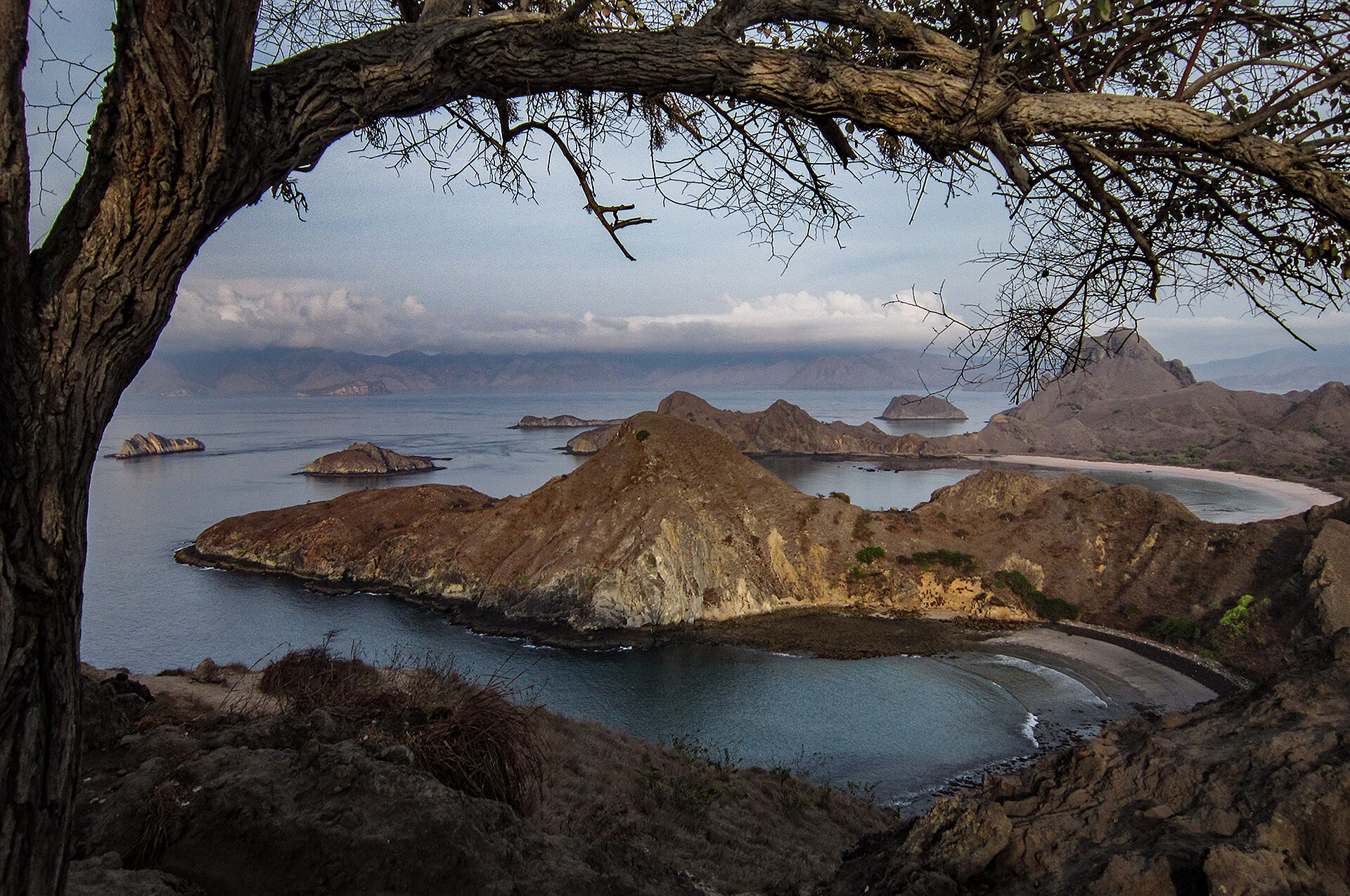
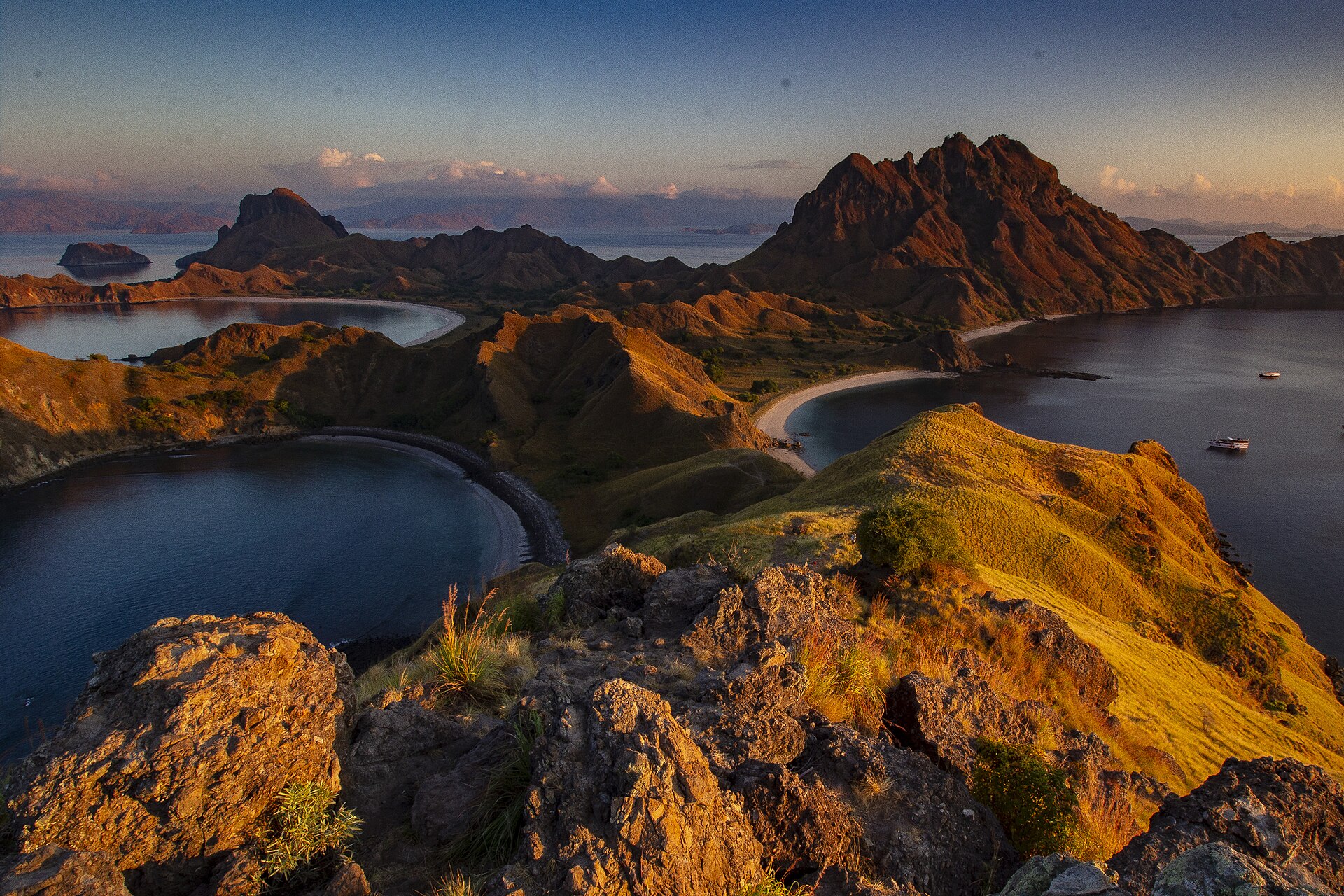
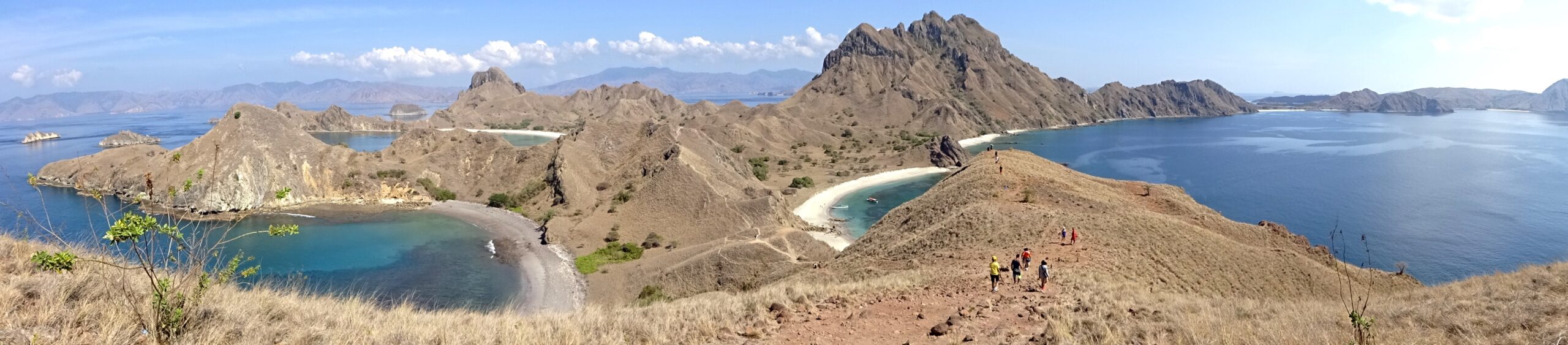
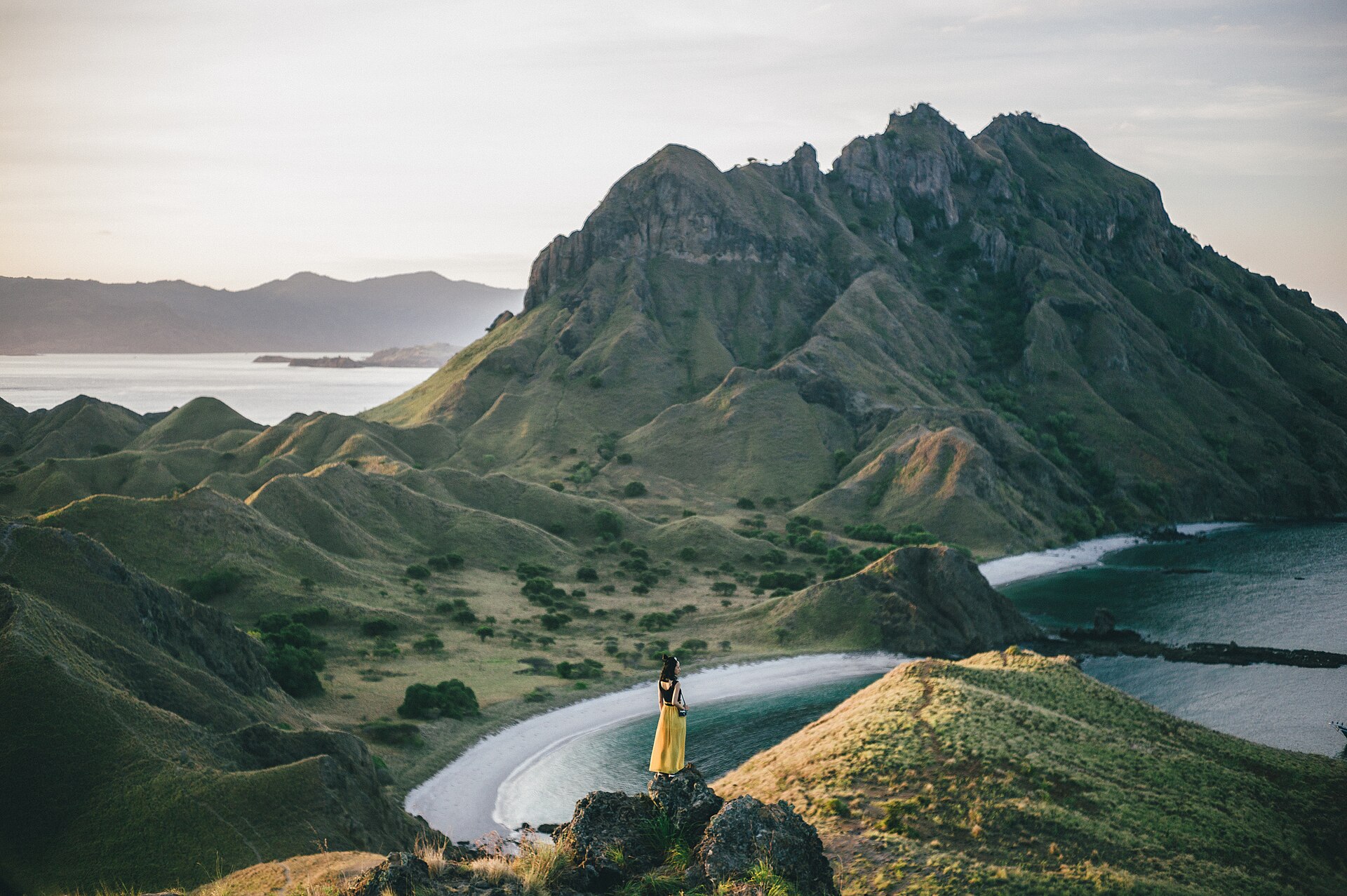
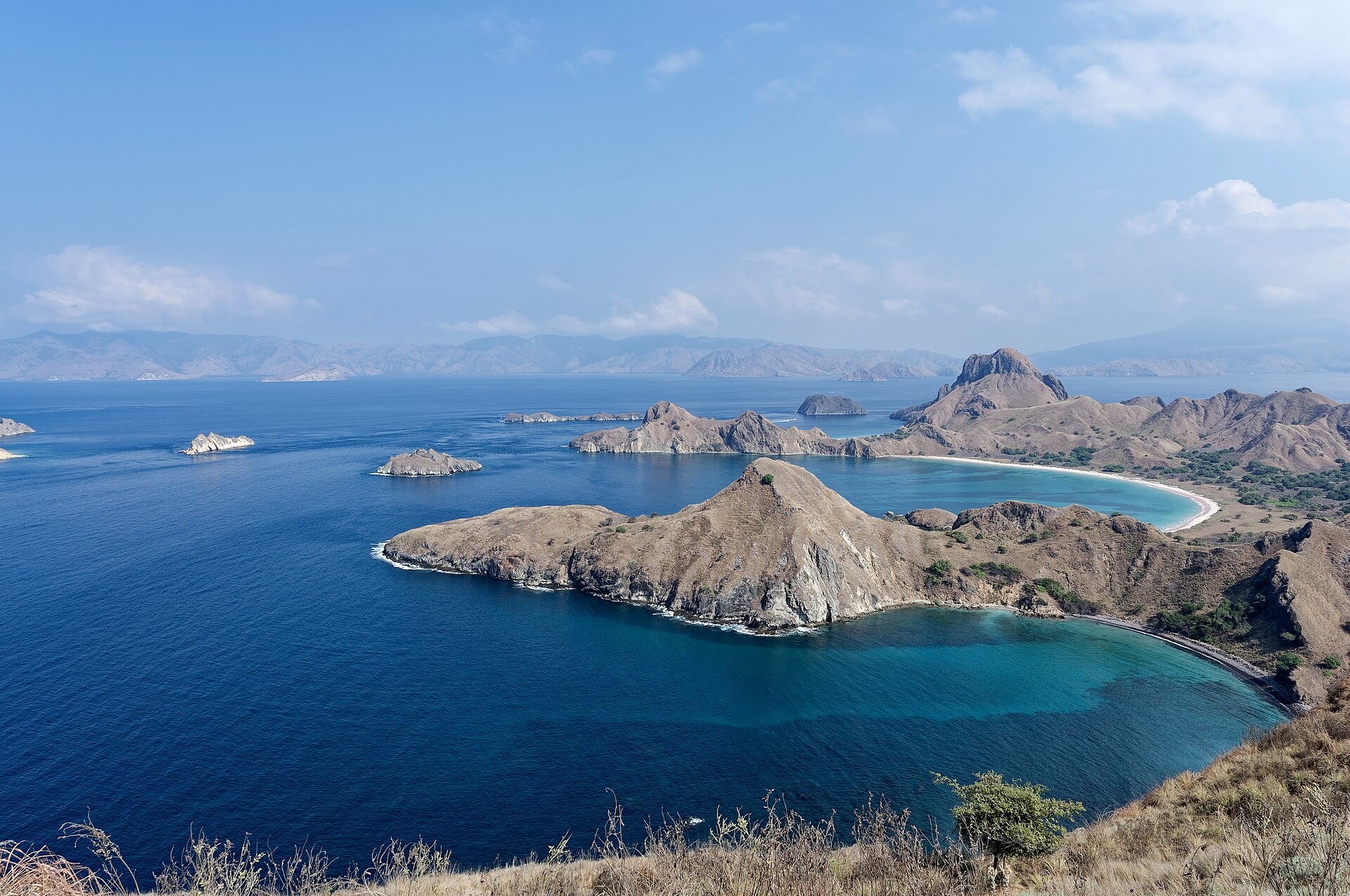
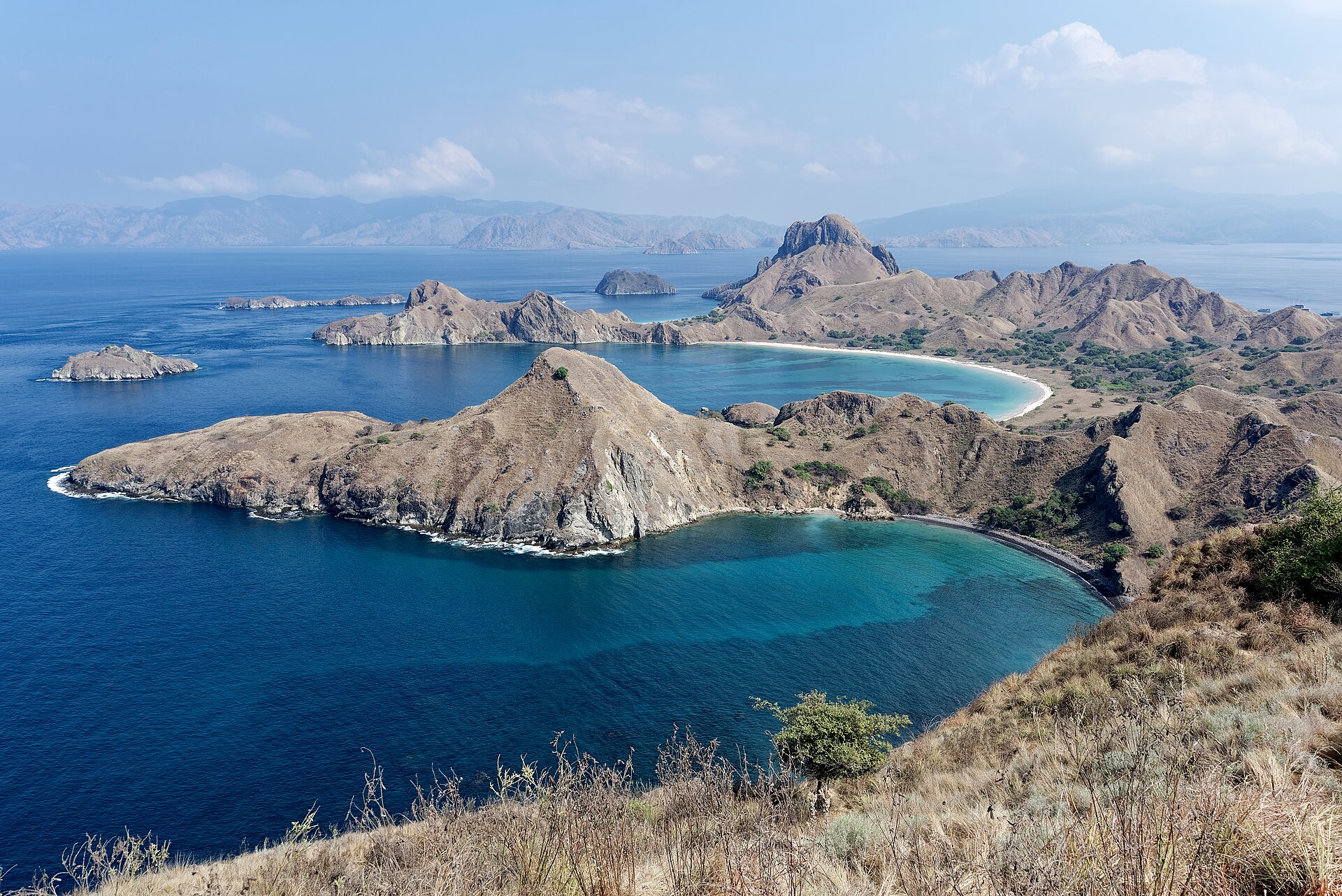
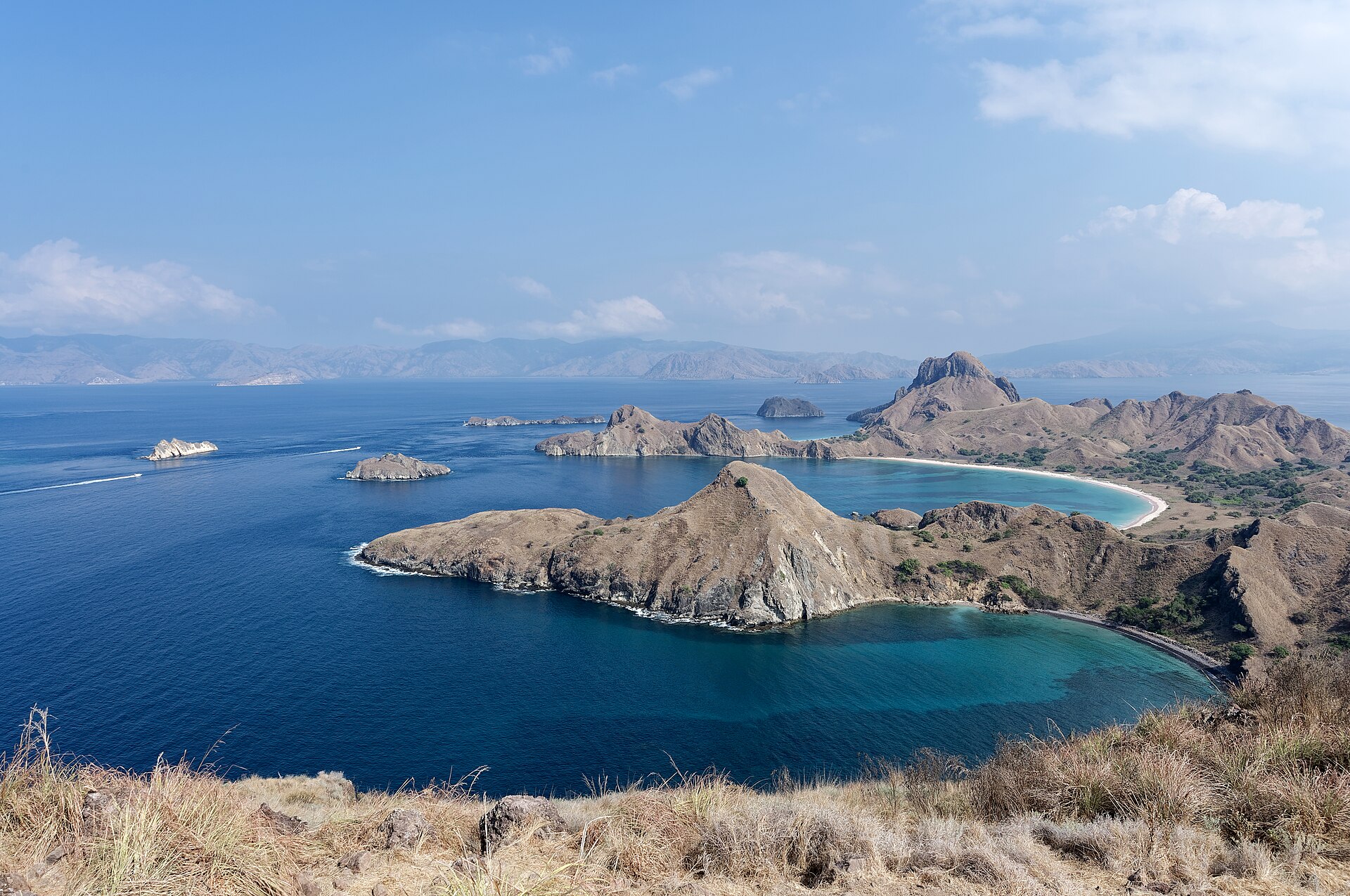
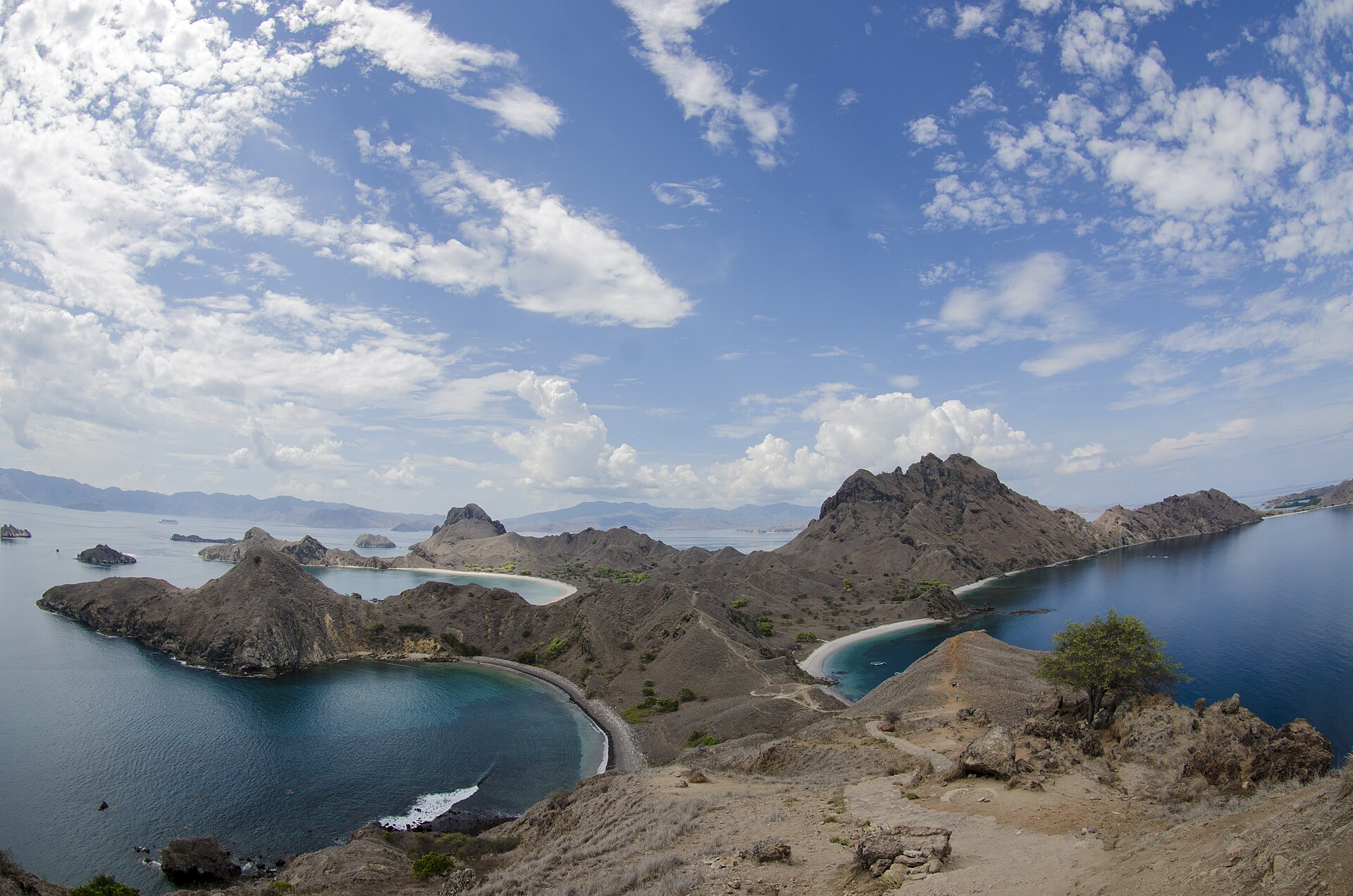
Padar is the island everyone has already seen. The photograph — three crescent bays fanning out below a knife-edge ridge, one pale, one blushed, one black — is the most reproduced image of Komodo National Park, and it was taken from a wooden deck about forty minutes above the anchorage.
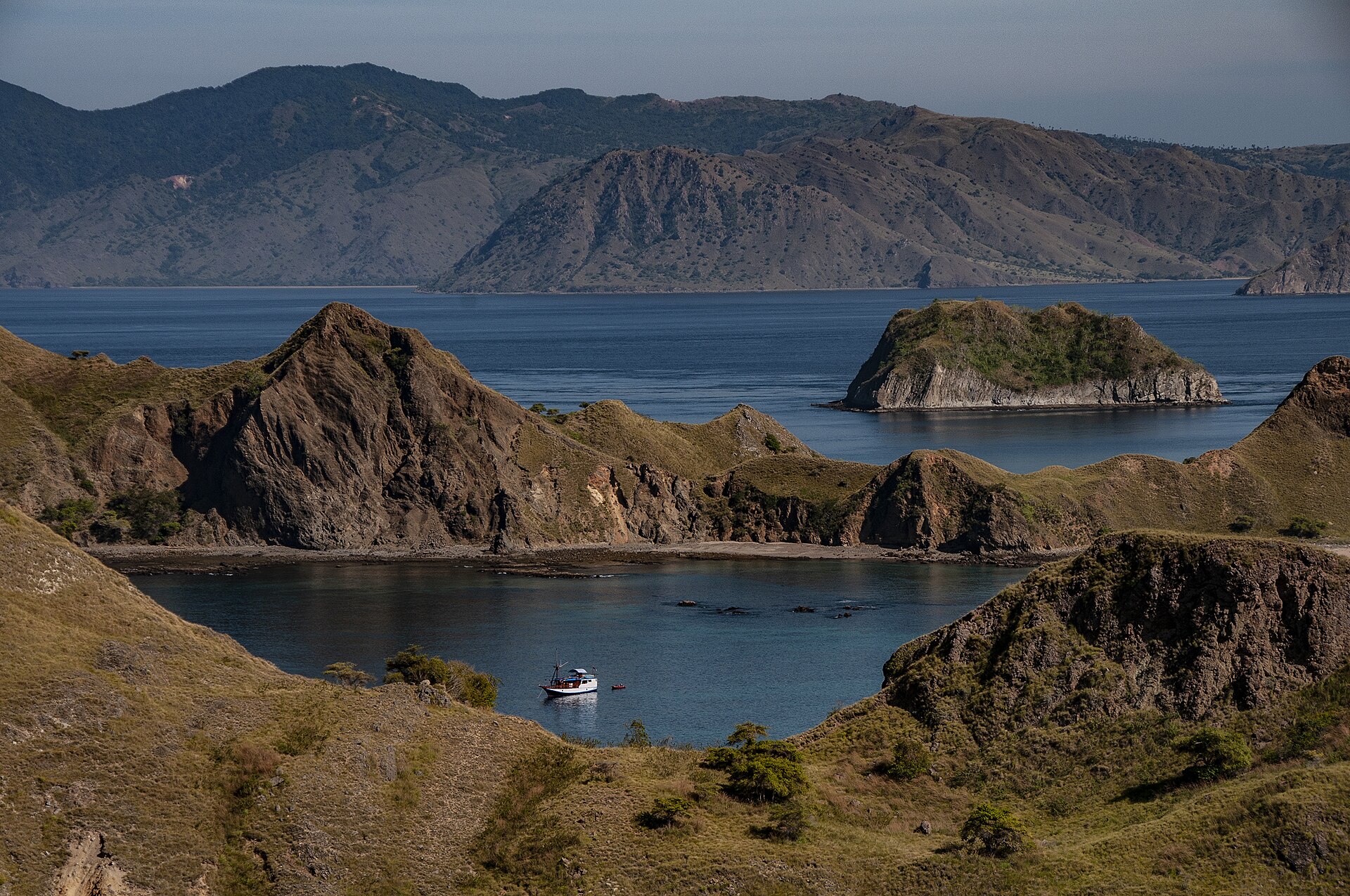
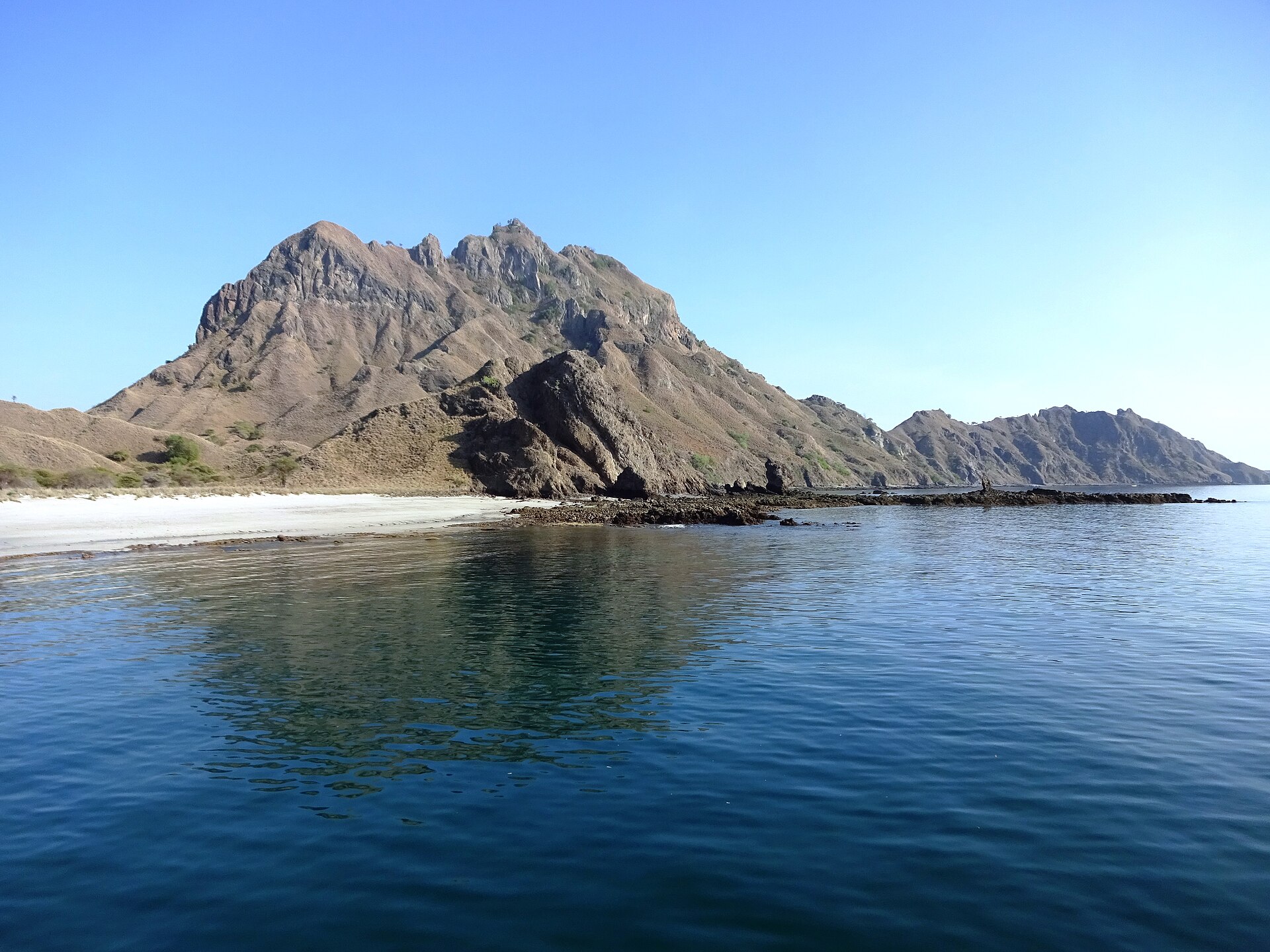
It is the third-largest island in the park, sitting in the strait between Komodo and Rinca, roughly 30 km by sea from Labuan Bajo, inside a UNESCO World Heritage Site. Small, uninhabited and dry: savannah that runs green in February and bone-brown by August, no shade, no shops, no accommodation.
Padar was long described as dragon-free, and most tour pages still say so. That is out of date — a 2004 survey by the Komodo Survival Program reported at least twelve Komodo dragons on the island, including a hatchling. They live in the north, which almost no visitor route touches, so encounters are vanishingly unlikely. Vanishingly unlikely is not the same as impossible, and it is worth knowing which of those two you were told.
What Padar sells is a short, steep stair climb and a view that earns the effort. What it does not sell is solitude — unless you can be here at an hour most visitors cannot reach.
At a Glance
- Also known asPulau Padar, Padar Viewpoint, Padar Island Komodo
- TypeIsland, Viewpoint / Trek
- Inside Komodo National ParkYes
- How to get thereLiveaboard, Speedboat Day Trip
- Travel time from Labuan BajoAbout 1 hour by speedboat; 3-4 hours by wooden phinisi
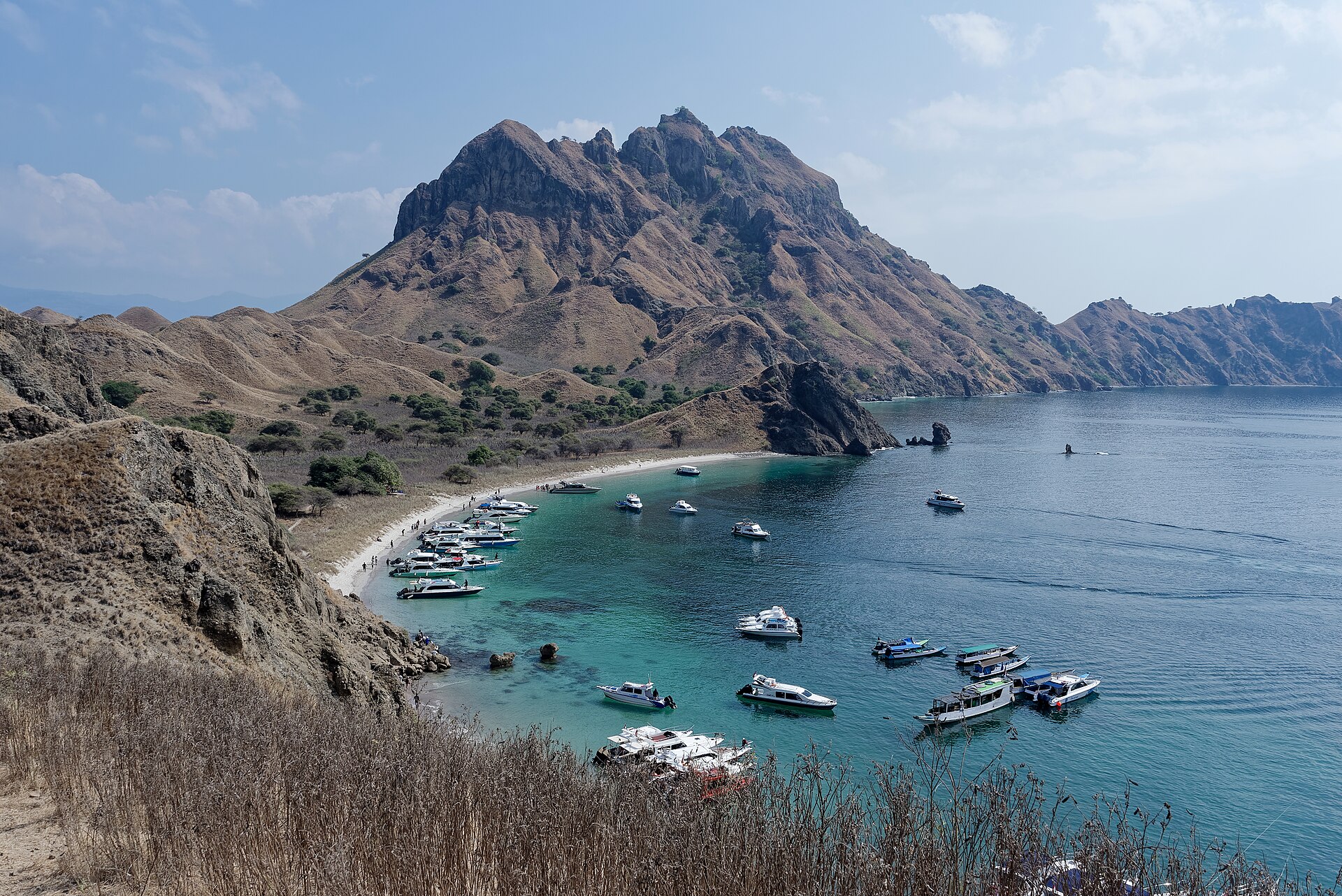
- LandingMooring / dinghy
- Last checked22 August 2026
What to Expect
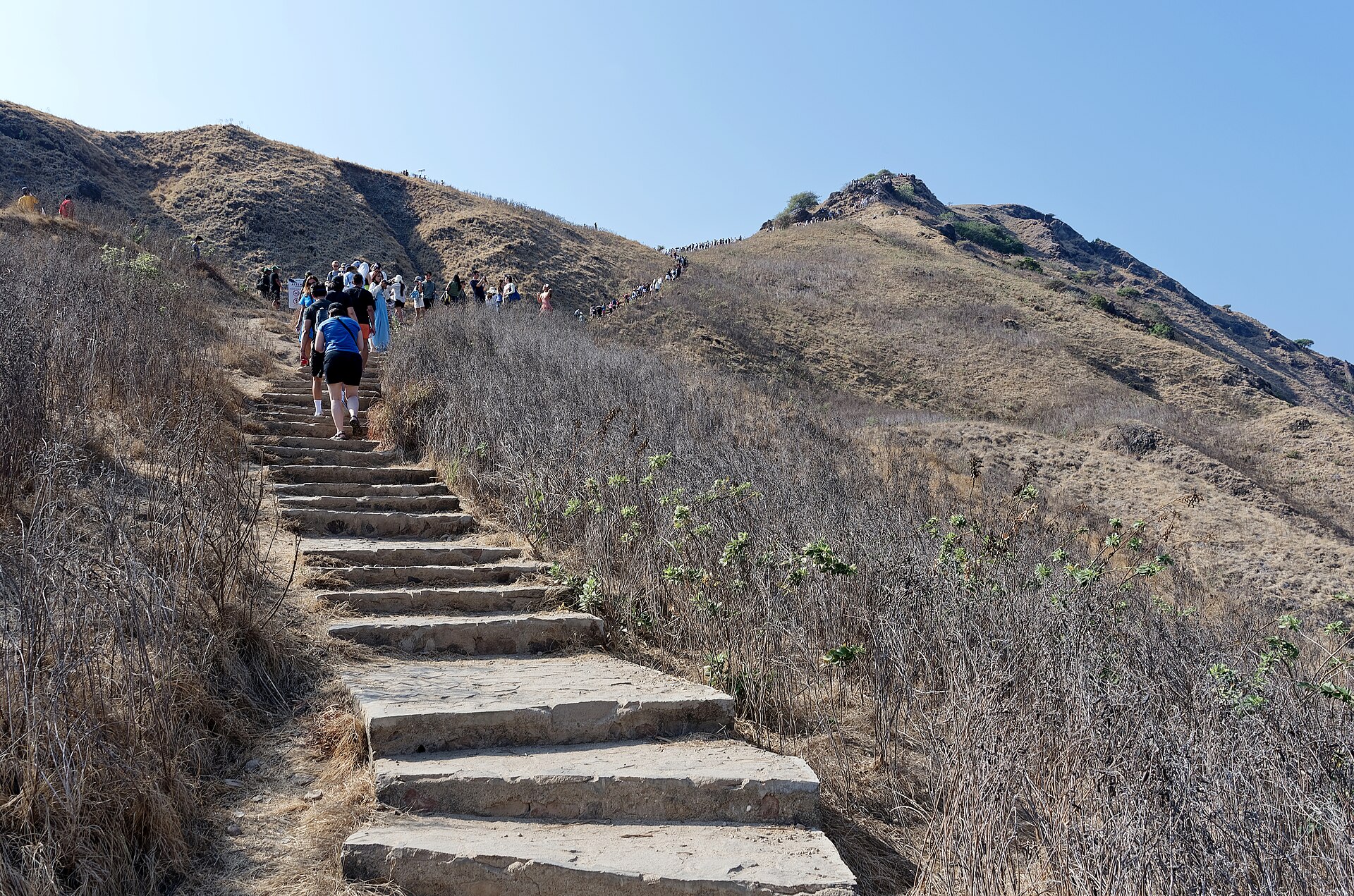
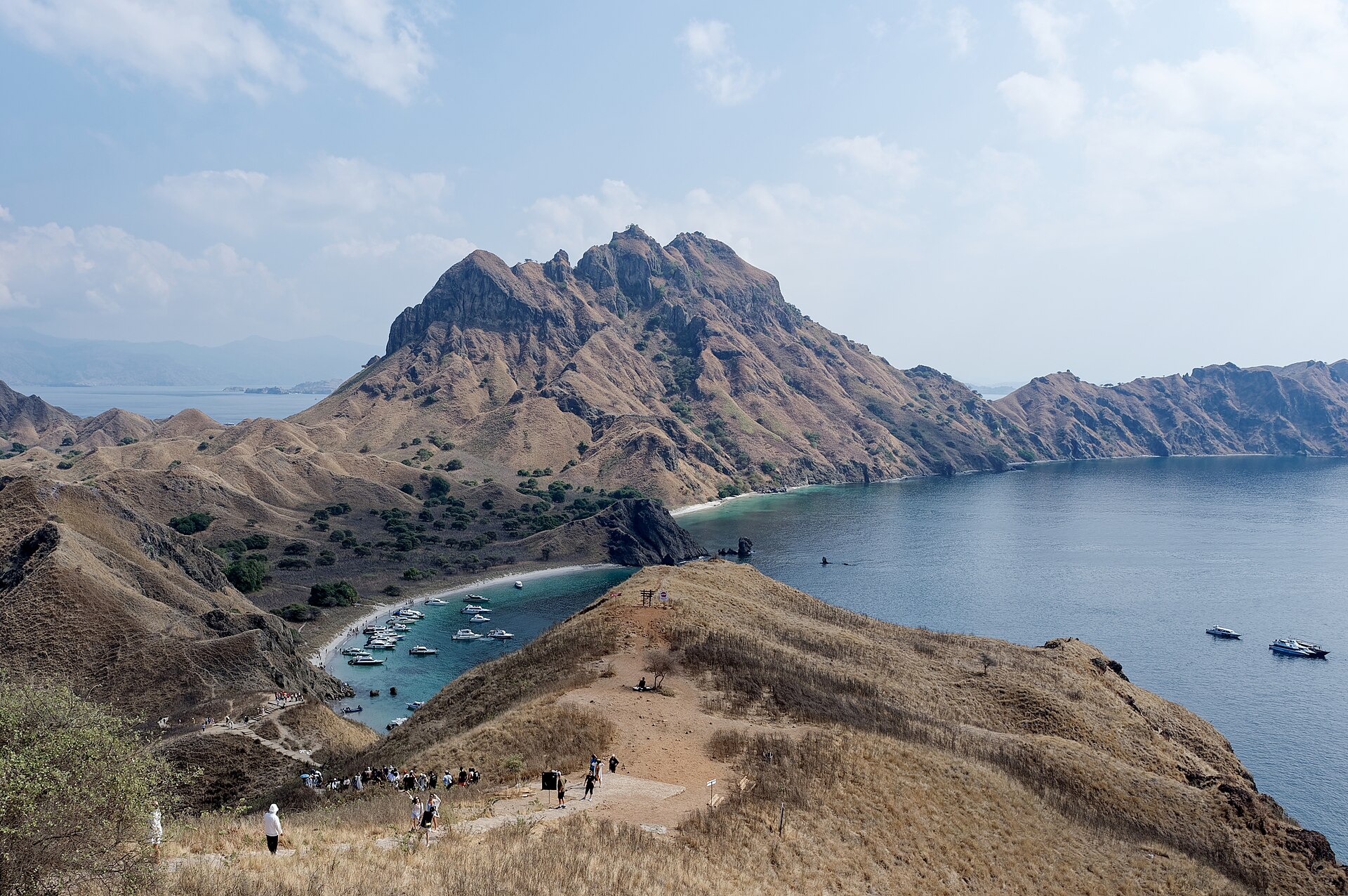
The trail leaves the landing on the northern bay and climbs the ridge in a near-straight line: wooden plank steps low down, concrete steps with handrails higher up, then boardwalk near the summit. Published step counts run from about 700 to about 830. Nobody agrees, sections have been rebuilt more than once, and the number genuinely moves — treat it as roughly eight hundred and stop counting.
The published trail data disagrees too, and it is worth being straight about that. AllTrails logs the route at 1.8 km there and back with about 175 m of climb and 1 to 1.5 hours; other trail write-ups put the distance closer to 3.9 km for the same 170 m of gain. The climb figure is the consistent one. Whichever distance you believe, it is 20 to 45 minutes up depending on pace and photo stops.
There are three successive viewpoint decks. The first already delivers the postcard framing of the three bays, which is exactly why most people stop there. The second and third add elevation, a fuller sweep of the park, and far fewer people.
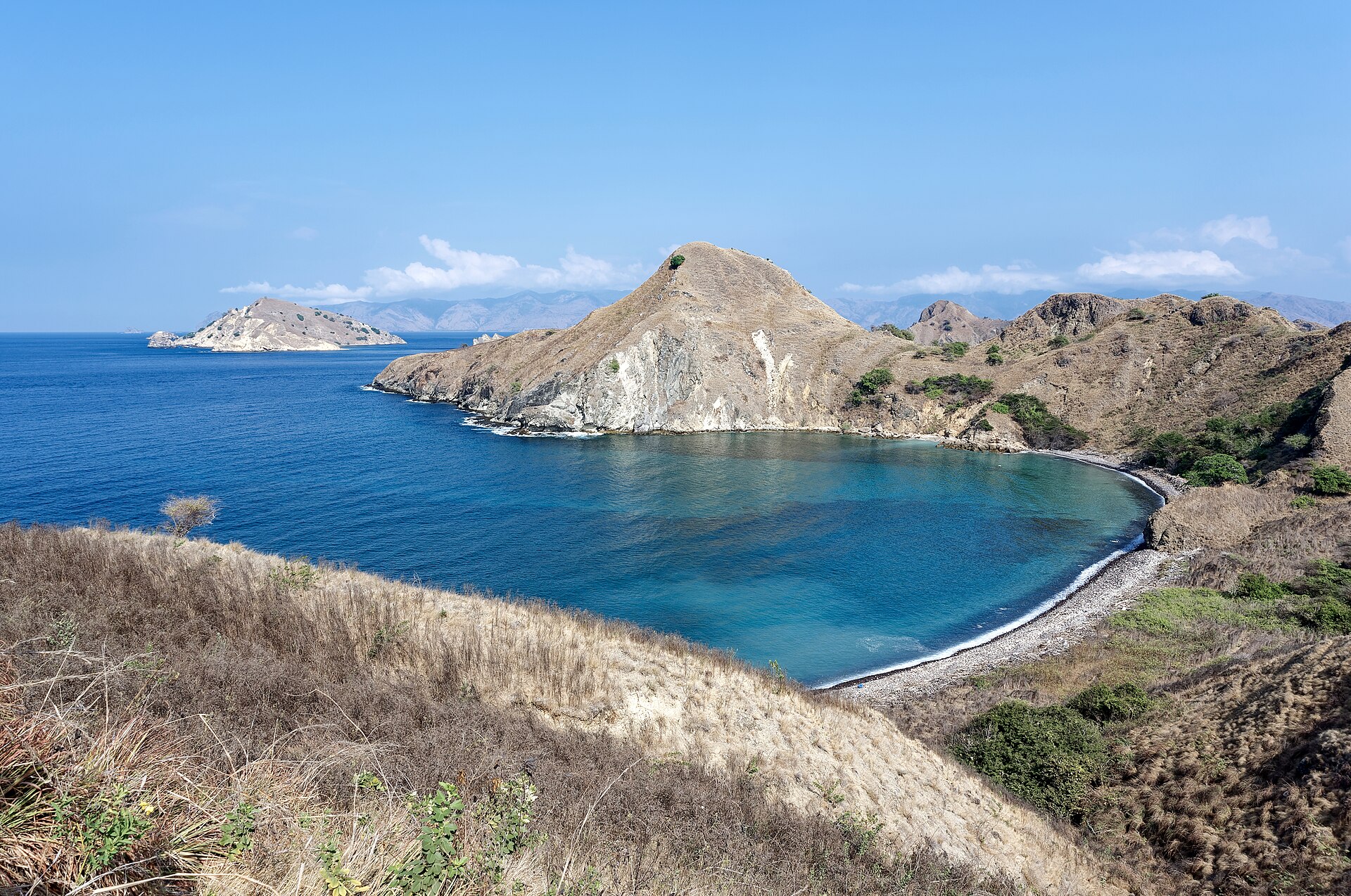
The three bays below are the reason the photograph works, and their sand is genuinely three different colours. One is white carbonate sand. One is dark, close to charcoal, from the volcanic minerals that built the island. The third is pale pink, made the same way as Pink Beach across the water — pulverised red coral mixed into white sand. Padar is one of very few places where all three sit in a single frame.
There is no scrambling and nothing that requires hands. There is also no shade at any point on the route, and the heat, not the gradient, is what turns people back.
Crowds and Timing
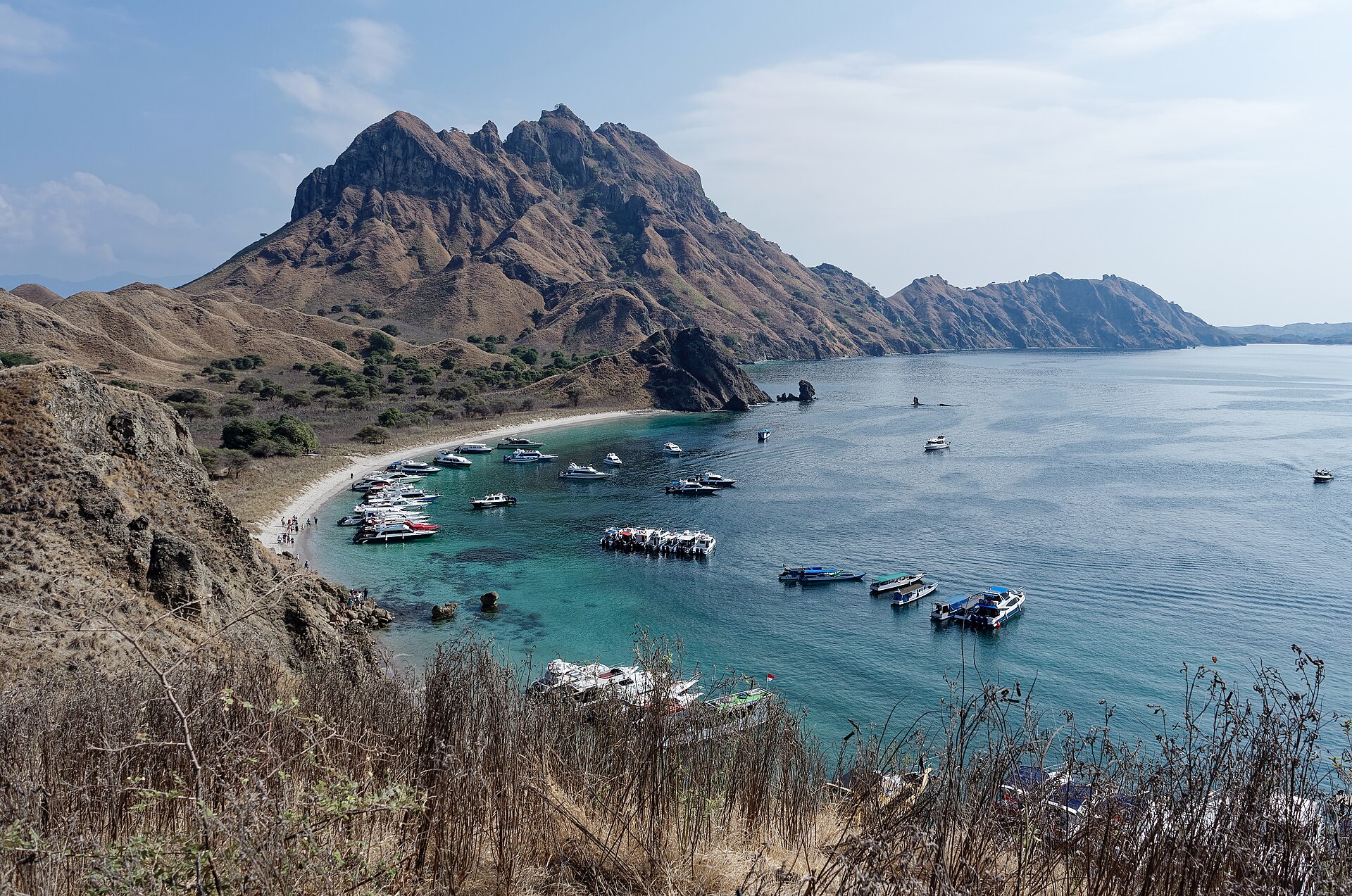
Sunrise on Padar is simultaneously the best light and the busiest hour. Every speedboat day trip out of Labuan Bajo is timed to reach the landing at first light, so a large share of the day fleet tenders guests ashore inside the same half hour. The boardwalk narrows at several points and passing becomes single-file.
Two things reliably thin it out. The first is elevation: the crowd concentrates at viewpoint one because it already gives the shot people came for, so the second and third decks are noticeably quieter. The second is the clock. Sunset is effectively a liveaboard-only window, because day trips have to be back in Labuan Bajo before dark and the only boats still in the bay are the ones sleeping there.
That is the most honest argument for a liveaboard over a day trip anywhere in this park. Not comfort. Access to an hour nobody else can reach.
How to Visit
Padar is boat-only, and the type of boat decides which hours you get.
Speedboat day trip. Roughly an hour each way from Labuan Bajo. It locks you into the sunrise slot — ashore around dawn, back at the harbour by afternoon. Cheapest route to the viewpoint, and you share the ridge with everyone on the same schedule.
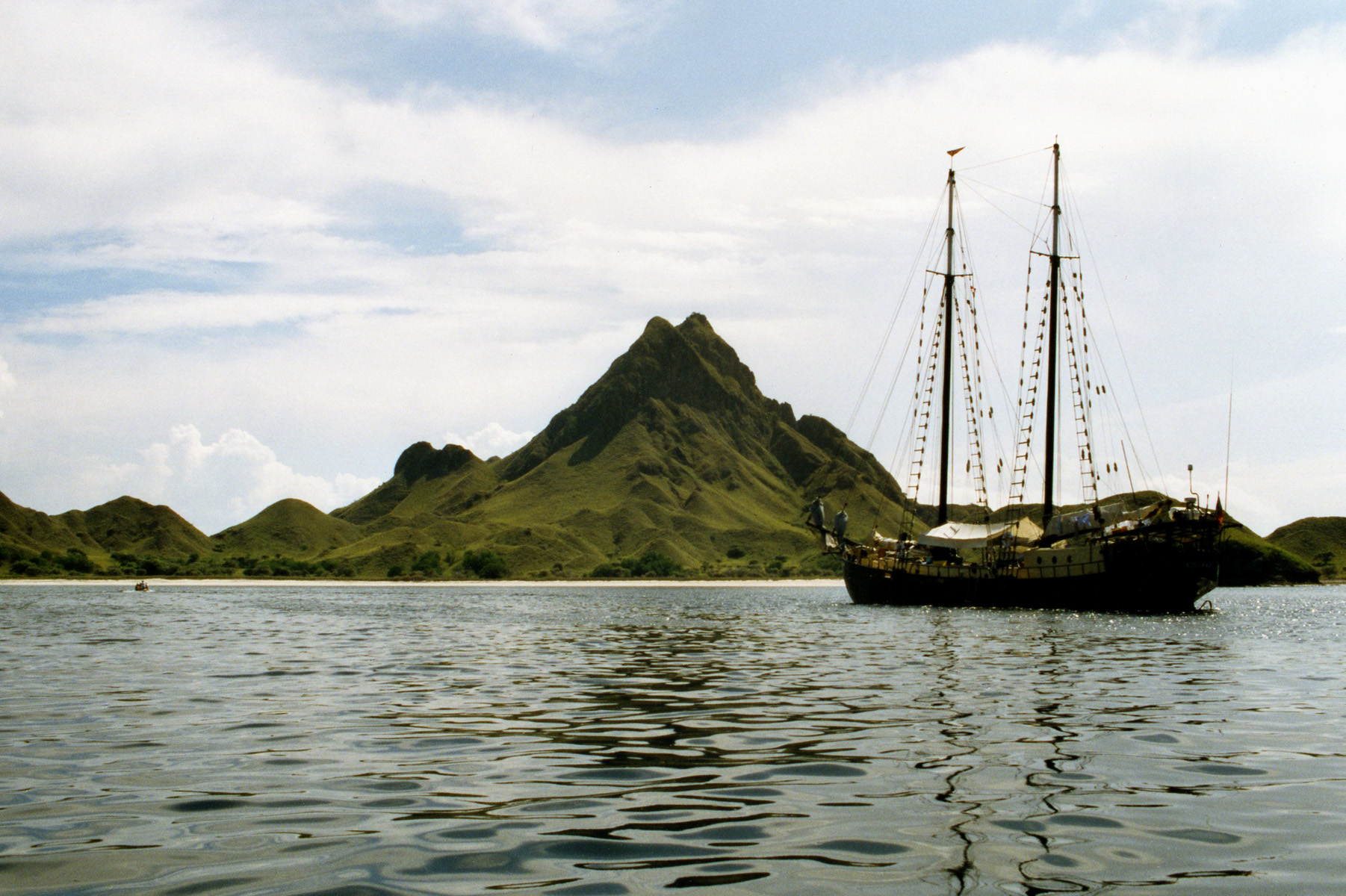
Liveaboard. Vessels anchor overnight in or near Padar’s bays. That buys the sunset climb, a second attempt the next morning if the light disappoints, and a landing before the day fleet arrives. Wooden phinisi take three to four hours to reach the island, but on a liveaboard the sailing time is the product rather than the cost.
Padar appears on both of our standard route pages: Komodo Tour 3 Days 2 Nights and Komodo Tour 4 Days 3 Nights.
Boats That Sail Here
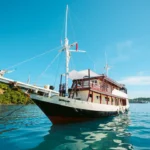
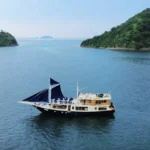
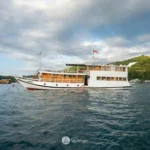
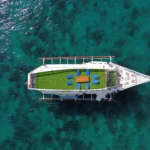
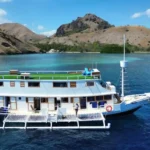
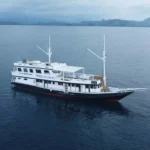
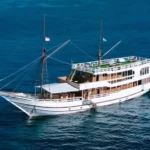
110 boats in our directory call here on their published itineraries, and the 12 with live pages are listed first. The list is generated from those itineraries, so it changes when a route changes rather than when someone remembers to edit this page.




Who This Suits
Padar suits anyone who can climb roughly eight hundred steps in tropical heat with a handrail for only part of it. That is a wider group than it sounds — guests well into their seventies complete it regularly by going slowly and taking two or three breaks.
Children from around eight manage it comfortably under close supervision, though the upper boardwalk has drops that make it a poor choice for a child who will not hold a hand. Photographers get disproportionate value here, and so do couples and small groups who can move at their own pace rather than a boat’s.
It suits nobody with a serious knee problem — the descent is harder than the ascent — and nobody unwilling to be on the water before five in the morning if they are travelling by day trip.
What to Bring
- At least one litre of water per person, two if you are climbing after eight in the morning. There is nothing to buy on the island.
- Closed shoes with grip. The stone sections carry loose dust and the descent is where people slip. Flip-flops are a bad idea in both directions.
- A hat and reef-safe sun protection. There is no shade anywhere on the route.
- A head torch if you are climbing for sunrise. The lower steps are genuinely dark at five in the morning.
Safety Notes
There is no medical facility on Padar and none nearby at sea. Heat exhaustion and dehydration are the realistic risks, and both are prevention problems rather than treatment problems.
Rangers are posted at the landing and at intervals along the trail, and visitors are accompanied. Follow their direction on timing: the trail is managed around the midday heat and access can be restricted during the hottest hours.
The wooden steps get slippery in light rain, which matters through the December-to-February wet season.
Two wildlife notes. Komodo dragons were reported on Padar again in 2004 after decades of being considered gone, in the northern part of the island away from the visitor trail — treat the tourist route as dragon-free in practice, but stay on it and follow ranger instruction rather than assuming the island is empty. The island also holds island pit vipers, which are venomous, arboreal and nocturnal. Keep to the built path and out of the vegetation.
Photography Notes
The composition people recognise — three bays, three sand colours, ridgelines stacked behind — does not read from the first viewpoint deck. It opens up from the second deck upward, where the angle separates the bays properly. Budget the extra ten minutes.
Bring wide. Something around 16-24mm equivalent covers the sweep; anything longer forces a stitch. At sunrise the light comes from behind the ridge and the bays sit in hard backlight, so expose for the sky and lift the foreground, or bracket. Late afternoon reverses it and gives softer side-light on the hills — the easier exposure, and the far less photographed one.
Drone flight inside the national park requires a permit arranged in advance. It cannot be sorted out on arrival.
Entrance Fee
Padar sits inside Komodo National Park. Statutory entrance is charged per person, per day—not per island or per visit. The final SiOra total depends on the registered day plus any applicable activity, vessel or special-use charges.
Reserve through SiOra before travel; Ministry guidance recommends H-1. Payment is cashless, an operator can assist, and self-service is available at the Komodo Visitor Center and KP3 terminal. The verified statutory table, legal basis and source date appear in What the Park Costs below.
Frequently Asked Questions
Is Padar better at sunrise or sunset?
Sunrise gives the cooler climb and the light most people have pictured, but it is also the hour when the day-trip fleet arrives together. Sunset gives softer light on the hills and a near-empty ridge — and is realistically only available to liveaboard guests, because day trips have to be back in Labuan Bajo before dark. On a day trip, take sunrise. Sleeping on a boat, take both.
How many steps is the Padar climb?
Nobody agrees on the steps. Published counts run from about 700 to about 830, and the trail has been rebuilt in sections more than once, so the figure genuinely moves. The climb itself is more consistent: roughly 170 to 180 metres of ascent, which AllTrails logs as a 1.8 km out-and-back taking 1 to 1.5 hours, though other write-ups measure the same route closer to 3.9 km. Plan for 20 to 45 minutes to the top depending on pace and photo stops. The gradient is manageable; the absence of shade is what makes it hard.
Can children or older travellers make the climb?
Yes, with caveats. It is stairs rather than scrambling, so it is a fitness question rather than a technical one, and guests in their seventies complete it by going slowly. Children from around eight are fine under close supervision. The upper boardwalk has drops, and the descent is harder on knees than the ascent. Anyone struggling at the first viewpoint should simply stop there — the view is already the one on the postcards.
Are national park fees included in my tour price?
It depends on the operator. Ask for the boat fare and SiOra charges to be itemised before issuance. Statutory entrance is per person, per day, while activity, vessel or special-use charges can be separate. The verified figures and source date are in What the Park Costs on this page.
Can I visit Padar without a liveaboard?
Yes. Speedboat day trips from Labuan Bajo reach Padar in about an hour and are how most people see it. What a day trip cannot give you is the sunset window or a quiet ridge, because the whole day fleet runs to the same sunrise schedule and has to be back before dark.
Are there Komodo dragons on Padar?
Almost certainly a few, despite what most tour pages say. Padar’s dragon population was considered extinct for decades after the deer they preyed on were hunted off the island, and that is still the line you will read nearly everywhere. A 2004 survey by the Komodo Survival Program reported at least twelve individuals, including a hatchling, concentrated in the northern part of the island.
In practice this changes nothing about your visit: the visitor trail is in the south and sightings there are effectively unheard of, which is why Padar is treated differently from Komodo and Rinca. Organised dragon viewing happens on those two islands, with rangers, because that is where the animals reliably are.
Why are the three beaches different colours?
Three different origins in one bay system. The white sand is ordinary carbonate sand from broken shell and coral. The dark, near-black bay comes from volcanic minerals in the rock that built the island. The pink one is made the same way as Pink Beach on Komodo — fragments of red coral and red-shelled organisms ground down and mixed into white sand. Seeing all three from a single viewpoint is the reason this particular photograph exists, and it is rarer than the picture makes it look.
How far is Padar Island from Labuan Bajo?
About 30 km by sea, southwest across the strait. That is roughly an hour on a speedboat and two to four hours on a wooden phinisi depending on the vessel and the weather. There is no airstrip, no ferry and no road — every visit starts on a boat out of Labuan Bajo, and the type of boat decides which hours of the day you get on the island.
What the Park Costs
| What you pay | Amount | Basis |
|---|---|---|
| Park entrance, foreign visitor | Rp 250,000 ≈ $14 | per person, per visit Identical on weekdays and public holidays. Already includes trekking, wildlife observation and snorkelling inside the park. |
| Park entrance, Indonesian visitor, weekday | Rp 50,000 ≈ $3 | per person, per visit Raised from Rp 35,000 in October 2024. |
| Park entrance, Indonesian visitor, weekend or public holiday | Rp 75,000 ≈ $4 | per person, per visit The holiday uplift applies to the Indonesian rate only. |
| Park entrance, Indonesian student group | Rp 25,000 ≈ $1 | per person, per day Group bookings only. |
| Scuba diving permit | Rp 25,000 ≈ $1 | per diver, per day Charged on top of the entrance fee. Snorkelling is not charged separately. |
| Vessel entry | varies | Assessed on the engine capacity of the boat, so it is normally settled by the operator rather than by passengers. |
- Booking runs through SIORA, the park's own system, and is handled by a licensed operator before arrival. There is no ticket window at the gate.
- A daily cap of 1,000 visitors applies across the park, split between Komodo, Rinca and Padar and the dive sites around them.
- Entry runs in sessions rather than all day, which is why a boat's arrival time is set by the park and not by the crew.
- A drone permit is separate, expensive, and has to be requested well in advance.
Statutory rates set by Peraturan Pemerintah No. 36 Tahun 2024, in force since 30 October 2024. Checked 25 August 2026. Amounts are payable in rupiah; dollar figures are converted at Rp 17,900 and rounded. A rise in the foreign rate was under government review in April 2026 and had not taken effect.
Activities
Cruise Areas
Location
Padar Island, Komodo National Park, East Nusa Tenggara, Indonesia



Add a review